Tubal Ligation: Permanent Birth Control Options
Comprehensive guide to tubal ligation: procedures, benefits, risks, and what to expect.
Understanding Tubal Ligation
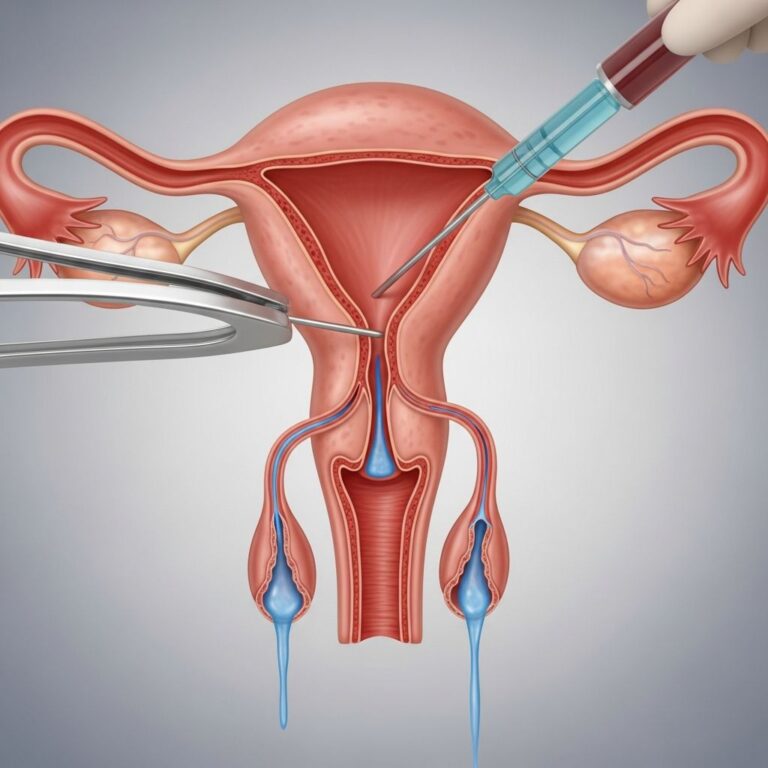
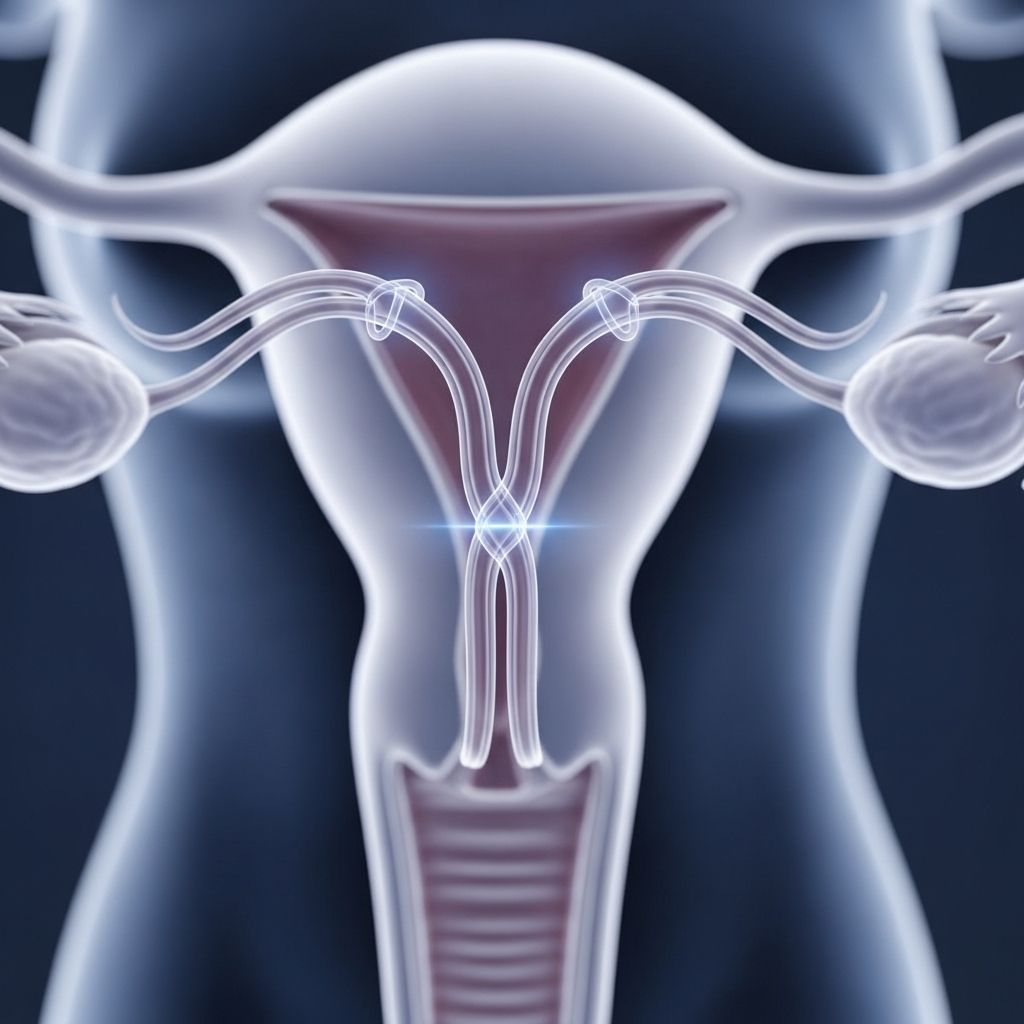
Tubal ligation, commonly referred to as having your tubes tied, is a surgical procedure that provides permanent birth control by preventing eggs from traveling through the fallopian tubes to the uterus. This form of permanent contraception is one of the most effective birth control methods available, with success rates exceeding 99 percent. The procedure involves blocking, sealing, or removing sections of the fallopian tubes to prevent fertilization and pregnancy.
For women seeking a long-term solution to contraception, tubal ligation offers a viable alternative to temporary birth control methods. Understanding how the procedure works, its benefits, potential risks, and the recovery process can help you make an informed decision about whether this permanent sterilization method is appropriate for your reproductive health goals.
How Tubal Ligation Works
During tubal ligation, a surgeon makes small incisions in the lower abdomen to access the fallopian tubes. The procedure can be performed using several different techniques, each with its own approach to blocking the tubes.
Surgical Techniques
The most common method is laparoscopy, a minimally invasive procedure where the surgeon inserts a thin, camera-equipped instrument through a small incision to visualize the fallopian tubes. Once located, the tubes are sealed using one of several methods, including electrical current (cauterization), clips, bands, or complete removal. Another approach is a mini-laparotomy, which involves a slightly larger incision, typically performed immediately after childbirth or during a cesarean delivery. Some procedures may involve complete removal of the fallopian tubes, known as salpingectomy, which eliminates any possibility of pregnancy in the future.
The choice of technique depends on various factors, including whether the procedure is performed during another surgical procedure, your specific medical history, and your surgeon’s recommendation. Laparoscopic procedures are performed as outpatient surgeries in hospitals or surgical centers, allowing most women to return home the same day with rapid recovery times.
Effectiveness of Tubal Ligation
Tubal ligation is considered a highly effective permanent form of birth control. The procedure has a failure rate of less than one percent, meaning fewer than one out of 100 women become pregnant in the first year after the procedure. Research indicates that approximately one out of 200 women may experience pregnancy later, often years after the initial surgery.
The effectiveness of tubal ligation does depend on certain factors. Women who undergo the procedure at a younger age have a slightly higher failure rate compared to older women, though the overall effectiveness remains exceptional. If a salpingectomy or complete removal of the fallopian tubes is performed, the risk of pregnancy becomes virtually nonexistent, as the tubes are completely removed rather than simply blocked.
Interestingly, the procedure does not require follow-up testing to verify its effectiveness when performed laparoscopically or immediately after childbirth. Once the procedure is completed, contraceptive protection is immediate, and no additional verification is necessary.
Benefits of Tubal Ligation
Related Stories



Beyond its primary function as a contraceptive method, tubal ligation offers several significant advantages for women considering permanent birth control.
Permanent Contraception
The most obvious benefit is permanent birth control without ongoing maintenance. Unlike hormonal contraceptives or barrier methods, tubal ligation requires no daily pills, device insertions, or procedural reminders. This permanence eliminates the need for remembering to use contraception consistently, which can provide peace of mind and reduce stress related to reproductive decisions.
Reduced Ovarian Cancer Risk
Research has demonstrated that tubal ligation may lower the risk of developing ovarian cancer. Scientists believe this risk reduction occurs partly because the procedure prevents harmful substances from traveling up the fallopian tubes into the ovaries. The protective effect may be even more significant if the fallopian tubes are completely removed through salpingectomy. This potential cancer prevention benefit represents an important health advantage beyond contraception alone.
No Hormonal Side Effects
Unlike hormonal birth control methods, tubal ligation does not affect your hormone levels or sex drive. Women maintain normal estrogen and progesterone production, and menstrual cycles typically return to their pre-procedure patterns. This is particularly advantageous for women who have experienced negative side effects from hormonal contraceptives or who prefer non-hormonal options.
Outpatient Procedure with Quick Recovery
Tubal ligation is typically performed as an outpatient procedure, meaning you can return home the same day. Most women experience rapid recovery, with many able to resume light activities within a week and return to normal exercise and sexual activity within two to three weeks.
Risks and Complications of Tubal Ligation
While tubal ligation is generally safe, with fewer than two out of 100 women experiencing complications, it is important to understand potential risks before undergoing the procedure.
Surgical Risks
As with any surgical procedure, tubal ligation carries inherent risks associated with anesthesia and the surgical process. These include:
Bleeding and Infection: Bleeding can occur at the incision site or internally, though this is rare. Incisions can also become infected if bacteria enter the wound, requiring antibiotic treatment.
Damage to Surrounding Organs: In extremely rare cases, surgical instruments may accidentally damage nearby organs such as the bladder, bowel, or major blood vessels. While this complication is uncommon, it can require additional surgery to repair.
Anesthesia Reactions: Any adverse reaction to anesthesia, though uncommon, is possible and can range from mild nausea to more serious complications.
Wound Healing Problems: Improper wound healing or the development of infection at the incision site may occur, and incisions may leave scars, particularly with larger incision procedures.
Pregnancy-Related Risks
Although tubal ligation is highly effective, procedure failure can occur. If pregnancy does occur after tubal ligation, it is more likely to be an ectopic pregnancy, in which the fertilized egg implants outside the uterus, typically in one of the fallopian tubes. Ectopic pregnancies are medical emergencies that require immediate surgical intervention, as they can cause the fallopian tube to rupture and lead to severe internal bleeding. Any positive pregnancy test following tubal ligation requires immediate medical attention.
The failure rate increases with age at the time of surgery, meaning younger women have a slightly higher risk of procedure failure compared to older women, though the overall failure rate remains extremely low.
Post-Tubal Ligation Syndrome
Some women report experiencing Post-Tubal Ligation Syndrome (PTLS), characterized by changes in menstrual cycles, hormone fluctuations, or other symptoms following the procedure. While the exact cause and prevalence of PTLS remain debated among medical professionals, reported symptoms may include changes in period regularity, heavier or lighter periods, increased cramping, and various other symptoms. However, many women experience no changes to their menstrual patterns following tubal ligation.
Side Effects and Recovery
Immediate Post-Procedure Side Effects
Following tubal ligation, most women experience mild, temporary side effects related to the surgery itself. Common immediate side effects include:
– Mild cramping or abdominal pain
– Vaginal bleeding or spotting
– Nausea or bloating
– Fatigue, weakness, dizziness, or lightheadedness
– Discomfort, irritation, or swelling at the incision site
– Shoulder pain (particularly with laparoscopic procedures due to gas insufflation)
These side effects typically resolve within a few days to a week as your body recovers from the procedure.
Recovery Timeline
Most women can return to light activities within one week of the procedure. Full recovery, including resumption of strenuous exercise and sexual activity, typically occurs within two to three weeks. Your surgeon will provide specific post-operative instructions regarding activity restrictions, incision care, and when to contact your doctor if you experience any concerning symptoms.
Long-Term Side Effects
Long-term side effects may include changes in menstrual patterns, though research shows this is more common for periods to become lighter with less cramping rather than heavier or more painful. Some women experience heavier, less regular, or more painful periods, but this varies significantly between individuals. Permanent scarring may result from the incisions, though laparoscopic procedures produce very small, inconspicuous scars compared to larger incision procedures.
Factors Affecting Complication Risk
Your individual risk of experiencing complications depends on several factors, including:
– The specific tubal ligation technique used
– Whether the surgery is performed immediately after childbirth
– Underlying medical conditions such as diabetes, endometriosis, or pelvic inflammatory disease
– Previous abdominal or pelvic surgeries
– Your overall health and medical history
Discussing these factors with your surgeon prior to the procedure can help establish your individual risk profile and ensure you are well-informed about potential complications specific to your situation.
Is Tubal Ligation Right for You?
Tubal ligation may be an appropriate choice if you are certain you do not want any more children or do not wish to have children at all. The procedure is particularly suitable for women whose continued pregnancy would pose significant health risks, or for those who or whose partners carry genetic disorders they do not wish to pass to future children.
However, it is essential to recognize that tubal ligation is intended to be permanent. While reversal is sometimes possible through surgical reconnection of the fallopian tubes, reversal procedures carry significant risks, including increased likelihood of ectopic pregnancy if conception does occur. Additionally, reversal success rates vary and are not guaranteed.
Before undergoing tubal ligation, you should discuss your decision thoroughly with your healthcare provider and partner if applicable. Ensure you are making this choice confidently and without pressure, as it represents a permanent decision regarding your reproductive capacity.
Important Considerations
Protection Against Sexually Transmitted Diseases
It is crucial to understand that tubal ligation provides no protection against sexually transmitted diseases (STDs), including HIV and other infections. If you are at risk for STDs or have multiple sexual partners, you must continue using barrier methods such as condoms in addition to tubal ligation for protection against infection.
Menstrual Pattern Changes
Following tubal ligation, your menstrual patterns typically return to normal, particularly if you were using hormonal contraceptives or intrauterine devices (IUDs) prior to the procedure. However, some women may experience changes in period frequency, flow, or associated discomfort. These changes may develop immediately or gradually over time.
Frequently Asked Questions
Q: Is tubal ligation immediately effective after the procedure?
A: Yes, tubal ligation is immediately effective for preventing pregnancy. You do not need follow-up testing to verify effectiveness when the procedure is performed laparoscopically or immediately after childbirth, though your doctor may provide specific guidance for your situation.
Q: Can tubal ligation be reversed?
A: While tubal ligation reversal is sometimes surgically possible, it is not always successful, and the procedure carries significant risks, including increased risk of ectopic pregnancy. Tubal ligation should be considered permanent, and reversal should not be relied upon as a backup option.
Q: How long is the recovery period after tubal ligation?
A: Most women can return to light activities within one week and resume normal exercise and sexual activity within two to three weeks. However, individual recovery times vary, and your surgeon will provide specific post-operative instructions.
Q: What is the failure rate of tubal ligation?
A: Fewer than one out of 100 women become pregnant in the first year after tubal ligation, with approximately one out of 200 women experiencing pregnancy later. The procedure is more than 99 percent effective.
Q: Does tubal ligation affect hormones or sex drive?
A: No, tubal ligation does not affect hormone levels or sex drive, as the ovaries continue to function normally and produce estrogen and progesterone at their usual levels.
Q: Will I need time off work after tubal ligation?
A: Tubal ligation is performed as day surgery, and many women require only a few days off work for recovery. Return to work depends on the nature of your job and how quickly you recover, but most women can return to desk work within a few days.
Q: Can tubal ligation reduce my risk of ovarian cancer?
A: Yes, research shows that tubal ligation may reduce the risk of developing ovarian cancer. This risk reduction may be even more significant if the fallopian tubes are completely removed through salpingectomy.
References
- Tubal Ligation — Mayo Clinic. 2022-09-15. https://www.mayoclinic.org/tests-procedures/tubal-ligation/about/pac-20388360
- Tubal Ligation — Penn Medicine. 2024. https://www.pennmedicine.org/treatments/tubal-ligation
- Tubal Ligation: Pros and Cons of Getting Your Tubes Tied — WebMD. 2024. https://www.webmd.com/sex/birth-control/tubal-ligation
- Is Getting Your Tubes Tied the Right Choice? — Orlando Health. 2024. https://www.orlandohealth.com/services-and-specialties/orlando-health-womens-institute/content-hub/is-getting-your-tubes-tied-the-right-choice/
- Pros and Cons of Getting Your Tubes Tied — Cool Springs OBGYN. 2024. https://coolspringsobgyn.com/pros-and-cons-of-getting-your-tubes-tied/
- Tubal Ligation — MyHealth Alberta. 2024. https://myhealth.alberta.ca/sexual-reproductive-health/birth-control/non-hormonal-birth-control/tubal-ligation
- Tubal Sterilization — StatPearls, National Center for Biotechnology Information (NCBI). 2024. https://www.ncbi.nlm.nih.gov/books/NBK470377/
Similar Articles








Read full bio of medha deb