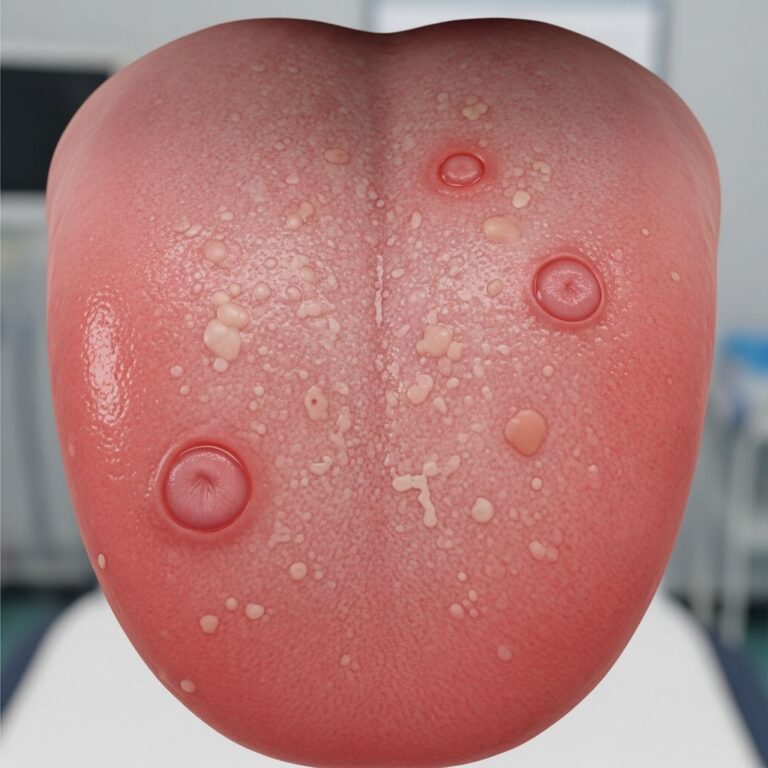
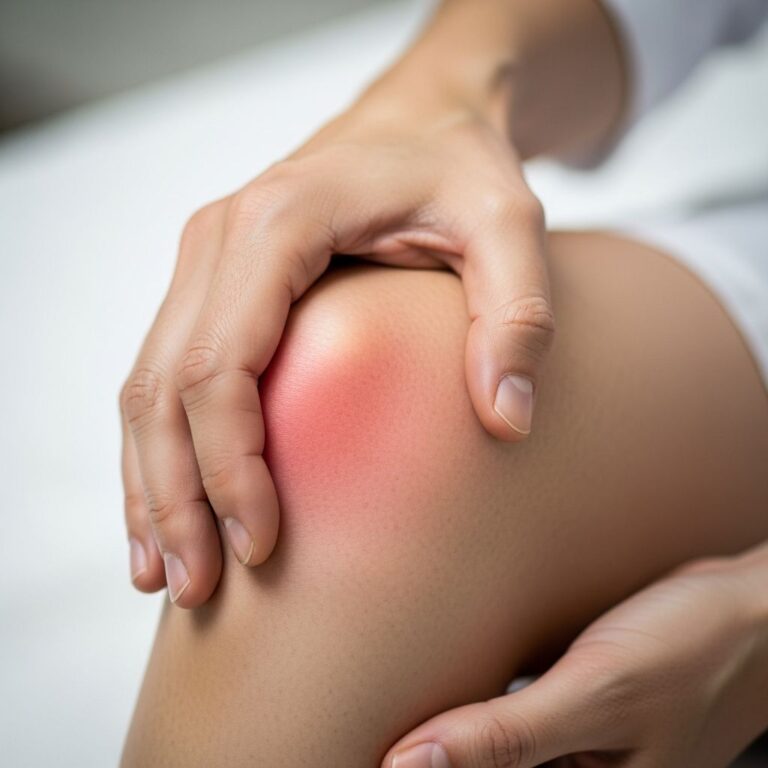
Tuberculids: Essential Guide to Types, Diagnosis, and Treatment
Hypersensitivity skin reactions linked to tuberculosis infection: types, diagnosis, and effective treatment strategies.
A
tuberculid
represents a hypersensitivity reaction manifesting as distinctive skin changes in individuals with tuberculosis (TB) infection elsewhere in the body, without identifiable mycobacteria in the skin lesions themselves.What is a tuberculid?
Tuberculids are a subset of cutaneous manifestations of tuberculosis characterized by hypersensitivity responses to mycobacterial antigens. These lesions arise due to hematogenous dissemination of antigens from a distant TB focus, triggering type III or IV hypersensitivity reactions in sensitized skin. Importantly, Mycobacterium tuberculosis cannot be cultured or directly visualized in tuberculid lesions, distinguishing them from true cutaneous TB infections.
Patients exhibit moderate-to-high tuberculin sensitivity, often with positive Mantoux tests. Tuberculids confirm an underlying TB focus, which may be clinically silent (latent) or overt (active pulmonary or extrapulmonary disease).
Demographics
Tuberculids predominantly affect individuals in regions with high TB endemicity, including China, the Indian subcontinent, India, and sub-Saharan Africa. They are more common in children, adolescents, and young adults under 30 years, with a slight female predominance in certain types like erythema induratum.
- **Papulonecrotic tuberculid (PNT):** Primarily children and young adults (<30 years).
- **Lichen scrofulosorum:** Mostly children with underlying lymphadenitis.
- **Erythema induratum:** Young to middle-aged women.
- **Nodular tuberculid:** Variable, often adults.
Immunocompromised states, such as HIV or post-BCG vaccination, can unmask or trigger tuberculids.
Causes
Tuberculids stem from
Mycobacterium tuberculosis
infection, though rarely linked to atypical mycobacteria like M. avium or BCG strains. The pathogenesis involves:- Hematogenous spread of mycobacterial antigens from primary TB foci (lungs, lymph nodes, bones).
- Cell-mediated immunity (moderate-high) leading to granulomatous hypersensitivity without viable bacilli.
- PCR detection of M. tb DNA in lesions supports antigen persistence.
Triggers include anti-TB therapy initiation or antiretroviral treatment in HIV patients, paradoxically exacerbating skin reactions.
Clinical features
Four main types are recognized, often coexisting:
Papulonecrotic tuberculid
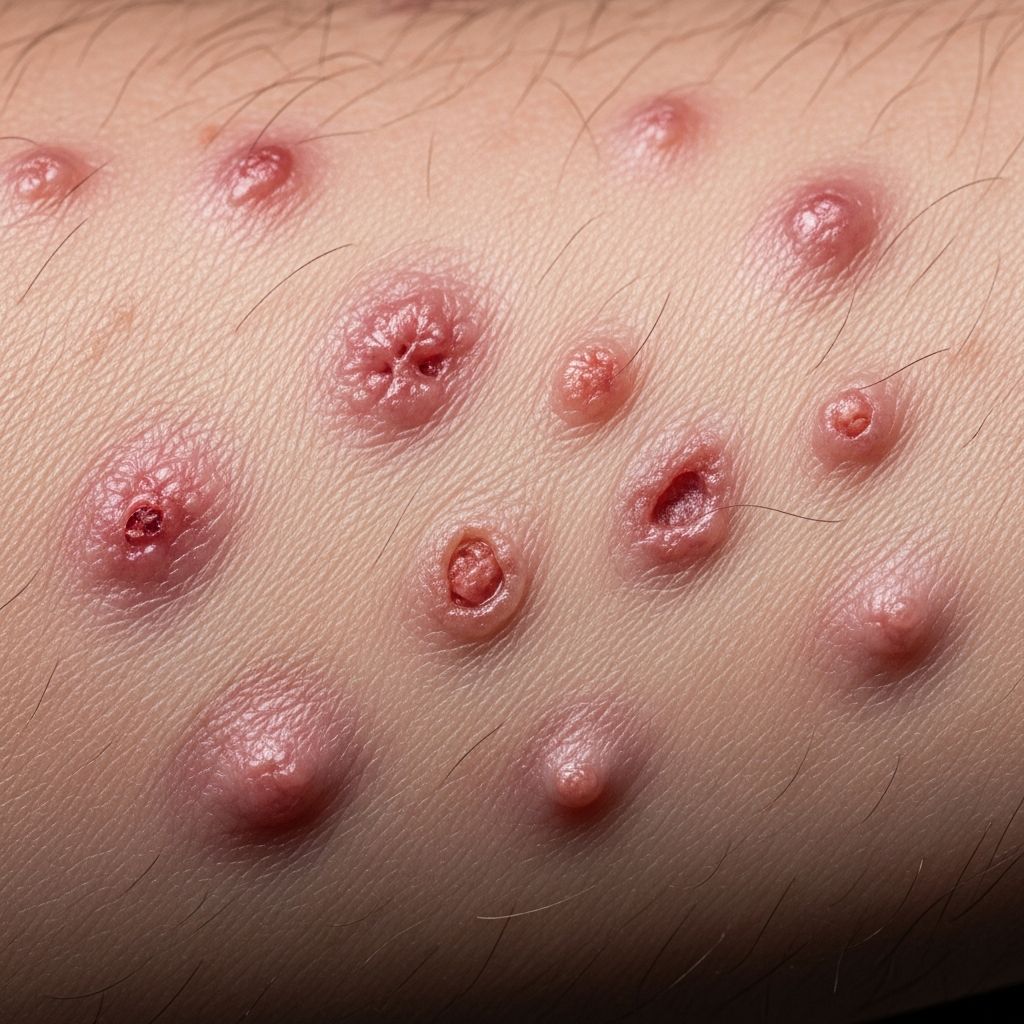
Recurrent crops of symmetric, dusky-red
papules or nodules
(3–10 mm) on extremities (legs, arms), buttocks, and trunk. Lesions evolve to pustules, necrosis, or small ulcers (2–5 mm) healing in 4–6 weeks withvarioliform (chickenpox-like) scars
. Asymptomatic or mildly pruritic; worse in winter.Lichen scrofulosorum
Commonest tuberculid in children.
Grouped lichenoid papules
(1–3 mm), apple-jelly colored, around body orifices (axillae, groin, trunk). Associated with scrofula (cervical lymphadenitis). Itchy, resolve without scarring.Erythema induratum (Bazin’s disease)
Women aged 20–40. Tender
subcutaneous nodules
(1–3 cm) on calves, evolving to ulceration with ragged edges and purpuric base. Heals with atrophic scars. Seasonal (winter).Nodular tuberculid
Rare variant resembling erythema induratum but on trunk/extremities.
Dusky-red papules/nodules
without ulceration, asymptomatic. (Typical PNT lesions)
Complications
Tuberculids primarily cause cosmetic issues:
- **Scarring:** Varioliform in PNT; atrophic in erythema induratum.
- **Chronic ulcers:** Recurrent if TB untreated.
- **Hyperpigmentation/hypopigmentation** post-healing.
- Rare ocular involvement (tuberculous scleritis).
Untreated underlying TB risks systemic dissemination.
Diagnosis
Diagnosis integrates:
- Clinical pattern + TB history:** Symmetric lesions in tuberculin-positive patient.
- Histopathology:** Wedge-shaped necrosis, granulomas (lymphohistiocytic, caseating), vasculitis; no AFB.
- Investigations:**
| Test | Purpose |
|---|---|
| mantoux/tuberculin test | Strong positive (>15 mm). |
| Chest X-ray/HRCT | Detect pulmonary/LN TB. |
| PCR for M. tb DNA | Lesional confirmation. |
| IGRA (QuantiFERON) | Specific TB immunity. |
| Sputum/Gastric aspirate culture | Active TB proof. |
Related Stories



Differential diagnoses
| Tuberculid Type | Main Differentials |
|---|---|
| Papulonecrotic | Pityriasis lichenoides et varioliformis acuta (PLEVA), vasculitis, arthropod bites. |
| Lichen scrofulosorum | Lichen nitidus, papular eczema. |
| Erythema induratum | Nodular vasculitis, pancreatic panniculitis. |
| Nodular | Granuloma annulare, sarcoidosis. |
Treatment
**Anti-tuberculous therapy (ATT)** is cornerstone, resolving lesions in 4–8 weeks:
- Standard regimen: Rifampicin, Isoniazid, Pyrazinamide, Ethambutol (2HRZE/4HR).
- Monitor LFTs, adherence.
- Adjuncts: Topical steroids for inflammation; analgesics for nodules.
Spontaneous resolution rare; untreated cases recur.
Outcome
Adequate ATT cures underlying TB and clears tuberculids without relapse. Scars persist. Early therapy prevents complications; poor adherence risks miliary TB.
Frequently Asked Questions (FAQs)
Q: Can tuberculids appear without active TB?
Yes, in latent TB with high immunity; investigations reveal occult foci.
Q: How quickly do tuberculids respond to treatment?
New lesions stop in 2–4 weeks; existing resolve in 1–4 months with ATT.
Q: Are tuberculids contagious?
No, as no viable bacilli in skin; contagion only from active pulmonary TB.
Q: What if PCR is negative?
Clinical/histological diagnosis suffices; PCR sensitivity varies.
Q: Can HIV patients get tuberculids?
Yes, often post-ART initiation (IRIS).
References
- Mycobacterium tuberculosis DNA in Papulonecrotic Tuberculid — Baselga E et al. JAMA Dermatology. 1996-01-01. https://jamanetwork.com/journals/jamadermatology/fullarticle/557443
- Tuberculids — DermNet NZ (Authoritative dermatology resource). 2023. https://dermnetnz.org/topics/tuberculids
- Cutaneous tuberculosis — DermNet NZ. 2023. https://dermnetnz.org/topics/cutaneous-tuberculosis
- Cutaneous Tuberculosis: A Practical Case Report and Review — Journal of Clinical and Aesthetic Dermatology. 2020. https://jcadonline.com/cutaneous-tuberculosis-a-practical-case-report-and-review-for-the-dermatologist/
- Papulonecrotic tuberculid with an atypical presentation — Cosmoderma. 2023. https://cosmoderma.org/papulonecrotic-tuberculid-with-an-atypical-presentation/
- Tuberculids: A Narrative Review — PMC – National Library of Medicine. 2023-06-15. https://pmc.ncbi.nlm.nih.gov/articles/PMC10231720/
Similar Articles








Read full bio of medha deb