Tuberculosis: Causes, Symptoms, Treatment & Prevention
Complete guide to understanding TB: causes, symptoms, diagnosis, treatment options, and prevention strategies.
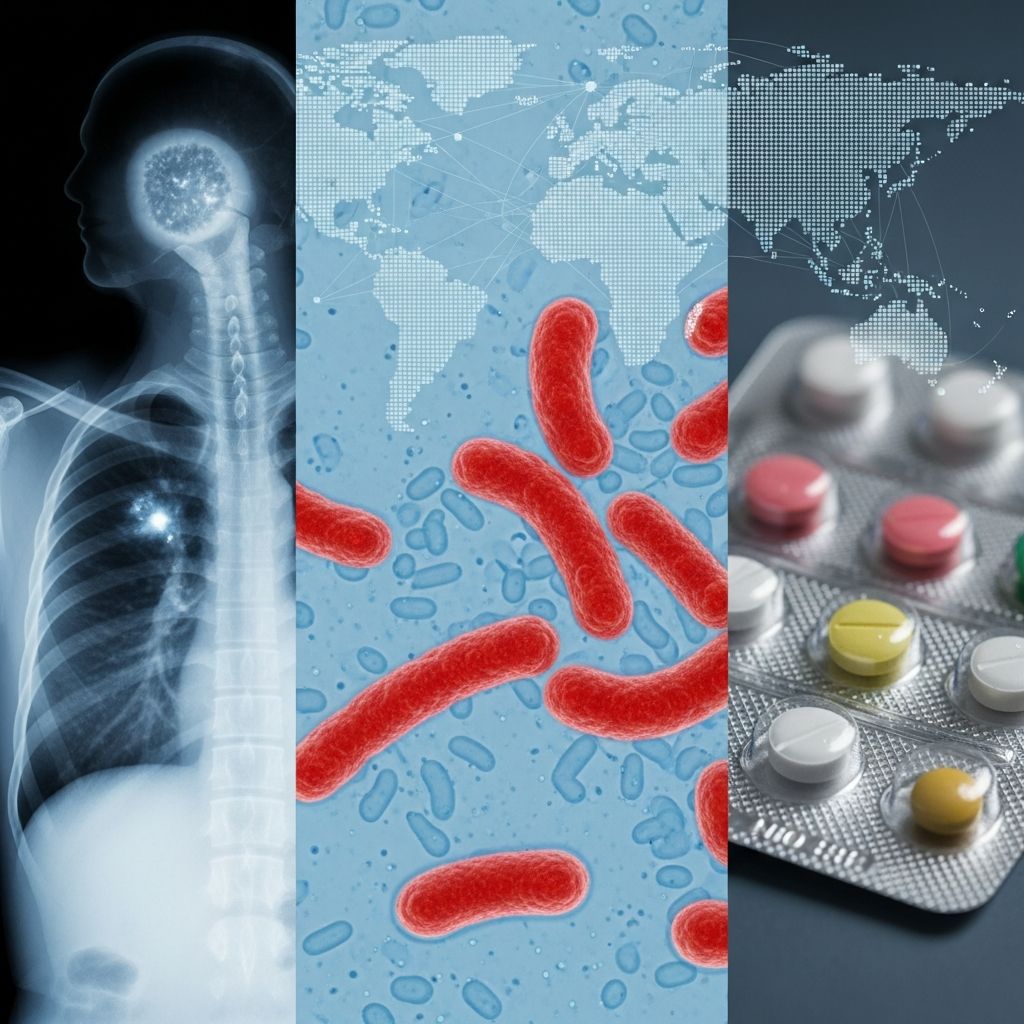
Tuberculosis (TB) remains one of the most significant infectious diseases affecting millions worldwide. Despite being a treatable condition, TB continues to pose serious health challenges globally. This comprehensive guide explores tuberculosis in detail, covering everything from its causes and symptoms to diagnosis, treatment options, and prevention strategies. Understanding TB is essential for patients, healthcare providers, and anyone at risk of exposure.
What Is Tuberculosis?
Tuberculosis is an infectious disease caused by the bacterium Mycobacterium tuberculosis. This pathogen primarily affects the lungs, though it can spread to other parts of the body, including the spine, bones, lymph nodes, and kidneys. TB is transmitted from person to person through airborne droplets when an infected individual coughs, sneezes, or speaks. Not everyone infected with TB bacteria develops the active disease; some people develop latent TB infection, meaning they carry the bacteria but show no symptoms and cannot transmit the infection to others.
The distinction between latent and active TB is crucial for understanding treatment approaches. People with latent TB infection are not contagious and typically feel well, but they may develop active TB disease if left untreated. Active TB, on the other hand, causes symptoms and can be transmitted to others.
Types of Tuberculosis
Latent Tuberculosis Infection (LTBI)
Latent TB infection occurs when a person has been infected with TB bacteria but the bacteria remain dormant in the body. Individuals with LTBI do not have symptoms, are not sick, and cannot spread TB to others. However, they may develop active TB disease later in life if their immune system weakens. LTBI is typically diagnosed through blood tests like the QuantiFERON-TB Gold Plus or skin tests such as the tuberculin skin test (TST).
Active Tuberculosis Disease
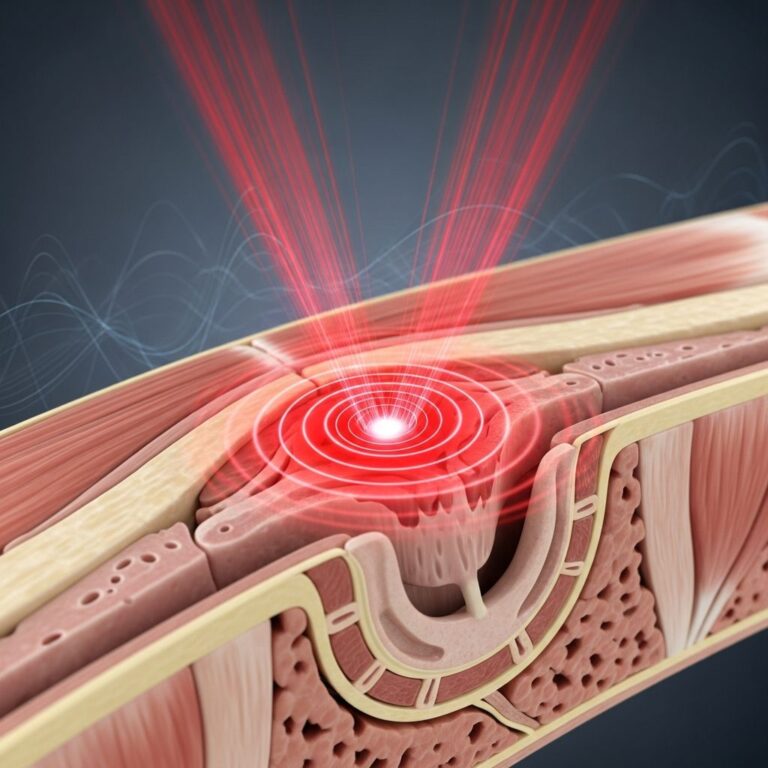
Active TB disease occurs when the TB bacteria multiply and cause symptoms in an infected person. This form is contagious and can spread to others. Active TB most commonly affects the lungs (pulmonary TB) but can affect other organs, including the spine in a condition known as Pott’s disease.
Symptoms of Tuberculosis
Recognizing TB symptoms is essential for early diagnosis and treatment. The signs of active tuberculosis typically develop gradually over weeks or months. Common symptoms include:
– A persistent cough lasting more than three weeks- Chest pain, especially when breathing or coughing- Fever and chills- Night sweats, often drenching enough to soak clothing- Fatigue and weakness- Loss of appetite and weight loss- Hemoptysis (coughing up blood or blood-tinged sputum)
It is crucial to seek medical attention if symptoms persist for more than a few weeks, particularly if you have risk factors for TB or have been exposed to someone with active TB.
Risk Factors for Tuberculosis
Certain groups of people are at higher risk of developing TB. Understanding these risk factors can help identify individuals who need testing and preventive measures. Risk factors include:
– Close contact with someone who has active TB disease- Weakened immune system due to HIV/AIDS or other conditions- Medical conditions like diabetes, kidney disease, or certain cancers- Immunosuppressive medications or biological agents used to treat autoimmune diseases- Healthcare workers with occupational exposure- Residents of homeless shelters or correctional facilities- Recent immigrants from countries with high TB prevalence- Substance abuse disorders- Malnutrition or poverty
Related Stories



Diagnosis of Tuberculosis
TB Testing Methods
Two primary methods are used to test for TB exposure: the skin test and the blood test. Both can determine if someone has been infected with TB bacteria, though they cannot distinguish between latent and active TB infection without additional testing.
Tuberculin Skin Test (TST)
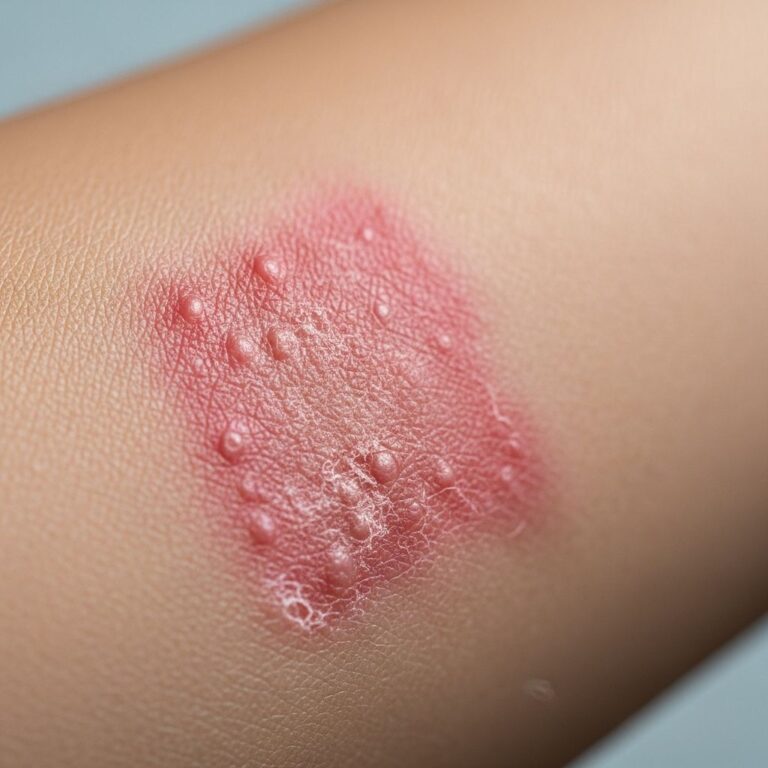
The tuberculin skin test, also known as the Mantoux test, involves injecting a small amount of purified protein derivative (PPD) fluid into the forearm. The test requires two visits. During the first visit, a healthcare provider injects the fluid under the skin. Within 48 to 72 hours, the patient returns for a second visit, where the healthcare provider measures and assesses any swelling and redness at the injection site. Firm swelling and redness may indicate TB infection. It is critical to return within 72 hours for accurate results; otherwise, the test must be repeated. People with weak immune systems or frail skin conditions may not have reliable skin test results.
TB Blood Tests
Blood tests, such as the QuantiFERON-TB Gold Plus, offer an alternative to skin testing. This test requires drawing blood into four specially prepared tubes and does not require a follow-up visit. The blood test can provide results without the need for repeat appointments and is unaffected by prior TB vaccination.
Additional Diagnostic Tests
If a TB test is positive, additional tests are necessary to determine whether the person has latent TB infection or active TB disease. A sputum test (testing a sample of coughed-up mucus) can help confirm active TB and is used to identify drug-resistant strains. Chest X-rays and CT scans may also be performed to visualize lung damage if TB is suspected.
Treatment of Tuberculosis
Active TB Treatment
Active tuberculosis is treatable with a combination of antibiotics prescribed by a healthcare provider. Treatment typically requires taking medications for at least six to nine months, sometimes longer. Patients must take medications exactly as prescribed to eliminate all TB bacteria. It is absolutely crucial to complete the entire course of treatment as directed, even if symptoms disappear. Stopping treatment prematurely can result in relapse and the development of drug-resistant TB.
Patients may begin feeling more energetic and notice fewer symptoms within a few weeks of starting treatment. However, completing the full treatment course takes significantly longer. The most commonly prescribed medications include isoniazid, rifampin, pyrazinamide, and ethambutol, though specific regimens may vary based on individual circumstances and drug sensitivity.
Latent TB Treatment
Treating latent TB infection is essential to prevent progression to active disease. One effective treatment option is a 12-week regimen of rifapentine and isoniazid given once weekly. This shorter regimen offers advantages over traditional longer courses by improving medication adherence and completion rates. Side effects may include orange-colored urine, saliva, or tears, which is normal and harmless.
Drug-Resistant Tuberculosis
Drug-resistant TB strains present significant treatment challenges. Multi-drug resistant TB (MDR-TB) resists at least isoniazid and rifampin, the two most potent anti-TB drugs. Treatment for drug-resistant TB requires longer courses (18–20 months or more) and more complex medication combinations, some of which may have more side effects. Healthcare providers use drug sensitivity testing to determine the most appropriate treatment regimen for drug-resistant cases.
Prevention of Tuberculosis
In Healthcare Settings
In hospitals and healthcare facilities, controlling TB transmission requires proper ventilation systems and use of personal protective equipment. Healthcare workers and patients must follow infection control protocols to minimize exposure to TB bacteria.
Personal Prevention Measures
Several strategies can reduce TB transmission and infection risk:
– Cover your mouth and nose when coughing or sneezing- Get tested if exposed to someone with active TB- Seek prompt treatment if diagnosed with TB- Complete the full course of preventive or treatment medications- Ensure proper ventilation in shared living spaces- Maintain a strong immune system through healthy diet and lifestyle- Get vaccinated with BCG vaccine if traveling to high-risk countries (though results vary)
Testing Requirements
Many institutions require TB testing for employment. Childcare centers, hospitals, schools, and other facilities often mandate TB screening for workers and volunteers. Regular testing is particularly important for those in high-risk occupations or settings.
Understanding TB Test Results
TB skin and blood tests provide either negative or positive results. It is important to remember that these tests only show if someone has been exposed to TB bacteria—not whether the infection is active or latent. False-positive results can occur in people who have received TB vaccination (BCG), though blood tests are more specific.
A positive result requires further evaluation with additional tests to determine the type of infection and appropriate treatment course. A negative result generally means no TB infection is present, though very recent exposure may not be detected immediately.
Complications of Tuberculosis
Untreated or inadequately treated TB can lead to serious complications affecting multiple organ systems. Pulmonary complications include cavitary lung disease, bronchiectasis, and hemoptysis. TB can spread to virtually any organ, including the brain, causing TB meningitis; the spine, causing Pott’s disease; bones and joints; the heart; and the kidneys. TB is a significant cause of mortality worldwide, making prompt diagnosis and treatment essential.
When to Seek Medical Care
If you experience symptoms of TB—such as a persistent cough, chest pain, and fever—or if you think you have been exposed to someone with active TB infection, it is important to see a healthcare provider as soon as possible. Early detection and treatment are crucial for successful outcomes and preventing transmission to others. TB can be deadly if not properly treated, but most cases can be cured with appropriate antibiotics taken as directed.
Frequently Asked Questions About Tuberculosis
Q: How is tuberculosis transmitted?
A: TB is spread through airborne droplets when an infected person coughs, sneezes, speaks, or sings. It cannot be spread through shaking hands, sharing food or drinks, or touching the skin.
Q: Can latent TB infection be cured?
A: Yes, latent TB infection can be effectively treated with preventive medication courses like the 12-week rifapentine and isoniazid regimen, preventing progression to active disease.
Q: How long does TB treatment take?
A: Active TB treatment typically requires at least 6 to 9 months of medication. Drug-resistant TB may require 18–20 months or longer. Latent TB can be treated with a 12-week weekly regimen.
Q: What happens if I stop TB treatment early?
A: Stopping treatment prematurely can result in relapse, incomplete bacterial elimination, and development of drug-resistant TB strains that are much harder to treat.
Q: Can TB be prevented?
A: While complete prevention is not always possible, risk can be reduced through prompt testing of exposed individuals, treatment of both latent and active TB, proper infection control in healthcare settings, and maintaining good ventilation in shared spaces.
Q: Is TB still a major health concern?
A: Yes, TB remains a significant global health challenge affecting millions of people. However, it is treatable when diagnosed early and managed with appropriate medication regimens.
References
- Mycobacterium tuberculosis by QuantiFERON TB Gold Plus — Cleveland Clinic Laboratories. 2025. https://clevelandcliniclabs.com/test/mycobacterium-tuberculosis-by-quantiferon-tb-gold-plus/
- Tuberculosis: Causes, Symptoms, Treatment & Prevention — Cleveland Clinic. 2024. https://my.clevelandclinic.org/health/diseases/11301-tuberculosis
- What Is a TB (Tuberculosis) Test? — Cleveland Clinic. 2024. https://my.clevelandclinic.org/health/diagnostics/22751-tuberculosis-tb-test
- 12 Weeks Therapy for Latent Tuberculosis Infection (LTBI) — Cleveland Clinic Abu Dhabi. 2025. https://www.clevelandclinicabudhabi.ae/en/health-hub/health-resource/diseases-and-conditions/directly-observed-therapy-regimen-for-latent-tuberculosis-infection
- Pott’s Disease (Spinal Tuberculosis): Symptoms & Treatment — Cleveland Clinic. 2025. https://my.clevelandclinic.org/health/diseases/potts-disease-spinal-tuberculosis
- How to Get Tested for Tuberculosis (TB): FAQ Guide — Quest Health. 2025. https://www.questhealth.com/articles/how-to-get-tested-for-tuberculosis-tb-faq-guide.html
- Guidelines for Preventing the Transmission of Mycobacterium tuberculosis — Centers for Disease Control and Prevention (CDC). 2005. https://www.cdc.gov/mmwr/preview/mmwrhtml/rr5417a1.htm
Similar Articles








Read full bio of medha deb