Tumor Lysis Syndrome: Causes, Symptoms, and Treatment
Understanding tumor lysis syndrome: A life-threatening emergency following cancer treatment.
Understanding Tumor Lysis Syndrome
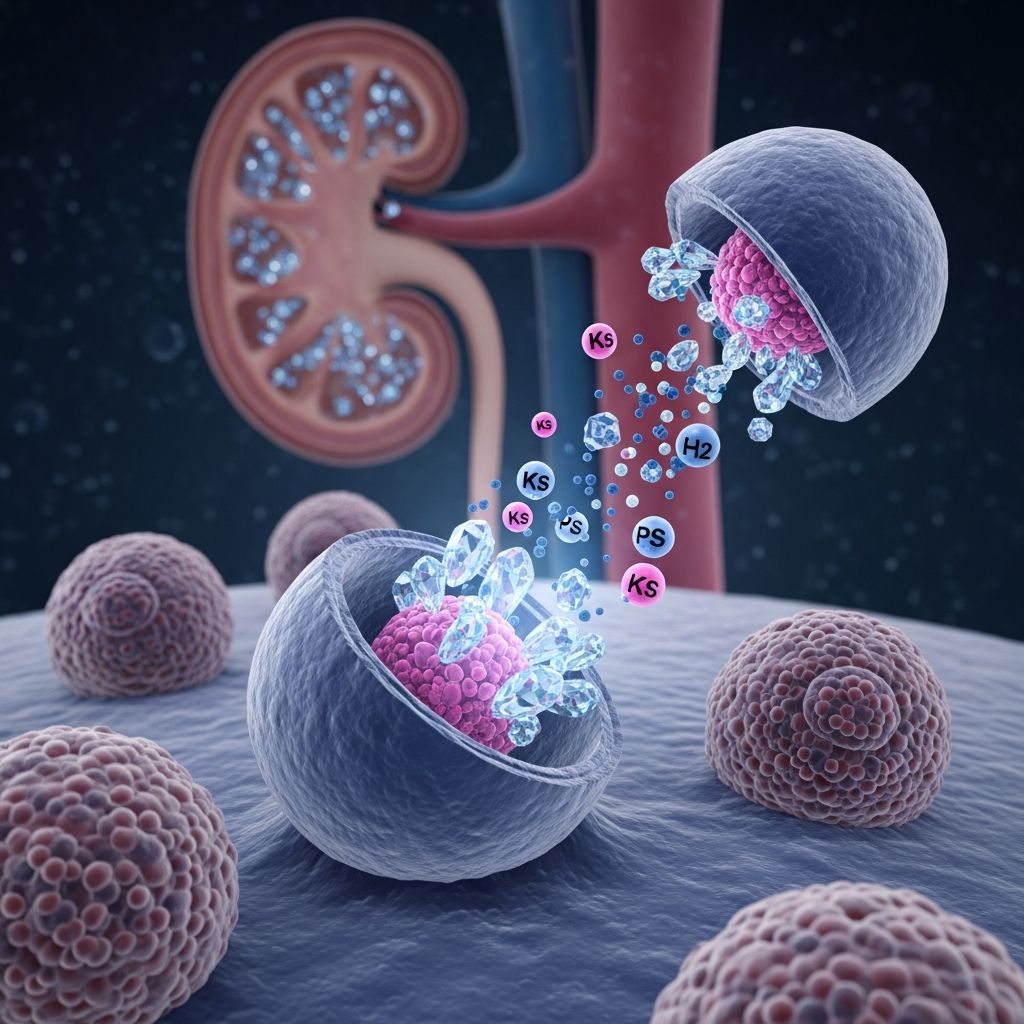
Tumor lysis syndrome (TLS) is a serious and potentially life-threatening complication that can develop within hours after cancer treatment begins. This medical emergency occurs when cancer cells die rapidly and release their contents into the bloodstream, overwhelming your body’s ability to maintain proper chemical balance. When dying cancer cells flood your circulation with toxic substances, including high levels of uric acid, potassium, and phosphate, while simultaneously causing low calcium levels, the result can be acute kidney failure and cardiac arrest if left untreated.
The condition represents one of the most critical oncologic emergencies, requiring immediate medical intervention and close monitoring. Healthcare providers recognize that successful cancer treatment can paradoxically trigger this dangerous complication, making awareness and prevention strategies essential for patient safety.
What Causes Tumor Lysis Syndrome?
Tumor lysis syndrome develops when substances stored inside cancer cells are rapidly released into your bloodstream during cancer treatment. Normally, your kidneys can filter and eliminate these substances efficiently. However, when cancer treatment destroys large numbers of cancer cells simultaneously, your kidneys become overwhelmed and cannot filter these toxic materials fast enough.
The primary causes of TLS include:
- Chemotherapy administration, the most common trigger
- Targeted therapy treatments
- Immunotherapy
- Steroid therapy
- Radiation therapy
- Spontaneous tumor breakdown in rapidly dividing cancers
Interestingly, TLS may occasionally occur before treatment even begins in patients with rapidly proliferating malignancies, making it essential for oncologists to assess risk factors before initiating any therapeutic intervention.
Risk Factors for Developing Tumor Lysis Syndrome
Certain patient and tumor characteristics significantly increase the likelihood of developing TLS. Understanding these risk factors allows healthcare teams to implement preventative measures before complications arise.
High-risk tumor characteristics include:
- Tumors with high proliferative rates (rapid cell division and growth)
- Tumors highly sensitive to chemotherapy
- Bulky disease or large tumor burden
- Metastatic or advanced malignancies
- Hematologic malignancies such as leukemia and lymphoma
Patient-related risk factors include:
- Preexisting kidney disease or reduced renal function
- Elevated lactate dehydrogenase (LDH) levels at baseline
- Preexisting hyperuricemia, hyperphosphatemia, or hyperkalemia
- Dehydration or poor kidney perfusion
While TLS is most commonly associated with hematologic malignancies treated with induction chemotherapy, it has been documented in patients with solid tumors including breast cancer, small cell lung cancer, germ cell tumors, gastrointestinal adenocarcinoma, and hepatocellular carcinoma. Particularly concerning are cases of high-grade endometrial cancer, where TLS carries an especially poor prognosis.
Metabolic Abnormalities in Tumor Lysis Syndrome
When cancer cells break down rapidly, they release their intracellular contents into circulation, creating several dangerous metabolic disturbances that characterize TLS:
Hyperuricemia occurs when excessive uric acid, a byproduct of cell death, floods the bloodstream. This can cause uric acid crystals to form in the kidneys, potentially leading to acute kidney injury.
Hyperkalemia develops when potassium released from dying cells accumulates in the blood. Dangerously high potassium levels can disrupt normal heart rhythm and cause life-threatening cardiac arrhythmias.
Hyperphosphatemia results from phosphate release from destroyed cells. This elevated phosphate can bind with calcium, causing secondary hypocalcemia.
Related Stories



Hypocalcemia occurs as calcium binds with excess phosphate. Low calcium levels can trigger muscle spasms, numbness, and potentially seizures.
Uremia develops when kidney function deteriorates, preventing normal elimination of metabolic waste products.
Patients may experience one or several of these abnormalities simultaneously, making comprehensive laboratory monitoring essential for early detection and treatment.
Recognizing Symptoms and Complications
The symptoms of tumor lysis syndrome can appear rapidly and escalate quickly. Early recognition is crucial for preventing serious complications.
Common symptoms include:
- Acute kidney injury with decreased urine output or dark urine
- Cardiac palpitations or irregular heartbeat
- Muscle weakness or cramping
- Numbness or tingling sensations
- Seizures (in severe cases)
- Nausea and vomiting
- Confusion or altered mental status
- Shortness of breath
Without prompt treatment, TLS can progress to severe complications including acute renal failure requiring dialysis, life-threatening cardiac arrhythmias, seizures, and sudden cardiac death. This is why immediate medical attention is absolutely critical when symptoms develop during or shortly after cancer treatment.
Diagnostic Criteria for Tumor Lysis Syndrome
Healthcare providers use established diagnostic criteria to identify and classify TLS. The most widely accepted criteria were proposed by Cairo and Bishop in 2004 and were refined by Howard and colleagues in 2011.
Laboratory TLS is defined by the presence of at least two metabolic abnormalities during the same 24-hour period that occur within three days before treatment or seven days after treatment begins. These laboratory abnormalities alone may not cause symptoms but indicate active cellular breakdown.
Clinical TLS occurs when laboratory abnormalities are accompanied by at least one clinical manifestation including acute kidney injury, cardiac arrhythmias, or seizures not attributable to other causes.
Spontaneous TLS refers to laboratory or clinical TLS occurring in patients with rapidly proliferating malignancies who have not received any cytotoxic intervention.
Accurate diagnosis requires careful laboratory assessment, typically including serum potassium, phosphate, calcium, uric acid, and creatinine levels. Urinalysis and urine electrolytes may also be evaluated. Healthcare providers monitor these values closely, particularly in high-risk patients.
Prevention Strategies
Because TLS can be so dangerous, oncology teams prioritize prevention before it develops. If you’re at risk for tumor lysis syndrome, your cancer care team will implement preventative measures before beginning treatment.
Prevention approaches include:
- Aggressive intravenous hydration to maintain adequate urine output and kidney perfusion
- Diuretics to promote uric acid elimination through the kidneys
- Uric acid-lowering medications such as allopurinol or rasburicase
- Electrolyte monitoring and correction before treatment begins
- Careful treatment planning to avoid sudden massive tumor cell death
- Assessment of baseline kidney function and electrolyte levels
Your oncology team will discuss your individual risk factors and explain what preventative measures they recommend. Don’t hesitate to ask questions about what to expect during your cancer treatment and how your medical team will monitor you for complications.
Treatment of Established Tumor Lysis Syndrome
If TLS develops despite preventative efforts, treatment focuses on protecting kidney function, reducing uric acid levels, and managing dangerous electrolyte abnormalities.
Uric acid management: Rasburicase, an enzyme that breaks down uric acid, is the preferred treatment for elevated uric acid in TLS. A single weight-based dose of rasburicase has been shown to be effective in preventing and treating hyperuricemia. This medication rapidly normalizes uric acid levels, preventing crystal formation in the kidneys.
Hydration therapy: Intravenous fluids are administered to maintain kidney perfusion, promote urine output, and dilute toxic substances in the circulation. However, fluid administration must be carefully balanced to avoid fluid overload.
Electrolyte management: Specific treatments target individual electrolyte abnormalities. Hyperkalemia may be managed with insulin, glucose, diuretics, or potassium-binding medications. Hypocalcemia is typically managed conservatively unless symptomatic. Hyperphosphatemia may be treated with phosphate binders.
Dialysis: Hemodialysis or other renal replacement therapy becomes necessary when kidney function is severely compromised. Dialysis is indicated for severe oliguria or anuria, persistent hyperkalemia unresponsive to medical management, symptomatic hypocalcemia from hyperphosphatemia, and intractable fluid overload. Importantly, the threshold for initiating dialysis in TLS is lower than for other causes of acute kidney injury due to the rapid development of severe hyperkalemia and its cardiac consequences.
Why Early Recognition Matters
TLS can develop rapidly, sometimes within hours of cancer treatment initiation. Early recognition of warning signs and prompt intervention can mean the difference between full recovery and life-threatening complications. This is particularly critical in cases of high-grade or metastatic malignancies, where TLS carries especially poor prognosis if not immediately addressed.
Recent case reports have demonstrated that even in patients with apparently hopeless situations, aggressive treatment including mechanical support, dialysis, and appropriate medical management can lead to survival when tumor lysis syndrome is rapidly recognized and treated decisively.
Living with Risk of Tumor Lysis Syndrome
If your cancer treatment carries a risk of TLS, your healthcare team will prepare you with important information about what to watch for. Understand that this is not a failure of treatment—rather, it reflects that your cancer is highly responsive to therapy. This is actually a positive indicator that your treatment is working effectively against the cancer cells.
Your healthcare team will monitor you closely during the initial treatment period. Report any unusual symptoms immediately, including heart palpitations, muscle cramps, decreased urination, numbness, confusion, or difficulty breathing. These could indicate developing TLS that requires immediate medical attention.
Frequently Asked Questions
Q: Is tumor lysis syndrome preventable?
A: Yes, in most cases. Oncologists identify patients at risk before treatment and implement preventative measures including hydration, medications to lower uric acid, and close monitoring to prevent TLS from developing.
Q: Can tumor lysis syndrome occur without chemotherapy?
A: Yes. TLS can occur with targeted therapy, immunotherapy, steroids, radiation therapy, and even spontaneously in patients with rapidly dividing tumors before any treatment begins.
Q: How quickly does tumor lysis syndrome develop?
A: TLS typically develops within hours to days after cancer treatment begins, though it can occasionally develop even before treatment is initiated in patients with extremely rapid tumor growth.
Q: What should I do if I experience symptoms after cancer treatment?
A: Contact your oncology team or go to the emergency department immediately if you experience heart palpitations, severe muscle cramps, decreased urine output, numbness, seizures, or confusion during or shortly after cancer treatment.
Q: Is tumor lysis syndrome always fatal?
A: No. With prompt recognition and aggressive treatment including hydration, medications, and dialysis if necessary, patients can recover from TLS. However, it remains a serious medical emergency requiring immediate intervention.
References
- Tumor lysis syndrome in advanced and high-grade endometrial cancer — National Center for Biotechnology Information. 2021. https://pmc.ncbi.nlm.nih.gov/articles/PMC8484496/
- Tumor Lysis Syndrome (TLS) — Cleveland Clinic — Cleveland Clinic. 2025. https://my.clevelandclinic.org/health/diseases/22854-tumor-lysis-syndrome
- Tumor Lysis Syndrome (HCP Education) — Oncolink, University of Pennsylvania. 2024. https://www.oncolink.org/healthcare-professionals/o-pro-portal/articles-about-cancer-treatment-and-medications/tumor-lysis-syndrome-hcp-education
- Medical Management of Tumor Lysis Syndrome — National Center for Biotechnology Information. 2015. https://pmc.ncbi.nlm.nih.gov/articles/PMC4447877/
- Study Supports Single-Dose Rasburicase for Tumor Lysis Syndrome — Cleveland Clinic. 2024. https://consultqd.clevelandclinic.org/study-supports-single-dose-rasburicase-for-tumor-lysis-syndrome
Similar Articles








Read full bio of Sneha Tete