Turkey Tail Mushroom Benefits: 5 Evidence-Based Uses
Explore the science-backed benefits of turkey tail mushrooms for immune support, cancer adjunct therapy, gut health, and more.
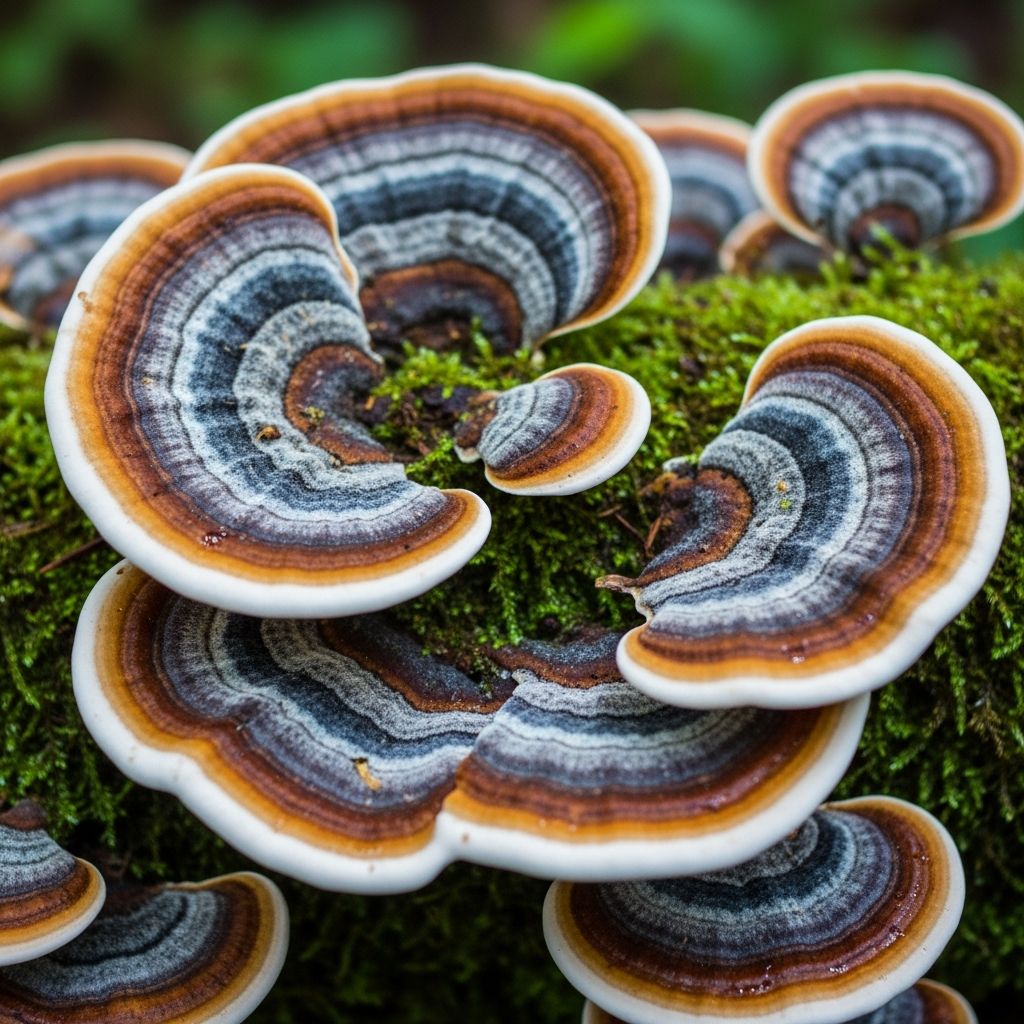
Turkey tail mushroom (Trametes versicolor), a colorful bracket fungus commonly found on decaying wood, has been used in traditional Chinese and Japanese medicine for centuries as an immune tonic. Modern research highlights its key compounds—polysaccharide-K (PSK) and polysaccharopeptide (PSP)—which exhibit immunomodulatory, anticancer, antioxidant, and gut health-promoting properties. In Japan, PSK is approved as an adjunct cancer therapy, with studies showing improved survival and reduced chemotherapy side effects. This article examines the evidence-based benefits, uses, safety, and more.
What Is Turkey Tail Mushroom?
Turkey tail, named for its vibrant, multicolored bands resembling a turkey’s tail feathers, grows worldwide on dead hardwood trees and stumps. Scientifically known as Trametes versicolor (formerly Coriolus versicolor), it thrives in temperate forests and is harvested wild or cultivated for supplements. Unlike culinary mushrooms, turkey tail is primarily medicinal, consumed as teas, extracts, capsules, or powders.
Its bioactive components include beta-glucans, polysaccharides, flavonoids, and phenolic compounds. PSK and PSP are protein-bound polysaccharides extracted via hot water or ethanol, responsible for most studied effects. These compounds stimulate immune cells without overactivation, acting as “nonspecific immune modulators”. Turkey tail also contains antioxidants like superoxide dismutase (SOD) and catalase precursors, contributing to its neuroprotective potential.
5 Benefits of Turkey Tail Mushrooms
1. Immune System Support
Turkey tail excels in boosting immunity by stimulating cytokine production, natural killer (NK) cells, T-cells, and B-cells. PSK increases white blood cell counts, hemoglobin, platelets, neutrophils, IgG, IgM, and CD4+ T-cells, particularly during chemotherapy-induced immunosuppression. Preclinical studies show enhanced antitumor immune responses via pro-inflammatory cells. Human trials confirm improved immune function in lung and gastric cancer patients. A review notes its role in modulating gut-associated lymphoid tissue for broader immunity.
2. Anticancer Properties
Possibly effective as an adjunct therapy, PSK improves chemotherapy response in gastric, breast, colorectal, and lung cancers. Meta-analyses report prolonged survival (OR 1.66 for disease-free survival up to 7 years) when combined with chemo, driven by immune enhancement. In gastric cancer trials with 918 and 349 patients, PSK prevented lymph node metastasis, improved antitumor immunity in PD-L1 negative cases, and boosted survival post-resection. Breast cancer case reports show long-term remission with 8g/day alongside Taxol/Herceptin. Preclinical models demonstrate 36% tumor reduction and 70% less lung metastasis. PSK is approved in Japan for this use.
3. Gut Health and Microbiome Balance
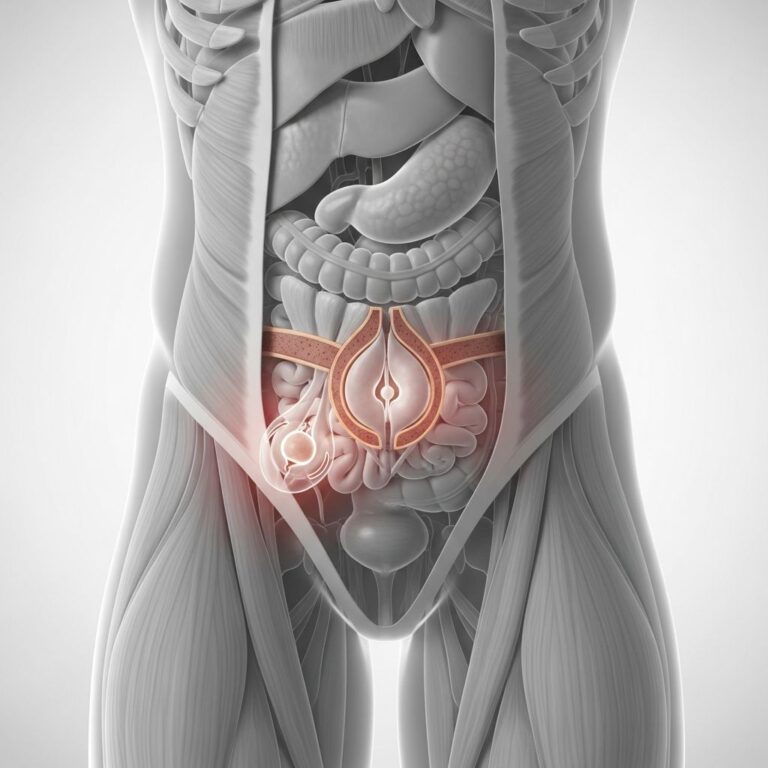
Rich in prebiotic fiber, turkey tail promotes beneficial gut bacteria while exhibiting antibacterial effects against pathogens like E. coli, Salmonella, and C. albicans. A 2017 review found it alters the microbiome, aiding digestion and regulation. In colitis models, ethanol extracts (70 mg/kg) reduced symptoms via increased anti-inflammatory IL-10 and decreased pro-inflammatory cytokines. It may alleviate chemotherapy-induced diarrhea.
4. Antioxidant and Neuroprotective Effects
Compounds provide antioxidant activity, elevating SOD and catalase, reducing brain inflammation (TNFα), and improving Y-maze/step-through performance in aging models. Flavonoid combinations (37.5-45 mg/kg) mitigated hyperchromatic nuclei and oxidative stress. This suggests potential against neurodegenerative diseases, though human data is limited.
5. Other Potential Benefits
- Bone Health: In diabetic rats, mycelium powder (500 mg/kg) increased bone density, load, and stiffness; reduced bone loss in metastatic breast cancer models (1 g/kg).
- Pain Relief: Reduced formalin-induced pain via lowered COX-2 and PGE2 in rats.
- Antiviral/Antifungal: Lab studies show activity against HIV, HPV, HSV, and fungi.
- Fatigue/UTIs: Traditional uses, but limited evidence.
How to Take Turkey Tail Mushroom
Related Stories



Typical doses: 1-3g/day powdered mushroom; 3g/day PSK (clinical trials); 4-8g/day extracts for cancer support. Forms include capsules (500mg-1g), teas (1-2 tsp simmered 20-30 min), tinctures (1-2ml), or dual-extracted powders. Cycle 4-12 weeks with breaks. Consult a doctor for cancer/therapy use. Start low to assess tolerance.
| Form | Dosage | Best For |
|---|---|---|
| Capsules/Powder | 1-3g/day | Daily immune support |
| PSK Extract | 3g/day | Cancer adjunct |
| Tea | 1-2 tsp/8oz water | Gut health |
Turkey Tail Mushroom Side Effects
Generally safe with a strong record; mild GI upset (nausea, bloating) in some. Rare allergic reactions in mushroom-sensitive individuals. No reported drug interactions, but immunostimulatory effects may enhance chemo while reducing suppression. Avoid in autoimmune diseases without supervision. Pregnant/lactating: insufficient data.
Turkey Tail Mushrooms and Cancer
Extensive research supports adjunct use. RCTs show immune/hematological improvements, symptom reduction, and survival gains in various cancers. PSK shortens bone marrow suppression, boosts NK activity. Not a standalone cure; complements standard care.
Frequently Asked Questions (FAQs)
Is turkey tail mushroom safe?
Yes, with few side effects; well-tolerated in trials up to 9g/day.
Can turkey tail cure cancer?
No, but PSK improves chemo outcomes and survival as adjunct.
How long to see benefits?
Immune effects in weeks; cancer support in months with consistent use.
Where to buy turkey tail?
Reputable supplement brands with third-party testing for purity.
Does it interact with medications?
Unlikely, but monitor with immunosuppressants.
References
- 7 Medicinal Mushroom Benefits For Health — Dr. Neely North. 2023. https://drneelynorth.com/blog/7-medicinal-mushroom-benefits-for-health/
- TURKEY TAIL MUSHROOM – Uses, Side Effects, and More — WebMD. 2024-01-15. https://www.webmd.com/vitamins/ai/ingredientmono-648/turkey-tail-mushroom
- Turkey Tail Mushrooms — Alzheimer’s Drug Discovery Foundation. 2023. https://www.alzdiscovery.org/uploads/cognitive_vitality_media/Turkey_Tail_Mushrooms.pdf
- Therapeutic Effects of Medicinal Mushrooms on Gastric, Breast… — NIH/PMC. 2023-05-01. https://pmc.ncbi.nlm.nih.gov/articles/PMC10183216/
- Turkey tail mushrooms act as nonspecific immune modulators — UCLA Health. 2023. https://www.uclahealth.org/news/article/turkey-tail-mushrooms-act-as-nonspecific-immune-modulators
- Health benefits of turkey tail mushrooms — Medical News Today. 2024-03-20. https://www.medicalnewstoday.com/articles/turkey-tail-mushroom
Similar Articles








Read full bio of Sneha Tete