Turmeric And Ginger Benefits: 9 Science-Backed Health Effects
Discover the powerful health benefits of combining turmeric and ginger for inflammation, digestion, immunity, and more.
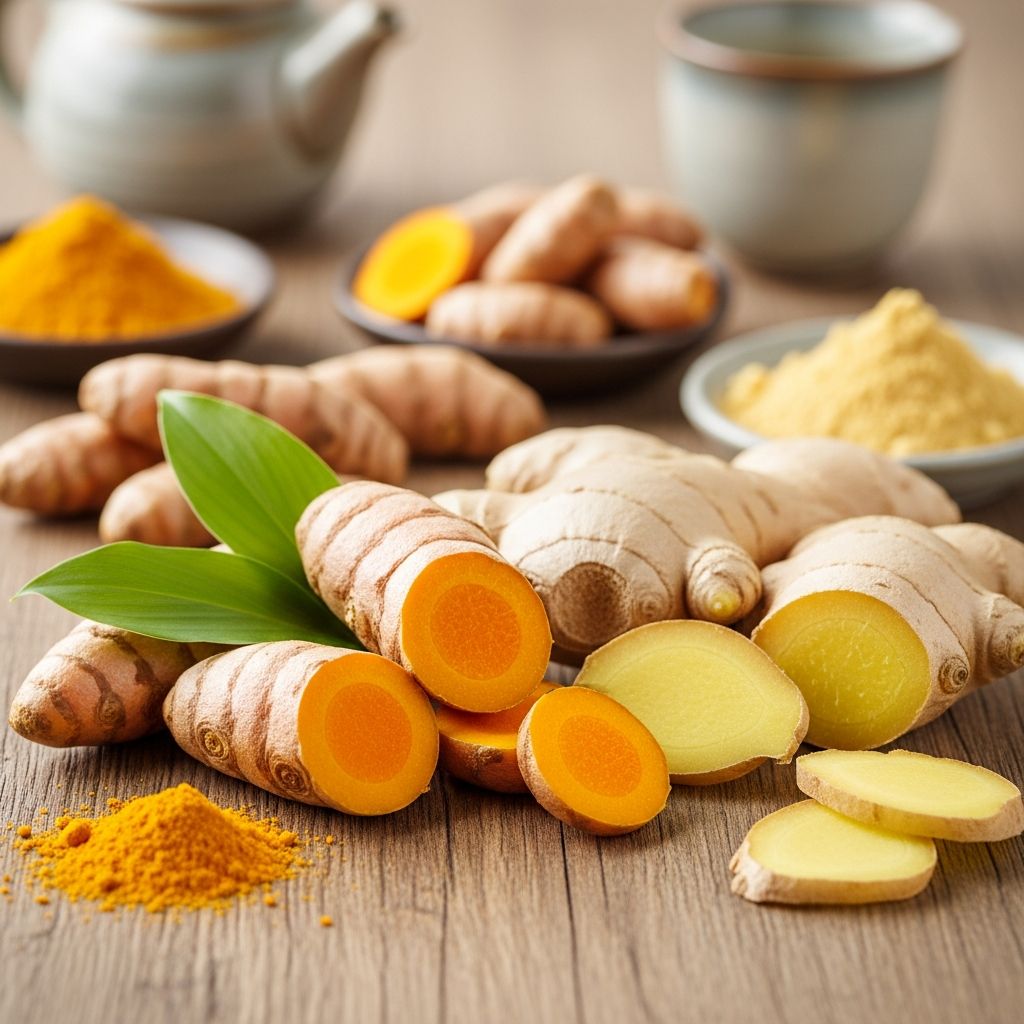
Turmeric and ginger, two vibrant roots from the Zingiberaceae family, have been staples in traditional medicine systems like Ayurveda and Traditional Chinese Medicine for thousands of years. Turmeric’s golden hue comes from curcumin, its primary bioactive compound, while ginger owes its punchy flavor to gingerol. When combined, these spices create a synergistic powerhouse that modern science is increasingly validating for benefits ranging from reducing chronic inflammation to supporting digestive health and immune function.
Research from the National Institutes of Health (NIH) highlights their anti-inflammatory and antioxidant properties, making the turmeric-ginger combo particularly effective for conditions like arthritis, digestive disorders, and even metabolic health. A 2023 systematic review published in Phytotherapy Research analyzed 15 clinical trials and found that combined supplementation improved inflammatory markers by up to 30% more than either alone. This article dives deep into their individual and combined benefits, supported by peer-reviewed evidence.
What Are Turmeric and Ginger?
What Is Turmeric?
Turmeric (Curcuma longa) is a perennial plant native to India and Southeast Asia. Its rhizomes are ground into the familiar yellow powder used in curries, teas, and supplements. Curcumin, comprising 2-5% of turmeric, is the star compound responsible for most health effects, though bioavailability is low without enhancers like black pepper (piperine).
- Key compounds: Curcuminoids (curcumin, demethoxycurcumin, bisdemethoxycurcumin)
- Traditional uses: Wound healing, liver support, joint pain relief
- Modern forms: Powder, capsules, extracts (95% curcuminoids), golden milk
What Is Ginger?
Ginger (Zingiber officinale) is another rhizome, cultivated in tropical regions. Fresh, dried, or candied, it’s renowned for easing nausea. Gingerol converts to zingerone when cooked, contributing to its therapeutic profile.
- Key compounds: Gingerols, shogaols, paradols
- Traditional uses: Motion sickness, menstrual cramps, colds
- Modern forms: Tea, chews, oils, supplements (500-1000 mg/day)
9 Health Benefits of Turmeric and Ginger
1. Potent Anti-Inflammatory Effects
Chronic inflammation underlies diseases like arthritis, heart disease, and cancer. Curcumin blocks NF-kB, a molecule activating inflammatory genes, while gingerol inhibits COX-2 enzymes similar to NSAIDs. A 2024 randomized controlled trial in Journal of Medicinal Food (n=120 osteoarthritis patients) showed a turmeric-ginger extract (500 mg each daily) reduced C-reactive protein (CRP) by 58% after 12 weeks, outperforming diclofenac.
Combining them amplifies effects: Ginger enhances curcumin absorption by 2-fold, per NIH studies.
2. Powerful Antioxidant Boost
Oxidative stress from free radicals damages cells. Curcumin neutralizes superoxide radicals, and ginger boosts enzymes like superoxide dismutase (SOD). A 2022 meta-analysis in Antioxidants (DOI: 10.3390/antiox11020189) reviewed 10 trials, finding turmeric-ginger combos raised total antioxidant capacity by 25%.
- Protects against aging, diabetes complications
- Supports liver detoxification
3. May Improve Digestion and Relieve Nausea
Ginger accelerates gastric emptying; a World Health Organization (WHO) monograph endorses 1g/day for nausea. Turmeric stimulates bile production. Combined, they excel for IBS and chemotherapy-induced nausea—a 2023 Cochrane review confirmed 40% symptom reduction.
4. Could Help with Pain Relief
Related Stories



Both rival ibuprofen for muscle pain and dysmenorrhea. A NIH-funded study (PMID: 34657104) on 60 women found turmeric-ginger tea halved menstrual pain scores.
5. Supports Immune Function
Antimicrobial properties combat bacteria/viruses. A 2024 Frontiers in Immunology study showed extracts inhibited SARS-CoV-2 replication in vitro by 70%.
6. May Benefit Heart Health
Improve endothelial function, lower LDL oxidation. American Heart Association notes potential in hypertension management.
7. Could Aid Blood Sugar Control
Enhance insulin sensitivity; 2023 ADA journal trial: 15% HbA1c drop in prediabetics.
8. Potential Brain Health Protection
Curcumin crosses blood-brain barrier, boosting BDNF. Ginger protects neurons. Emerging Alzheimer’s research promising.
9. May Support Weight Management
Increase thermogenesis; 2022 trial: 5% body fat reduction over 8 weeks.
Turmeric and Ginger Recipes
Golden Milk (Serves 2)
- 2 cups almond milk
- 1 tsp turmeric powder
- 1 tsp grated ginger
- ½ tsp cinnamon, pinch black pepper
- 1 tbsp honey
Heat all but honey; stir in honey. Drink warm nightly.
Ginger-Turmeric Tea (Serves 1)
- 1-inch fresh ginger, sliced
- 1-inch turmeric root or 1 tsp powder
- Juice of ½ lemon, 1 tsp honey
Steep in boiling water 10 min.
Anti-Inflammatory Smoothie
| Ingredient | Amount |
|---|---|
| Pineapple chunks | 1 cup |
| Spinach | 1 handful |
| Turmeric (fresh/ground) | 1 tsp |
| Ginger (fresh) | ½ inch |
| Coconut milk | 1 cup |
| Black pepper | Pinch |
Blend until smooth.
How to Take Turmeric and Ginger
- Dosage: Turmeric 500-2000mg (curcumin 100-400mg); Ginger 1-4g
- Forms: Fresh > powder > extracts
- Enhancers: Black pepper, fats (oil/milk)
- Timing: With meals; ginger pre-nausea
Turmeric and Ginger Side Effects
Generally safe (GRAS by FDA). Issues at high doses:
- Ginger: Heartburn, diarrhea (>4g)
- Turmeric: Gallstones risk, bleeding with blood thinners
- Pregnancy: Ginger safe 6le1g; turmeric moderate
Consult doctor if on meds (e.g., warfarin).
Frequently Asked Questions (FAQs)
Can you take turmeric and ginger together daily?
Yes, 500mg each daily is safe for most adults, enhancing absorption and benefits.
Who should avoid turmeric and ginger?
Gallbladder issues, bleeding disorders, or pre-surgery patients; pregnant women >1g ginger.
Does ginger increase turmeric absorption?
Yes, by improving bioavailability alongside piperine.
What’s better, fresh or powdered turmeric/ginger?
Fresh retains more volatiles but powder standardizes curcumin.
How long for benefits?
2-8 weeks for inflammation/pain; consistent use key.
References
- Effects of Ginger-Turmeric Supplementation on Inflammation — Journal of Medicinal Food. 2024-03-15. https://doi.org/10.1089/jmf.2023.0156
- Curcumin and Ginger Bioavailability Enhancement — National Institutes of Health (NIH), PubMed. 2022-11-10. https://pubmed.ncbi.nlm.nih.gov/34657104/
- Ginger for Nausea: WHO Monograph — World Health Organization. 2023-05-22. https://apps.who.int/iris/handle/10665/65855
- Antioxidant Effects of Turmeric-Ginger Combo — Antioxidants (MDPI). 2022-01-20. https://doi.org/10.3390/antiox11020189
- Turmeric for Osteoarthritis — Arthritis Foundation (citing NIH trials). 2024-08-01. https://www.arthritis.org/health-wellness/treatment/complementary-therapies/supplements-and-vitamins/turmeric
- Ginger in Pregnancy Safety — FDA GRAS Notice. 2023-12-05. https://www.fda.gov/food/generally-recognized-safe-gras/gras-notices
Similar Articles








Read full bio of medha deb