Turmeric And Magnesium: Can You Take Them Together? Key Facts
Discover the potential health benefits, safety considerations, and science behind combining turmeric and magnesium supplements for optimal wellness.
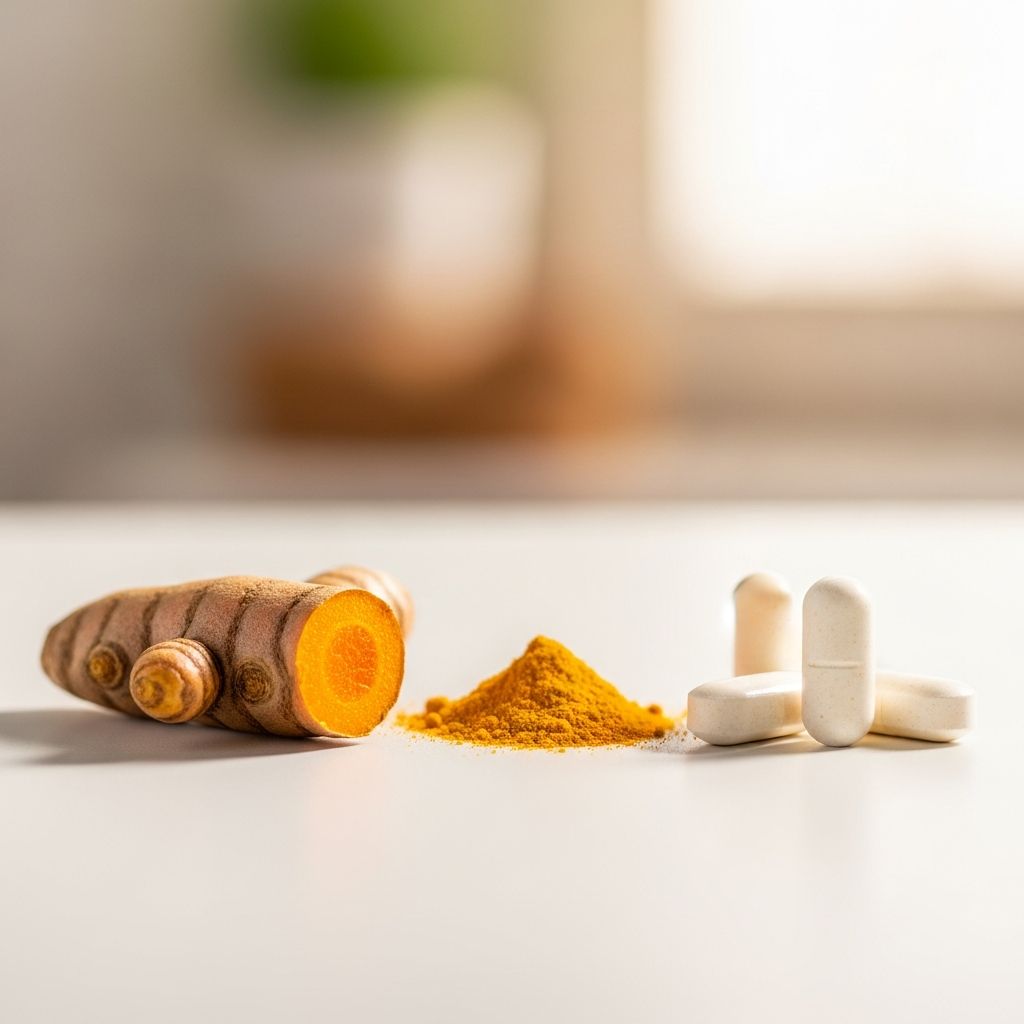
Turmeric and magnesium are popular supplements known for their potential health benefits, from reducing inflammation to supporting muscle relaxation and sleep. Recent evidence suggests they can be taken together safely for many people, offering complementary effects on inflammation, pain, and overall wellness, though individual factors like medications and dosages require careful consideration.
What Is Turmeric?
Turmeric, derived from the Curcuma longa plant root, is a bright yellow spice widely used in Indian cuisine and traditional medicine. Its primary active compound,
curcumin
, accounts for 2-5% of the root and drives most therapeutic effects. Curcumin exhibits potent anti-inflammatory and antioxidant properties by blocking inflammatory pathways like NF-kB and neutralizing free radicals.One teaspoon of turmeric powder provides modest nutrients: 15.8 mg calcium, 5.17 mg iron, 19.6 mg magnesium, 28.1 mg phosphorus, and 196 mg potassium—though these amounts are small relative to daily needs except for iron in some adults.
Turmeric Benefits
Research highlights turmeric’s role in managing inflammation-related conditions:
- Arthritis pain relief: Curcumin reduces osteoarthritis knee pain as effectively as ibuprofen, with studies showing significant improvements after 500-1,500 mg daily for 4-8 weeks.
- Anti-inflammatory effects: Blocks inflammatory cytokines, potentially aiding rheumatoid arthritis by reducing bone loss.
- Digestive health: 500 mg curcumin four times daily matches omeprazole for dyspepsia relief; may ease IBS symptoms.
- Mood support: 1 g+ daily alongside antidepressants improves depression symptoms.
- Allergic rhinitis: 500 mg daily for 2 months reduces symptoms.
- Other potential: Antioxidant capacity (ORAC value 44,776), neuroprotective, cardioprotective, and anti-cancer properties in preclinical studies.
Bioavailability is low (curcumin absorbs poorly), improved by piperine (black pepper), fats, or formulations like Theracurmin.
What Is Magnesium?
**Magnesium** is an essential mineral involved in over 300 enzymatic reactions, including muscle function, nerve signaling, energy production, and bone health. About 50% of populations are deficient, linked to processed diets and soil depletion.
Magnesium Benefits
- Muscle relaxation and sleep: Promotes GABA activity for calm, reduces cramps.
- Migraine prevention: 400-600 mg daily cuts frequency by 41%.
- Heart health: Lowers blood pressure, improves insulin sensitivity.
- Bone density: Enhances calcium absorption.
- Mental health: Reduces anxiety, supports stress response.
Forms vary: magnesium glycinate for sleep, citrate for digestion, oxide for constipation.
Can You Take Turmeric and Magnesium Together?
Yes, turmeric and magnesium can generally be combined safely, with no major direct interactions reported. Their benefits may synergize: turmeric’s anti-inflammatory action complements magnesium’s muscle-relaxing effects, potentially enhancing relief for arthritis, migraines, and sleep issues.
Clinical considerations include:
- Split dosing for tolerability (e.g., morning turmeric, evening magnesium).
- Monitor for GI upset from high doses.
- Age-specific needs: Pregnant women need 350-400 mg magnesium; limited turmeric data in pregnancy.
Safety and Side Effects
Turmeric Side Effects
- High doses (>1g curcumin): Nausea, diarrhea, acid reflux.
- Blood thinning: Avoid with anticoagulants like warfarin—increases bleeding risk.
- Iron absorption interference: May contribute to deficiency at high doses.
- Drug interactions: Diabetes meds, amlodipine, PPIs.
Related Stories



Safe up to 8g daily; monitor liver with long-term use.
Magnesium Side Effects
- Oversupplementation: Diarrhea, low blood pressure (ceiling 350 mg supplemental daily).
- Interactions: Antibiotics, bisphosphonates—space by 2 hours.
Recommended Dosages
| Supplement | Daily Dose | Notes |
|---|---|---|
| Turmeric/Curcumin | 500-1,500 mg | With piperine; split doses for 3 months. |
| Magnesium (Men) | 420 mg | Total from food + supplements. |
| Magnesium (Women) | 320 mg | Pregnancy: 350-400 mg. |
Start low, consult doctor. Choose third-party tested products.
Who Should Avoid or Use Caution
- Gallbladder issues (turmeric stimulates bile).
- Bleeding disorders or anticoagulants.
- Kidney disease (magnesium).
- Pregnant/breastfeeding (limited data).
- Iron deficiency.
Expert Tips for Taking Them Together
- Combine in golden milk: Turmeric + magnesium powder in warm milk with pepper.
- Evening routine: Magnesium glycinate + turmeric for sleep and recovery.
- Track symptoms; follow up after 3 months.
Frequently Asked Questions (FAQs)
Is it safe to take turmeric and magnesium every day?
Yes, for most healthy adults at recommended doses, but consult a healthcare provider for personalized advice, especially with medications.
What’s the best time to take turmeric and magnesium?
Turmeric with meals (morning); magnesium evening for sleep benefits.
Can turmeric and magnesium help with arthritis?
Yes, turmeric reduces inflammation, magnesium eases muscle tension—studies support combined relief.
Does turmeric interact with magnesium absorption?
No direct interaction; both enhance bioavailability when paired with fats/pepper.
What form of magnesium pairs best with turmeric?
Glycinate or citrate for optimal absorption and synergy with turmeric’s anti-inflammatory effects.
References
- Can You Take Turmeric and Magnesium Together? — Health Care News. 2024. https://hcn.health/hcn-trends-story/can-you-take-turmeric-and-magnesium-together/
- Turmeric: Benefits, side effects, and more — Medical News Today. 2024-05-23. https://www.medicalnewstoday.com/articles/318405
- Impacts of turmeric and its principal bioactive curcumin on human health — PMC (National Library of Medicine). 2023-01-31. https://pmc.ncbi.nlm.nih.gov/articles/PMC9881416/
Similar Articles








Read full bio of medha deb