Turmeric Benefits: A Look at the Evidence
Exploring the science behind turmeric's health benefits and practical applications.
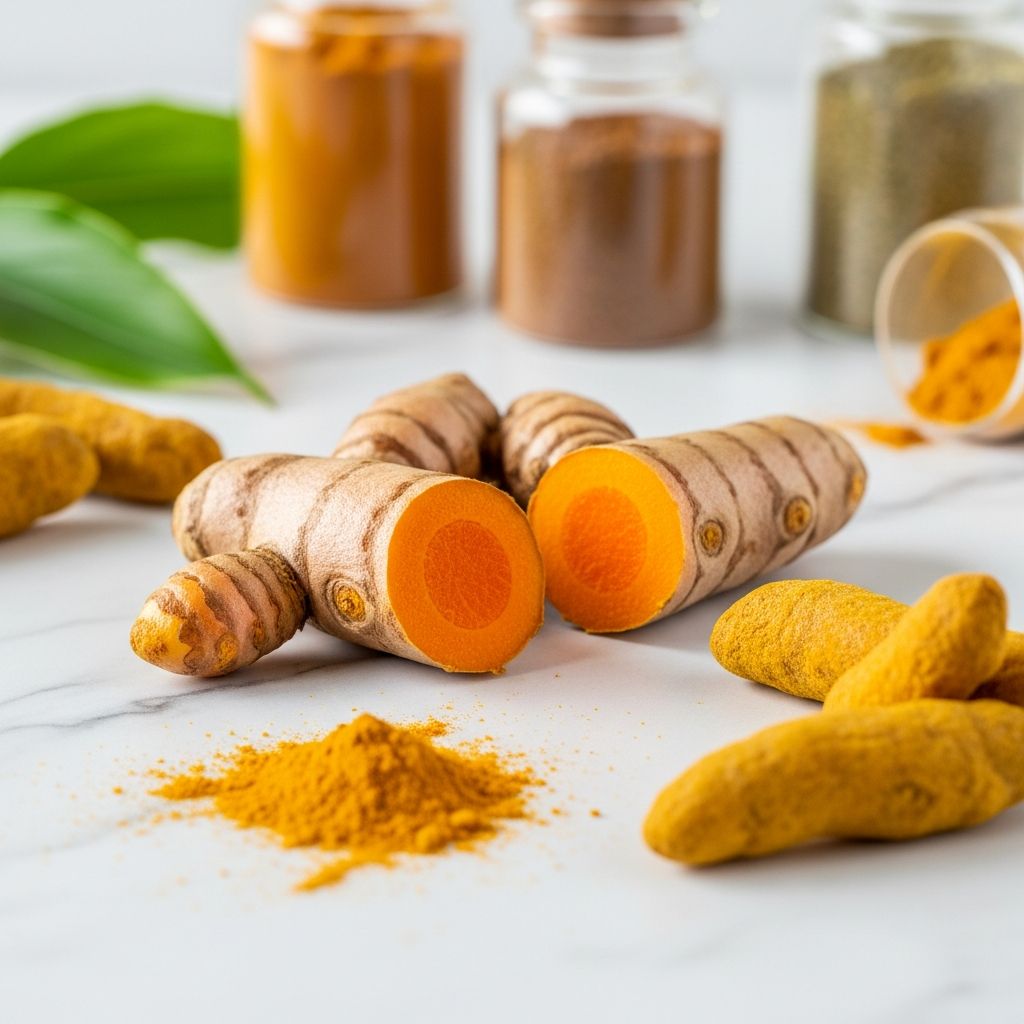
Turmeric, a vibrant golden spice derived from the Curcuma longa plant, has been a cornerstone of traditional medicine for centuries, particularly in Ayurvedic and Chinese medical practices. In recent years, scientific research has begun to validate many of the health claims associated with this ancient remedy. The active compound in turmeric, curcumin, has become the focus of numerous clinical studies examining its potential therapeutic applications. This comprehensive guide explores what modern science reveals about turmeric’s health benefits, the evidence supporting its use, and practical guidance for incorporating it into your wellness routine.
Understanding Turmeric and Curcumin
Turmeric contains a bioactive compound called curcumin, which is responsible for many of its health-promoting properties. Kitchen turmeric typically contains 2-9% curcumin by weight, while concentrated supplements can reach concentrations of up to 95%. The curcumin in turmeric exhibits potent anti-inflammatory, antioxidant, and anticancer properties that researchers are actively investigating. Understanding the difference between whole turmeric spice and concentrated curcumin supplements is important for determining appropriate dosages and expected effects.
The bioavailability of curcumin—how effectively your body absorbs and utilizes it—is a key consideration when using turmeric for health benefits. Research indicates that combining turmeric with black pepper (which contains piperine) or healthy fats can significantly enhance curcumin absorption. Piperine increases curcumin bioavailability by up to 2000%, making this combination particularly effective for therapeutic applications.
Anti-Inflammatory Benefits
One of the most well-documented benefits of turmeric is its powerful anti-inflammatory action. Chronic inflammation is a silent driver of many modern diseases, including heart disease, diabetes, autoimmune disorders, and certain cancers. Curcumin acts as a potent anti-inflammatory agent by blocking molecules that trigger inflammatory responses in the body. Research indicates that curcumin’s anti-inflammatory effects operate at a level comparable to some pharmaceutical anti-inflammatory drugs, but without the associated side effects.
Studies have shown that regular turmeric consumption can help reduce inflammation throughout the body, providing relief for individuals suffering from inflammatory conditions. The anti-inflammatory properties make turmeric particularly valuable for those seeking natural alternatives to conventional anti-inflammatory medications, especially for long-term use where side effects become a concern.
Heart Health Support
Cardiovascular health represents one of the most significant applications of turmeric supplementation supported by scientific evidence. Turmeric supports heart health through multiple mechanisms, making it a comprehensive natural approach to cardiovascular wellness.
Improving Blood Vessel Function
The endothelium, a single layer of cells lining blood vessels, plays a critical role in regulating blood flow, preventing clotting, and maintaining overall cardiovascular health. When endothelial function deteriorates, the risk of heart disease increases significantly. Curcumin improves endothelial function by increasing the bioavailability of nitric oxide, a signaling molecule that promotes blood vessel relaxation and dilation. This mechanism is similar to the cardiovascular benefits derived from exercise, making turmeric a valuable dietary complement to physical activity. Improved blood vessel flexibility reduces arterial strain and facilitates smoother blood flow throughout the body.
Managing Cholesterol Levels
High levels of low-density lipoprotein (LDL) cholesterol and triglycerides represent major risk factors for heart disease. Research published in Clinical Nutrition (2014) demonstrates that curcumin positively affects blood lipid profiles through two key mechanisms: it lowers total and LDL cholesterol levels while potentially increasing high-density lipoprotein (HDL) cholesterol, commonly known as “good” cholesterol. The proposed mechanism involves curcumin’s ability to reduce cholesterol absorption in the gut by increasing the activity of liver receptors that clear LDL from the bloodstream, effectively maintaining cleaner arteries and reducing plaque formation risk.
Antioxidant and Anti-Clotting Benefits
Oxidative stress, caused by an imbalance between harmful free radicals and the body’s antioxidant defenses, significantly contributes to aging and heart disease progression. When LDL cholesterol oxidizes, it becomes considerably more damaging to arterial walls. Curcumin functions as a potent antioxidant that not only neutralizes free radicals directly but also stimulates the body’s own antioxidant enzyme production, creating dual-layer protection against oxidative damage. This comprehensive antioxidant action helps preserve the health and functionality of heart tissue and blood vessels over extended periods.
Related Stories



Blood Pressure Regulation
Hypertension forces the heart to work harder, potentially leading to a thickened and weakened heart muscle over time. Through its endothelial-enhancing properties, curcumin promotes vasodilation—the widening of blood vessels—through nitric oxide release. When blood vessels remain relaxed and dilated, the heart requires less effort to circulate blood throughout the body, reducing overall cardiovascular workload and helping preserve heart strength and structural integrity.
Diabetes and Metabolic Health Management
For individuals managing prediabetes or type 2 diabetes, turmeric presents a promising natural complementary approach. A comprehensive meta-analysis published in Nutrition & Diabetes examined 20 clinical trials investigating turmeric and curcumin’s effects on individuals with prediabetes and type 2 diabetes, revealing encouraging results for metabolic health improvement.
Weight Management Benefits
The meta-analysis found that turmeric supplementation led to an average weight loss of 1.9 kg among participants, with individuals having a BMI under 30 experiencing slightly higher weight reduction of approximately 2.2 kg. For individuals specifically with prediabetes, turmeric supplementation produced more substantial improvements, including average weight loss of 2.5 kg and nearly 3 cm reduction in waist circumference. These modest improvements, when combined with regular exercise, balanced nutrition, and medical supervision, contribute meaningfully to long-term metabolic health optimization.
Dosage Considerations for Maximum Effect
Research indicates that higher doses and longer supplementation periods produce more noticeable metabolic benefits. Specifically, doses of 1,500 mg/day or higher combined with supplementation periods of 22 weeks or longer yielded more pronounced positive results. This dosage range highlights the importance of consistency and adequate supplementation duration when using turmeric for metabolic health support.
Potential Cancer Prevention Properties
Emerging research suggests that curcumin may play a protective role in cancer prevention through multiple biological pathways. Studies indicate that regular turmeric consumption, particularly in the form of turmeric lattes, may lower the risk of digestive and lung cancers while promoting overall cellular health. Curcumin exerts these protective effects by blocking cancer cell growth and boosting the body’s antioxidant defenses, thereby slowing oxidative damage that can lead to malignant transformation.
When combined with black pepper, curcumin absorption improves significantly, making turmeric-based beverages and supplements a practical, accessible approach to cancer risk reduction. However, it’s important to note that while these findings are promising, turmeric should be viewed as a preventive complement to established cancer screening and prevention protocols rather than a standalone treatment.
Brain Health and Cognitive Function
Beyond cardiovascular and metabolic health, turmeric shows promise in supporting brain health and cognitive function. The anti-inflammatory and antioxidant properties of curcumin may help protect neural tissue from oxidative damage and neuroinflammation, both of which contribute to cognitive decline and neurodegenerative diseases. Some research suggests that regular curcumin consumption may support mood balance and overall mental well-being, though more extensive clinical trials are needed to establish definitive therapeutic protocols.
Practical Ways to Incorporate Turmeric
Turmeric’s versatility makes it easy to incorporate into your daily diet through various culinary and supplemental methods:
- Golden Milk: A traditional beverage combining turmeric with milk, honey, and spices, providing both warmth and bioactive compounds
- Lentil Stews: Adding turmeric to legume-based dishes enhances both flavor and nutritional value
- Soups: Turmeric integrates seamlessly into vegetable and broth-based soups
- Roasted Vegetables: Seasoning roasted vegetables with turmeric creates flavorful, nutrient-dense side dishes
- Turmeric Supplements: Concentrated supplements provide higher curcumin doses for therapeutic applications
- Turmeric Lattes: Modern beverages combining turmeric with milk alternatives for convenient daily consumption
For maximum benefit, consistently pair turmeric with black pepper or incorporate it with healthy fats like coconut oil or olive oil to enhance curcumin bioavailability and absorption efficiency.
Safety Considerations and Potential Interactions
The US Food and Drug Administration classifies turmeric and curcumin as “generally recognised as safe” (GRAS), indicating a favorable safety profile for most individuals. However, understanding potential interactions and contraindications remains important for safe consumption.
Possible Side Effects
While turmeric is generally well-tolerated, excessive intake may cause mild gastrointestinal discomfort, including nausea or abdominal discomfort. Starting with moderate doses and gradually increasing intake allows your digestive system to adapt to turmeric supplementation.
Drug Interactions
Turmeric can interact with certain medications, particularly blood thinners and diabetes drugs. Because curcumin may alter drug metabolism and absorption, these interactions could potentially intensify side effects or reduce treatment effectiveness. This precaution is especially important for individuals with chronic conditions, pregnant women, and those taking long-term medications.
Medical Consultation Recommendations
Before beginning high-dose turmeric supplementation, consulting with a healthcare professional is strongly recommended, particularly if you take medications regularly or have existing health conditions. Your healthcare provider can assess potential interactions and recommend appropriate dosages tailored to your individual health status and medication regimen.
Frequently Asked Questions
Q: How much turmeric should I consume daily for health benefits?
A: For general health maintenance through dietary consumption, 1-3 grams of turmeric powder daily is typically considered safe. For therapeutic supplementation targeting specific conditions like diabetes or inflammation, research suggests 1,500 mg/day or higher of curcumin for 22+ weeks produces more noticeable benefits. However, individual needs vary, and consulting a healthcare professional ensures appropriate dosing for your circumstances.
Q: How can I increase turmeric’s absorption?
A: Combining turmeric with black pepper (piperine) or consuming it with healthy fats like coconut oil, olive oil, or within a meal significantly enhances curcumin bioavailability. Piperine can increase curcumin absorption by up to 2000%, making this pairing particularly effective for maximizing turmeric’s therapeutic benefits.
Q: Is kitchen turmeric as effective as turmeric supplements?
A: Kitchen turmeric contains 2-9% curcumin, while concentrated supplements reach up to 95% curcumin content. For general dietary incorporation and anti-inflammatory benefits, kitchen turmeric provides value. However, for therapeutic applications targeting specific conditions like diabetes management or metabolic health, concentrated supplements delivering higher curcumin doses typically produce more noticeable effects based on clinical research.
Q: Can turmeric replace my diabetes medication?
A: No. While turmeric shows promise as a supportive tool for metabolic health and may contribute to modest weight loss and improved metabolic markers, it should not replace prescribed diabetes medications. Turmeric works best as a complementary approach used alongside conventional medical treatment, appropriate diet, regular exercise, and professional medical supervision.
Q: Are there any contraindications for turmeric use?
A: Turmeric can interact with blood thinners and diabetes medications, potentially altering drug effectiveness or intensifying side effects. Pregnant women and individuals with chronic conditions should consult healthcare providers before high-dose supplementation. While generally safe, individual circumstances vary, making professional medical guidance essential for appropriate and safe turmeric use.
Conclusion
Scientific evidence increasingly supports traditional uses of turmeric, demonstrating its potential benefits for heart health, metabolic function, inflammation reduction, and possibly cancer prevention. Curcumin, turmeric’s primary active compound, exhibits powerful anti-inflammatory and antioxidant properties that contribute to these health-promoting effects. For those seeking natural, affordable, and culturally accessible approaches to supporting their health, turmeric represents a promising option when used appropriately and in conjunction with medical supervision, balanced nutrition, and regular physical activity. Remember that turmeric serves as a supportive health tool rather than a standalone treatment for serious medical conditions. Consulting healthcare professionals before beginning supplementation ensures safe, effective integration into your personal wellness strategy.
References
- Harvard-approved THIS ancient kitchen ingredient could be the surprising key to managing your weight and diabetes — Times of India. 2024-12-01. https://timesofindia.indiatimes.com/life-style/food-news/harvard-approved-this-ancient-kitchen-ingredient-could-be-the-surprising-key-to-managing-your-weight-and-diabetes/articleshow/123415720.cms
- Haldi Benefits For Heart Health: Harvard-Trained Doctor Shares 5 Ways Turmeric Will Boost Your Heart Health — NDTV Health. 2024. https://www.ndtv.com/health/haldi-benefits-5-ways-turmeric-will-boost-your-heart-health-9699377
- Harvard-trained doctor shares 3 anti-cancer drinks you should try — Economic Times. 2024. https://economictimes.com/news/india/harvard-trained-gastroenterologist-suggests-3-drinks-that-lower-the-risk-of-cancer/turmeric-latte/slideshow/123356920.cms
- 15 Benefits of Turmeric for Body Health — Prodia Digital. 2024. https://prodiadigital.com/en/articles/benefits-of-turmeric-for-body-health
- Turmeric Daily: Benefits, Risks & Dosage (Harvard Expert) — Data Insights Market. 2024. https://www.datainsightsmarket.com/news/article/turmeric-daily-benefits-risks-dosage-harvard-expert-67893
Similar Articles








Read full bio of Sneha Tete