Turmeric Benefits: Health Uses and Scientific Evidence
Discover turmeric's science-backed health benefits, from inflammation reduction to disease prevention.
Turmeric Benefits: Unlocking the Golden Spice’s Healing Potential
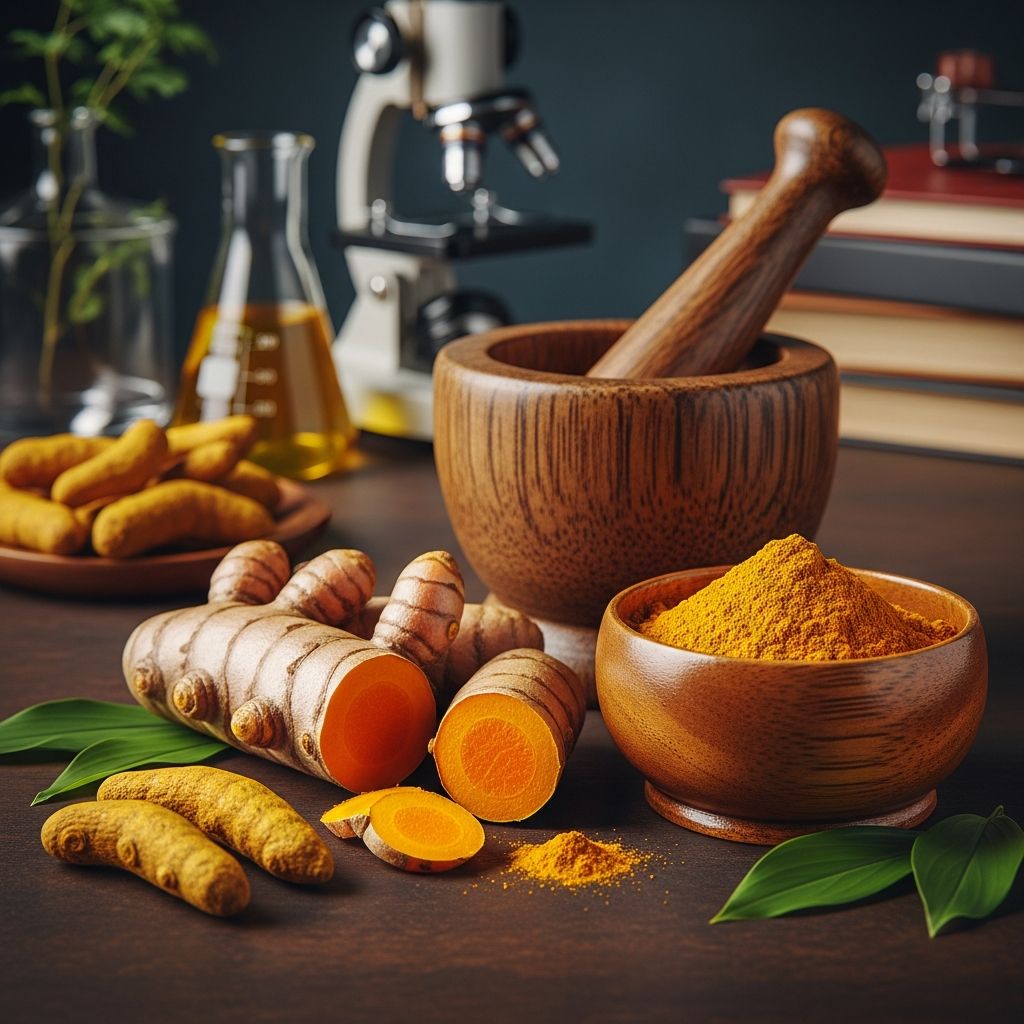
Turmeric, the golden-hued spice derived from the root of the plant Curcuma longa, has been used in traditional medicine for thousands of years. Today, modern scientific research is validating many of these ancient claims, revealing why turmeric deserves its place in both the kitchen and the medicine cabinet. The primary bioactive compound responsible for turmeric’s therapeutic effects is curcumin, which exhibits potent anti-inflammatory, antioxidant, antimicrobial, and anticancer properties. Understanding turmeric’s benefits and how to use it effectively can help you harness its full potential for optimal health.
What Makes Turmeric Special: Bioactive Compounds
Turmeric contains several powerful bioactive compounds that work synergistically to promote health. The most prominent of these is curcumin, which represents approximately 2-8% of turmeric by weight. Beyond curcumin, turmeric also contains volatile oils, other curcuminoids, and numerous phytochemicals that contribute to its therapeutic properties. These compounds are fat-soluble, meaning they dissolve best in oils and fats, which is why consuming turmeric with healthy fats significantly enhances its absorption and effectiveness in the body. When combined with black pepper, which contains piperine, the bioavailability of curcumin can increase by up to 2000%, making this combination a powerhouse for health optimization.
Anti-Inflammatory and Antioxidant Properties
One of turmeric’s most well-documented benefits is its powerful anti-inflammatory action. Chronic inflammation underlies many modern diseases, from heart disease to autoimmune conditions. Curcumin works by inhibiting inflammatory molecules and reducing the activity of pro-inflammatory enzymes. This anti-inflammatory effect makes turmeric beneficial for conditions ranging from arthritis to inflammatory bowel disease.
In addition to fighting inflammation, turmeric acts as a potent antioxidant, protecting cells from damage caused by free radicals. Free radicals contribute to aging, cancer, and numerous degenerative diseases. By neutralizing these harmful molecules, turmeric’s antioxidant compounds help prevent oxidative stress and support cellular health. This dual action—reducing inflammation while neutralizing oxidative damage—creates a comprehensive protective effect throughout the body.
Joint Health and Arthritis Management
For individuals suffering from arthritis and joint pain, turmeric offers compelling therapeutic potential. Research demonstrates that curcumin supplementation produces improvements in osteoarthritis pain and function that are comparable to nonsteroidal anti-inflammatory drugs (NSAIDs), without the associated side effects. In clinical trials, patients receiving standardized curcumin extracts experienced significant reduction in knee pain and improved mobility.
The mechanism behind turmeric’s joint-protective effects involves suppressing inflammatory pathways specific to joint tissue and inhibiting cartilage-degrading enzymes. Studies show that turmeric extract suppresses adjuvant-induced arthritis and acute edema in animal models, with some research indicating that turmeric oil extract demonstrates effectiveness comparable to cortisone for certain inflammatory joint conditions.
Digestive Health and Gastrointestinal Support
Turmeric has long been recognized as a digestive aid, and scientific evidence supports its traditional use. The spice stimulates bile production, which aids fat digestion and supports liver function. For those with inflammatory bowel conditions, turmeric shows particular promise. Research indicates that turmeric supplementation improves active symptoms and reduces inflammation markers in individuals with ulcerative colitis.
Beyond ulcerative colitis, turmeric demonstrates benefits for other gastrointestinal conditions. In studies examining irritable bowel syndrome, patients receiving standardized turmeric extract showed significantly decreased IBS prevalence and reduced abdominal pain and discomfort scores over an 8-week period. Additionally, turmeric’s antimicrobial and carminative properties support overall digestive function and help maintain a healthy gut microbiome.
Related Stories



Cardiovascular Health and Heart Disease Prevention
Cardiovascular disease remains a leading cause of mortality worldwide, and turmeric offers multiple pathways for heart protection. The spice’s cardioprotective effects operate through several mechanisms: it inhibits low-density lipoprotein (LDL) oxidation, reduces cholesterol and triglyceride levels, and prevents the formation of arterial plaques. Studies demonstrate that turmeric extract can lower cholesterol and triglyceride levels by up to 85% and 88%, respectively, in hyperlipidemic models.
One particularly notable finding involves turmeric’s effect on heart attack prevention. Research shows that turmeric supplementation reduces the number of heart attacks in patients who have undergone bypass surgery. Furthermore, turmeric increases the HDL-cholesterol to total cholesterol ratio while decreasing the total cholesterol to phospholipids ratio, both indicators of improved cardiovascular health. These effects contribute to reduced atherosclerosis risk and improved overall heart function.
Blood Sugar Regulation and Diabetes Management
For individuals concerned about metabolic health, turmeric offers significant benefits. Research demonstrates improvements in blood sugar regulation, including improved hemoglobin A1C (a marker of long-term blood sugar control) and enhanced insulin sensitivity. The spice’s hypoglycemic actions help prevent dangerous blood sugar spikes and support the body’s natural insulin response.
Animal studies reveal that turmeric prevents the aggregation and insolubilization of lens proteins caused by hyperglycemia, suggesting it may help prevent or delay the development of cataracts—a common diabetes complication. The combination of improved glucose metabolism and protection against diabetic complications makes turmeric a valuable ally for metabolic health maintenance.
Brain Health and Cognitive Function
Emerging research suggests turmeric may protect against neurodegenerative diseases and support overall brain health. The neuroprotective properties of curcumin include antioxidant and anti-inflammatory actions specific to brain tissue. Studies propose that turmeric may help prevent and treat Alzheimer’s disease, potentially by reducing amyloid plaques and tau tangles that characterize the condition.
Curcumin has been studied for over three decades with numerous identified health benefits related to improvements in slowing the progression of neurological disorders. Its ability to cross the blood-brain barrier and directly interact with brain tissue makes it particularly valuable for cognitive support. Additionally, turmeric may help regulate neurotransmitters and reduce neuroinflammation, supporting mental clarity and emotional resilience.
Cancer Prevention and Support
Turmeric demonstrates potent anticancer properties through multiple mechanisms. Modern in vitro and in vivo studies reveal that turmeric functions as an antimutagenic, antimicrobial, and anticancer agent. Animal studies show dramatic results: mice treated with turmeric extract exhibited up to an 80% decrease in tumor formation compared to untreated controls. These effects have been observed across multiple cancer types, including forestomach, colon, and lymphoma models.
The anticancer mechanisms include inhibiting cancer cell proliferation, inducing apoptosis (programmed cell death) in malignant cells, and preventing the genetic mutations that initiate cancer development. Additionally, turmeric has been studied for reducing skin irritation in breast cancer patients undergoing radiation treatments, providing supportive care alongside conventional therapies.
Skin Health and Wound Healing
Beyond internal benefits, turmeric offers topical advantages for skin health. The spice’s antimicrobial, anti-inflammatory, and antioxidant properties make turmeric paste effective for various skin conditions. It can be applied directly to the skin as a natural remedy for irritation, minor wounds, and inflammatory skin conditions. The antiseptic properties help prevent infection while the anti-inflammatory compounds reduce redness and discomfort.
Liver Health and Hepatoprotection
The liver, your body’s primary detoxification organ, benefits significantly from turmeric’s hepatoprotective properties. Animal studies demonstrate that turmeric protects liver tissue from damage, improves lipid metabolism, and prevents the accumulation of harmful fats in liver cells. These effects suggest turmeric may support liver function and help prevent fatty liver disease, increasingly common in modern populations.
Safe Usage and Dosage Recommendations
For most people, turmeric is safe and well-tolerated. Unless you have a specific allergy or severe food intolerance, incorporating turmeric into your daily diet through culinary use is generally risk-free. Using turmeric as a paste applied to skin is safe, and consuming a few teaspoons of turmeric daily in your food presents no health risks.
For those interested in supplemental curcumin, consultation with your healthcare provider is recommended to determine appropriate dosing for your specific health needs. Typical supplemental doses range from 500-2000 mg daily, though this varies based on individual circumstances and health conditions. Remember that curcumin is fat-soluble, so consuming it with meals containing healthy fats—such as coconut oil, olive oil, or nuts—significantly enhances absorption.
Optimizing Turmeric’s Effectiveness
To maximize turmeric’s health benefits, incorporate it into a comprehensive wellness strategy:
- Combine turmeric with black pepper to enhance curcumin bioavailability through piperine
- Consume turmeric with healthy fats to improve absorption
- Use fresh turmeric root when possible, though dried powder is also effective
- Incorporate turmeric into anti-inflammatory meals rich in vegetables and fruits
- Maintain consistent daily consumption for optimal results
- Pair turmeric supplementation with regular exercise and adequate sleep
The Bottom Line: Turmeric as Part of Holistic Health
Turmeric represents a remarkable convergence of traditional wisdom and modern science. Its anti-inflammatory, antioxidant, antimicrobial, cardioprotective, hepatoprotective, and anticancer properties make it one of nature’s most versatile health-supporting substances. The extensive research validating turmeric’s benefits justifies its prominent place in wellness protocols worldwide.
However, it’s important to recognize that turmeric works best as part of a comprehensive lifestyle approach. While turmeric supplements can provide concentrated bioactive compounds, they should complement—not replace—a diet rich in anti-inflammatory foods, abundant fruits and vegetables, limited sugar, and plant-based proteins. Long-term lifestyle changes involving regular exercise, adequate sleep, stress management, and a well-rounded diet will provide greater health benefits than supplementation alone.
For optimal results, integrate turmeric into your daily routine through both culinary applications and, with your healthcare provider’s approval, supplementation. Whether you’re looking to manage inflammation, support cardiovascular health, maintain cognitive function, or simply enhance your overall wellness, turmeric offers a time-tested, scientifically-supported option for natural health optimization.
Frequently Asked Questions
Q: How much turmeric should I consume daily?
A: Using turmeric as a culinary spice, a few teaspoons daily in food is safe for most people. For supplemental curcumin, typical doses range from 500-2000 mg daily, though you should consult your healthcare provider for personalized recommendations based on your specific health needs and conditions.
Q: Does turmeric interact with medications?
A: Turmeric may interact with certain medications, particularly blood thinners and diabetes medications. If you take prescription medications, consult your healthcare provider before adding turmeric supplements to ensure there are no contraindications.
Q: How can I improve turmeric’s absorption?
A: Consume turmeric with black pepper (which contains piperine) and healthy fats like coconut oil or olive oil. This combination can increase curcumin bioavailability by up to 2000%, making it significantly more effective.
Q: Is turmeric safe for everyone?
A: Turmeric is generally safe for most people when used as a food spice. However, those with turmeric allergies, severe food intolerances, or certain medical conditions should consult their healthcare provider before using turmeric supplements.
Q: Can turmeric replace my medications?
A: While turmeric offers significant health benefits comparable to some medications for certain conditions, it should not replace prescribed medications without your doctor’s guidance. Use turmeric as a complementary approach alongside conventional treatment as recommended by your healthcare provider.
Q: How long does it take to see turmeric’s benefits?
A: Benefits vary by individual and condition. Some people notice improvements in inflammation or pain within 2-4 weeks, while other benefits like cardiovascular or cognitive improvements may take 8-12 weeks of consistent use to become apparent.
Q: Can I use turmeric topically?
A: Yes, turmeric paste can be applied directly to skin for various conditions including minor wounds, irritation, and inflammatory skin issues. Its antimicrobial and anti-inflammatory properties make it effective for topical use in most people.
References
- Explaining turmeric’s health benefits — and limitations — Ohio State University College of Medicine. 2024. https://health.osu.edu/wellness/exercise-and-nutrition/explaining-turmerics-health-benefits-and-limitations
- Impacts of turmeric and its principal bioactive curcumin on human health — National Center for Biotechnology Information, U.S. National Library of Medicine. 2022. https://pmc.ncbi.nlm.nih.gov/articles/PMC9881416/
- Turmeric, the Golden Spice – Herbal Medicine — National Institutes of Health, NCBI Bookshelf. 2024. https://www.ncbi.nlm.nih.gov/books/NBK92752/
Similar Articles








Read full bio of medha deb