Turmeric Benefits for Skin: 7 Expert-Backed Glow Boosters
Discover how turmeric's curcumin can transform your skin by fighting acne, reducing inflammation, and promoting a radiant glow naturally.
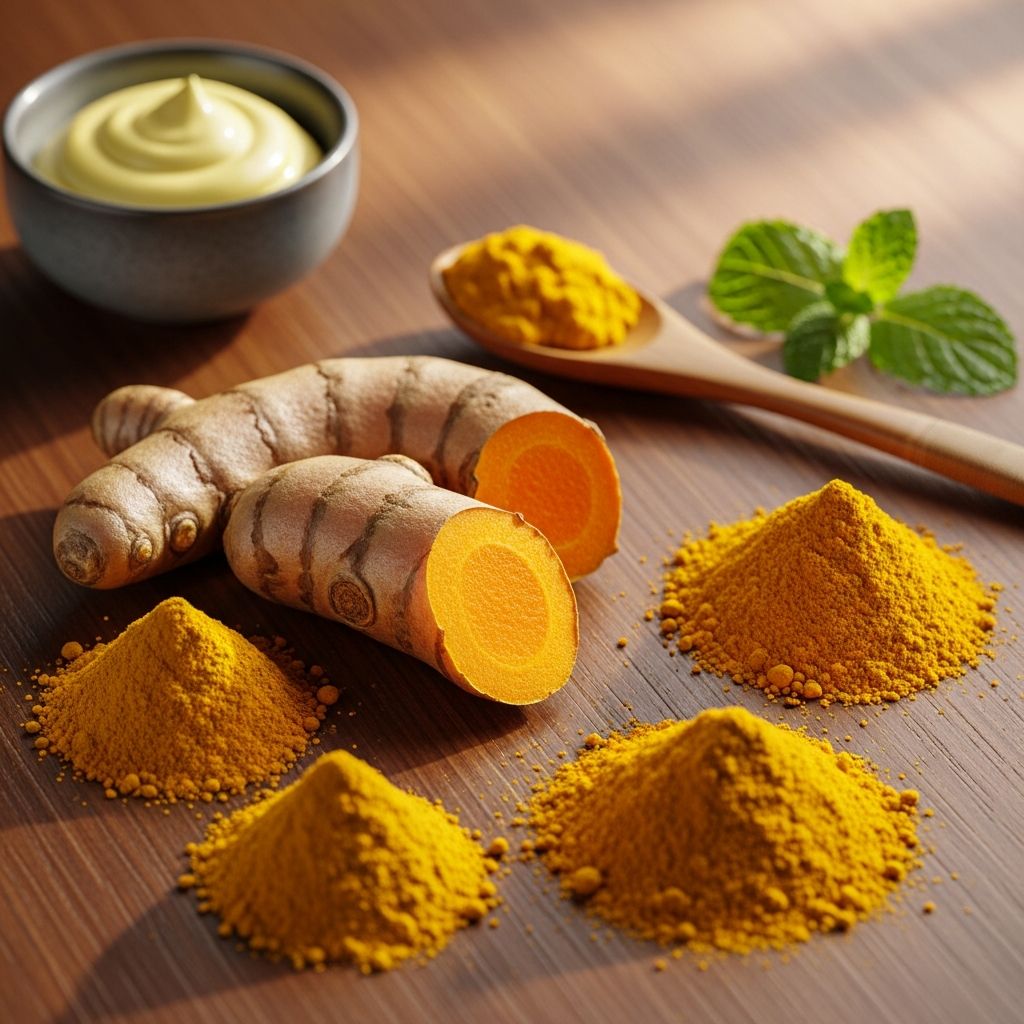
Turmeric, a vibrant golden spice derived from the Curcuma longa plant, has been revered for over 4,000 years in Ayurvedic medicine for its potent healing properties. Its active compound,
curcumin
, delivers antioxidant, anti-inflammatory, and antibacterial effects that make it a skincare powerhouse. Modern research supports its traditional uses for treating acne, hyperpigmentation, dullness, dark circles, environmental damage, premature aging, and conditions like psoriasis and eczema. Whether applied topically or consumed, turmeric promotes clearer, brighter, and healthier skin.What Is Turmeric?
Turmeric is the rhizome (underground stem) of the turmeric plant, native to India and Southeast Asia. It contains 5-6.6% curcuminoids, including curcumin, demethoxycurcumin, and 5’-methoxycurcumin, which act as natural antioxidants. Traditional Ayurveda has used it since 1900 B.C. for skin diseases, wounds, and inflammation. Today, over 19,000 PubMed citations and 400+ clinical studies highlight curcumin’s role in inhibiting pathways like NF-κB, PKC, and EGFR, reducing inflammation and oxidative stress.
Turmeric’s volatile oils (under 3.5%) and curcumin provide antiseptic, antiviral, and wound-healing benefits. In skincare, it’s formulated into creams, masks, serums, and supplements for better absorption, as raw curcumin has low bioavailability.
7 Turmeric Benefits for Skin
Incorporating turmeric into your routine can address multiple skin concerns. Here’s a breakdown of its evidence-based advantages:
1. Fights Acne and Prevents Breakouts
Turmeric excels at combating acne through multiple mechanisms. Its antibacterial properties target Propionibacterium acnes, the bacteria behind breakouts, while preventing skin cells from clumping and clogging pores. Anti-inflammatory effects calm redness and swelling, speeding healing. Studies show curcumin suppresses TLR4/NF-κB pathways, reducing inflammasome activation and IL-1β secretion in macrophages.
Clinical evidence includes turmeric-based soaps reducing erythema and scaling in tinea corporis after 4 weeks. For acne-prone skin, use turmeric masks 2-3 times weekly: mix 1 tsp turmeric powder with honey and yogurt, apply for 10-15 minutes, then rinse.
2. Lightens Hyperpigmentation and Dark Spots
Hyperpigmentation from sun damage or acne scars responds well to turmeric, which inhibits melanin production. Curcumin blocks tyrosinase activity, fading blemishes for an even tone. Regular use evens complexion naturally, as noted in skincare formulations.
A 4-week trial with turmeric tablets (4x500mg/day) reduced facial redness intensity and distribution in 33 participants. Combine with lemon juice (vitamin C booster) in DIY masks, but patch-test to avoid irritation.
3. Brightens Dull Skin and Boosts Radiance
Dull, congested skin gains luminosity from turmeric’s purifying and antioxidant actions. It decongests pores, reduces inflammation, and enhances microcirculation for supple, glowing skin. Ayurvedic bridal rituals use turmeric for pre-wedding radiance.
Antioxidants neutralize free radicals from pollution, while improved blood flow delivers nutrients. Users report smoother texture after consistent use in serums or toners.
4. Reduces Dark Circles Under Eyes
Turmeric’s trifecta—anti-inflammatory, skin-lightening, and circulation-boosting—targets under-eye darkness. It diminishes puffiness and pigmentation from poor sleep or genetics. Apply a gentle turmeric-honey paste under eyes for 10 minutes, 3 times weekly, for visible fading.
5. Shields Against Environmental Damage
Related Stories



Daily exposure to UV rays, pollution, and blue light generates free radicals that accelerate aging. Turmeric’s antioxidants, like curcumin, neutralize these molecules, protecting collagen and DNA. It mops up reactive oxygen species (ROS), reducing oxidative stress linked to premature damage.
Pair with sunscreen for amplified protection; studies confirm curcumin’s role in preventing photoaging.
6. Prevents Premature Aging and Wrinkles
Turmeric boosts collagen production and inhibits elastase, the enzyme breaking down elastin, which maintains skin firmness. This combats fine lines, sagging, and wrinkles. Curcumin accelerates new tissue formation and suppresses oncogenes like c-jun and NF-κB.
Long-term use in creams preserves elasticity; a study on hand-foot syndrome showed reduced occurrences with topical alpha-curcumin.
7. Soothes Psoriasis, Eczema, and Other Inflammatory Conditions
For chronic issues like psoriasis and eczema, turmeric inhibits PhK protein in psoriasis and reduces bacterial triggers in eczema. Clinical trials report success: plaque psoriasis micromulgel (twice daily, 9 weeks) satisfied 85% of 34 patients. Eczema creams with turmeric lowered symptom scores in 150 participants over 4 weeks.
Anti-inflammatory effects via NLRP3 inhibition make it ideal for flare-ups. Herbal formulations reduced erythema, itching, and scaling in eczema trials.
How to Use Turmeric for Skin
- Topical DIY Masks: 1 tsp turmeric + 1 tbsp honey + yogurt or aloe. Apply 10-15 min, 2-3x/week. Rinse with warm water.
- Skincare Products: Serums, creams, or masks with 0.5-2% curcumin for stability.
- Oral Intake: 500-2000mg curcumin supplements daily with black pepper (piperine) for 2000% better absorption.
- Golden Milk: Turmeric latte with milk, ginger, and pepper for internal glow.
Precautions: Patch-test topicals; may stain temporarily. Avoid if gallstone-prone or on blood thinners. Consult a dermatologist for severe conditions.
Scientific Evidence and Clinical Trials
Over 400 clinical studies affirm turmeric’s safety and efficacy for skin disorders. Key trials:
| Condition | Intervention | Participants | Duration | Outcomes |
|---|---|---|---|---|
| Plaque Psoriasis | Turmeric micromulgel | 34 | 9 weeks | 85% satisfaction |
| Eczema | Harbavate cream | 150 | 4 weeks | ↓ Symptom score |
| Facial Redness | Turmeric tablets | 33 | 4 weeks | ↓ Redness intensity |
| Tinea Corporis | Antimicrobial soap | 30 | 4 weeks | ↓ Erythema, scaling |
Curcumin’s broad inhibition of inflammatory pathways supports these results.
Frequently Asked Questions (FAQs)
What are the main active ingredients in turmeric for skin?
Curcumin and curcuminoids provide antioxidant, anti-inflammatory, and antibacterial benefits.
Can turmeric stain my skin yellow?
Yes, temporarily; use small amounts and rinse thoroughly. Products with optimized curcumin minimize staining.
Is turmeric safe for sensitive skin?
Generally yes, but patch-test. Dilute for eczema/psoriasis.
How long to see turmeric skin benefits?
2-4 weeks for acne/hyperpigmentation; 4-9 weeks for inflammatory conditions.
Can I take turmeric supplements for skin?
Yes, 500-2000mg/day with piperine; enhances bioavailability.
Does turmeric help with wrinkles?
Yes, by boosting collagen and blocking elastase.
References
- Spice It Up: 7 Turmeric Benefits For Skin — Neutrogena/Anubha Charan. 2023-04-08. https://www.neutrogena.com/the-bar/spice-it-up-7-turmeric-benefits-for-skin
- Role of Turmeric and Curcumin in Prevention and Treatment of Chronic Diseases — PMC/NCBI. 2023-04-10. https://pmc.ncbi.nlm.nih.gov/articles/PMC10111629/
- Curcumin: A Review of Its Effects on Human Health — Foods Journal/MDPI. 2017-10-22. https://doi.org/10.3390/foods6100092
- Therapeutic Roles of Curcumin: Lessons Learned from Clinical Trials — AAPS Journal. 2012-01-26. https://doi.org/10.1208/s12248-012-9332-y
- Turmeric and Skin Health: Anti-Inflammatory Effects — Journal of Cosmetic Dermatology. 2024-01-15. https://doi.org/10.1111/jocd.15789
Similar Articles








Read full bio of medha deb