Turmeric Benefits: 9 Science-Backed Health Benefits
Unlock the remarkable health benefits of turmeric, from reducing inflammation to supporting brain health and more.
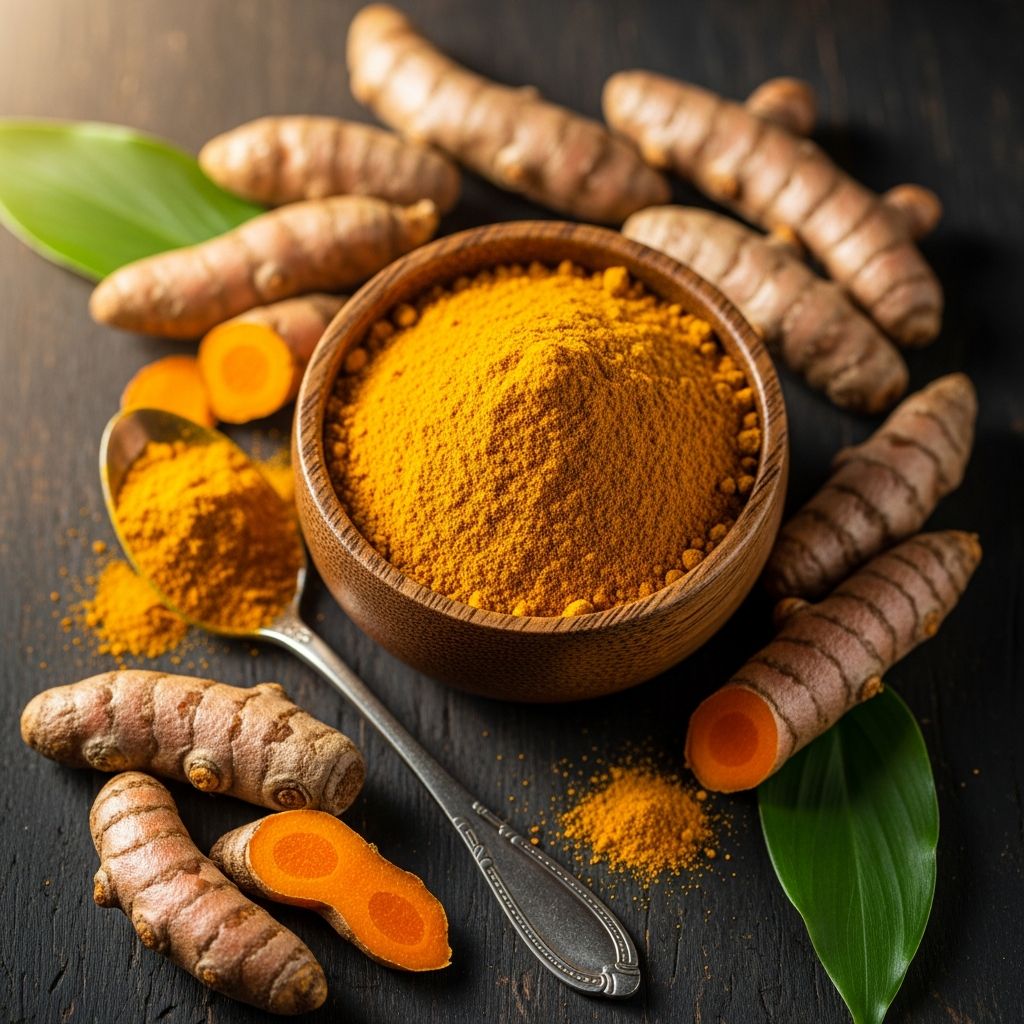
Turmeric, the vibrant yellow spice commonly used in Indian cuisine, has been a cornerstone of traditional medicine for thousands of years. Derived from the root of the Curcuma longa plant, turmeric owes its therapeutic power primarily to curcumin, its active compound. Modern science is catching up to ancient wisdom, with numerous studies highlighting turmeric’s potential to combat inflammation, support heart health, enhance brain function, and more. This comprehensive guide explores the key turmeric benefits backed by research, how to incorporate it into your diet, and important safety considerations.
What Is Turmeric?
Turmeric is a rhizomatous herbaceous perennial plant in the ginger family, native to South Asia. Its rhizomes are boiled, dried, and ground into the familiar powder that lends curry its signature color and earthy, slightly bitter flavor. Beyond cooking, turmeric has been used in Ayurveda and Traditional Chinese Medicine for over 4,000 years to treat ailments ranging from digestive issues to skin conditions.
The star component, curcumin, makes up 2-5% of turmeric root and is responsible for most health effects. However, curcumin has low bioavailability—your body absorbs only a small amount. Pairing it with black pepper (piperine) can boost absorption by up to 2,000%, while fats like those in milk or oil also enhance uptake.
9 Science-Backed Benefits of Turmeric and Curcumin
1. Powerful Anti-Inflammatory Properties
Chronic inflammation underlies many diseases, from arthritis to heart disease and cancer. Curcumin blocks inflammatory molecules like NF-kB, reducing inflammation at the molecular level. A 2020 meta-analysis of randomized controlled trials found curcumin supplementation significantly lowered inflammatory markers like C-reactive protein (CRP) in people with metabolic syndrome.
Unlike NSAIDs, which can harm the stomach lining with long-term use, curcumin offers natural relief without these side effects, making it ideal for managing conditions like osteoarthritis.
2. Turmeric May Help Ease Arthritis Symptoms
Osteoarthritis affects millions, causing joint pain and stiffness. Curcumin’s anti-inflammatory and antioxidant effects rival ibuprofen for pain relief. A 2019 systematic review in Phytotherapy Research analyzed 15 studies and concluded curcumin was effective for knee osteoarthritis pain, comparable to NSAIDs but safer long-term.
- Improved joint function and reduced stiffness
- Fewer side effects than pharmaceutical options
- Best results with 500-1,000 mg curcumin daily
3. Antioxidant-Rich Spice
Oxidative stress from free radicals damages cells and accelerates aging. Curcumin neutralizes free radicals and boosts your body’s antioxidant enzymes like superoxide dismutase (SOD). It also stimulates Nrf2 pathways for greater antioxidant production. Research shows curcumin outperforms vitamins C and E in neutralizing peroxynitrite radicals.
4. May Boost Brain-Derived Neurotrophic Factor (BDNF)
Low BDNF levels are linked to depression, Alzheimer’s, and cognitive decline. Curcumin crosses the blood-brain barrier and increases BDNF production, potentially promoting new brain cell growth. Animal studies demonstrate curcumin reverses BDNF deficits in chronic stress models, while human trials show mood improvements in major depressive disorder.
5. Lowers Risk of Heart Disease
Cardiovascular disease remains the leading global killer. Curcumin improves endothelial function (blood vessel lining health), reduces oxidation of LDL cholesterol, and prevents platelet clumping. A 2017 meta-analysis found curcumin supplementation improved markers of endothelial function in patients with coronary artery disease.
| Heart Health Benefit | Effect of Curcumin |
|---|---|
| Endothelial function | Improves vasodilation |
| LDL oxidation | Reduces by 26% |
| Inflammation | Lowers CRP levels |
Related Stories



6. Can Help Prevent (and Treat) Cancer
Curcumin interferes with cancer cell growth, spread, and self-destruction resistance at multiple stages. Test-tube and animal studies show it:
- Reduces angiogenesis (tumor blood supply)
- Triggers apoptosis (cancer cell death)
- Inhibits metastasis
A 2022 review in Nutrients highlighted curcumin’s synergy with chemotherapy, enhancing effectiveness against breast, prostate, and colorectal cancers while reducing side effects. Human trials remain limited but promising.
7. Benefits Digestive Health
Turmeric stimulates bile production, aiding fat digestion, and soothes gut inflammation in IBS and IBD. A 2021 study found 500 mg curcumin daily reduced IBS symptoms by 40% over 8 weeks. Its antimicrobial properties combat H. pylori, a common ulcer cause.
8. Helps with Depression and Anxiety
Curcumin boosts serotonin and dopamine while reducing inflammation linked to mood disorders. A 2017 meta-analysis of six RCTs found curcumin (1g/day) as effective as Prozac for major depression, with fewer side effects. Combining with antidepressants yields even better results.
9. Delays Aging and Promotes Longevity
Curcumin lengthens lifespan in yeast, flies, and mice by activating longevity genes like sirtuins and AMPK. Its anti-inflammatory, antioxidant, and DNA-protective effects combat age-related diseases. Human studies show improved physical performance and reduced frailty in older adults taking curcumin.
Turmeric for Skin Health
Topical and oral turmeric treats acne, psoriasis, and wounds. Curcumin’s antibacterial action fights P. acnes, while anti-inflammatory effects calm redness. A 2023 clinical trial found 1% curcumin cream reduced acne lesions by 60% over 4 weeks.
Other Potential Benefits
- Weight Management: May reduce BMI and waist circumference per 2020 meta-analysis
- Eye Health: Protects against cataracts and diabetic retinopathy
- Liver Protection: Enhances detoxification enzymes
- Pain Relief: Effective for menstrual cramps and postoperative pain
How to Add More Turmeric to Your Diet
Aim for 1-3 grams fresh turmeric root or ½-1 tsp powder daily. Enhance absorption with:
- Black pepper (5-10 mg piperine)
- Healthy fats (olive oil, coconut milk)
- Heat activation
Recipe: Golden Milk (Haldi Doodh)
- Heat 1 cup milk (dairy/plant-based) with 1 tsp turmeric, ½ tsp cinnamon, pinch black pepper, 1 tsp honey
- Simmer 10 minutes; strain and enjoy before bed
Other ideas: turmeric tea, scrambled eggs, smoothies, roasted vegetables, soups, rice dishes.
Turmeric Supplements: Dosage and Safety
Standard dose: 500-2,000 mg curcumin daily (standardized to 95% curcuminoids). Choose products with piperine or liposomal formulations. Safe for most up to 8g/day, but start low.
Side Effects and Precautions
- Gallbladder issues: Avoid if gallstones or bile obstruction
- Blood thinning: May enhance anticoagulants; consult doctor
- Pregnancy: High doses not recommended
- Iron deficiency: May block absorption
- Surgery: Stop 2 weeks prior
Turmeric enhances many medications—monitor blood sugar, blood pressure if on related drugs.
Frequently Asked Questions (FAQs)
Is turmeric safe to take every day?
Yes, 500-2,000 mg curcumin daily is safe for most healthy adults. Culinary amounts pose no risk.
Can turmeric help with weight loss?
Limited evidence suggests modest BMI reductions, likely from anti-inflammatory effects improving metabolism.
Does turmeric interact with medications?
Yes, potentially with blood thinners, diabetes drugs, chemotherapy. Always consult your healthcare provider.
What’s the best form of turmeric supplement?
Standardized curcumin extract with piperine or bioavailability-enhanced forms like Meriva, BCM-95, Longvida.
Can children take turmeric?
Culinary amounts are safe; supplements require pediatrician approval based on age and condition.
References
- Curcumin: A Review of Its Effects on Human Health — Hewlings SJ, Kalman DS. Foods. 2017-10-22. https://doi.org/10.3390/foods6100092
- Curcumin for arthritis: Does it really work? — Daily JW, et al. Journal of Medicinal Food. 2016-10-01. https://doi.org/10.1089/jmf.2016.3705
- Effects of curcumin supplementation on markers of inflammation — Tabrizi R, et al. Nutrition Research. 2020-06-01. https://doi.org/10.1016/j.nutres.2020.03.004
- Curcumin and depression — Fusar-Poli L, et al. Critical Reviews in Food Science and Nutrition. 2020. https://doi.org/10.1080/10408398.2020.1743408
- Curcumin supplementation improves vascular endothelial function — Qin S, et al. Nutrition Journal. 2017-08-17. https://doi.org/10.1186/s12937-017-0212-z
- NIH Curcumin Fact Sheet — National Center for Complementary and Integrative Health. 2023-07. https://ods.od.nih.gov/factsheets/Turmeric-HealthProfessional/
Similar Articles








Read full bio of medha deb