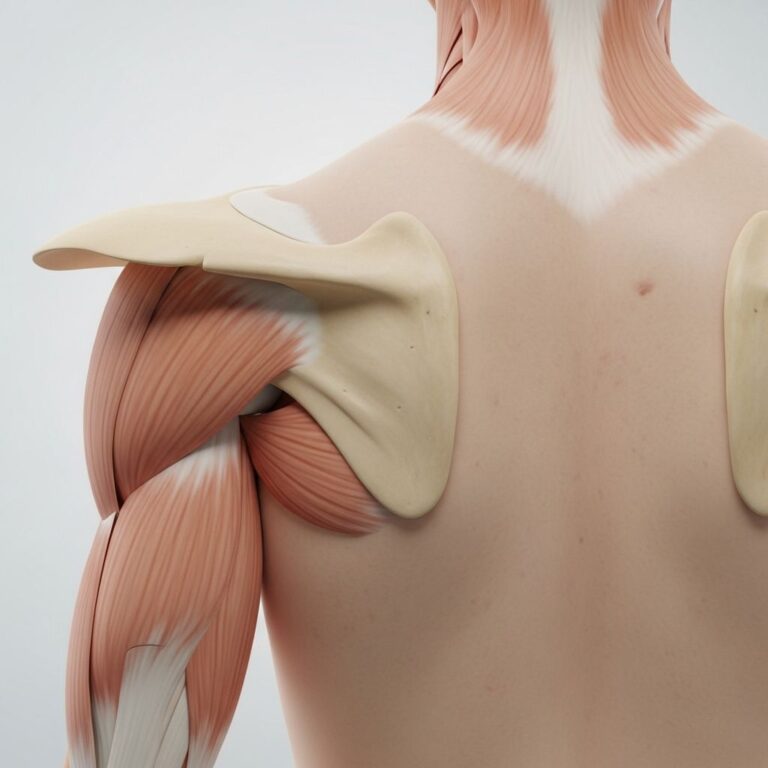
Turmeric and Curcumin: Health Benefits and Research
Explore turmeric's anti-inflammatory and antioxidant properties supported by scientific research.
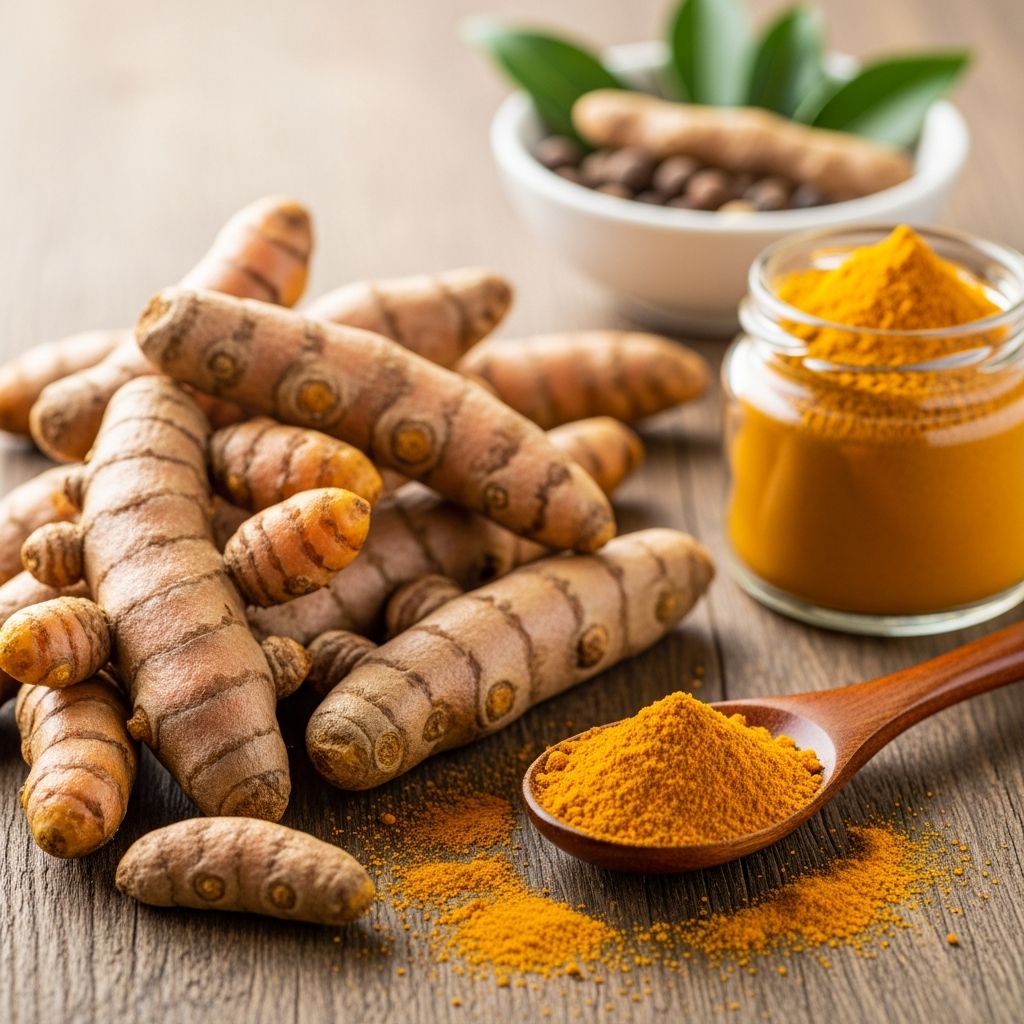
Turmeric, a golden spice derived from the Curcuma longa plant, has been used in traditional medicine for centuries. The active compound in turmeric, known as curcumin, has gained significant attention from modern scientific research due to its potential therapeutic properties. Extensive clinical trials and laboratory studies have demonstrated that curcumin possesses anti-inflammatory, antioxidant, anticancer, and neuroprotective characteristics. These exceptional biological activities position turmeric as a promising complementary approach to preventing and treating various chronic diseases including cardiovascular disease, metabolic syndrome, neurological disorders, hepatic conditions, and cancer.
What is Curcumin?
Curcumin is the principal bioactive component of turmeric, responsible for the spice’s distinctive yellow color and most of its health-promoting properties. The compound has been extensively studied in both laboratory and clinical settings to understand its mechanisms of action and therapeutic potential. Research demonstrates that curcumin can modulate multiple cellular pathways involved in inflammation, oxidative stress, and disease progression. Its chemical structure allows it to interact with numerous molecular targets within the body, making it a versatile agent for addressing various health conditions.
Anti-Inflammatory Properties
One of the most well-documented benefits of turmeric and curcumin is their potent anti-inflammatory action. Inflamed cells release reactive oxygen species, commonly known as free radicals, which signal nearby cells to further increase inflammation. This inflammatory cascade is associated with numerous chronic conditions including Alzheimer’s disease, Parkinson’s disease, cardiovascular disease, metabolic syndrome, cancer, asthma, arthritis, diabetes, obesity, and depression. Curcumin combats this process by suppressing inflammatory markers and modulating key signaling pathways involved in the inflammatory response.
Clinical research has demonstrated significant reductions in inflammatory biomarkers following curcumin supplementation. In a study of 80 obese patients with non-alcoholic fatty liver disease (NAFLD), continuous supplementation with nanocurcumin (two 40 mg capsules daily after meals) for three months suppressed expression of inflammatory tumor necrosis factor-alpha (TNF-α), high-sensitivity C-reactive protein (hs-CRP), and interleukin-6 (IL-6). Similarly, in a randomized placebo-controlled trial of 60 teenage females on a modest weight-loss diet, curcumin consumption at 500 mg daily for ten weeks produced substantial reductions in hs-CRP and IL-6 levels, demonstrating curcumin’s effectiveness in reducing inflammatory markers across different populations.
Antioxidant and Free Radical Protection
Curcumin functions as a powerful antioxidant by neutralizing free radicals and reducing oxidative stress throughout the body. Oxidative stress occurs when there is an imbalance between free radical production and the body’s ability to neutralize them, leading to cellular damage and contributing to various disease states. The antioxidant properties of curcumin help protect cellular structures from damage and may reduce the risk of developing chronic degenerative diseases. Enhanced stability of curcumin through co-administration with antioxidants like ascorbate and Trolox has been shown to increase its efficacy and bioavailability, with studies demonstrating approximately sixfold increases in plasma curcumin concentration in animal models when combined with complementary antioxidants.
Gut Microbiota and Digestive Health
Recent research has illuminated the important role that curcumin plays in regulating gut microbiota and promoting digestive health. Gut dysbiosis, characterized by an imbalance in bacterial communities, is recognized as a primary cause of initiation and development of many chronic diseases. Turmeric works by decreasing pathogenic bacterial strains while simultaneously increasing beneficial strains in the gut microbiome. A randomized controlled trial comparing bacterial diversity in participants who took turmeric or curcumin for eight weeks versus those receiving placebo revealed remarkable differences. The placebo group experienced a 15% decrease in microbe diversity, whereas the turmeric group showed a 7% increase and the curcumin group demonstrated a remarkable 69% increase in microbial diversity. This enhanced diversity in the human microbiome supports improved digestion and overall gastrointestinal health.
Related Stories



Metabolic Health and Weight Management
Clinical evidence suggests that turmeric and curcumin supplementation can support metabolic health and weight management efforts. Multiple clinical trials have evaluated the effects of turmeric supplementation on metabolic parameters in individuals with obesity and metabolic syndrome. Studies examining turmeric supplementation at doses of 3 grams daily for 12 weeks in NAFLD patients showed reductions in body mass index (BMI), waist circumference (WC), and improvements in lipid profiles including increased high-density lipoprotein cholesterol (HDL-C) and decreased triglyceride-to-HDL-C ratio. Additionally, curcumin has been shown to improve insulin sensitivity in individuals with type 2 diabetes by lowering blood TNF levels and modulating inflammatory pathways associated with insulin resistance.
In animal studies, curcumin therapy in obese mice reduced nuclear factor-kappa B (NF-κB) activity in liver tissue and decreased hepatic production of TNF and monocyte chemoattractant protein-1 (MCP-1). Curcumin-treated animals also demonstrated less macrophage infiltration, greater expression of forkhead transcription factor (Foxo)1 and adiponectin in adipose tissue, and higher circulating adiponectin levels, all markers associated with improved metabolic function.
Liver Health and NAFLD Management
Non-alcoholic fatty liver disease (NAFLD) represents an increasingly common condition characterized by excessive fat accumulation in liver cells. Multiple clinical trials have investigated turmeric and curcumin’s potential in managing NAFLD. A meta-analysis examining curcumin-containing products in NAFLD patients revealed significant reductions in aspartate aminotransferase (AST) levels in studies with eight weeks of administration (reduction of 9.22 IU/L). These findings suggest that curcumin-containing products at higher dosages might have favorable effects on patients with NAFLD.
Additional research has demonstrated that turmeric supplementation at 2 grams daily for eight weeks significantly reduced hepatic markers including AST, alanine aminotransferase (ALT), and gamma-glutamyl transferase (GGT), indicating improved liver function. Combined therapy using turmeric with complementary substances such as chicory seeds has shown synergistic benefits, reducing markers of oxidative stress (malondialdehyde or MDA), decreasing IL-6, and increasing total antioxidant capacity (TAC).
Type 2 Diabetes and Glycemic Control
Evidence from clinical trials indicates that turmeric supplementation may support glycemic control and insulin sensitivity in individuals with type 2 diabetes. In a clinical trial involving 89 participants, turmeric capsule supplementation at 500 mg daily for four months resulted in decreased neck circumference, reduced hemoglobin A1c (HbA1c), improved homeostasis model assessment of insulin resistance (HOMA-IR), and decreased VLDL and triglyceride levels. Furthermore, in patients with type 2 diabetes nephropathy receiving 1,500 mg of turmeric capsules daily for two months, researchers observed reduced proteinuria, decreased interleukin-8 (IL-8), and reduced transforming growth factor-beta (TGF-β) levels, suggesting potential renoprotective effects.
Cancer Prevention and Potential Anticancer Properties
Preclinical and laboratory research has provided compelling evidence that curcumin possesses potential anticancer properties. Curcumin can prevent tumor growth, angiogenesis, epithelial-mesenchymal transition, invasion, and metastasis by modulating the expression of tumor-related non-coding RNA (ncRNA). Animal studies have demonstrated that curcumin may help prevent certain cancers including colon, stomach, and skin cancers in rodent models. While human trials investigating turmeric’s efficacy with colon cancer, prostate cancer, and skin cancer are ongoing, current evidence remains preliminary, and results are being closely monitored by researchers.
At the cellular level, curcumin demonstrates multiple anti-proliferative mechanisms. Studies have shown that curcumin at concentrations of 6.25 to 25 micromolar remarkably reduced phorbol 12-myristate 13-acetate-induced NACHT, LRR, and PYD domain-containing protein 3 (NLRP3) inflammasomes and caspase-1 activation while suppressing interleukin-1-beta (IL-1β) secretion by blocking the TLR4/NF-κB pathway. These mechanisms suggest curcumin’s potential value in cancer prevention and adjunctive cancer treatment strategies.
Neuroprotection and Brain Health
Emerging research suggests that turmeric and curcumin may provide neuroprotective benefits relevant to age-related cognitive decline and neurodegenerative diseases. The anti-inflammatory and antioxidant properties of curcumin position it as a potential agent for protecting neural tissue from damage. By reducing neuroinflammation and oxidative stress, curcumin may help preserve cognitive function and support overall brain health. The ability of curcumin to cross the blood-brain barrier and modulate central nervous system inflammation makes it particularly promising for investigating its role in preventing and potentially treating Alzheimer’s disease and other neurodegenerative conditions.
Cardiovascular Health and Heart Disease Prevention
The cardioprotective properties of turmeric and curcumin have been demonstrated in both preclinical and clinical investigations. The anti-inflammatory and antioxidant effects of curcumin contribute to improved cardiovascular health by reducing atherosclerotic risk factors, improving endothelial function, and reducing arterial inflammation. Studies have shown improvements in lipid profiles, reduced inflammatory markers associated with cardiovascular disease, and enhanced antioxidant status following curcumin supplementation, all of which may contribute to reduced cardiovascular disease risk.
Dosage and Administration
Clinical research has employed various dosage regimens to evaluate turmeric and curcumin effectiveness. Common dosage ranges in clinical trials include:
- Curcumin supplementation: 500 mg to 1,500 mg daily
- Turmeric powder or supplements: 2 to 3 grams daily
- Nanocurcumin formulations: 40 to 80 mg daily
- Treatment duration: 4 to 12 weeks for observed clinical effects
Bioavailability of curcumin remains a significant consideration, as the compound has relatively low absorption when taken alone. Co-administration with black pepper extract (piperine), fats, or specialized delivery systems such as nanoformulations can substantially enhance absorption and therapeutic efficacy. Additionally, co-addition of antioxidants can improve curcumin stability and plasma concentration.
Safety and Tolerability
Turmeric and curcumin have demonstrated excellent safety profiles and tolerability in clinical trials. Numerous preclinical and clinical studies have established that curcumin is safe, well-tolerated, and effective across various populations and dosages. The compound has been shown to produce minimal adverse effects at therapeutic doses, making it a suitable complementary approach for disease prevention and management. However, individuals taking certain medications, particularly blood thinners or diabetes medications, should consult healthcare providers before beginning turmeric supplementation due to potential interactions.
Clinical Research Summary
| Condition | Dosage | Duration | Primary Outcomes |
|---|---|---|---|
| Non-Alcoholic Fatty Liver Disease | 3 g/day turmeric | 12 weeks | Reduced BMI, improved lipid profile |
| Obesity with Inflammation | 2 x 40 mg nanocurcumin | 12 weeks | Reduced TNF-α, CRP, IL-6 |
| Teenage Females (Weight Loss) | 500 mg/day curcumin | 10 weeks | Reduced hs-CRP and IL-6 |
| Type 2 Diabetes | 500 mg/day turmeric | 4 months | Reduced HbA1c, improved HOMA-IR |
| Type 2 Diabetes Nephropathy | 1,500 mg/day turmeric | 2 months | Reduced proteinuria, IL-8, TGF-β |
Frequently Asked Questions (FAQs)
Q: Is turmeric safe for daily consumption?
A: Yes, turmeric is generally safe for most people when consumed in culinary amounts or as recommended supplement dosages. However, individuals on blood thinners, diabetes medications, or those pregnant should consult healthcare providers before using turmeric supplements.
Q: How long does it take to see benefits from turmeric supplementation?
A: Clinical trials typically show measurable improvements within 4 to 12 weeks of consistent supplementation. Individual results may vary depending on the condition being addressed and individual health status.
Q: What is the difference between turmeric and curcumin supplements?
A: Turmeric is the whole spice containing curcumin and other compounds, while curcumin supplements are isolated active ingredients. Curcumin supplements typically contain higher concentrations of the active compound and are often combined with bioavailability enhancers like piperine.
Q: Can turmeric cure cancer?
A: While preclinical studies show promise, current human research is insufficient to claim that turmeric cures cancer. It may serve as a complementary approach in cancer prevention and potentially adjunctive cancer treatment, but should not replace conventional medical therapies. Consult with oncology specialists for cancer treatment decisions.
Q: How can I improve turmeric’s absorption?
A: Consuming turmeric or curcumin with black pepper (containing piperine), healthy fats, or specialized nanoformulated supplements can significantly enhance absorption. Studies show co-administration of antioxidants can increase plasma curcumin concentration by approximately sixfold.
References
- Role of Turmeric and Curcumin in Prevention and Treatment of Chronic Diseases — National Center for Biotechnology Information (NCBI). 2023-04-15. https://pmc.ncbi.nlm.nih.gov/articles/PMC10111629/
- Impacts of Turmeric and Its Principal Bioactive Curcumin on Human Health — National Center for Biotechnology Information (NCBI). 2022-12-01. https://pmc.ncbi.nlm.nih.gov/articles/PMC9881416/
- Benefits of Turmeric — Canadian Digestive Health Foundation. 2024. https://cdhf.ca/en/benefits-of-turmeric/
- Curcumin and Cancer (PDQ®) — National Cancer Institute. 2024. https://www.cancer.gov/about-cancer/treatment/cam/hp/curcumin-pdq
- Nutritional Approaches for Musculoskeletal Pain and Inflammation — National Center for Complementary and Integrative Health (NCCIH). 2024. https://www.nccih.nih.gov/health/providers/digest/nutritional-approaches-for-musculoskeletal-pain-and-inflammation-science
- National Center for Complementary and Integrative Health: Dietary Supplement Research — National Institutes of Health (NIH). 2023. https://pmc.ncbi.nlm.nih.gov/articles/PMC7543483/
Similar Articles








Read full bio of Sneha Tete