Turmeric Supplements Linked to Liver Injury
Turmeric supplements, popular for their anti-inflammatory benefits, are increasingly linked to serious liver damage cases across the US.
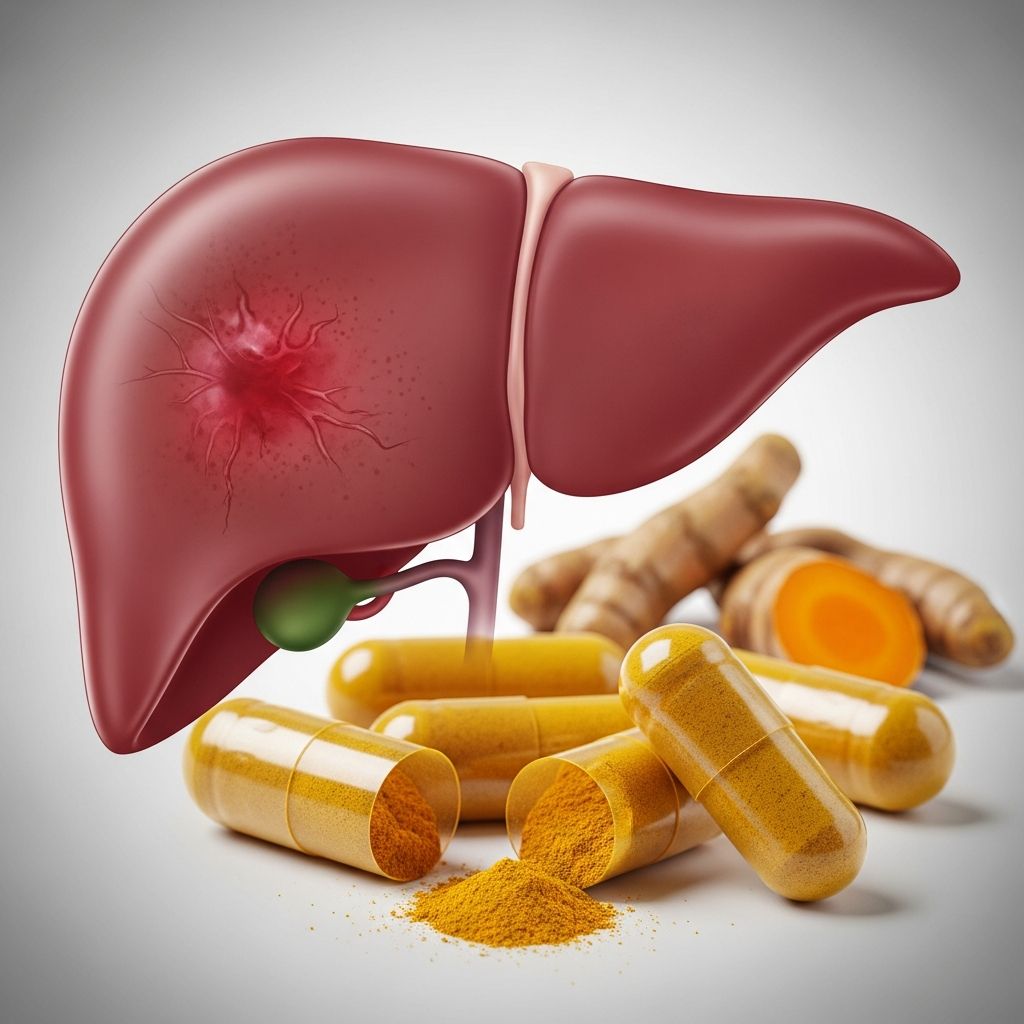
Turmeric supplements, prized for their curcumin content and potential health benefits like reducing inflammation, have been associated with a growing number of liver injury cases in the United States. Health authorities report these incidents often involve enhanced bioavailability formulations containing piperine from black pepper, leading to acute hepatotoxicity that can progress to liver failure in severe cases.
What to Know About Turmeric Supplements and Liver Damage
Turmeric, derived from the Curcuma longa plant, has been used for centuries in cooking and traditional medicine. Its active compound, curcumin, is touted for anti-inflammatory, antioxidant, and joint health benefits. However, dietary supplements concentrating curcumin at high doses—often 500mg to 2000mg daily—pose risks not seen with culinary use. The National Institutes of Health’s LiverTox database notes turmeric as a leading cause of herbal-related liver injury, with dozens of cases documented since 2017, many resolving upon discontinuation but some requiring transplantation.
Enhanced formulations with piperine boost curcumin absorption by up to 2000%, potentially overwhelming liver metabolism. Yale New Haven Health experts warn that doses exceeding WHO recommendations (200-270mg daily based on body weight) heighten risks, especially for megadosing trends promoted on social media.
Symptoms of Liver Damage from Supplements
Early detection is critical as turmeric-induced liver injury often presents as hepatocellular damage with rapid enzyme elevation. Common symptoms include:
- Fatigue and weakness
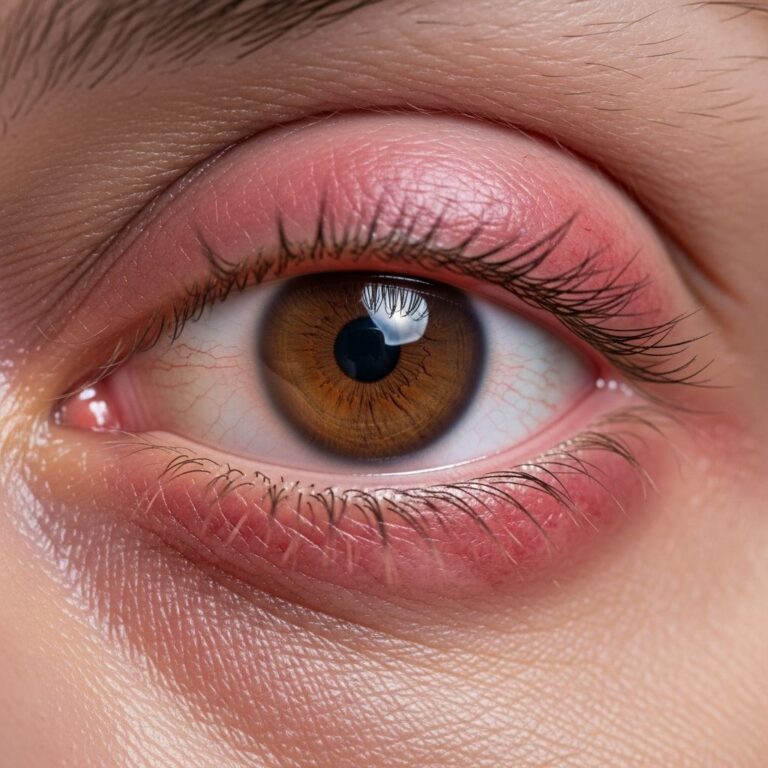
- Jaundice (yellowing of skin and eyes)
- Dark urine
- Pale stools
- Abdominal pain, nausea, or vomiting
- Itching or rash
These align with patterns in reported cases: elevated ALT (up to 2500 U/L), bilirubin rises, and low autoantibodies distinguishing it from autoimmune hepatitis. Prompt medical attention prevents progression to acute liver failure.
Who Is at Risk?
Certain groups face higher vulnerability:
- Women: Over 70% of cases are female, possibly due to higher supplement use or metabolic differences.
- Older adults: Many cases in 50-70 age range.
- Those with preexisting liver conditions: Chronic disease amplifies failure risk.
- Users of high-dose or piperine-enhanced products: Common in brands like those tested in case reports.
- Concurrent medication users: Interactions with blood thinners, diabetes drugs, or hormones.
Pregnant or breastfeeding women, those with gallstones, kidney issues, or hormone-sensitive cancers should avoid entirely.
Case Studies: Real-Life Examples of Turmeric Liver Injury
LiverTox details compelling cases underscoring the issue’s severity:
| Case | Age/Sex | Dose | Onset | Peak Labs | Outcome |
|---|---|---|---|---|---|
| 1 | 52F | 500mg daily | 14 months | ALT 2591, Bilirubin 9.5 | Death from liver failure |
| 2 | 55M | Unspecified | 5 months | ALT 1149, Bilirubin 1.3 | Recovered in 2 months |
| 3 | 57F | Unspecified | 3 months | ALT 1414, Bilirubin 8.6 | Recovered in 2 months |
| 4 | 53F | Unspecified | 2 months | ALT 733, Bilirubin 1.8 | Recovered in 1 month |
In one instance, a woman rechallenged herself, confirming causality as injury recurred. Products tested pure, ruling out contaminants. Jefferson Health notes black pepper synergy in many implicated supplements.
Why Are Turmeric Supplements Causing Liver Issues Now?
Historically safe in food, turmeric’s supplement boom correlates with injury reports. Factors include:
Related Stories



- Bioavailability enhancers: Piperine increases exposure, shifting risk profile.
- Higher doses: Supplements far exceed culinary amounts.
- Market growth: US sales surged, with lax FDA oversight as ‘foods’ not drugs.
- Social media hype: Influencers promote unverified benefits, ignoring risks.
Incidence is rare (1:10,000-1:100,000 users) but rising, earning turmeric a Likelihood Score A for hepatotoxicity.
Expert Recommendations: Safer Ways to Use Turmeric
Experts like Dr. Joseph K. Lim urge caution:
“Just because a supplement is ‘natural’ doesn’t mean it’s safe. Use under medical supervision, especially with conditions or medications.”
- Stick to food sources: Spices in cooking rarely cause issues.
- Avoid high-dose supplements; cap at WHO limits if using.
- Consult doctors before starting, particularly if at-risk.
- Monitor for symptoms; discontinue immediately if appearing.
- Choose third-party tested products, though no guarantee.
Recovery typically occurs in 1-3 months post-discontinuation, but avoid rechallenge.
Other Supplements Linked to Liver Damage
Turmeric isn’t alone; 20% of US drug-induced liver injuries stem from supplements. High-risk others include:
- Green tea extract (catechins)
- Black cohosh
- Kava
- Garlic supplements
- Comfrey
- Chaparral
- Aconite
- Germander
- Greater celandine
- Green coffee bean extract
Frequently Asked Questions (FAQs)
Can turmeric supplements cause liver failure?
Yes, though rare. Severe cases have led to failure, death, or transplant, especially if continued after symptoms.
Is culinary turmeric safe for the liver?
Yes, food amounts are generally safe, unlike concentrated supplements.
How does black pepper in turmeric supplements increase risk?
Piperine enhances curcumin absorption, increasing liver exposure.
What should I do if I experience liver symptoms on turmeric?
Stop immediately and seek medical care for tests.
Are there safe alternatives for turmeric benefits?
Discuss with a doctor; options like diet, exercise, or prescribed anti-inflammatories may suit better.
Who should avoid turmeric supplements entirely?
Pregnant/breastfeeding women, those with liver/gallbladder issues, diabetes, or on certain meds.
This article synthesizes data from authoritative sources, emphasizing evidence-based risks without alarmism. Always prioritize professional medical advice over supplements.
References
- LiverTox: Clinical and Research Information on Drug-Induced Liver Injury – Turmeric — National Center for Biotechnology Information, NIH. 2023 (updated). https://www.ncbi.nlm.nih.gov/books/NBK548561/
- Turmeric and 10 other popular supplements that can damage your liver — Yale New Haven Health. 2025-09-11. https://www.ynhhs.org/articles/supplements-liver-damage
- The Trouble With Turmeric: Associated Liver Injuries — Jefferson Health. 2023 (accessed 2026). https://www.jeffersonhealth.org/your-health/living-well/the-trouble-with-turmeric-associated-liver-injuries
Similar Articles








Read full bio of medha deb