Turmeric Supplements Linked to Liver Injury
Experts warn of rising liver damage cases from popular turmeric supplements, especially enhanced bioavailability forms.
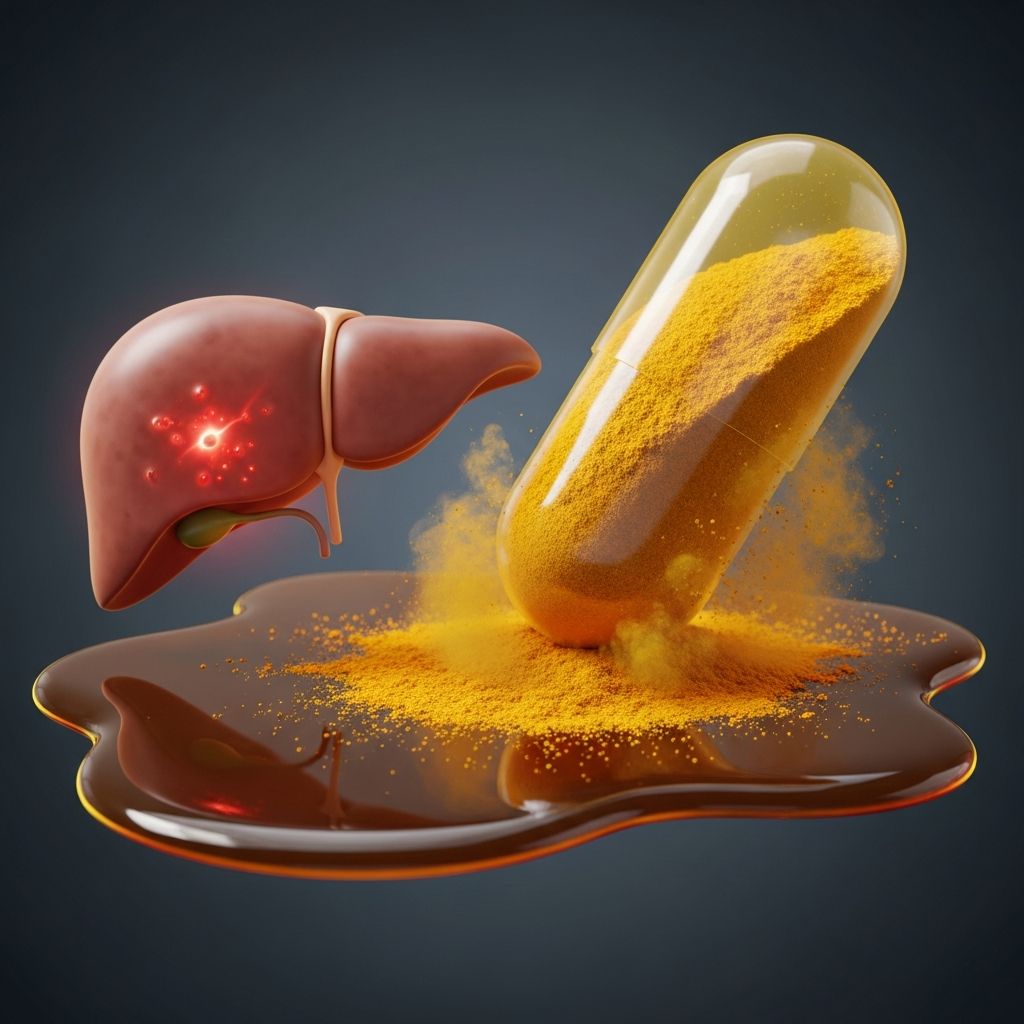
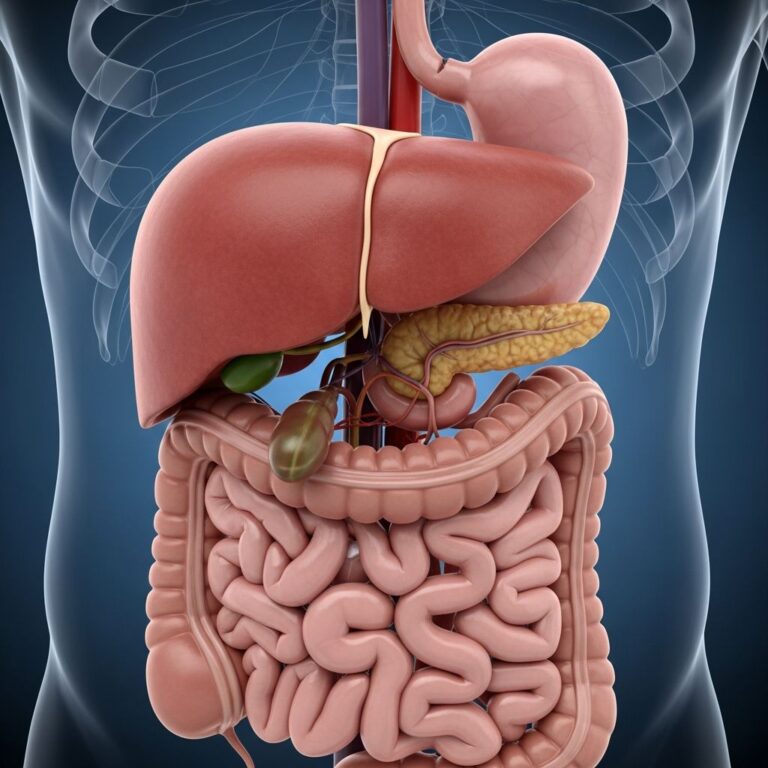
Turmeric supplements, long celebrated for their anti-inflammatory and antioxidant properties, have been associated with a growing number of liver injury cases, according to recent medical reports and expert analyses. While the spice in culinary amounts is generally safe, high-dose formulations1articularly those enhanced with black pepper for better absorption1pose significant risks to liver health.
What to Know About Turmeric and Liver Damage
Turmeric, derived from the Curcuma longa plant, contains curcumin, the active compound credited with potential benefits for arthritis, digestion, and inflammation. For centuries, it has been used in traditional medicine and cooking without notable issues. However, the surge in concentrated supplements has changed this narrative.
Recent data from the U.S. Drug-Induced Liver Injury Network (DILIN) reveals turmeric as a leading cause of herbal-related liver injuries. Clinically apparent cases have risen sharply, with patterns of hepatocellular damage1marked by elevated liver enzymes like ALT1predominating. The National Institutes of Health’s LiverTox database classifies turmeric’s hepatotoxicity likelihood as ‘A,’ indicating it is a well-documented cause.
Why now? Supplements often deliver curcumin doses far exceeding safe limits. The World Health Organization suggests no more than 200-270 mg daily based on body weight, yet many products contain 1,000-2,000 mg or more, amplified by piperine from black pepper, which boosts bioavailability by up to 2,000%. This enhanced absorption, while improving efficacy, also heightens toxicity risks.
Symptoms of Liver Injury from Turmeric
Liver damage from turmeric typically manifests as acute hepatitis, with symptoms appearing 1-5 months after starting supplementation. Common signs include:
- Fatigue and weakness
- Jaundice (yellowing of skin and eyes)
- Dark urine
- Pale stools
- Abdominal pain, especially upper right quadrant
- Nausea, vomiting, or loss of appetite
- Itching or rash in severe cases
These align with hepatocellular injury patterns, where ALT levels can spike dramatically1often over 1,000 U/L1while alkaline phosphatase remains mildly elevated. Bilirubin rises, sometimes exceeding 10 mg/dL in severe instances.
Women appear disproportionately affected, possibly due to higher supplement use or genetic factors. Autoantibodies may be present at low levels, mimicking autoimmune hepatitis, but biopsies confirm drug-induced patterns without significant inflammation response to steroids.
Case Reports: Real-World Examples
Documented cases underscore the severity. LiverTox details over a dozen U.S. instances since 2017, including:
- A 52-year-old woman developed ALT of 2,591 U/L and bilirubin 9.5 mg/dL after 14 months on 500 mg turmeric daily. Injury recurred upon rechallenge, confirming causality. Severity: 5+ (leading to acute liver failure and death).
- A 55-year-old man saw ALT 1,149 U/L after 1 month; resolved in 2 months after discontinuation, with product testing negative for contaminants.
- Two women (57 and 53 years old) experienced symptoms after 2-3 months, with ALT peaks of 1,414 and 733 U/L; both recovered within 1-2 months.
A Yale hepatologist notes 20% of U.S. drug-induced liver injuries stem from supplements, with turmeric prominent due to social media hype. High doses cause not just liver issues but also nausea, diarrhea, low blood sugar, and kidney stones.
Related Stories



| Case | Age/Sex | Latency | Peak ALT (U/L) | Peak Bilirubin (mg/dL) | Outcome |
|---|---|---|---|---|---|
| Case 1 | 52F | 14 months | 2591 | 9.5 | Fatal |
| Case 2 | 55M | 1 month | 1149 | 1.3 | Recovered (2 mo) |
| Case 3 | 57F | 3 months | 1414 | 8.6 | Recovered (2 mo) |
| Case 4 | 53F | 2 months | 733 | 1.8 | Recovered (1 mo) |
These cases highlight rapid onset post-high-dose exposure and resolution upon cessation, though 5-10% progress to failure requiring transplant.
Why Turmeric Supplements Cause Liver Damage
Several factors contribute:
- Bioavailability Enhancers: Piperine (black pepper) dramatically increases curcumin absorption, leading to toxic systemic levels.
- High Doses: Supplements provide 10-20x culinary amounts, overwhelming liver metabolism.
- Contaminants: Though rare in tested products, adulterants like heavy metals have been suspected historically.
- Genetic Susceptibility: Variants in curcumin metabolism genes may predispose certain individuals.
- Polypharmacy: Interactions with medications like estrogens or antibiotics complicate attribution.
Unlike food turmeric, supplements lack pre-market FDA testing as ‘foods,’ not drugs, allowing variability in purity and potency.
Who Is at Risk?
Vulnerable groups include:
- Women (higher case rate)
- Those with preexisting liver conditions
- Pregnant or breastfeeding individuals
- People with gallstones, kidney stones, or diabetes
- Users of hormone-sensitive cancer treatments
Incidence is low1estimated 1:10,000 to 1:100,000 users1but rising with popularity.
Safe Usage and Prevention Tips
To minimize risks:
- Stick to Culinary Use: Spice in food rarely exceeds safe doses.
- Limit Supplements: Cap at 200-500 mg curcumin daily; avoid piperine-enhanced unless medically supervised.
- Consult Professionals: Discuss with doctors, especially if on meds or high-risk.
- Monitor Symptoms: Stop immediately if liver signs appear; seek tests (ALT, bilirubin).
- Choose Reputable Brands: Look for third-party testing (USP, NSF).
Management: Discontinue promptly; most recover in 1-4 weeks. Severe cases may need hospitalization, N-acetylcysteine, or transplant. Avoid rechallenge.
Frequently Asked Questions (FAQs)
Is turmeric safe to eat in food?
Yes, culinary turmeric is safe and unlikely to cause liver injury due to low doses.
Can turmeric supplements help with inflammation?
Some evidence supports modest benefits for arthritis at low doses, but risks outweigh for many.
How common is liver injury from turmeric?
Rare (1:10,000-100,000 users), but it’s now the top herbal cause in the U.S.
What if I experience symptoms?
Stop the supplement and see a doctor urgently for liver function tests.
Are all turmeric supplements risky?
Primarily high-dose, piperine-enhanced ones; plain spice powder or tea has caused rare cases.
Expert Advice: Proceed with Caution
Hepatologists like Dr. Joseph K. Lim urge skepticism toward social media supplement trends. ‘Natural’ does not mean safe; treat supplements like drugs under medical guidance. As cases mount, awareness is key to preventing avoidable harm.
References
- LiverTox: Turmeric 1 National Center for Biotechnology Information, NIH. 2023 (updated). https://www.ncbi.nlm.nih.gov/books/NBK548561/
- Turmeric and 10 other popular supplements that can damage your liver 1 Yale New Haven Health. 2025-09-11. https://www.ynhhs.org/articles/supplements-liver-damage
- The Trouble With Turmeric: Associated Liver Injuries 1 Jefferson Health. 2023 (accessed 2026). https://www.jeffersonhealth.org/your-health/living-well/the-trouble-with-turmeric-associated-liver-injuries
Similar Articles








Read full bio of medha deb