Turner Syndrome: Causes, Symptoms & Treatment
Understanding Turner Syndrome: causes, symptoms, diagnosis, and comprehensive treatment options.
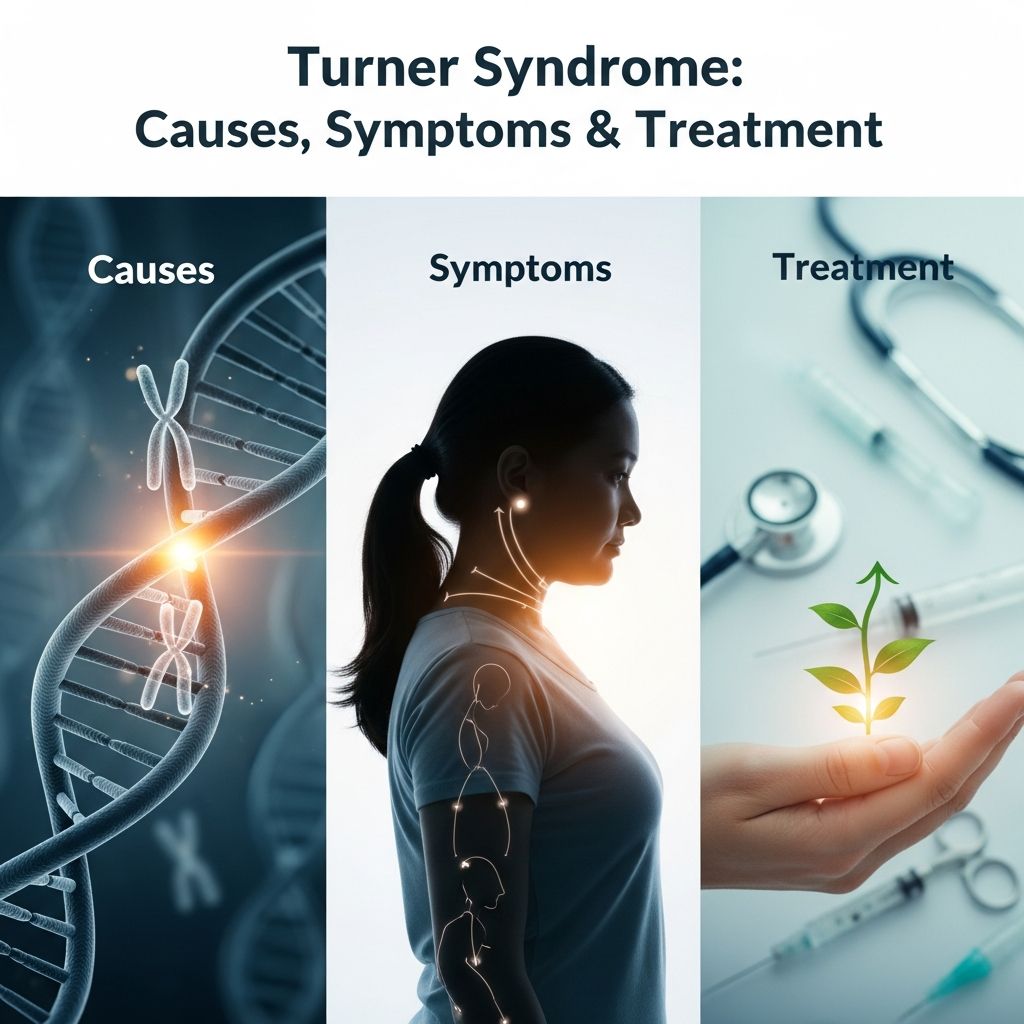
Turner syndrome is a rare genetic condition that occurs when a female is born with a missing or partially missing X chromosome. This chromosomal disorder affects approximately 1 in 2,000 female births and can impact physical development, fertility, growth patterns, and overall health throughout a person’s lifetime. While there is currently no cure for Turner syndrome, early diagnosis and comprehensive treatment can help manage symptoms and improve quality of life significantly.
What Is Turner Syndrome?
Turner syndrome happens when your female baby is born with a missing or partial X chromosome. Females typically have two X chromosomes, but those with Turner syndrome have only one complete X chromosome or are missing portions of the second X chromosome. This chromosomal abnormality occurs randomly during fetal development and is not inherited from parents. The condition causes a range of symptoms affecting physical stature, sexual development, heart function, and cognitive abilities.
The severity and specific manifestations of Turner syndrome vary considerably from person to person. Some individuals may have mild symptoms, while others experience more significant health challenges. Understanding your child’s individual presentation is crucial for developing an effective treatment plan tailored to their unique needs.
Causes of Turner Syndrome
Turner syndrome results from a chromosomal abnormality that occurs spontaneously during fetal development. The exact cause of the missing or partial X chromosome is not fully understood, but it happens randomly and is not caused by anything parents did or did not do during pregnancy. This means Turner syndrome cannot be prevented and is not hereditary—it does not run in families and cannot be passed from parent to child, with very rare exceptions.
The chromosomal error can take several forms. Some individuals have complete monosomy X, meaning they are missing an entire X chromosome. Others have mosaic Turner syndrome, where some cells have two X chromosomes while others have only one. Still others may have a structurally abnormal X chromosome. These variations affect how the condition manifests and which symptoms are most prominent.
Symptoms and Characteristics of Turner Syndrome
Turner syndrome can cause a wide range of physical and developmental symptoms. The specific symptoms each person experiences depend on their individual genetic makeup and the extent of the chromosomal abnormality. Early recognition of these symptoms is important for timely diagnosis and treatment initiation.
Physical Features and Characteristics
Individuals with Turner syndrome often display distinctive physical characteristics that may be noticeable from infancy or early childhood:
– Short stature and slow growth pattern- A wide or weblike neck with extra folds of skin- Receding or small lower jaw and a high, narrow roof of the mouth (palate)- Low-set ears and a low hairline- Broad chest with widely spaced nipples- Arms that turn outward at the elbows- Short fingers and toes with narrow fingernails and toenails- Swelling or puffiness in the hands and feet, particularly in infancy
Developmental and Health Concerns
Beyond physical appearance, Turner syndrome affects multiple body systems and developmental processes:
Related Stories



Growth and Height Issues: Short stature is one of the most common characteristics of Turner syndrome. Without growth hormone treatment, individuals with Turner syndrome typically reach an average adult height of 4 feet 8 inches, which is significantly below average for women.Delayed or Absent Puberty: Many individuals with Turner syndrome experience delayed puberty or may not undergo normal sexual development without hormone replacement therapy. The ovaries may not function properly or may be underdeveloped, leading to infertility concerns.Cognitive and Learning Challenges: Some individuals experience memory issues, clumsiness, and difficulty understanding social cues. Learning disabilities and attention problems may also be present, though intellectual disability is not typical.Heart Problems: Approximately 25-30% of people with Turner syndrome have congenital heart defects, including bicuspid aortic valve and aortic stenosis. High blood pressure is also common and requires ongoing monitoring.Kidney and Urinary Issues: About 30-40% of those with Turner syndrome have kidney and urinary system problems, ranging from structural abnormalities to functional difficulties.Hearing and Vision Problems: Individuals with Turner syndrome are likely to experience hearing loss, frequent middle ear infections, lazy eye, crossed eyes, and drooping eyelids. Regular vision and hearing assessments are essential.Skeletal Issues: Osteoporosis and bone weakness are common concerns, particularly after puberty, making regular bone density monitoring important.
Diagnosis of Turner Syndrome
Turner syndrome can be diagnosed prenatally, at birth, or later in childhood or adolescence. The timing of diagnosis often depends on when physical symptoms become apparent or when medical professionals recognize characteristic features.
Prenatal Diagnosis
Turner syndrome may be suspected during prenatal screening through:
– Blood sample testing to detect whether the baby is missing all or part of an X chromosome- Amniocentesis, where the doctor removes protective fluid surrounding the unborn baby from the uterus for genetic testing- Chorionic villus sampling (CVS), typically performed around 10-12 weeks of pregnancy, which involves removing tissue samples from the placenta for testing
Postnatal Diagnosis
After birth, Turner syndrome is diagnosed through a genetic test called karyotype analysis, which examines the chromosomes. This remains the gold standard diagnostic test. Sometimes the diagnosis is made later in childhood or adolescence when growth delays, delayed puberty, or other characteristic features become apparent.
If Turner syndrome is suspected based on physical characteristics or developmental concerns, your doctor will recommend karyotype testing along with evaluations for associated health conditions. These may include tests for kidney function, heart structure and function, hearing, and vision.
Treatment Options for Turner Syndrome
While there is currently no cure for Turner syndrome, various medications and therapies can effectively manage symptoms and help individuals achieve better health outcomes. Treatment is most effective when started early and involves a multidisciplinary approach addressing all aspects of the condition.
Hormone Therapy
Growth Hormone Therapy: Growth hormone therapy is the primary treatment for addressing short stature in Turner syndrome. When started early—ideally in childhood—growth hormone therapy can significantly increase height and help individuals reach a more typical adult stature. The earlier treatment begins, the more effective it tends to be in maximizing height potential.
Estrogen Replacement Therapy: Estrogen therapy is essential for initiating and promoting puberty in individuals with Turner syndrome whose ovaries do not produce adequate hormones. This therapy helps develop secondary sexual characteristics, including breast development, menstruation, and bone health. Estrogen replacement also plays a crucial role in preventing osteoporosis and maintaining cardiovascular health.
Other Management Strategies
Beyond hormone therapy, comprehensive Turner syndrome management includes:
– Regular cardiovascular monitoring and management of blood pressure- Kidney function monitoring and urological care- Hearing and vision assessments and interventions as needed- Bone density monitoring and osteoporosis prevention- Fertility counseling and reproductive options discussion- Mental health support and behavioral health services- Educational support and learning disability services when applicable
Building Your Child’s Turner Syndrome Care Team
Comprehensive care for Turner syndrome requires a multidisciplinary approach with specialized healthcare providers. When possible, children with Turner syndrome should be cared for in a dedicated multidisciplinary clinic where providers from many different specialties work together to confirm diagnosis and plan personalized care.
Your child’s care team should include various specialists, each with a specific role:
– Pediatric Endocrinologist: Manages growth hormone therapy and hormone replacement- Cardiologist: Monitors heart health and manages cardiovascular concerns- Nephrologist: Addresses kidney and urinary system issues- Audiologist and Otolaryngologist: Manages hearing problems and ear infections- Ophthalmologist: Addresses vision concerns- Neuropsychologist and Behavioral Health Specialist: Provides developmental and behavioral screenings and mental health support- Primary Care Pediatrician: Coordinates overall care and manages general health needs
Each child is an individual, and it’s important to cultivate a care team that you trust to support your child and your family along the health care journey.
Living With Turner Syndrome
Caring for a child with Turner syndrome requires ongoing attention, compassion, and regular medical oversight. Parents and caregivers should:
– Pay attention to growth and developmental milestones- Seek medical help when noticing unusual features or symptoms- Maintain regular visits with pediatrician and endocrinologist- Follow up with specialists as recommended- Ensure hormone therapy is taken as prescribed- Monitor for complications and address concerns promptly- Provide emotional support and mental health resources- Advocate for educational accommodations if needed
Early diagnosis and treatment are key to managing Turner syndrome effectively. Certain treatments, like hormone therapy, are most effective when started early. Your child will likely need frequent check-ups throughout childhood and into adulthood to prevent and manage health complications.
Mental Health and Psychosocial Support
Turner syndrome can affect self-esteem, body image, and social development. You or your child may benefit from talk therapy to address mental health concerns linked to Turner syndrome, including low self-esteem, anxiety, and depression. Professional mental health support is an essential component of comprehensive care and can help individuals develop healthy coping strategies and positive self-image.
Long-Term Outlook
Turner syndrome affects everyone differently, and it’s impossible to predict exactly how it will affect your individual child. However, with proper medical management, early intervention, and comprehensive support, many individuals with Turner syndrome lead healthy, fulfilling lives. The best way to prepare is to talk with healthcare providers who specialize in Turner syndrome and can help you navigate the lifelong treatment and support your child will need.
Frequently Asked Questions About Turner Syndrome
Q: Can Turner syndrome be cured?
A: No, there is currently no cure for Turner syndrome. However, various treatments and therapies can effectively manage symptoms and help individuals achieve better health outcomes and quality of life.
Q: Is Turner syndrome hereditary?
A: Turner syndrome is not considered hereditary and generally is not passed from parent to child. It occurs randomly due to a chromosomal abnormality during fetal development and cannot be prevented.
Q: How is Turner syndrome diagnosed?
A: Turner syndrome is typically diagnosed through karyotype analysis, a genetic test that examines chromosomes. This can be done prenatally through amniocentesis or chorionic villus sampling, or after birth through blood tests.
Q: What is the average height of someone with Turner syndrome?
A: Without growth hormone treatment, individuals with Turner syndrome typically reach an average adult height of 4 feet 8 inches. Growth hormone therapy started early can help increase height potential significantly.
Q: Can people with Turner syndrome have children?
A: Most individuals with Turner syndrome have difficulty conceiving naturally due to ovarian function issues. However, fertility options such as egg donation and assisted reproductive technologies may be available. Fertility counseling is recommended.
Q: How often should children with Turner syndrome see their doctors?
A: Children with Turner syndrome require frequent medical check-ups to monitor growth, development, hormone therapy effectiveness, and potential complications. Your healthcare team will recommend appropriate follow-up schedules.
Q: Are there learning disabilities associated with Turner syndrome?
A: While intellectual disability is not typical, some individuals may experience memory issues, clumsiness, and difficulty understanding social cues. Learning disabilities can occur and educational support may be beneficial.
Q: What heart problems are associated with Turner syndrome?
A: Approximately 25-30% of people with Turner syndrome have congenital heart defects, most commonly bicuspid aortic valve and aortic stenosis. High blood pressure is also common and requires ongoing monitoring.
References
- Turner Syndrome: Causes, Symptoms & Treatment — Cleveland Clinic. 2025-05-13. https://my.clevelandclinic.org/health/diseases/15200-turner-syndrome
- Turner Syndrome Treatment — Cleveland Clinic Children’s. 2025. https://my.clevelandclinic.org/pediatrics/services/turner-syndrome-treatment
- What Is Turner Syndrome? — WebMD. 2024. https://www.webmd.com/children/what-is-turner-syndrome
- Turner Syndrome: Symptoms, Diagnosis, and Support Resources — Disability Resources. 2024. https://www.disabilityresources.org/turners.html
- Turner Syndrome & Family History/Heredity — Turner Syndrome Foundation. 2023-03-11. https://turnersyndromefoundation.org/2023/03/11/family-history-heredity-in-turner-syndrome/
Similar Articles








Read full bio of Sneha Tete