Twin-to-Twin Transfusion Syndrome: Causes, Symptoms & Treatment
Understanding TTTS: A serious prenatal condition affecting identical twins sharing one placenta.
Twin-to-Twin Transfusion Syndrome (TTTS): Understanding This Serious Prenatal Condition
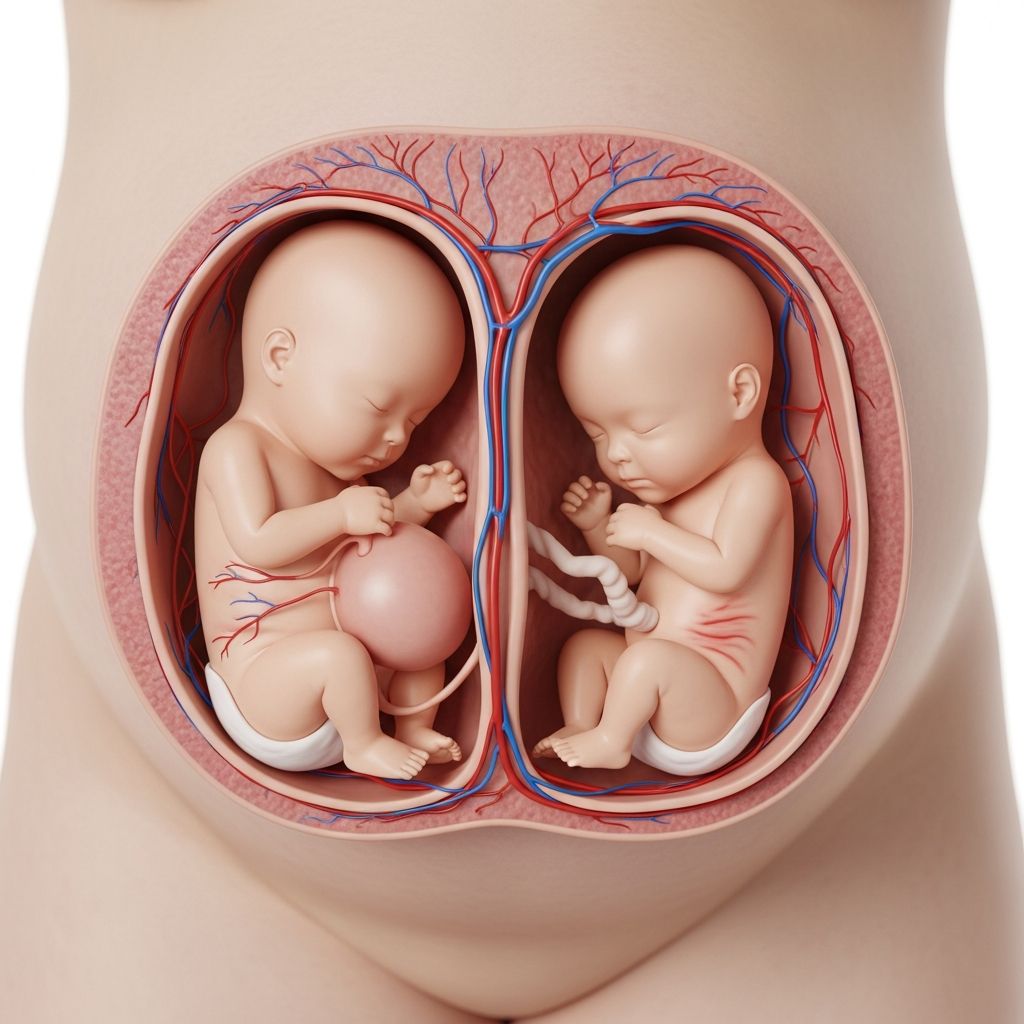
Twin-to-twin transfusion syndrome (TTTS) is a rare but serious condition that occurs exclusively in monochorionic pregnancies, where identical twins share a single placenta. This condition develops when blood passes unequally between the twins through abnormal blood vessel connections in the placenta, causing one twin to receive an excessive amount of blood while the other receives insufficient blood supply. Without proper intervention, TTTS can be life-threatening for both twins, making early detection and comprehensive management essential for improving outcomes.
What is Twin-to-Twin Transfusion Syndrome?
Twin-to-twin transfusion syndrome is a progressive disorder that affects approximately 10-15% of monochorionic twin pregnancies. Unlike dichorionic twins (identical twins with separate placentas), monochorionic twins share a single placental unit, which creates the potential for blood vessel connections to develop between their circulations. In most cases, these connections allow for balanced blood flow between the twins. However, in TTTS cases, an imbalance develops where one twin (the donor) loses blood to the other twin (the recipient), resulting in a significant hemodynamic disparity.
The defining characteristic of TTTS is that the twins do not have malformations or genetic abnormalities. Rather, the condition arises from the anatomical arrangement of their shared placenta and the unequal distribution of blood flow through abnormal or imbalanced blood vessel connections.
Understanding the Causes of TTTS
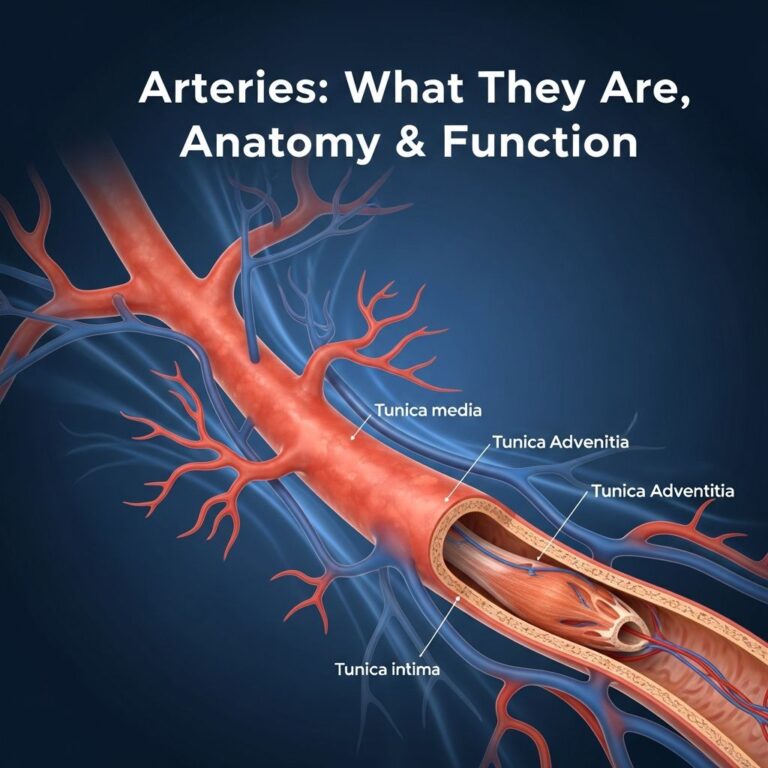
The primary cause of TTTS involves an increased number of arteriovenous (AV) anastomoses deep within the placenta, specifically in the cotyledon portion. These are small capillary connections where an artery from one twin’s umbilical cord enters the placenta to obtain oxygen and nutrients from maternal circulation. However, instead of a corresponding vein returning the nutrient-rich blood to the same twin, it becomes redirected to the other twin through an abnormal connection. When these AV anastomoses are unbalanced, unidirectional blood flow occurs, with blood being shunted toward one twin and away from the other.
It is important to note that there are no known genetic causes of TTTS. The condition develops randomly and is not something that mothers did or could have prevented. The exact mechanisms underlying why some monochorionic twins develop imbalanced blood vessel connections while others do not remain not fully understood.
Stages and Progression of TTTS
Twin-to-twin transfusion syndrome typically develops as early as 16 weeks of pregnancy but can develop at any point during gestation. The condition presents as a characteristic series of pregnancy changes due to the unequal blood distribution between the twins:
Stage 1: Initial Amniotic Fluid Imbalance
In Stage 1, the hallmark findings include an amniotic fluid pocket of less than 2 centimeters in the donor twin’s sac (oligohydramnios) and a pocket greater than 8 centimeters in the recipient twin’s sac (polyhydramnios). At this stage, the donor twin produces less urine due to reduced blood flow, resulting in minimal amniotic fluid accumulation. The recipient twin, receiving excess blood, produces more urine than normal, leading to an enlarged amniotic sac.
Progression to Later Stages
As TTTS progresses through subsequent stages, complications become more severe. The donor twin may develop a non-visible or absent bladder as urine production continues to decline. The recipient twin may develop cardiac complications, including heart failure and generalized soft tissue swelling (hydrops fetalis). The twins typically show significant discordance in estimated fetal weights, with the recipient appearing larger and the donor appearing smaller than expected for their gestational age.
Clinical Manifestations in the Donor Twin
The donor twin experiences significant challenges due to insufficient blood supply. Receiving too little blood results in slower growth and reduced size compared to the recipient twin. The decreased blood volume leads to inadequate urine production, causing oligohydramnios—a critically low level of amniotic fluid surrounding the donor fetus. As amniotic fluid levels decrease, the fetal bladder becomes small or completely invisible on ultrasound, as it receives minimal urine production.
Related Stories



The shrinking amniotic sac presents serious concerns because it can affect fetal movement and compress the umbilical cord, potentially compromising blood flow further. Additionally, the donor twin faces risk of organ failure, particularly kidney failure, due to persistently inadequate blood perfusion. The donor twin may also develop growth restriction and appear failure-to-thrive in the intrauterine environment.
Clinical Manifestations in the Recipient Twin
The recipient twin faces equally serious complications from receiving excessive blood volume. The excess blood puts significant strain on the recipient’s heart, as the organ must work harder to circulate the increased volume. This can lead to cardiac dysfunction and, in severe cases, congestive heart failure. The recipient twin’s blood may become thickened and viscous, making it more difficult to pump effectively throughout the body.
In response to excess blood volume, the recipient twin produces abnormally large amounts of urine in an attempt to reduce the excessive fluid load. This leads to polyhydramnios—an excessive accumulation of amniotic fluid in the recipient’s sac. The recipient twin typically grows larger than normal and may develop hydrops fetalis, characterized by generalized soft tissue edema and fluid accumulation in body cavities. In severe cases, the recipient twin may experience intrauterine fetal death.
Maternal Symptoms and Complications
While TTTS primarily affects the fetal twins, mothers carrying babies with this condition often experience maternal symptoms as well. Women may experience significant abdominal discomfort and pain due to the polyhydramnios affecting the recipient twin, as excessive amniotic fluid causes uterine overdistension. If left untreated, the excessive fluid accumulation can lead to rupture of membranes and premature labor, threatening the viability and health of both twins.
Diagnosis of Twin-to-Twin Transfusion Syndrome
Accurate diagnosis of TTTS relies primarily on ultrasound imaging and requires specific diagnostic criteria. Prenatal ultrasound examination reveals the characteristic findings of amniotic fluid discordance between the twins. True TTTS is diagnosed when ultrasound demonstrates:
- A deepest pocket of amniotic fluid measuring less than 2 centimeters in the donor twin’s sac
- A deepest pocket of amniotic fluid measuring greater than 8 centimeters in the recipient twin’s sac
- Confirmation of a monochorionic placental arrangement
- Evidence of blood vessel connections between the twins’ circulations
Serial ultrasound examinations are critical for monitoring disease progression and assessing the severity of TTTS. Additional findings may include cardiac dysfunction in the recipient twin, absent or non-visualized fetal bladder in the donor twin, and significant growth discordance between the twins.
Prognosis Without Treatment
The prognosis for TTTS without intervention is gravely concerning. Approximately 70-80% of twins affected by TTTS will die without treatment. For those survivors, the condition carries substantial risk of serious complications. If one twin dies in utero, the surviving twin faces significant risk of death or irreversible damage to vital organs. Among surviving twins where one twin has died, there is up to a 40% risk of some form of brain injury due to sudden hemodynamic changes and potential acute blood loss through the placental vascular connections.
Even when both twins survive TTTS, survivors may experience lasting injuries to their brains, hearts, and kidneys. The severity of these complications correlates with the severity of the TTTS at diagnosis and the presence of hydrops fetalis.
Treatment Options for TTTS
Several treatment approaches are available for managing TTTS, and the choice depends on the severity of the condition, gestational age at diagnosis, and individual clinical circumstances. Early detection and intervention significantly improve outcomes for both twins.
Selective Laser Photocoagulation
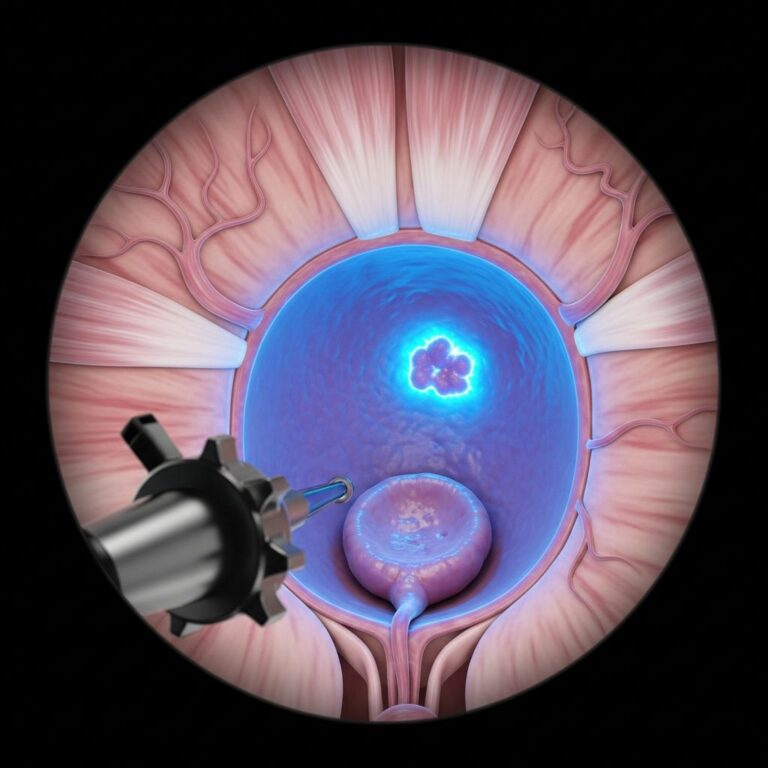
Selective laser photocoagulation is a minimally invasive intrauterine surgical technique that represents one of the most effective treatments for TTTS. During this procedure, a fetoscope is inserted into the uterus, and a laser is used to precisely ablate (destroy) the abnormal blood vessel connections in the placenta that allow blood transfusion between the twins. By eliminating these pathologic connections, the procedure stops the unequal blood flow and allows both twins’ circulations to function independently.
Amnioreduction
Amnioreduction involves the removal of excess amniotic fluid from the recipient twin’s sac through a needle passed through the maternal abdomen into the uterus. This procedure provides temporary relief of polyhydramnios and may reduce maternal symptoms. However, amnioreduction does not address the underlying cause of TTTS and is often considered a temporizing measure rather than definitive treatment.
Serial Amnioreduction
Some cases may be managed with repeated amnioreduction procedures performed at intervals throughout pregnancy. This approach aims to maintain more balanced amniotic fluid volumes while the pregnancy continues. However, this strategy requires careful monitoring and multiple procedures.
Expectant Management
In select cases with mild TTTS identified late in pregnancy, careful expectant management with frequent monitoring may be considered, particularly if delivery is anticipated within a short timeframe. However, this approach carries significant risk and requires experienced fetal medicine specialists.
Importance of Early Detection
Early detection of TTTS is critical for improving outcomes. Twins diagnosed with TTTS in early stages have better prognosis with intervention compared to those diagnosed in advanced stages with severe complications. This underscores the importance of regular prenatal ultrasound screening in all monochorionic twin pregnancies, particularly during the second trimester when TTTS most commonly develops.
Living with TTTS: Support and Resources
Families facing a TTTS diagnosis require comprehensive support, including access to experienced fetal medicine specialists, maternal-fetal medicine experts, and neonatologists. Multidisciplinary care teams provide the best outcomes for these complex pregnancies. Patient education, counseling, and connection with support networks help families navigate the emotional and medical challenges of this serious condition.
Frequently Asked Questions About TTTS
Q: Is TTTS hereditary or genetic?
A: No, TTTS is not hereditary or genetic. There are no known genetic causes of TTTS, and the condition develops randomly due to the anatomical arrangement of blood vessel connections in the shared placenta. Nothing the mother did or could have prevented caused TTTS.
Q: Can TTTS be detected during pregnancy?
A: Yes, TTTS can be detected through prenatal ultrasound screening. Diagnosis requires visualization of specific amniotic fluid measurements and confirmation of a monochorionic placenta. Regular ultrasound monitoring of monochorionic twin pregnancies is essential for early detection.
Q: What is the survival rate with treatment?
A: With appropriate treatment, particularly selective laser photocoagulation performed by experienced specialists, survival rates improve significantly compared to untreated TTTS. However, specific survival rates depend on disease severity, gestational age at diagnosis, and treatment approach chosen.
Q: When does TTTS typically develop?
A: TTTS typically develops as early as 16 weeks of pregnancy, but it can develop at any time during gestation. Regular ultrasound screening is particularly important starting in the second trimester.
Q: What should happen after TTTS treatment?
A: After treatment, close monitoring with frequent ultrasound examinations is necessary to assess treatment effectiveness, monitor fetal growth and development, and identify any complications. Delivery planning with a multidisciplinary team including maternal-fetal medicine and neonatology specialists ensures optimal outcomes.
References
- Twin-Twin Transfusion Syndrome — National Center for Biotechnology Information (NCBI) Bookshelf, StatPearls. 2024. https://www.ncbi.nlm.nih.gov/books/NBK563133/
- Twin-Twin Transfusion Syndrome (TTTS) — Children’s Hospital of Philadelphia (CHOP). 2024. https://www.chop.edu/conditions-diseases/twin-twin-transfusion-syndrome-ttts
- Twin-to-Twin Transfusion Syndrome (TTTS) — Cleveland Clinic Health Library. 2024. https://my.clevelandclinic.org/health/diseases/22985-twin-to-twin-transfusion-syndrome
- Twin to Twin Transfusion Syndrome (TTTS) — UCSF Center for Maternal Fetal Medicine. 2024. https://fetus.ucsf.edu/ttts/
- Twin-to-Twin Transfusion Syndrome (TTTS): Stages & Diagnosis — SSM Health Cardinal Glennon Fetal Care Institute. 2024. https://www.ssmhealth.com/cardinal-glennon/fetal-care-institute/fetal-conditions-we-treat/twin-abnormalities/twin-to-twin-transfusion-syndrome
- Twin to Twin Transfusion Syndrome (TTTS) — Children’s Hospital Colorado. 2024. https://www.childrenscolorado.org/conditions-and-advice/conditions-and-symptoms/conditions/twin-to-twin-transfusion-syndrome-ttts/
- Twin-to-Twin Transfusion Syndrome — Yale Medicine. 2024. https://www.yalemedicine.org/conditions/twin-to-twin-transfusion-syndrome
Similar Articles








Read full bio of Sneha Tete