Type 1 Diabetes: Causes, Symptoms, and Management
Complete guide to understanding Type 1 Diabetes: autoimmune disease affecting insulin production and blood sugar control.
Understanding Type 1 Diabetes
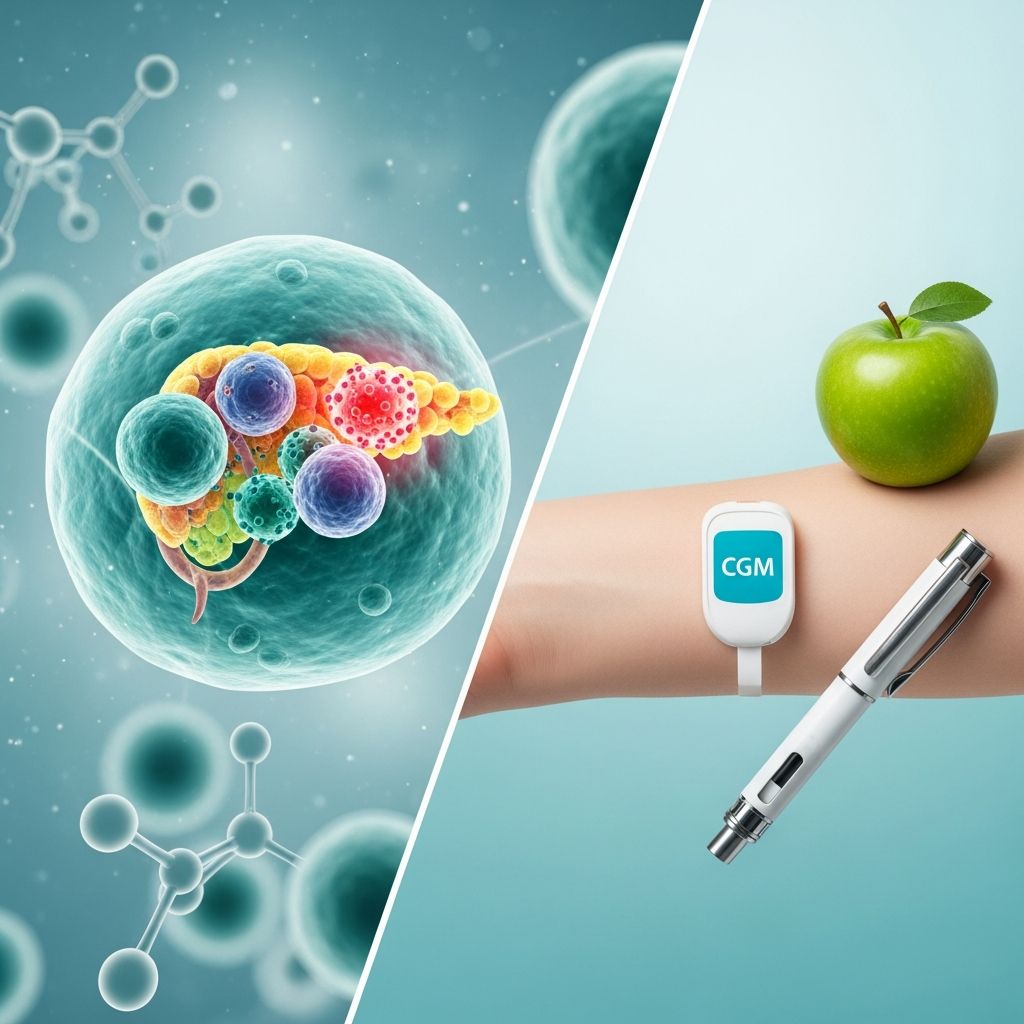
Type 1 Diabetes, also known as autoimmune diabetes, is a chronic condition in which the pancreas produces little to no insulin due to the immune system mistakenly attacking the insulin-producing cells. Unlike Type 2 Diabetes, which develops gradually and is often associated with lifestyle factors, Type 1 Diabetes typically appears suddenly, often in children and young adults, though it can develop at any age. This condition requires lifelong insulin therapy and careful management to maintain healthy blood sugar levels and prevent serious complications.
The condition results from the immune system’s inappropriate recognition of the islets of Langerhans—the only source of insulin in the body—as foreign invaders. This autoimmune response leads to the destruction of beta cells, which are responsible for producing insulin. Without adequate insulin, the body cannot effectively regulate blood glucose levels, leading to a buildup of sugar in the bloodstream.
What Causes Type 1 Diabetes?
Type 1 Diabetes develops through a combination of genetic predisposition and environmental triggers. Research demonstrates that the condition is an autoimmune disease with strong underlying genetic components that make certain individuals susceptible to developing the condition. Individuals with a family history of Type 1 Diabetes have a higher risk of developing the disease themselves.
The Autoimmune Process
The development of Type 1 Diabetes involves a complex immune system malfunction that occurs in several stages:
Stage 1: Antigen Presenting Cells (APCs) are exposed to insulin-producing cells in the pancreas and recognize them as abnormal.
Stage 2: These APCs travel to lymph nodes and other parts of the immune system, where they prime B Cells and T Cells against the insulin-producing cells.
Stage 3: Once activated, B Cells and T Cells proliferate and propagate signals throughout the immune system.
Stage 4: These immune cells search out and systematically destroy insulin-producing cells in the pancreas, leading to insulin deficiency.
Genetic and Environmental Factors
While genetics play a significant role in Type 1 Diabetes susceptibility, environmental factors are also believed to contribute to disease onset. Viral infections, dietary components, and other environmental exposures may trigger the autoimmune response in genetically predisposed individuals. However, having the genetic markers associated with Type 1 Diabetes does not guarantee that a person will develop the condition.
Recognizing the Symptoms of Type 1 Diabetes
Type 1 Diabetes symptoms often develop rapidly over a period of weeks or even days. Early recognition of these symptoms is crucial for timely diagnosis and treatment initiation. Common symptoms include:
Increased thirst: Excessive thirst (polydipsia) occurs as the body attempts to dilute excess glucose in the bloodstream.
Frequent urination: High blood sugar levels cause the kidneys to work harder to filter and absorb excess glucose, leading to increased urination.
Extreme fatigue: Without insulin, cells cannot access glucose for energy, resulting in persistent tiredness.
Irritability or unusual behavior: Fluctuating blood sugar levels can affect mood and cognitive function.
Related Stories



Bedwetting: In children who previously did not wet the bed, increased urination during sleep may occur.
Unexplained weight loss: As the body cannot use glucose for energy, it breaks down muscle and fat stores for fuel.
Severe Symptoms Requiring Immediate Medical Attention
Without prompt treatment, Type 1 Diabetes can lead to diabetic ketoacidosis (DKA), a life-threatening condition that requires emergency medical care. Warning signs include:
Dehydration: Severe fluid loss due to excessive urination and poor glucose utilization.
Altered mental status: Confusion, difficulty concentrating, or changes in consciousness.
Fruity-smelling breath: Indicates the presence of ketones in the bloodstream.
Shortness of breath: Rapid breathing as the body attempts to correct acidosis.
Nausea and vomiting: Gastrointestinal symptoms accompanying metabolic changes.
Abdominal pain: Discomfort in the stomach or abdomen.
Diagnosis of Type 1 Diabetes
Healthcare providers use several diagnostic methods to confirm Type 1 Diabetes and differentiate it from other conditions with similar symptoms. Diagnosis involves blood tests that examine glucose levels and specific antibodies associated with autoimmune destruction of pancreatic cells.
Diagnostic Tests and Procedures
Fasting blood glucose test: Measures blood sugar levels after an overnight fast. A reading of 126 mg/dL or higher on two separate occasions indicates diabetes.
Random blood glucose test: Measures blood sugar at any time of day. A reading of 200 mg/dL or higher, combined with diabetes symptoms, suggests Type 1 Diabetes.
Hemoglobin A1C test: Reflects average blood glucose levels over the past two to three months. A result of 6.5% or higher indicates diabetes.
Oral glucose tolerance test: Measures how the body processes glucose after consuming a sugary drink.
Antibody testing: The presence of specific antibodies—such as GAD, IA2, and islet cell antibodies—confirms autoimmune destruction and helps differentiate Type 1 from Type 2 Diabetes. These antibodies are typically found in individuals with Type 1 Diabetes but absent in those with Type 2 Diabetes.
Managing Type 1 Diabetes
Successful Type 1 Diabetes management requires a comprehensive approach combining insulin therapy, blood glucose monitoring, dietary management, and regular physical activity. The goal of treatment is to maintain blood glucose levels within target ranges to prevent both short-term emergencies and long-term complications.
Insulin Therapy
Insulin therapy is essential for all individuals with Type 1 Diabetes. Different types of insulin work at different speeds and have varying durations of action:
Rapid-acting insulin: Works within 15 minutes and peaks within 1-2 hours, typically used at mealtimes.
Short-acting insulin: Begins working within 30 minutes and lasts 5-8 hours.
Intermediate-acting insulin: Takes 2-4 hours to begin working and lasts 12-18 hours.
Long-acting insulin: Provides steady insulin levels throughout the day and night, lasting 24 hours or longer.
Insulin can be administered through multiple daily injections or continuous infusion using an insulin pump. Healthcare providers work with patients to develop personalized insulin regimens based on individual needs, lifestyle, and blood glucose patterns.
Blood Glucose Monitoring
Regular blood glucose monitoring helps individuals understand how food, activity, stress, and illness affect their blood sugar levels. Monitoring methods include:
Finger-stick blood glucose testing: Traditional method using a glucose meter to check blood sugar levels multiple times daily.
Continuous glucose monitors (CGMs): Wearable devices that track glucose levels throughout the day and night, providing real-time data and alerts for high or low blood sugar.
Flash glucose monitors: Scan-based systems that provide glucose readings without fingerstick testing.
Nutrition and Diet
A balanced diet is fundamental to Type 1 Diabetes management. Individuals should work with registered dietitian nutritionists to develop meal plans that account for carbohydrate content, as carbohydrates have the most direct impact on blood glucose levels. Key nutritional principles include:
Carbohydrate counting: Understanding the carbohydrate content of foods to match insulin doses appropriately.
Consistent meal timing: Regular eating schedules help coordinate insulin administration with nutrient absorption.
Balanced nutrition: Incorporating lean proteins, healthy fats, whole grains, and abundant fruits and vegetables.
Portion control: Appropriate serving sizes help maintain stable blood glucose levels.
Physical Activity
Regular exercise improves insulin sensitivity, helps maintain healthy weight, and promotes overall cardiovascular health. Physical activity recommendations include:
Aerobic exercise: At least 150 minutes per week of moderate-intensity activity such as brisk walking, cycling, or swimming.
Resistance training: 2-3 sessions per week of weight training or resistance exercises.
Flexibility and balance work: Stretching and activities like yoga to maintain mobility and reduce injury risk.
Individuals should monitor blood glucose before, during, and after exercise, as physical activity can lower blood sugar levels. Adjustments to insulin doses or carbohydrate intake may be necessary to prevent hypoglycemia during or after exercise.
Living with Type 1 Diabetes
Preventing Complications
Long-term complications of poorly controlled Type 1 Diabetes can affect multiple organ systems. Maintaining target blood glucose levels significantly reduces the risk of:
Cardiovascular disease: Heart attack and stroke risk increases with prolonged high blood sugar.
Diabetic nephropathy: Kidney disease resulting from high glucose levels damaging small blood vessels in the kidneys.
Diabetic neuropathy: Nerve damage causing pain, numbness, or weakness, particularly in the feet and hands.
Diabetic retinopathy: Eye disease that can lead to vision loss or blindness if untreated.
Diabetic foot complications: Poor circulation and nerve damage increase infection risk and may lead to amputation.
Emotional and Psychological Support
Managing a chronic condition like Type 1 Diabetes can be emotionally challenging. Many individuals benefit from:
Counseling or therapy: Professional support for managing stress, anxiety, and depression related to diabetes.
Support groups: Connecting with others who have Type 1 Diabetes provides practical advice and emotional encouragement.
Diabetes education programs: Formal educational resources help individuals develop skills for self-management.
Family involvement: Including family members in diabetes education and management improves overall support and outcomes.
Frequently Asked Questions
Q: Can Type 1 Diabetes be prevented?
A: Currently, there is no proven way to prevent Type 1 Diabetes. However, ongoing research into immunosuppressive therapies and beta cell preservation may eventually lead to preventive strategies. Early diagnosis and prompt treatment significantly improve health outcomes.
Q: Is Type 1 Diabetes the same as Type 2 Diabetes?
A: No. Type 1 is an autoimmune condition where the body attacks insulin-producing cells, while Type 2 involves insulin resistance where the body cannot effectively use available insulin. Type 1 always requires insulin therapy, while Type 2 may initially be managed with oral medications and lifestyle changes.
Q: Can children with Type 1 Diabetes participate in sports and physical activities?
A: Yes, children with Type 1 Diabetes can and should participate in sports and physical activities. With proper blood glucose monitoring, appropriate insulin adjustments, and communication with coaches and healthcare providers, active lifestyles are entirely possible and beneficial.
Q: What is the difference between Type 1 Diabetes and LADA?
A: LADA (Latent Autoimmune Diabetes in Adults) is a slowly progressive form of autoimmune diabetes that typically develops in adulthood and may initially respond to oral medications before requiring insulin, whereas classic Type 1 Diabetes typically appears in childhood with rapid onset and immediate insulin requirement.
Q: How often should blood glucose be monitored?
A: Most individuals with Type 1 Diabetes benefit from checking blood glucose 4-10 times daily, particularly before meals, after meals, before bedtime, and before and after exercise. Continuous glucose monitors provide more frequent data and can help optimize diabetes management.
Q: What should I do if I experience hypoglycemia (low blood sugar)?
A: If blood glucose falls below 70 mg/dL, consume 15-20 grams of fast-acting carbohydrate such as glucose tablets, juice, or candy. Recheck blood glucose after 15 minutes and repeat treatment if necessary. Always carry a source of fast-acting carbohydrate and inform people around you of how to help during severe hypoglycemia.
Working with Your Healthcare Team
Effective Type 1 Diabetes management requires collaboration with a multidisciplinary healthcare team including endocrinologists, diabetes educators, registered dietitian nutritionists, and mental health professionals. Regular appointments—typically every three months—allow for assessment of blood glucose control through A1C testing, evaluation of insulin therapy effectiveness, screening for complications, and adjustment of treatment plans as needed.
By combining medical therapy, self-management skills, and lifestyle modifications, individuals with Type 1 Diabetes can live healthy, active lives while minimizing the risk of serious complications. Ongoing advances in insulin formulations, glucose monitoring technology, and treatment approaches continue to improve outcomes and quality of life for those living with this condition.
References
- Diagnosis and Classification of Diabetes — Johns Hopkins Guides. August 1, 2017. https://www.hopkinsguides.com/hopkins/view/Johns_Hopkins_Diabetes_Guide/547038/all/Diagnosis_and_Classification_of_Diabetes
- Under the Microscope: Type 1 Diabetes — Johns Hopkins Pathology. https://pathology.jhu.edu/type1-diabetes/under-the-microscope
- Overview of Type 1 Diabetes — Johns Hopkins Pathology. https://pathology.jhu.edu/type1-diabetes/overview
- Type 1 Diabetes Mellitus in Pediatrics — Johns Hopkins University. https://pure.johnshopkins.edu/en/publications/type-1-diabetes-mellitus-in-pediatrics-4
- Standards of Medical Care in Diabetes — American Diabetes Association. 2025. https://care.diabetesjournals.org/content/48/Supplement_1
- Complications of Diabetes — National Institute of Diabetes and Digestive and Kidney Diseases. https://www.niddk.nih.gov/health-information/diabetes
Similar Articles








Read full bio of medha deb