Type 1 Diabetes: What It Is, Causes, Symptoms & Treatment
Understanding Type 1 diabetes: A comprehensive guide to symptoms, causes, diagnosis, and effective management strategies.
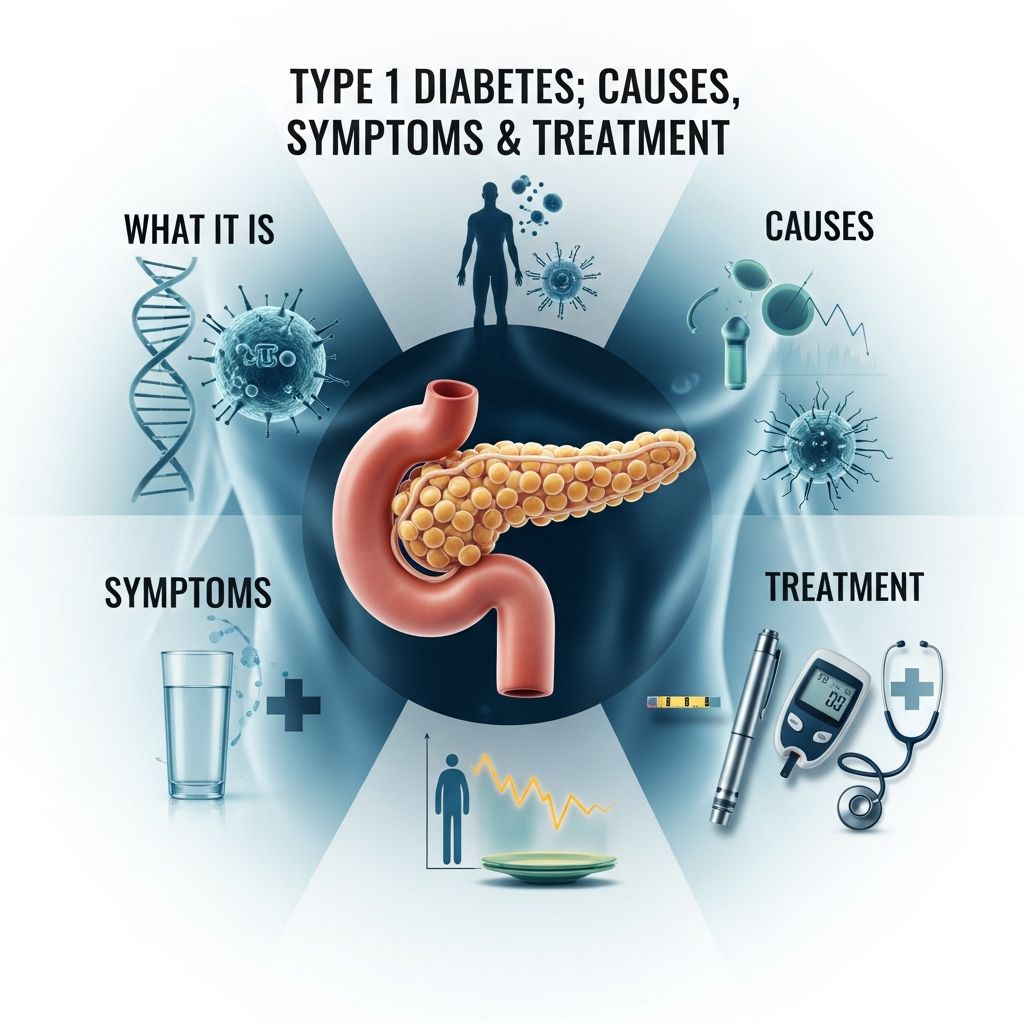
Understanding Type 1 Diabetes
Type 1 diabetes is a chronic, lifelong autoimmune disease that fundamentally disrupts how your body processes blood sugar. Unlike Type 2 diabetes, which develops gradually over time, Type 1 diabetes occurs when the body’s immune system mistakenly attacks the insulin-producing beta cells in the pancreas. This attack results in little to no insulin production, making it impossible for glucose to enter cells effectively. The consequence is dangerously high blood sugar levels that require immediate and lifelong management with insulin therapy and careful monitoring.
Type 1 diabetes can develop at any age, though it most commonly appears in children and young adults. However, adults of any age can receive a Type 1 diabetes diagnosis. The condition requires daily management with insulin injections or insulin pumps, regular blood glucose monitoring, meal planning, and physical activity. While it demands significant commitment and lifestyle adjustments, most people with Type 1 diabetes live long, healthy lives when they manage their condition effectively with proper medical support and self-care practices.
What Causes Type 1 Diabetes?
Type 1 diabetes develops when the immune system mistakenly identifies the insulin-producing cells in the pancreas as foreign invaders and destroys them. Scientists believe this autoimmune response results from a combination of genetic predisposition and environmental triggers. People with a family history of Type 1 diabetes carry a higher genetic risk, though many individuals without a family history still develop the condition. Environmental factors such as viral infections, dietary factors introduced during infancy, and other lifestyle influences may activate the autoimmune response in genetically susceptible individuals.
The exact environmental triggers remain an active area of research, but evidence suggests that certain viruses may play a role in initiating the immune attack. The destruction of beta cells typically occurs gradually over time, though some people experience rapid onset of symptoms. Once enough beta cells are destroyed to significantly reduce insulin production, blood sugar levels rise rapidly, and symptoms become apparent. The progression from initial immune attack to clinical diabetes diagnosis can take months or even years in some cases.
Recognizing Type 1 Diabetes Symptoms
Type 1 diabetes symptoms often appear suddenly and can develop quickly, sometimes over just a few weeks. Recognizing these warning signs is crucial for early diagnosis and treatment initiation. Common symptoms include:
- Excessive thirst and frequent urination, particularly during nighttime hours
- Extreme fatigue and weakness that doesn’t improve with rest
- Persistent hunger despite eating regular meals
- Unexplained weight loss occurring rapidly
- Irritability and mood changes
- Blurred vision
- Fruity-smelling breath, indicating potential diabetic ketoacidosis
Some people experience diabetic ketoacidosis (DKA) as their first symptom of Type 1 diabetes. This serious condition develops when the body burns fat too quickly for energy because insulin is unavailable, producing acids called ketones that accumulate in the bloodstream. DKA symptoms include nausea, vomiting, abdominal pain, shortness of breath, and confusion. This is a medical emergency requiring immediate hospitalization. If you experience any of these symptoms, seek emergency medical attention immediately.
Related Stories



How Type 1 Diabetes Is Diagnosed
Type 1 diabetes is typically straightforward to diagnose through blood tests. Healthcare providers use several diagnostic approaches to confirm Type 1 diabetes and assess overall health status.
Diagnostic Tests
Your healthcare provider will likely use the following tests for diagnosis:
- Fasting blood glucose test: Measures blood sugar after at least 8 hours of fasting. A level of 126 mg/dL or higher on two separate occasions indicates diabetes.
- Random blood glucose test: Can be performed at any time without fasting. A level of 200 mg/dL or higher suggests diabetes, especially when accompanied by symptoms.
- Hemoglobin A1C test: Shows your average blood sugar level over the previous 2-3 months. An A1C of 6.5% or higher indicates diabetes.
- Oral glucose tolerance test: Measures blood sugar two hours after drinking a sugary liquid. A level of 200 mg/dL or higher indicates diabetes.
- Autoimmune antibody tests: Detect antibodies against insulin or other pancreatic cells, confirming Type 1 diabetes rather than Type 2.
Additional Health Assessments
Your provider may perform additional tests to check overall health and screen for complications:
- Kidney function tests to assess for early kidney damage
- Blood pressure monitoring to screen for hypertension
- Cholesterol testing to evaluate cardiovascular risk
- Screening for diabetic ketoacidosis through blood and urine tests measuring ketone levels
Type 1 Diabetes Treatment Options
Unlike Type 2 diabetes, which can sometimes be managed through lifestyle changes alone, Type 1 diabetes always requires insulin therapy. The pancreas simply cannot produce sufficient insulin, making replacement therapy absolutely essential. Treatment focuses on maintaining blood glucose levels within target ranges through multiple daily interventions.
Insulin Therapy
Insulin is the cornerstone of Type 1 diabetes management. Several different types of insulin are available, each working at different speeds and lasting different lengths of time in your body:
- Rapid-acting insulin: Works within 10-15 minutes and peaks within 1-2 hours, taken with meals
- Short-acting (regular) insulin: Begins working within 30 minutes and peaks in 2-4 hours
- Intermediate-acting insulin: Starts working within 1-2 hours and peaks in 4-12 hours
- Long-acting insulin: Provides background insulin coverage for 24 hours or longer
Most people with Type 1 diabetes require multiple insulin injections daily or use an insulin pump that delivers continuous insulin. Your healthcare team will determine the right insulin regimen based on your individual needs, lifestyle, and blood sugar patterns.
Insulin Delivery Methods
Insulin can be administered through several delivery methods. Insulin injections using syringes or insulin pens are the most common approach. Many people use multiple daily injections to achieve better blood sugar control. Alternatively, insulin pumps deliver insulin continuously through a small catheter placed under the skin, allowing for more flexible dosing and potentially better blood sugar control. Continuous glucose monitors (CGMs) work alongside insulin therapy to track real-time glucose levels throughout the day and night.
Daily Type 1 Diabetes Management
Type 1 diabetes is primarily self-managed, meaning you’ll make several decisions daily to maintain your health. The main components of effective management include insulin therapy, blood glucose monitoring, meal planning, and physical activity.
Blood Glucose Monitoring
Frequent blood glucose monitoring is essential for Type 1 diabetes management. You’ll check your blood sugar multiple times daily using a blood glucose meter or continuous glucose monitor. These readings guide insulin dosing decisions and help you understand how food, activity, and stress affect your blood sugar. Target blood glucose ranges are typically 80-130 mg/dL before meals and less than 180 mg/dL after meals, though your individual targets may vary based on your healthcare provider’s recommendations.
Carbohydrate Counting
A large part of Type 1 diabetes management involves counting carbohydrates in the foods you consume to determine proper insulin doses. You’ll need to learn how many carbohydrates are in all the foods you eat and drink. A registered dietitian can help you develop meal plans featuring foods that work best for your lifestyle while maintaining stable blood sugar levels. Understanding carbohydrate content helps you match insulin doses to your actual food intake.
Physical Activity and Exercise
Regular physical activity makes your body more sensitive to insulin and can make blood sugar management easier. Exercise helps your cells use glucose for energy more efficiently, potentially reducing insulin requirements. Work with your diabetes care team to find the type and frequency of exercise that works best for you. Be aware that exercise can lower blood sugar, so you may need to adjust insulin doses or eat additional carbohydrates before or after activity to prevent low blood sugar episodes.
Managing Type 1 Diabetes Complications
Long-term Type 1 diabetes can lead to various complications if blood sugar levels remain consistently high. These complications affect multiple organ systems and can significantly impact quality of life. However, maintaining good blood sugar control dramatically reduces the risk of developing these complications.
Common Long-Term Complications
Chronic high blood sugar damages blood vessels and nerves throughout the body. Diabetic kidney disease can develop when high blood sugar damages the kidneys’ filtering structures, potentially leading to kidney failure requiring dialysis. Diabetic retinopathy affects the blood vessels in the retina, potentially causing vision problems and blindness if untreated. Diabetic neuropathy, or nerve damage, can cause pain, numbness, or weakness, particularly in the feet and legs.
Cardiovascular disease risk increases significantly with Type 1 diabetes, as high blood sugar accelerates atherosclerosis and increases heart attack and stroke risk. Diabetic foot problems can develop from nerve damage and poor circulation, potentially requiring amputation if severe. Dental problems occur more frequently in people with diabetes due to increased infection risk. Cataracts and glaucoma develop more commonly in people with Type 1 diabetes.
Preventing Complications
Maintaining blood sugar within target ranges is the most effective way to prevent complications. Regular eye exams with an ophthalmologist can detect vision problems early. Annual kidney function tests monitor for diabetic kidney disease. Regular foot examinations and proper foot care prevent ulcers and infections. Dental checkups every six months maintain oral health. Blood pressure monitoring and management reduce cardiovascular risk. Taking medications as prescribed and maintaining a healthy lifestyle all contribute to complication prevention.
Acute Complications to Watch For
In addition to long-term complications, Type 1 diabetes can cause acute emergencies requiring immediate medical attention. Hypoglycemia (low blood sugar) occurs when insulin doses are too high or meals are skipped, causing shakiness, sweating, confusion, and potentially seizures or loss of consciousness. Always carry fast-acting carbohydrates and wear medical identification. Hyperglycemia (high blood sugar) and diabetic ketoacidosis represent dangerous acute conditions requiring emergency care.
Living Well with Type 1 Diabetes
While Type 1 diabetes requires significant daily management and lifestyle adjustments, most people with the condition live long, healthy, and fulfilling lives. Success requires ongoing education, support from healthcare providers, and commitment to self-care. Working with an endocrinologist and multidisciplinary diabetes care team helps ensure comprehensive management addressing all aspects of your health. Regular medical checkups, continued diabetes education, and connection with support communities all contribute to successful long-term management and improved quality of life.
Frequently Asked Questions
Q: Can Type 1 diabetes be prevented?
A: Currently, there is no proven way to prevent Type 1 diabetes. Researchers continue studying potential prevention strategies, but the autoimmune process that causes the condition cannot be stopped with current medical interventions. However, clinical trials are exploring immunosuppressive therapies that may delay or slow the progression of beta cell destruction.
Q: What is the difference between Type 1 and Type 2 diabetes?
A: Type 1 diabetes is an autoimmune condition where the pancreas produces little to no insulin. Type 2 diabetes occurs when the body becomes resistant to insulin or the pancreas doesn’t produce enough. Type 1 always requires insulin therapy, while Type 2 may be managed with lifestyle changes, oral medications, or eventually insulin.
Q: Can children outgrow Type 1 diabetes?
A: No, Type 1 diabetes is a lifelong condition. Children diagnosed with Type 1 diabetes will require insulin therapy throughout their lives. However, children can successfully manage the condition and live normal, active lives with proper treatment and support.
Q: How often should I check my blood sugar?
A: Most people with Type 1 diabetes check blood sugar 4-8 times daily, including before meals, before and after exercise, and before bed. Those using continuous glucose monitors may check less frequently. Your healthcare provider will recommend the frequency that works best for your individual situation.
Q: Will I need to take insulin forever?
A: Yes, people with Type 1 diabetes require lifelong insulin therapy. The pancreas cannot spontaneously resume insulin production once the beta cells are destroyed. However, insulin regimens can be adjusted over time based on your changing needs and circumstances.
References
- Type 1 Diabetes: What It Is, Causes, Symptoms & Treatment — Cleveland Clinic. 2025-10-29. https://my.clevelandclinic.org/health/diseases/21500-type-1-diabetes
- Type 1 Diabetes Adult Management — Cleveland Clinic. https://my.clevelandclinic.org/services/type-1-diabetes-management
- Living with Type 1 Diabetes — Cleveland Clinic. https://my.clevelandclinic.org/watch/living-with-type-1-diabetes
- Get Type 1 Diabetes Treatment — Cleveland Clinic Children’s. https://my.clevelandclinic.org/pediatrics/services/type-1-diabetes-treatment
- Diabetes Testing and Treatment — Cleveland Clinic Diabetes Center. https://my.clevelandclinic.org/departments/endocrinology-metabolism/depts/diabetes
- Diabetes technology: A primer for clinicians — Cleveland Clinic Journal of Medicine, Vol. 91, No. 6. https://www.ccjm.org/content/91/6/353
Similar Articles








Read full bio of Sneha Tete