Type 1 Diabetes Causes: Risk Factors, Triggers, Genetics
Unraveling the complex causes of type 1 diabetes: from autoimmune attacks to genetic and environmental triggers.
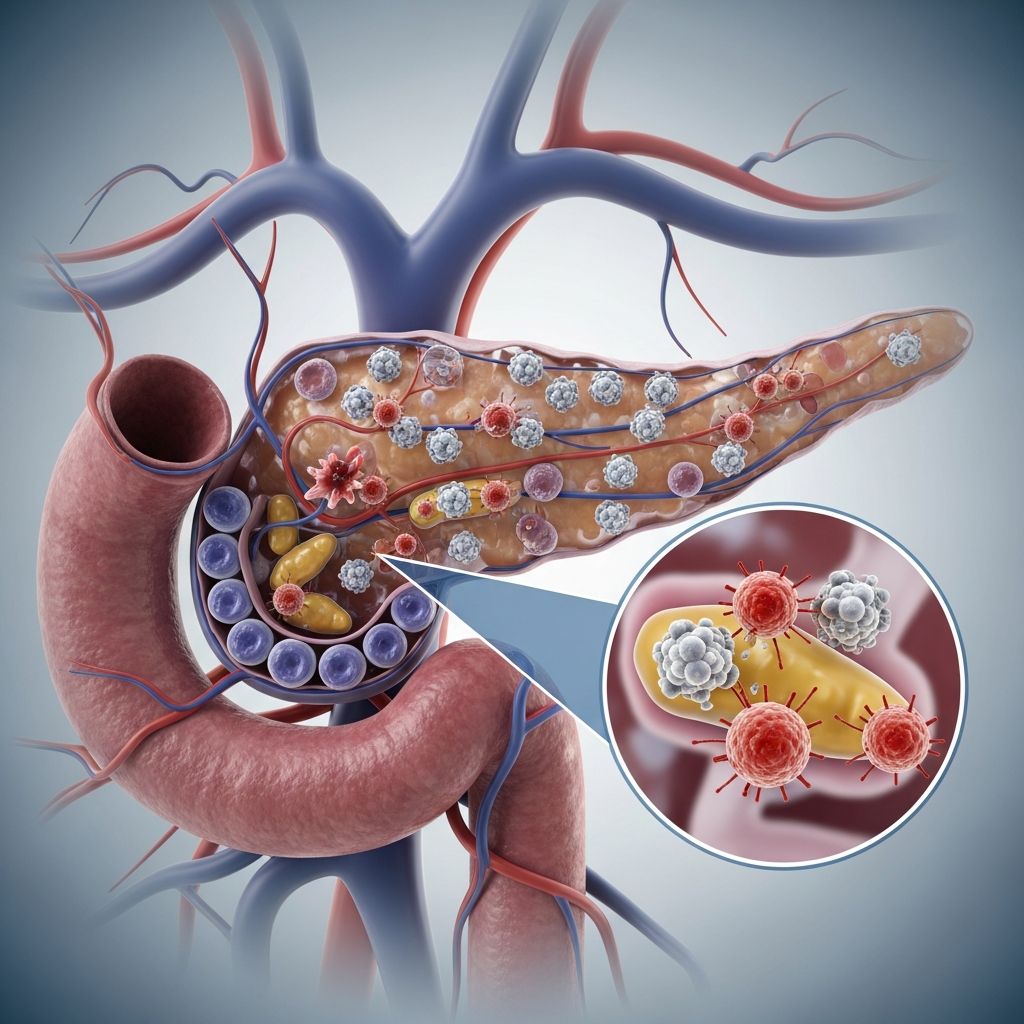
Type 1 diabetes is a chronic autoimmune condition where the immune system destroys insulin-producing beta cells in the pancreas, leading to lifelong insulin dependence. While the exact trigger remains unknown, it involves genetic predisposition, environmental factors, and immune dysregulation.
What Is Type 1 Diabetes?
Type 1 diabetes, formerly called juvenile diabetes or insulin-dependent diabetes, occurs when the pancreas produces little or no insulin, a hormone essential for allowing glucose to enter cells for energy. This results in high blood sugar levels, which can lead to severe complications if unmanaged. It affects approximately 1.25 million Americans and typically develops in children, teens, or young adults, though it can occur at any age.
The pancreas’s beta cells normally secrete insulin into the bloodstream, enabling cells in the brain, muscles, and other tissues to use glucose as fuel. In type 1 diabetes, autoimmune destruction of these beta cells halts insulin production, causing glucose to accumulate in the blood. This buildup can trigger diabetic ketoacidosis, a life-threatening state where the body breaks down fat for energy, producing harmful acids.
Primary Cause: Autoimmune Destruction
The core cause of type 1 diabetes is an autoimmune reaction where the body’s immune system mistakenly attacks and destroys the insulin-producing islet cells (beta cells) in the pancreas. This immune-mediated depletion leaves individuals dependent on exogenous insulin for survival.
Unlike type 2 diabetes, which involves insulin resistance, type 1 is purely a failure of insulin production due to beta cell loss. Research indicates that by diagnosis, over 80-90% of beta cells are already destroyed, explaining the sudden onset of symptoms.
Risk Factors for Type 1 Diabetes
Several factors increase susceptibility to type 1 diabetes, though none guarantee development. These interplay with genetics and environment to initiate the autoimmune process.
- Family History: Having a parent or sibling with type 1 diabetes raises risk slightly. The overall U.S. prevalence is 0.3%, but it jumps to about 5% (15-fold increase) if a first-degree relative is affected.
- Genetics: Certain genes, particularly in the HLA complex, heighten risk. These genetic markers indicate predisposition but do not cause the disease alone.
- Geography: Incidence rises farther from the equator, possibly due to vitamin D levels or viral exposure variations.
- Age: Peaks occur between 4-7 years and 10-14 years, but adult-onset cases, including latent autoimmune diabetes in adults (LADA), are increasing.
Potential Triggers and Environmental Factors
While genetics load the gun, environmental factors may pull the trigger. Exposure to certain viruses or other agents could initiate the autoimmune response in genetically susceptible individuals.
- Viral Infections: Viruses like enteroviruses, coxsackievirus, or mumps may mimic beta cell proteins, prompting immune attack. Studies link early-life infections to higher risk.
- Environmental Exposures: Factors such as early cow’s milk exposure, nitrosamines in processed foods, or low vitamin D have been hypothesized but require more research.
Geography ties into environment: higher latitudes correlate with lower sunlight and vitamin D, potentially impairing immune regulation.
Genetics and Heredity in Depth
Related Stories



Type 1 diabetes has a strong genetic component. Over 50 genes are implicated, with HLA-DR3 and HLA-DR4 accounting for much of the heritability. Identical twins have a 30-50% concordance rate, far higher than the general population, underscoring genetics’ role without determinism.
Family screening identifies autoantibodies (e.g., GAD, IA-2) years before symptoms, enabling early intervention trials like those with teplizumab, which can delay onset.
Associated Autoimmune Conditions
Type 1 diabetes often coexists with other autoimmune disorders due to shared genetic risks.
- Celiac Disease: Affects 1-16% of type 1 patients vs. 0.3-1% generally. Symptoms include diarrhea, fatigue, and erratic glucose due to malabsorption. Screening with tissue transglutaminase antibodies is recommended.
- Thyroid Disease: Up to 25% of children have thyroid autoantibodies at diagnosis, predicting hypothyroidism. Women are more affected; it impacts glucose control.
- Other: Addison’s disease, vitiligo, and pernicious anemia occur at higher rates.
Complications of Unmanaged Type 1 Diabetes
Poor control leads to microvascular and macrovascular damage from chronic hyperglycemia.
- Heart Disease: Increased risk of angina, heart attack, stroke, atherosclerosis, hypertension.
- Nerve Damage (Neuropathy): Tingling, numbness, pain starting in extremities; digestive issues; erectile dysfunction.
- Kidney Damage (Nephropathy): Leads to kidney failure.
- Eye Damage (Retinopathy): Vision loss from retinal vessel damage.
- Skin/Mouth Issues: Frequent infections, gum disease.
- Pregnancy Risks: Miscarriage, birth defects, preeclampsia if uncontrolled.
Diagnosis and Early Detection
Symptoms include excessive thirst, urination, hunger, weight loss, fatigue, blurred vision. Diagnosis uses blood tests: fasting glucose 6126 mg/dL, A1C 66.5%, or random glucose 200 mg/dL with symptoms. Autoantibody tests confirm autoimmune etiology.
Management and Treatment Overview
No cure exists, but insulin therapy, diet, exercise, and monitoring enable full lives. Continuous glucose monitors (CGM) and insulin pumps improve control. Emerging therapies like islet transplants and immunotherapies offer hope.
Exercise and Glucose Management
Physical activity benefits cardiovascular health but risks hypo/hyperglycemia. Hyperglycemia pre-exercise may not require delay if ketosis-free; post-exercise “lag effect” increases hypoglycemia risk 7-11 hours later due to glycogen replenishment.
Tailor insulin and carbs: reduce bolus for aerobic exercise, monitor ketones.
Recent Advances and Research Directions
Incidence rises, especially in adults. Trials target beta cell preservation (e.g., teplizumab FDA-approved to delay onset). Stem cell-derived islets and gene editing hold promise for cures.
Hyperglycemia links to CNS white matter changes on MRI, emphasizing tight control.
Frequently Asked Questions (FAQs)
What exactly causes type 1 diabetes?
An autoimmune attack destroys pancreatic beta cells, triggered by genetic and environmental factors like viruses. Exact trigger unknown.
Is type 1 diabetes genetic?
Partly; certain genes increase risk 15-fold in families, but environment is key.
Can type 1 diabetes be prevented?
Not yet, but autoantibody screening and drugs like teplizumab can delay onset in high-risk individuals.
How common is type 1 diabetes?
Affects ~1.25 million in U.S.; rising in adults.
Does diet cause type 1 diabetes?
No direct cause, but early exposures may contribute in susceptible people.
Prevention Strategies and Monitoring
High-risk families should screen for autoantibodies. Maintain vitamin D, avoid early cow’s milk if predisposed (per some studies). Tight control prevents complications: A1C <7% for most adults.
Annual screenings for celiac, thyroid. Multidisciplinary care optimizes outcomes.
References
- Type 1 diabetes – Symptoms and causes — Mayo Clinic. 2023-10-20. https://www.mayoclinic.org/diseases-conditions/type-1-diabetes/symptoms-causes/syc-20353011
- Understanding Type 1 Diabetes — American Diabetes Association. 2024-01-15. https://diabetes.org/about-diabetes/type-1
- Type 1 Diabetes Through the Life Span: A Position Statement — American Diabetes Association (PMC). 2018-03-20. https://pmc.ncbi.nlm.nih.gov/articles/PMC5865481/
Similar Articles








Read full bio of Sneha Tete