Type 1 Diabetes Diagnosis: Symptoms, Tests, And What To Expect
Recognizing symptoms, understanding tests, and navigating diagnosis for timely type 1 diabetes management and care.
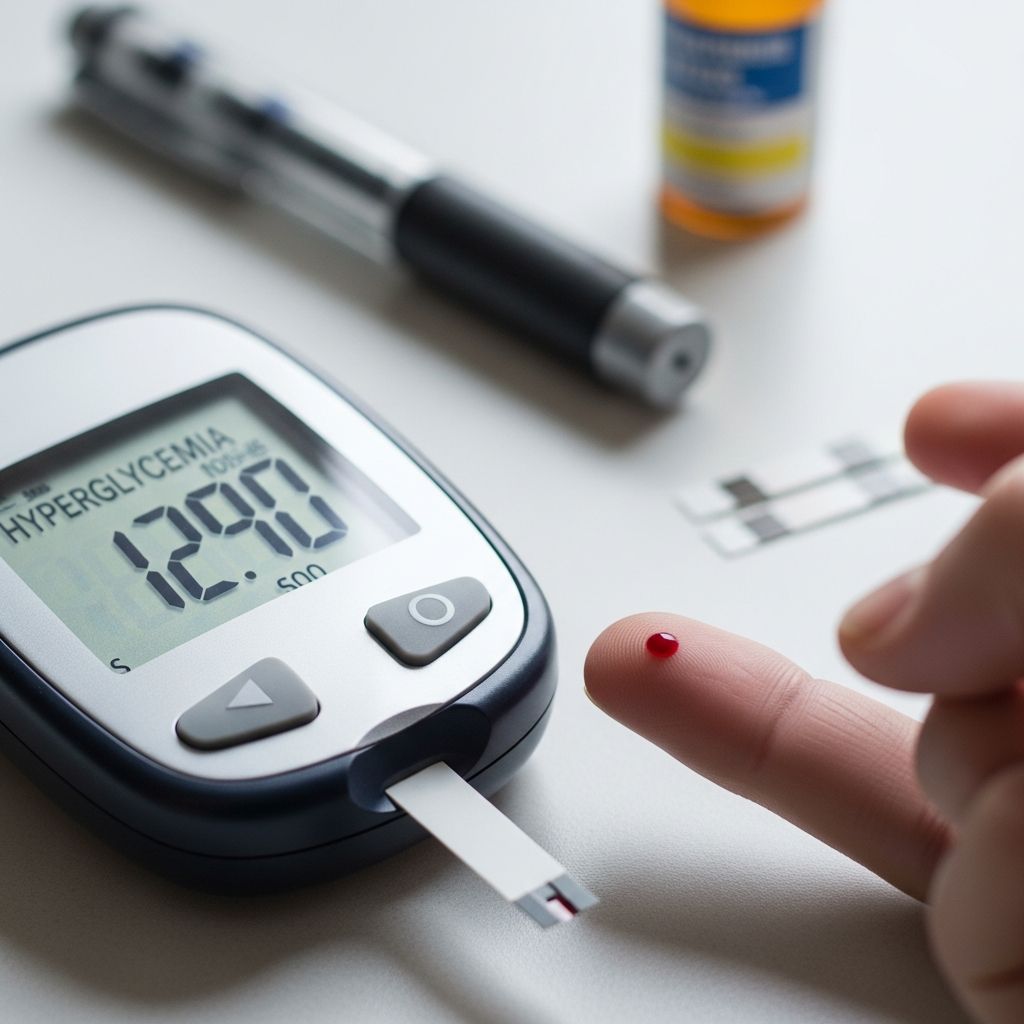
Type 1 diabetes is an autoimmune condition where the immune system attacks insulin-producing beta cells in the pancreas, leading to little or no insulin production. Diagnosis typically involves recognizing symptoms, confirming elevated blood glucose through tests, and identifying autoantibodies for confirmation, especially since it can onset at any age but is often identified in children and young adults.
Symptoms of Type 1 Diabetes
The hallmark symptoms of type 1 diabetes arise from hyperglycemia due to insulin deficiency, often developing rapidly over days or weeks. Early recognition is critical to prevent diabetic ketoacidosis (DKA), a life-threatening complication.
- Increased thirst (polydipsia): The body tries to dilute excess blood sugar by pulling water from tissues, causing persistent thirst.
- Frequent urination (polyuria): High glucose levels overwhelm the kidneys, leading to increased urine output, sometimes every hour.
- Unexplained weight loss: Without insulin, the body breaks down fat and muscle for energy despite normal or increased eating.
- Extreme hunger (polyphagia): Cells starved of glucose signal the brain for more food.
- Fatigue and weakness: Lack of glucose in cells deprives muscles and organs of energy.
- Blurred vision: High blood sugar pulls fluid from eye lenses, altering focus.
- Slow-healing sores or frequent infections: Elevated glucose impairs white blood cell function and circulation.
- Fruity breath odor or nausea: Signs of DKA, where the body produces ketones as an alternative fuel source.
In children, symptoms may be mistaken for flu or urinary tract infections, delaying diagnosis. Adults might experience subtler onset, overlapping with type 2 diabetes symptoms, complicating identification.
Who Gets Type 1 Diabetes?
Type 1 diabetes accounts for 5-10% of all diabetes cases and was historically called juvenile diabetes due to frequent childhood onset. However, it can develop at any age, including adulthood, with adult-onset cases often misdiagnosed as type 2 due to overlapping features and lower prevalence.
- Children and adolescents: Peak incidence between 4-7 and 10-14 years; rapid symptom progression common.
- Adults: Diagnosis after age 30 is rising; slower progression may delay recognition, especially in overweight individuals where type 2 is presumed.
- Risk factors: Family history (5-6% risk if sibling affected), certain genetic markers (e.g., HLA-DR3/DR4), autoimmune conditions like thyroiditis, and environmental triggers like viruses (not fully understood).
Unlike type 2, type 1 is not preventable and requires lifelong insulin therapy. Genetic risk scores (T1D-GRS) can aid probability assessment but are not routine.
How Type 1 Diabetes Is Diagnosed
Diagnosis combines clinical symptoms with lab tests confirming hyperglycemia and autoimmune etiology. No single test suffices; guidelines emphasize a stepwise approach.
Initial Screening Tests
Suspicion arises from symptoms, prompting random blood glucose ≥200 mg/dL (with symptoms) or fasting plasma glucose ≥126 mg/dL.
- A1C test: Measures average blood glucose over 2-3 months; ≥6.5% indicates diabetes. Reliable for most but less so in short-duration type 1 or hemolytic anemia.
- Oral glucose tolerance test (OGTT): 2-hour value ≥200 mg/dL after 75g glucose load; used less often due to time intensity.
- Fasting plasma glucose (FPG): ≥126 mg/dL after 8-hour fast; simple but requires preparation.
Confirmatory Tests for Type 1
To distinguish from type 2, especially in adults:
- Islet autoantibodies: Key markers include GAD65, IA-2, IAA, ZnT8. Positive in 85-98% of type 1 cases; multiple positives highly specific. Routine in suspected cases per ADA/EASD and NICE guidelines.
- C-peptide test: Measures endogenous insulin production; low levels (<0.6 ng/mL) support type 1, especially after 3+ years duration. Overlaps early on.
- Ketone testing: Urine or blood ketones elevated in DKA; prompts urgent care.
In adults, clinical features alone are insufficient due to type 2 predominance; biomarkers are essential to avoid misclassification impacting treatment.
Diagnostic Challenges in Adults
Adult-onset type 1 (LADA or late-onset) poses unique hurdles: slower progression, preserved weight, and low prevalence (<10% of adult diabetes).
| Challenge | Impact | Solution |
|---|---|---|
| Overlapping symptoms with type 2 | Misdiagnosis as type 2, delaying insulin | Autoantibody testing if rapid insulin need |
| Low autoantibody sensitivity in late onset | False negatives | Multiple assays + C-peptide after 3 years |
| False positives in routine screening | Unnecessary worry | Limit to high-probability cases |
Prediction models combining clinical data, autoantibodies, and genetics improve accuracy but need validation across ethnicities.
Diabetic Ketoacidosis (DKA) and Diagnosis
DKA is the first presentation in 15-70% of type 1 cases, especially children: blood glucose >250 mg/dL, pH <7.3, ketones present, often with dehydration.
- Symptoms: Nausea, vomiting, abdominal pain, rapid breathing.
- Emergency: Hospitalization for IV fluids, insulin, electrolyte correction.
- Post-DKA: Confirms type 1; start basal-bolus insulin regimen.
What Happens After Diagnosis?
Immediate insulin initiation (MDI or pump), education on carb counting, hypoglycemia management, and continuous glucose monitoring (CGM).
- Team approach: Endocrinologist, diabetes educator, dietitian, psychologist.
- Tech tools: CGM, insulin pumps with automation reduce A1C and alerts.
- Lifestyle: Balanced diet, exercise, sick-day rules.
Regular screening for complications: eyes, kidneys, nerves, thyroid.
Frequently Asked Questions (FAQs)
Can type 1 diabetes be diagnosed with an A1C test alone?
No, A1C confirms diabetes but not type; autoantibodies and C-peptide distinguish type 1.
Is type 1 diabetes only in kids?
No, it occurs at any age; adult cases are underdiagnosed.
What if autoantibodies are negative?
Re-test C-peptide later or consider idiopathic type 1; 5-10% are antibody-negative.
How accurate are home glucose tests for diagnosis?
Not diagnostic; lab confirmation needed.
Can type 1 be cured?
No, it’s lifelong; managed with insulin and tech.
Prevention and Research
No prevention yet; research focuses on beta cell preservation (e.g., teplizumab delays onset). Screening relatives with high risk via TrialNet.
Adult diagnosis requires high-specificity approaches; ongoing studies refine models.
References
- The challenges of identifying and studying type 1 diabetes in adults — PMC/NCBI. 2023-10-20. https://pmc.ncbi.nlm.nih.gov/articles/PMC10628058/
- Understanding Type 1 Diabetes — American Diabetes Association. 2025-01-01. https://diabetes.org/about-diabetes/type-1
Similar Articles




Read full bio of medha deb