Type 1 Diabetes Diet: Foods, Guidelines, and Management
Complete guide to managing blood sugar through nutrition and smart eating choices.
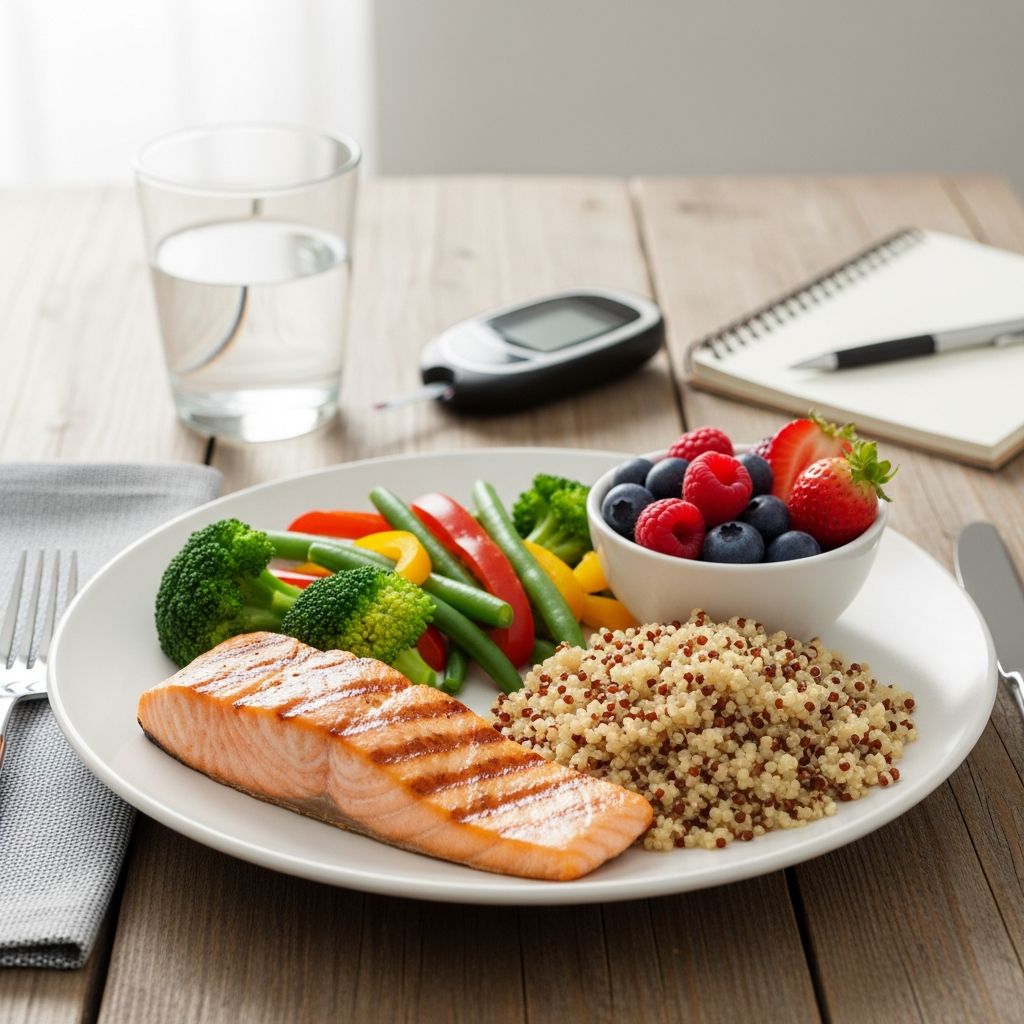
Type 1 diabetes is the most common type of diabetes in children, though it can develop at any age. Unlike type 2 diabetes, type 1 is not caused by diet or lifestyle choices—it’s an autoimmune condition where the body cannot produce insulin. However, diet plays a crucial role in managing blood sugar levels and preventing complications. While individuals with type 1 diabetes don’t have to follow a special restrictive diet, understanding how different foods affect blood glucose is essential for effective disease management.
Understanding How Foods Affect Blood Sugar
Not all foods impact blood sugar equally. Carbohydrates have the most direct effect on blood glucose levels, while proteins and fats have more indirect effects. Understanding these differences helps people with type 1 diabetes make informed food choices and adjust their insulin accordingly.
Foods That Directly Impact Blood Sugar
Carbohydrate-containing foods break down into glucose during digestion and directly raise blood sugar levels. These include:
- Fruits and fruit juices
- Grains such as bread, rice, and pasta
- Dairy products like milk and yogurt
- Starchy vegetables including potatoes and corn
- Sugary foods and beverages like candy, desserts, and soda
When consumed, these foods trigger a rise in blood glucose that requires insulin to manage effectively. The amount of carbohydrates in a meal determines how much insulin may be needed, making carbohydrate awareness a cornerstone of type 1 diabetes management.
Foods That Have Indirect Effects
Proteins and fats have minimal direct impact on blood sugar but affect digestion and glucose absorption indirectly. Healthy protein sources include lean meats, poultry, fish, and eggs. These foods slow down digestion, meaning the body absorbs carbohydrates more slowly when combined with proteins. This can affect both the amount and timing of insulin needed after a meal.
Similarly, healthy fats such as olive oil, nuts, and avocados contribute to satiety and slow glucose absorption. However, portion control remains important since fats are calorie-dense.
Key Nutritional Guidelines for Type 1 Diabetes
Following the American Diabetes Association Recommendations
The American Diabetes Association recommends that individuals with type 1 diabetes follow the same healthy diet guidelines as the general population. The primary goal is ensuring adequate calorie intake to support normal growth, development, and maintenance of a healthy weight. However, certain principles specific to diabetes management should guide food choices.
Carbohydrate Counting and Management
Carbohydrate counting is one of the most important skills for managing type 1 diabetes. Research shows that while total carbohydrate intake varies among individuals with type 1 diabetes, carbohydrate awareness allows for proper insulin dosing. People with type 1 diabetes often consume approximately 45% of their daily calories from carbohydrates, which is somewhat less than the general population’s 50%.
Related Stories



The key is matching mealtime insulin to the anticipated rise in blood glucose from carbohydrates consumed. This requires learning to identify carbohydrates in foods, understand portion sizes, and read nutrition labels accurately. Working with a registered dietitian can help individuals develop personalized carbohydrate targets and insulin-to-carbohydrate ratios.
Nutrient Composition in Type 1 Diabetes Diets
Macronutrient Distribution
Research comparing nutrient intake in individuals with type 1 diabetes to the general population reveals notable differences. Those with type 1 diabetes typically consume a higher percentage of calories from fat and protein, and less from carbohydrates. The typical macronutrient distribution for people with type 1 diabetes is approximately:
- Carbohydrates: 45% of total calories
- Fat: 36% of total calories
- Protein: 17% of total calories
In comparison, the general population averages 50% carbohydrates, 33% fat, and 15% protein. Fat intake, including saturated, monounsaturated, and polyunsaturated fats, tends to be higher among those managing type 1 diabetes, highlighting the importance of choosing healthy fat sources.
Fiber Intake
Increased fiber intake is associated with lower HbA1c levels, making it an important component of blood sugar management. Fiber slows digestion and helps prevent rapid blood sugar spikes. Daily fiber recommendations include whole grains, vegetables, fruits, legumes, and nuts. Children and adults with type 1 diabetes should aim to increase fiber intake through whole foods rather than supplements when possible.
Healthy Foods and Snacks for Type 1 Diabetes
Recommended Foods
A variety of nutrient-dense foods supports healthy blood sugar management and overall wellness. Recommended foods and snacks include:
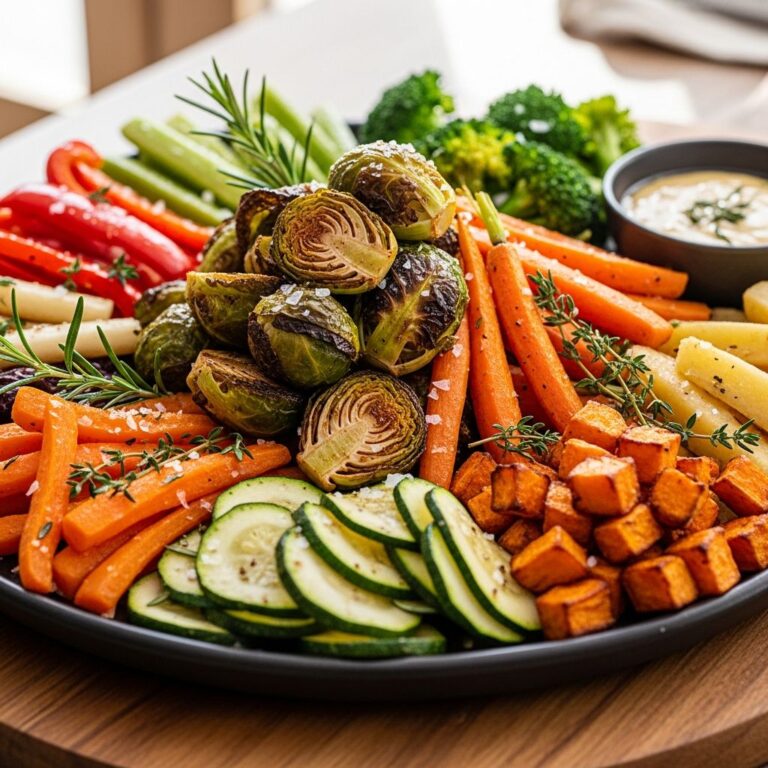
- Vegetables prepared in various ways (steamed, roasted, in salads, or with hummus)
- Fresh fruits paired with nut butters
- Dairy products such as cheese and Greek yogurt
- Eggs prepared any way
- Lean meats including poultry and fish
- Beans, nuts, and seeds
- Whole wheat crackers with low-fat cheese
- High-fiber cereals
Choosing Healthy Carbohydrates
Not all carbohydrates are equal in nutritional value. Choosing complex, whole-grain carbohydrates and pairing them with proteins and healthy fats creates more stable blood sugar levels. Healthy carbohydrate choices include whole wheat pasta, brown rice, whole wheat bread, oatmeal, and fresh fruits. These options provide fiber, vitamins, and minerals while supporting better glucose control.
Foods and Beverages to Limit or Avoid
Sugary Drinks
Sugary beverages including soda, regular lemonade, and sweetened fruit juices cause rapid blood sugar spikes and should be avoided. Instead, individuals with type 1 diabetes should prioritize water as their primary beverage. Sparkling water, water infused with fresh fruits and herbs, sugar-free lemonades, and unsweetened teas are healthier alternatives that provide hydration without excess sugar or carbohydrates.
Common Misconceptions About Sugar-Free and Fat-Free Products
Many people mistakenly believe that sugar-free foods contain no carbohydrates or have minimal blood sugar impact. However, sugar-free products often contain significant amounts of carbohydrates and sugar alcohols that can still affect blood glucose. Similarly, fat-free products frequently compensate for reduced fat content with added sugar, making them higher in carbohydrates than their regular versions.
Always check nutrition labels for actual carbohydrate content rather than relying on marketing claims like “sugar-free” or “fat-free” as indicators of suitability for diabetes management.
Eating Patterns and Meal Timing
Regular Eating Occasions
Maintaining regular eating patterns and eating occasions throughout the day supports better blood sugar control. Skipping meals, even with the intention of weight loss, can lead to overeating at the next meal and poor glucose management. Research shows that more eating occasions combined with higher nutrition knowledge scores correlate with lower HbA1c levels.
Meal Planning Strategies
Effective diabetes management includes several meal-related strategies:
- Adjusting insulin dose for meal size
- Adjusting food and/or insulin in response to glucose readings
- Avoiding over-treating hypoglycemic episodes with excessive food intake
- Maintaining consistent meal timing when possible
Involving individuals with diabetes in meal planning decisions, particularly children, helps them feel invested in healthy eating habits and improves adherence to dietary recommendations over time.
Medical Nutrition Therapy and Professional Support
Working with Healthcare Providers
Medical nutrition therapy (MNT) is a cornerstone of type 1 diabetes management. The treatment plan developed with a diabetes care team includes insulin therapy, physical activity, and a personalized eating plan to reach health goals. A registered dietitian with diabetes expertise can provide invaluable guidance on carbohydrate counting, portion control, label reading, and individualized nutrition strategies.
Nutrition Knowledge and Outcomes
Higher nutrition knowledge scores are associated with lower HbA1c levels, emphasizing the importance of diabetes education. Understanding how to read food labels, count carbohydrates accurately, and make informed food choices empowers individuals to manage their condition effectively and achieve better health outcomes.
Hydration and Lifestyle Considerations
Importance of Proper Hydration
Adequate hydration supports kidney function and overall health in individuals with type 1 diabetes. Water should be the primary beverage, with at least 6-8 glasses daily unless otherwise directed by healthcare providers. Herbal teas, sugar-free beverages, and infused water can add variety while maintaining hydration without affecting blood sugar.
Exercise and Nutrition Integration
Regular physical activity is essential for managing type 1 diabetes, but it requires nutritional adjustments. Exercise affects insulin sensitivity and glucose utilization, so individuals may need to adjust carbohydrate intake or insulin dosing around physical activity. Working with a diabetes care team helps develop appropriate strategies for maintaining blood sugar stability during and after exercise.
Frequently Asked Questions
Q: Can people with type 1 diabetes eat sugar?
A: While individuals with type 1 diabetes don’t have to avoid any particular foods, including sugary foods, they should be mindful of portion sizes and account for sugar-containing foods in their carbohydrate count and insulin dosing. A small piece of cake can be part of a balanced meal if carbohydrates are properly counted and insulin adjusted accordingly.
Q: How many times per day should someone with type 1 diabetes eat?
A: Eating patterns should be individualized based on insulin regimen and personal preferences. Regular eating occasions throughout the day support better blood sugar control. Three meals with healthy snacks between meals works well for many people, though schedules may vary. Consistency is more important than a specific number of daily meals.
Q: Are there foods that don’t affect blood sugar at all?
A: Non-starchy vegetables, proteins, and healthy fats have minimal impact on blood sugar when eaten without high-carbohydrate accompaniments. However, portion size matters for calorie balance and weight management. Most foods will have some effect on blood glucose when considered in the context of a complete meal.
Q: How important is carbohydrate counting in type 1 diabetes management?
A: Carbohydrate counting is essential for type 1 diabetes management because insulin doses are typically adjusted based on carbohydrate intake. Accurate counting allows for proper insulin dosing and better blood sugar control. Learning this skill from a registered dietitian is highly recommended.
Q: Can people with type 1 diabetes follow special diets like keto or vegan diets?
A: Some people with type 1 diabetes follow specialized diets, but these should be done under medical supervision with appropriate insulin adjustments. A registered dietitian can help ensure nutritional needs are met while maintaining adequate blood sugar control with any alternative eating pattern.
References
- Eating Patterns and Food Intake of Persons with Type 1 Diabetes — National Center for Biotechnology Information (NCBI/PMC). 2020. https://pmc.ncbi.nlm.nih.gov/articles/PMC7423164/
- Best Diet for a Child with Type 1 Diabetes — Children’s Health (UT Southwestern Medical Center). 2024. https://www.childrens.com/health-wellness/what-is-the-best-diet-for-a-child-with-type-1-diabetes
- Type 1 Diabetes: Symptoms and Causes — Mayo Clinic. 2024. https://www.mayoclinic.org/diseases-conditions/type-1-diabetes/symptoms-causes/syc-20353011
- Understanding Type 1 Diabetes — American Diabetes Association (ADA). 2024. https://diabetes.org/about-diabetes/type-1
Similar Articles








Read full bio of Sneha Tete