Type 1 Diabetes: 7 Early Symptoms And Key Management Tips
Comprehensive guide to type 1 diabetes: symptoms, causes, diagnosis, treatment, and living a full life with this chronic condition.
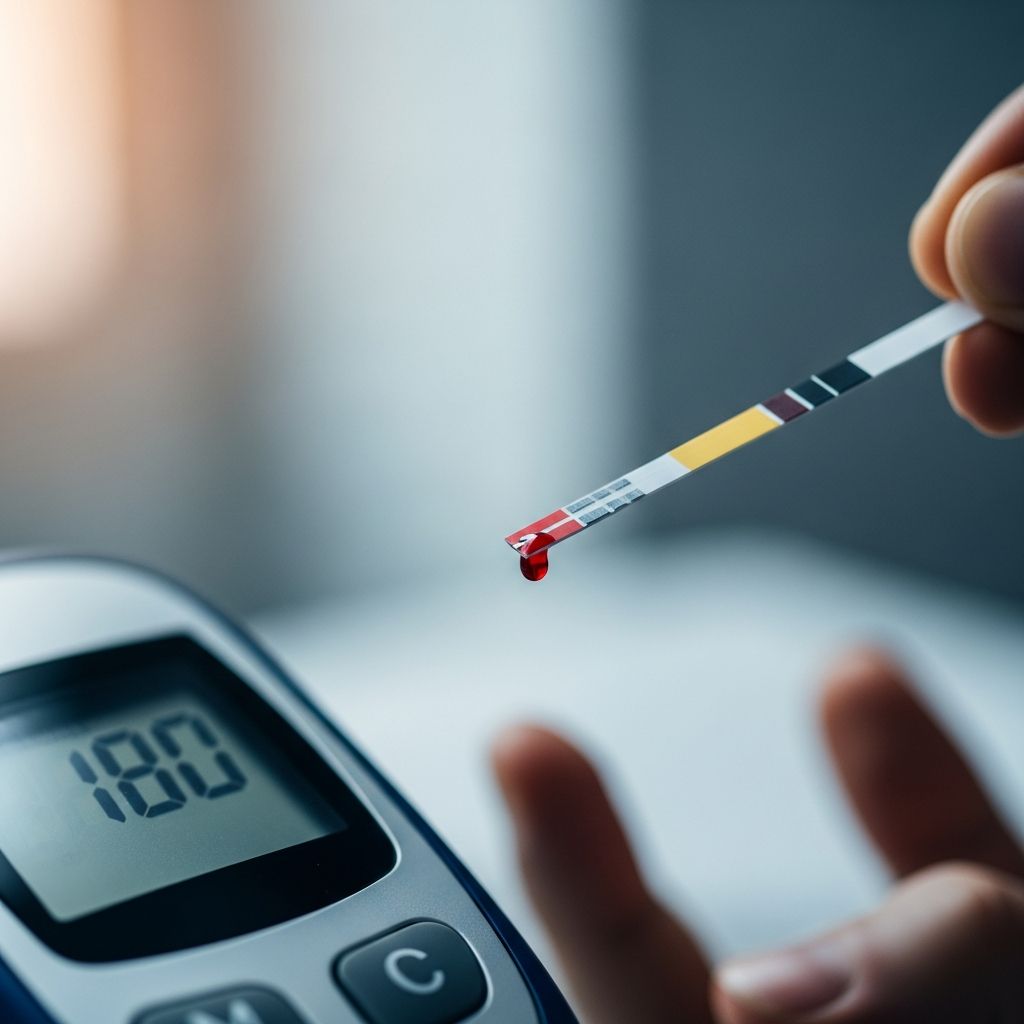
Type 1 diabetes is a chronic autoimmune condition where the pancreas produces little or no insulin, requiring lifelong exogenous insulin therapy to manage blood glucose levels.
What Is Type 1 Diabetes?
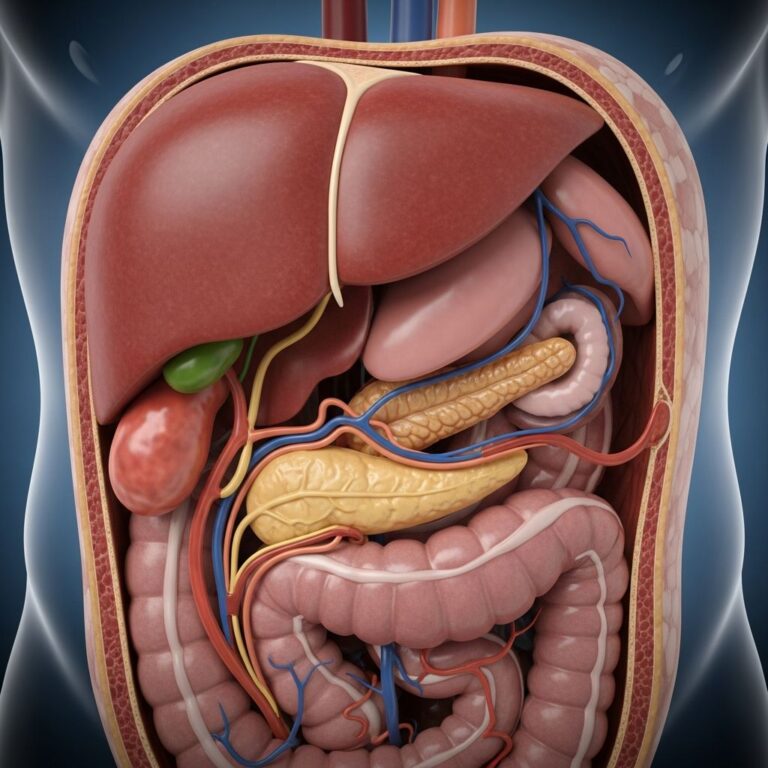
Type 1 diabetes, once called juvenile diabetes or insulin-dependent diabetes, occurs when the body’s immune system attacks and destroys the insulin-producing beta cells in the pancreas. Insulin, a vital hormone, enables glucose to enter cells for energy. Without sufficient insulin, glucose accumulates in the bloodstream, leading to hyperglycemia and potential life-threatening complications like diabetic ketoacidosis.
Affecting about 1.25 million Americans, this condition typically develops in children, teens, or young adults but can onset at any age. Unlike type 2 diabetes, type 1 is not linked to lifestyle factors like obesity; it’s primarily autoimmune-mediated with genetic and environmental triggers.
People with type 1 diabetes must monitor blood sugar closely, administer insulin via injections or pumps, and balance diet and exercise. With proper management, individuals lead full, active lives, though no cure exists yet.
Symptoms of Type 1 Diabetes
Symptoms often appear suddenly, particularly in children, signaling an urgent need for medical attention. Common signs include:
- Increased thirst (polydipsia)
- Frequent urination (polyuria), including bed-wetting in previously dry children
- Extreme hunger (polyphagia)
- Unintended weight loss
- Fatigue and weakness
- Blurred vision
- Irritability or mood changes
These arise because excess blood glucose pulls fluid from tissues, causing dehydration and thirst, while cells starve for energy despite high blood sugar.
When to See a Doctor
Seek immediate care if you or your child experience these symptoms, especially if combined with nausea, vomiting, or fruity breath odor indicating ketoacidosis. Early diagnosis prevents severe outcomes.
Causes of Type 1 Diabetes
The exact cause remains unknown, but it’s an autoimmune disorder where the immune system destroys pancreatic beta cells. Contributing factors include:
- Genetics: Family history increases risk; certain genes predispose individuals.
- Environmental triggers: Viruses (e.g., enteroviruses) or other factors may initiate the autoimmune response in genetically susceptible people.
Once most beta cells are destroyed, insulin production halts, trapping glucose outside cells and elevating blood sugar.
Diagnosis of Type 1 Diabetes
Diagnosis involves blood tests confirming hyperglycemia and distinguishing type 1 from type 2. Key methods include:
| Test | Criteria |
|---|---|
| A1C | ≥6.5% (NGSP-certified lab) |
| Fasting Plasma Glucose (FPG) | ≥126 mg/dL (no calories for 8 hours) |
| Random Plasma Glucose | ≥200 mg/dL with classic symptoms |
| Oral Glucose Tolerance Test (OGTT) | ≥200 mg/dL at 2 hours |
Additional tests like autoantibody panels (e.g., GAD, islet cell antibodies) and C-peptide (measures endogenous insulin) confirm autoimmune type 1, especially in adults with gradual onset mimicking type 2.
A1C reflects average glycemia over 2-3 months and predicts complications but can vary by ethnicity or conditions like anemia.
Treatment and Management
Lifelong insulin replacement is essential, alongside lifestyle measures. Core components:
Related Stories



- Insulin Therapy: Multiple daily injections or continuous subcutaneous insulin infusion (pump) to mimic natural secretion.
- Blood Glucose Monitoring: Self-monitoring blood glucose (SMBG) or continuous glucose monitors (CGM) several times daily.
- Nutrition: Carbohydrate counting, balanced meals with fiber-rich foods, proteins, and healthy fats.
- Exercise: Regular physical activity improves insulin sensitivity but requires glucose checks to avoid hypoglycemia.
Treatment targets emphasize glycemic control without severe hypoglycemia. Recommended A1C goals:
- <7% for most non-pregnant adults to reduce microvascular risks.
- Less stringent (<8.5%) for those with hypoglycemia unawareness or comorbidities.
The Diabetes Control and Complications Trial (DCCT) showed intensive control (A1C ~7%) cuts microvascular complications by over 50% vs. standard (~9%), with lasting benefits per EDIC follow-up.
Associated Conditions
Type 1 often co-occurs with other autoimmune diseases:
- Thyroid Disease: ~25% of children have thyroid autoantibodies at diagnosis, risking hypothyroidism.
- Celiac disease, Addison’s disease, vitiligo.
Screen regularly.
Complications of Type 1 Diabetes
Poor control damages organs over time. Maintaining normal blood sugar lowers risks.
- Heart and Blood Vessel Disease: Higher risk of heart attack, stroke, atherosclerosis, hypertension.
- Nerve Damage (Neuropathy): Pain, numbness, digestive issues.
- Kidney Damage (Nephropathy): Leading to failure.
- Eye Damage (Retinopathy): Vision loss or blindness.
- Foot Problems: Ulcers, infections from poor circulation/nerve damage.
- Ketoacidosis: Acute emergency from insulin deficiency.
Living with Type 1 Diabetes
Effective management empowers normalcy. Advances like CGM, automated insulin delivery systems (hybrid closed-loop), and islet cell research offer hope. Education, support groups, and mental health care address “diabetes distress.” Children thrive with family involvement; adults balance careers and activities.
Pregnancy requires tight control to protect mother and baby. Technology integration simplifies daily routines.
Prevention and Research
No proven prevention exists, but screening high-risk families and viral exposure studies continue. Beta-cell preservation trials aim toward cure.
Frequently Asked Questions (FAQs)
What is the difference between type 1 and type 2 diabetes?
Type 1 is autoimmune with no insulin production; type 2 involves insulin resistance, often lifestyle-related.
Can type 1 diabetes be cured?
No cure yet, but treatments improve quality of life and prevent complications.
How is insulin administered?
Via injections, pens, or pumps delivering basal/bolus doses.
What A1C level is safe?
<7% for most, adjusted for individual risks.
Does diet cure type 1?
No, insulin is mandatory; diet aids control.
References
- Type 1 diabetes – Symptoms and causes — Mayo Clinic. 2023-10-20. https://www.mayoclinic.org/diseases-conditions/type-1-diabetes/symptoms-causes/syc-20353011
- Type 1 Diabetes Through the Life Span: A Position Statement — American Diabetes Association (PMC). 2018-03-20. https://pmc.ncbi.nlm.nih.gov/articles/PMC5865481/
Similar Articles








Read full bio of medha deb