Type 1 Diabetes Treatments: Guide For Lifelong Management
Comprehensive guide to managing type 1 diabetes with insulin, technology, diet, and emerging therapies for optimal blood sugar control.
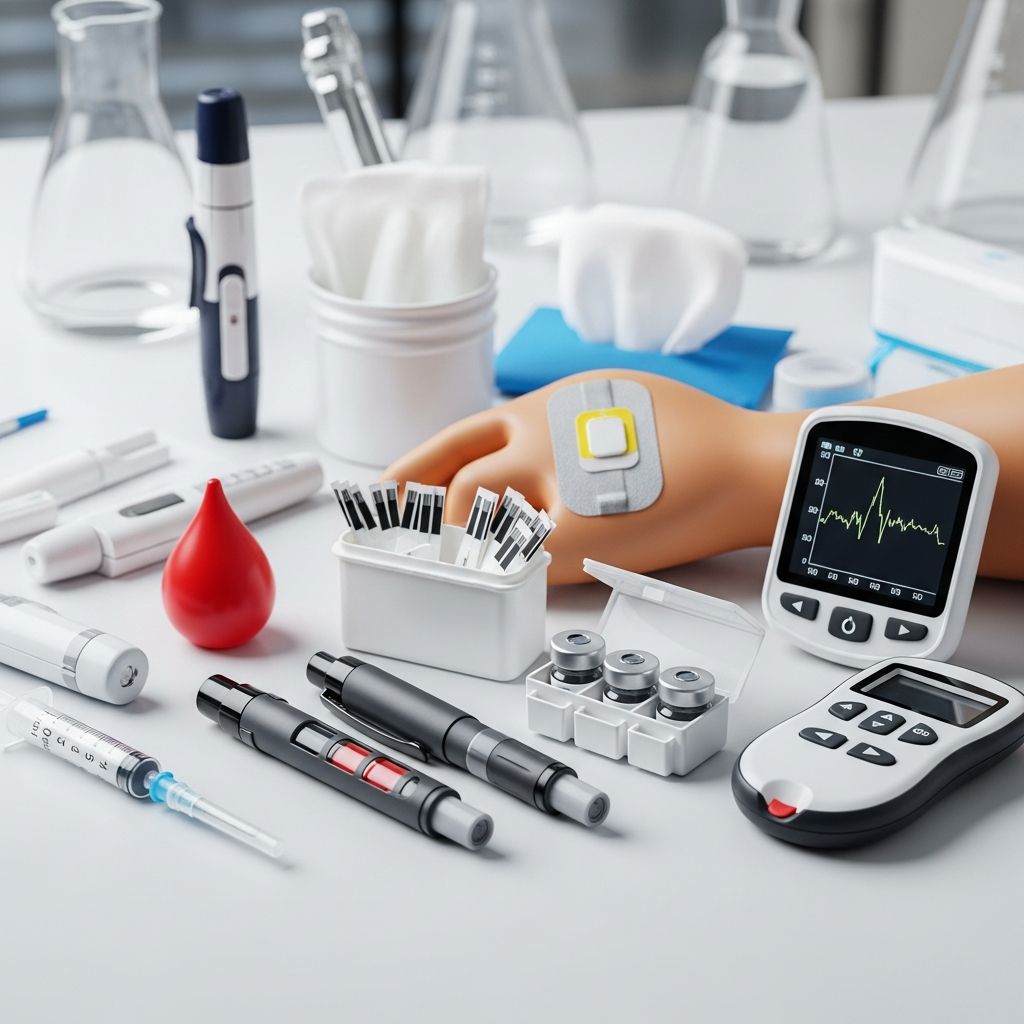
Type 1 Diabetes Treatments
Type 1 diabetes requires lifelong management primarily through insulin replacement, alongside monitoring technologies, balanced nutrition, physical activity, and regular healthcare support to maintain stable blood sugar levels and minimize complications.
What are the treatments for type 1 diabetes?
The cornerstone of type 1 diabetes treatment is insulin therapy, as the body produces no insulin due to autoimmune destruction of pancreatic beta cells. Additional strategies include carbohydrate counting, healthy eating, regular exercise, weight management, diabetes education courses, and advanced technologies like continuous glucose monitors (CGMs) and insulin pumps. These approaches collectively help regulate blood glucose, prevent hypoglycemia (hypos) and hyperglycemia (hypers), and reduce risks of long-term complications such as cardiovascular disease, neuropathy, retinopathy, and kidney damage.
Upon diagnosis, individuals are typically hospitalized where a specialist diabetes team provides education on insulin administration, blood glucose monitoring, carb counting, and sick day rules. Free prescriptions for insulin and related supplies are available, along with structured education programs like DAFNE (Dose Adjustment for Normal Eating).
Insulin
**Insulin is essential for survival in type 1 diabetes.** Without it, blood glucose rises uncontrollably, leading to diabetic ketoacidosis (DKA), a life-threatening condition. Insulin enables glucose entry into cells for energy, mimicking the pancreas’s natural function.
Types of insulin include rapid-acting (e.g., for mealtime boluses), short-acting, intermediate, and long-acting basal insulin. Delivery methods are:
- Multiple daily injections (MDI): Using insulin pens, typically 4-5 injections per day matching meals and basal needs.
- Insulin pump: A wearable device delivering continuous subcutaneous insulin infusion (CSII), programmable for basal rates and boluses via a cannula.
Dosing requires calculating insulin-to-carb ratios and correction factors, adjusted via carb counting. Risks include hypos from excess insulin; symptoms like shakiness, sweating, and confusion necessitate quick treatment with fast-acting carbs.
Healthcare teams tailor regimens, with regular HbA1c tests (every 3-6 months) targeting under 48mmol/mol (6.5%) for most adults.
Using a continuous glucose monitor (CGM) or flash glucose monitor
Traditional finger-prick tests are supplemented or replaced by CGMs or flash monitors, which measure interstitial glucose every 5-15 minutes, providing real-time data via apps or receivers. This enables rapid detection and correction of hypos and hypers, reducing finger pricks and improving quality of life.
CGMs feature alarms for glucose thresholds. Advanced systems integrate with pumps in closed-loop systems (artificial pancreas), automating insulin delivery based on glucose readings. NHS eligibility guidelines prioritize those with frequent hypos or poor control.
| Device Type | Key Features | Benefits |
|---|---|---|
| CGM | Continuous sensing, alarms, predictive alerts | Reduces hypos by 30-50%, better HbA1c |
| Flash Monitor | Scan-on-demand | Fewer pricks, trend arrows |
| Closed-Loop | Auto insulin adjustment | Hands-free management |
Other ways to help you manage your type 1 diabetes
Beyond medication and tech, lifestyle factors are crucial:
- Physical activity: Aim for 150 minutes weekly of moderate exercise like walking or cycling. Adjust insulin/carbs to prevent exercise-induced hypos.
- Healthy weight: BMI 18.5-24.9 kg/m² optimizes insulin sensitivity.
- Diabetes education: Courses like DAFNE or BERTIE teach carb counting, insulin matching, alcohol effects, and sick day rules.
- Regular check-ups: Annual reviews include HbA1c, eye screening, foot exams, blood pressure, cholesterol, and kidney function. Mental health support addresses diabetes distress.
Balanced diet emphasizes whole foods, fiber-rich carbs, lean proteins, healthy fats, and portion control. Alcohol requires extra carbs/insulin adjustments.
Other medication
Insulin is primary, but metformin may be added for insulin resistance (double diabetes traits), reducing hepatic glucose output and improving insulin sensitivity. It’s off-label for type 1 but evidence-supported in select cases. Other meds like GLP-1 agonists are not standard for type 1.
What is the best treatment for type 1 diabetes?
The optimal approach combines insulin with healthy eating, activity, weight control, tech, and education. This holistic strategy achieves target glucose (4-7mmol/L fasting, <8.5 post-meal) and HbA1c, slashing complication risks by up to 76% per UKPDS legacy data adapted for type 1.
Is the treatment for type 1 diabetes different to the treatment of type 2 diabetes?
Yes: Type 1 mandates insulin from diagnosis. Type 2 may start with lifestyle/metformin, progressing to other orals/injectables; 30-50% eventually need insulin.
| Aspect | Type 1 | Type 2 |
|---|---|---|
| Main Treatment | Insulin only | Lifestyle, orals (e.g., metformin), GLP-1s, insulin |
| Cause | Autoimmune | Insulin resistance/deficiency |
| Monitoring | CGM/pump common | Meter/SGLT2i focus |
Can type 1 diabetes be cured permanently?
No cure exists; it’s autoimmune. Management sustains life. Research focuses on immunotherapies like teplizumab (FDA-approved to delay onset in stage 2 T1D), reprogramming immunity to preserve beta cells. Clinical trials target preservation post-diagnosis.
Frequently Asked Questions (FAQs)
What is the first treatment for type 1 diabetes?
Insulin via injections or pump, started immediately post-diagnosis to prevent DKA.
Is there a pill for type 1 diabetes?
No primary pill; metformin adjunct possible for resistance.
How often should I check blood sugar?
4-10 times daily or continuously via CGM.
Can exercise cure type 1 diabetes?
No, but it aids control.
What are sick day rules?
Monitor ketones, hydrate, adjust insulin to avoid DKA.
References
- Type 1 diabetes treatments — Diabetes UK. 2023. https://www.diabetes.org.uk/about-diabetes/type-1-diabetes/treatments
- Treatment for type 1 diabetes – NHS — NHS. 2024-01-15. https://www.nhs.uk/conditions/type-1-diabetes/treatment/
- Type 1 diabetes medicine — Diabetes UK. 2023. https://www.diabetes.org.uk/about-diabetes/type-1-diabetes/treatments/medicine
- Diabetes treatments — Diabetes UK. 2023. https://www.diabetes.org.uk/about-diabetes/looking-after-diabetes/treatments
- Immunotherapy – Diabetes research — Diabetes UK. 2023. https://www.diabetes.org.uk/our-research/immunotherapy
- Diabetes tablets and medication — Diabetes UK. 2023. https://www.diabetes.org.uk/about-diabetes/looking-after-diabetes/treatments/tablets-and-medication
Similar Articles




Read full bio of Sneha Tete