Type 1 Diabetes: Symptoms, Diagnosis & Treatment Essentials
Comprehensive guide to symptoms, causes, diagnosis, treatment, and management of type 1 diabetes for better health outcomes.
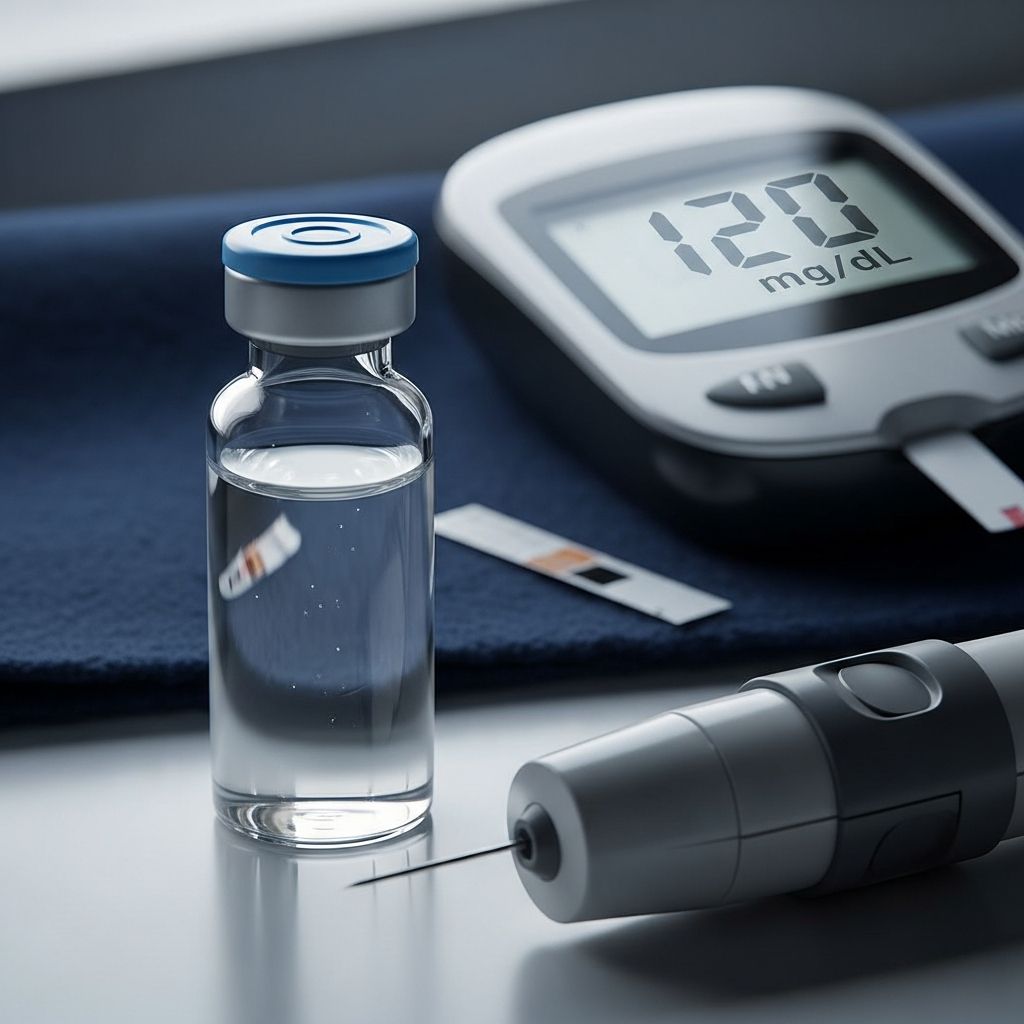
Type 1 diabetes is a chronic autoimmune condition where the pancreas produces little or no insulin, leading to elevated blood glucose levels. It typically develops in children and young adults but can occur at any age, affecting about 1 in 300 people in the UK. Treatment involves lifelong insulin therapy, blood glucose monitoring, and lifestyle adjustments to prevent complications.
What is type 1 diabetes?
Type 1 diabetes occurs when the immune system attacks and destroys the insulin-producing beta cells in the pancreas. Without insulin, glucose cannot enter cells for energy, causing it to build up in the bloodstream. This leads to hyperglycemia, which if untreated, can cause life-threatening complications like diabetic ketoacidosis (DKA).
The condition usually onset rapidly over days or weeks in children and young adults. In adults, symptoms may develop more gradually. Globally, it impacts millions, with around 1.25 million Americans living with it. There is no cure, but effective management allows a full life.
Type 1 diabetes symptoms
Symptoms often appear suddenly and include:
- Increased thirst (polydipsia) due to dehydration from excess urination.
- Frequent urination (polyuria) as the kidneys excrete excess glucose.
- Unexplained weight loss despite normal or increased eating.
- Extreme fatigue and weakness.
- Blurred vision from high blood sugar affecting the eyes.
- Increased hunger (polyphagia).
- Slow-healing sores or frequent infections.
- In severe cases, nausea, vomiting, fruity breath odor, and rapid breathing indicating DKA.
These symptoms result from the body’s inability to use glucose for energy, forcing it to break down fat and muscle, producing ketones.
How is type 1 diabetes diagnosed?
Diagnosis involves blood tests confirming high glucose levels and lack of insulin production:
- Random plasma glucose ≥11.1 mmol/L with symptoms.
- Fasting plasma glucose ≥7.0 mmol/L.
- HbA1c ≥48 mmol/mol (6.5%).
- Autoantibody tests (e.g., GAD, islet cell antibodies) confirm autoimmune cause.
- C-peptide test shows low insulin production.
In emergencies like DKA, urgent hospitalization is needed with blood and urine tests for ketones. Early diagnosis prevents severe complications.
What causes type 1 diabetes?
The exact cause is unknown, but it involves genetic susceptibility combined with environmental triggers. The immune system mistakenly destroys beta cells, possibly triggered by viruses (e.g., coxsackievirus), early diet, or toxins. It is not caused by lifestyle factors like diet or obesity, unlike type 2 diabetes.
High-risk groups include those of northern European ancestry, with higher incidence in Scandinavians. Family history increases risk, but most cases occur without it.
Complications of type 1 diabetes
Poorly controlled blood glucose leads to both short- and long-term complications:
- Acute: Hypoglycemia (low blood sugar) from excess insulin, causing shakiness, confusion, seizures. Hyperglycemia and DKA.
- Chronic: Cardiovascular disease, kidney damage (nephropathy), eye damage (retinopathy), nerve damage (neuropathy), foot problems.
Studies show tight glucose control reduces complications like heart disease and retinopathy. Regular screening for blood pressure, lipids, kidney function (ACR), and eyes is essential.
Type 1 diabetes treatment
Although incurable, type 1 diabetes is manageable with insulin, diet, monitoring, and lifestyle changes. Main aims are normal glucose levels, reducing risk factors, and early complication detection.
Related Stories



Treatment aim 1 – keeping your blood glucose level near normal
Target HbA1c is individualized, often <48-53 mmol/mol, balancing hypoglycemia risk.
- Insulin therapy: Lifelong injections or pumps (CSII). Types include rapid-acting (e.g., aspart), long-acting (e.g., glargine), mixed. Doses adjusted via DAFNE program for diet/exercise.
- Continuous glucose monitoring (CGM): NICE recommends rtCGM or isCGM for all adults, integrated into education. Alerts for highs/lows improve control.
- Hybrid closed-loop systems: For those with poor control despite CGM/CSII.
- Blood glucose monitoring: Finger-prick tests multiple times daily to adjust insulin/food.
Healthy diet
No special ‘diabetic’ foods needed; follow general healthy diet: low sugar/salt, high fiber, vegetables, good fats. Limit fruit due to sugars. Balance carbs with insulin doses. Referral to dietitian and DAFNE for personalized advice.
Balancing insulin and diet, and monitoring blood glucose levels
Monitor levels before/after meals, exercise. Adjust insulin for carbs, activity. Exercise improves insulin sensitivity; reduce dose if needed.
Treatment aim 2 – to reduce other risk factors
- Control blood pressure (<130/80 mmHg) with ACE inhibitors if needed.
- Manage lipids (statins if high risk).
- Healthy lifestyle: no smoking, regular exercise, weight management.
- Annual checks: BMI, lipids, ACR, foot exam.
Treatment aim 3 – to detect and treat any complications
Regular screening:
| Complication | Screening Frequency |
|---|---|
| Retinopathy | Annual eye exam |
| Nephropathy | Annual ACR, eGFR |
| Neuropathy/Foot | Annual check |
| Cardiovascular | Blood pressure, lipids annually |
Early intervention prevents progression.
Immunisation
Standard vaccines plus annual flu, pneumococcal, COVID-19 due to infection risks. Hepatitis B if traveling.
Frequently Asked Questions (FAQs)
Q: Can type 1 diabetes be prevented?
A: No known prevention; genetic and environmental factors play roles. Research ongoing.
Q: How often should blood glucose be checked?
A: Multiple times daily, or continuously with CGM. Adjust based on routine.
Q: Is exercise safe with type 1 diabetes?
A: Yes, beneficial. Monitor glucose, adjust insulin/carbs to avoid hypo/hyper.
Q: What is DAFNE?
A: Dose Adjustment for Normal Eating program teaching flexible insulin dosing.
Q: Prognosis with good management?
A: Normal life expectancy possible with tight control, reducing complication risks.
References
- Type 1 Diabetes: Symptoms, Diagnosis, and Treatment — Patient.info. 2023. https://patient.info/diabetes/type-1-diabetes
- Type 1 diabetes – Symptoms and causes — Mayo Clinic. 2024-01-10. https://www.mayoclinic.org/diseases-conditions/type-1-diabetes/symptoms-causes/syc-20353011
- Management of type 1 diabetes — Patient.info. 2023. https://patient.info/doctor/endocrine-disorders/management-of-type-1-diabetes
- Diabetes Mellitus: Causes, Symptoms, and Treatment — Patient.info. 2023. https://patient.info/doctor/endocrine-disorders/diabetes-mellitus-pro
- Understanding Type 1 Diabetes — American Diabetes Association. 2024. https://diabetes.org/about-diabetes/type-1
Similar Articles








Read full bio of Sneha Tete