Type 2 Diabetes: Causes, Symptoms, and Treatment
Complete guide to understanding type 2 diabetes management and lifestyle modifications.
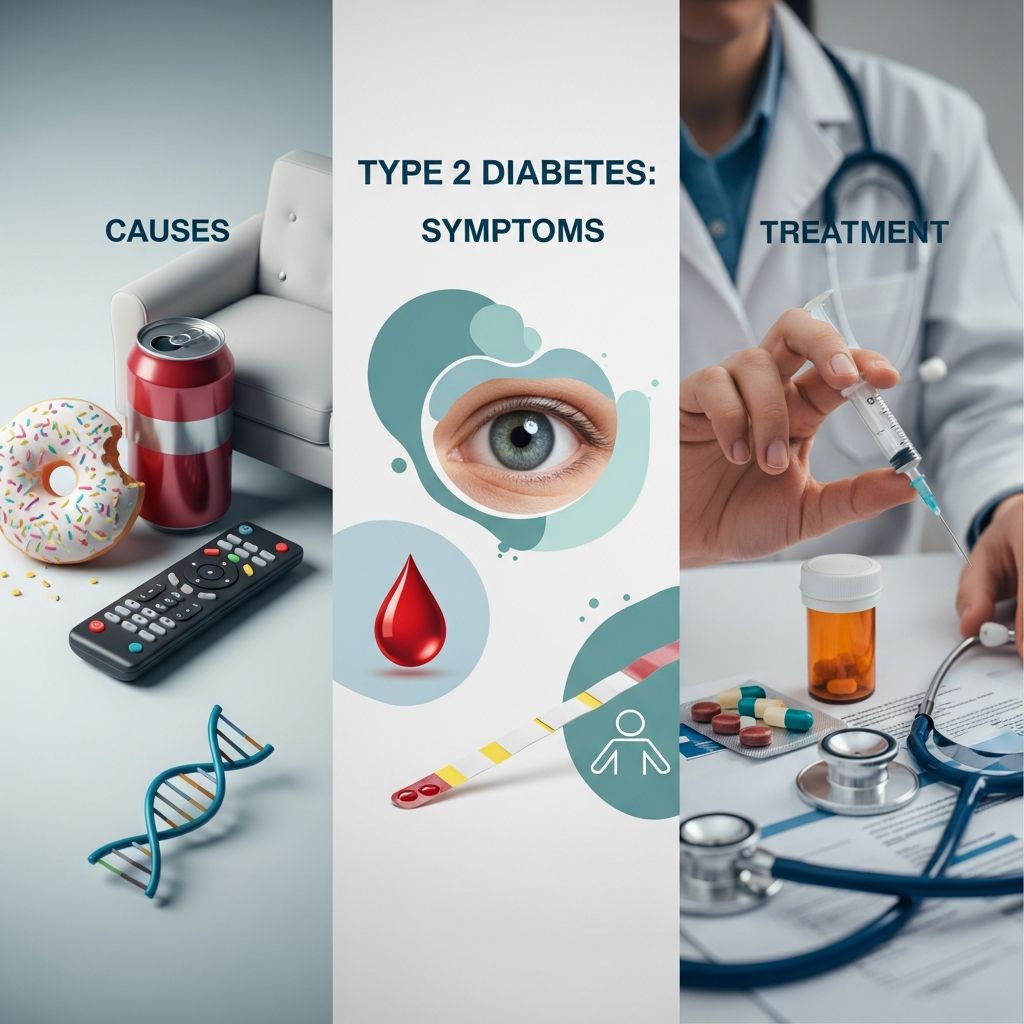
What is Type 2 Diabetes?
Type 2 diabetes is a lifelong condition in which your body does not use insulin properly, a condition known as insulin resistance. At first, your pancreas produces extra insulin to compensate for this resistance. However, over time, your pancreas cannot produce enough insulin to keep your blood glucose at normal levels. This results in persistently high blood sugar levels that can lead to serious health complications if left unmanaged.
Type 2 diabetes is the most common form of diabetes, affecting more than 90% of all people with diabetes. While it mainly occurs in people aged over 40, it can develop at any age, including during childhood, and is increasingly affecting younger populations.
How Common is Type 2 Diabetes?
Type 2 diabetes represents the vast majority of diabetes cases worldwide. The condition has become increasingly prevalent across all age groups, though it remains most common in middle-aged and older adults. The rising incidence in younger populations reflects changing lifestyle patterns and increasing obesity rates globally.
Type 2 Diabetes Symptoms
Many people with type 2 diabetes may not experience obvious symptoms, particularly in the early stages. With increased screening programs, many individuals are diagnosed while still asymptomatic. However, when symptoms do appear, they may include:
- Urinating often (polyuria)
- Feeling very thirsty (polydipsia)
- Feeling very hungry, even though you are eating
- Extreme fatigue and lethargy
- Blurry vision
- Cuts or bruises that heal slowly
- Frequent, recurrent, or prolonged infections
- Boils or skin infections
Importantly, the presentation in type 2 diabetes tends to be gradual and subacute, with symptoms developing over a longer duration compared to type 1 diabetes. This means many people may live with undiagnosed diabetes for considerable time before seeking medical attention.
Type 2 Diabetes Diagnosis
Diagnosis of type 2 diabetes is typically confirmed through blood tests that measure glucose levels. Your healthcare provider may order:
- Fasting blood glucose tests
- HbA1c tests (glycated hemoglobin), which show average blood sugar over three months
- Random blood glucose tests
- Oral glucose tolerance tests
Early detection is crucial as it allows for prompt intervention to prevent complications. Many cases are now identified through routine screening before symptoms develop.
Type 2 Diabetes Complications
If blood sugar levels remain consistently high over time, type 2 diabetes can lead to serious long-term complications affecting multiple organ systems:
- Heart disease: Type 2 diabetes is a major risk factor for cardiovascular disease, the most common cause of death in people with diabetes
- Kidney problems: High blood sugar can damage the kidneys’ filtering systems
- Eye problems: Diabetes can lead to vision impairment and blindness
- Nerve damage (neuropathy): Can cause pain or loss of feeling in extremities
- Poor wound healing: Cuts and bruises may take longer to heal
- Infections: Increased susceptibility to various infections
The good news is that keeping your blood sugar well controlled is key to reducing your risk of these long-term complications. Early intervention through lifestyle modifications and, if necessary, medication can significantly improve outcomes.
What are the Aims of Type 2 Diabetes Treatment?
Type 2 diabetes treatment has three primary objectives:
Treatment Aim 1 – Keeping Your Blood Sugar (Glucose) Level at Normal Levels
Lifestyle changes are an essential part of treatment for all people with type 2 diabetes, regardless of whether or not they take medication. The first-line treatment involves making changes to your lifestyle through diet, weight control, and physical activity. Many people with type 2 diabetes can reduce their blood glucose and HbA1c to target levels through these modifications alone.
Related Stories



If blood sugar levels remain too high after several months of lifestyle changes, medication is usually advised. Treatment options may include oral medications, injectable therapies, or insulin injections in some cases.
Treatment Aim 2 – To Reduce Other Risk Factors
Beyond glucose control, optimal management requires addressing other cardiovascular risk factors:
- Reducing blood pressure if it is high
- Lowering high cholesterol levels
- Quitting smoking
- Reducing sedentary lifestyle
- Managing obesity
These factors work together to significantly reduce the risk of heart disease and stroke in people with diabetes.
Treatment Aim 3 – Monitoring to Detect and Treat Any Complications Promptly
Regular monitoring and screening for complications allows for early detection and treatment before serious damage occurs. This includes monitoring kidney function, eye health, and nerve function.
Type 2 Diabetes Treatment
Lifestyle Modifications
The initial stages of type 2 diabetes treatment focus on lifestyle interventions. These include:
- Healthy diet: Following nutritional guidelines specific to diabetes management
- Weight loss: If overweight, losing weight can significantly improve blood sugar control
- Regular physical activity: Engaging in consistent exercise to improve insulin sensitivity
- Sleep management: Maintaining adequate sleep as part of foundational healthy lifestyle behaviors
Successful management of type 2 diabetes must include consistent attention to behaviors that sustain a healthy lifestyle and are foundational for achieving glycemic control. These measures are crucial for preventing complications and supporting quality of life.
Dietary Management
Diet plays a crucial role in managing type 2 diabetes. If you have type 2 diabetes, a low-carbohydrate diet between 50g-130g per day can help control spikes in your blood sugar or assist with weight loss. A low-carb diet is particularly important as it can be key to achieving remission—when blood sugar returns to normal range without medication.
Importantly, not all starchy foods are broken down in the body the same way. Refined carbohydrates are broken down very quickly, resulting in sharp increases in blood sugar, which is not ideal for diabetes management. Medical nutrition treatment emphasizes a balanced selection of nutrient-dense foods while minimizing or eliminating added sugar, refined grains, and highly processed foods.
Medication Management
If lifestyle modifications alone do not achieve target blood sugar levels after a trial period of several months, medication is usually advised. Treatment decisions should be based on:
- The person’s individual clinical circumstances
- Existing comorbidities (other health conditions)
- Contraindications to certain medications
- Body weight
- Risks from taking multiple medications simultaneously
When starting insulin therapy, metformin is typically continued for people without contraindications. Other blood glucose-lowering therapies should be reviewed to determine ongoing necessity.
Blood Pressure and Cholesterol Control
Managing other risk factors is essential. If blood pressure is elevated or cholesterol levels are high, specific treatments to address these conditions are advised.
Managing Type 2 Diabetes
Keeping your blood sugar well controlled is key to reducing your risk of long-term complications. Regardless of whether you need medication or which medication you are taking, diet and lifestyle play a key part in preventing long-term complications.
People with diabetes should be informed of the importance of adherence to treatment, and education on managing sick days should be provided. Healthcare providers should discuss the benefits and risks of different treatment options, ensuring informed decision-making.
Why is Weight Loss Important?
Losing weight and adopting a low-carbohydrate diet can help control blood sugar and cholesterol in those with type 2 diabetes. Weight loss improves insulin sensitivity and reduces the workload on your pancreas, allowing better blood sugar control even without medication in some cases.
Good News About Type 2 Diabetes Management
The encouraging reality is that many people can stay well using lifestyle measures alone. With dedication to diet modification, weight control, and physical activity, significant improvements in blood sugar control are achievable. Even when medication becomes necessary, these lifestyle factors remain essential for long-term health and preventing complications.
Special Considerations
Adults with type 2 diabetes who have acute intercurrent illness are at risk of worsening hyperglycemia. Treatment should be reviewed as necessary during such periods. Additionally, people receiving insulin therapy should be aware of avoiding very low carbohydrate or ketotic diets without medical supervision.
Frequently Asked Questions (FAQs)
Q: What is the difference between type 1 and type 2 diabetes?
A: Type 1 diabetes is an autoimmune condition where the pancreas cannot produce insulin. Type 2 diabetes involves insulin resistance, where the body doesn’t use insulin properly, and the pancreas eventually cannot keep up with demand. Type 2 is much more common, affecting over 90% of people with diabetes.
Q: Can type 2 diabetes be reversed or put into remission?
A: Yes, with significant lifestyle changes including a low-carbohydrate diet, weight loss, and increased physical activity, blood sugar can return to normal ranges without medication, achieving remission. However, type 2 diabetes remains a lifelong condition requiring ongoing management.
Q: Do I need medication for type 2 diabetes?
A: Not necessarily. Many people can achieve good blood sugar control through lifestyle modifications alone. However, if after several months of dietary changes and exercise your blood sugar remains high, medication is usually advised.
Q: What should I eat if I have type 2 diabetes?
A: A balanced diet emphasizing nutrient-dense foods while limiting added sugar, refined grains, and highly processed foods is recommended. A low-carbohydrate diet of 50g-130g daily can help control blood sugar spikes. Focus on whole foods, vegetables, lean proteins, and healthy fats.
Q: How often should I monitor my blood sugar?
A: Your healthcare provider will recommend monitoring frequency based on your individual circumstances and treatment plan. Regular monitoring helps track how well your current management strategy is working.
Q: Can type 2 diabetes lead to serious complications?
A: Yes, uncontrolled type 2 diabetes can lead to heart disease, kidney damage, eye problems, nerve damage, and poor wound healing. However, keeping blood sugar well controlled significantly reduces these risks.
Q: Is type 2 diabetes preventable?
A: Type 2 diabetes can often be prevented or delayed through maintaining a healthy weight, eating a balanced diet, and engaging in regular physical activity, particularly in those at risk.
References
- Diabetes diet: managing type 2 diabetes through diet — Patient.info. 2025. https://patient.info/features/diabetes/diet-and-diabetes-how-to-manage-type-2-diabetes-through-your-diet
- Type 2 Diabetes: Causes, Symptoms, and Treatment — Patient.info. 2025. https://patient.info/diabetes/type-2-diabetes
- Type 2 diabetes treatment — Patient.info. 2025. https://patient.info/diabetes/type-2-diabetes/type-2-diabetes-treatment
- Type 2 Diabetes Diet: What to Eat and Avoid — Patient.info. 2025. https://patient.info/diabetes/type-2-diabetes/type-2-diabetes-diet
- Advances in the management of type 2 diabetes in adults — National Center for Biotechnology Information (NIH). 2023. https://pmc.ncbi.nlm.nih.gov/articles/PMC10481754/
- Type 2 Diabetes Treatment and Management — Patient.info. 2025. https://patient.info/doctor/endocrine-disorders/management-of-type-2-diabetes
- Understanding Type 2 Diabetes — American Diabetes Association. 2025. https://diabetes.org/about-diabetes/type-2
Similar Articles








Read full bio of medha deb