Type 2 Diabetes Complications and Death Risk
Understand the serious complications of type 2 diabetes that can lead to death and learn prevention strategies for better health.
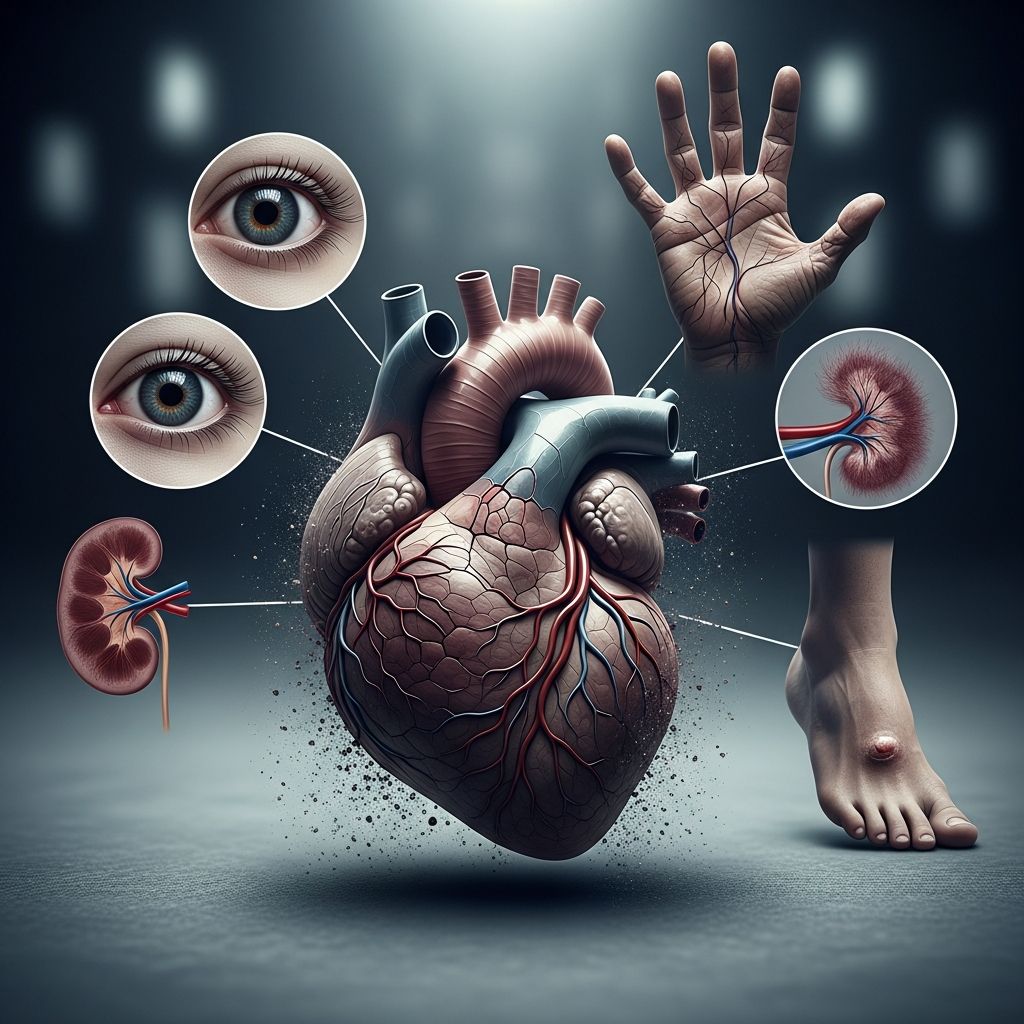
Type 2 diabetes significantly elevates the risk of severe complications that can lead to premature death, with macrovascular diseases like heart attacks being the leading cause, alongside microvascular issues such as kidney failure and neuropathy.
Can Type 2 Diabetes Kill You?
Yes, type 2 diabetes can be fatal if not managed properly. In 2021, diabetes directly caused 1.6 million deaths globally, with 47% occurring before age 70, primarily due to complications like cardiovascular disease, kidney failure, and infections. For type 2 diabetes patients, 5-year all-cause mortality reaches 18.9%, far higher than the 5.5% for type 1, with acute coronary events accounting for 56% of deaths.
While diabetes itself is rarely listed on death certificates, it ranks as a top contributor to mortality through associated conditions. Advances in care have reduced vascular deaths, but emerging risks like cancer and dementia now lead in some regions. Poor control of blood sugar, blood pressure, and cholesterol accelerates these risks, making proactive management essential.
How Does Diabetes Kill You?
Diabetes primarily kills through macrovascular complications like heart disease and stroke, which cause over 50% of deaths in affected individuals. High blood sugar damages blood vessels, leading to atherosclerosis that triggers heart attacks and strokes.
Microvascular damage causes kidney failure (end-stage renal disease), a leading U.S. cause linked to diabetes, and retinopathy leading to blindness. Neuropathy contributes via foot ulcers and amputations, strongly predicting mortality—amputation hazard ratio of 5.08 in type 1 and high risks in type 2. Infections, worsened by poor healing, and emerging issues like cancer (gastrointestinal and female-specific) and dementia further elevate risks as lifespans extend.
- Macrovascular: Coronary events (56% of type 2 deaths), stroke.
- Microvascular: Nephropathy (HR 3.96 for severe), neuropathy, retinopathy.
- Other: Amputations, infections (e.g., COVID-19, pneumonia), cancer, dementia.
Diabetes Complications That Can Lead to Death
1. Cardiovascular Disease
Heart disease is the top killer in type 2 diabetes, classified as a cardiac equivalent due to 70% of deaths from vascular issues. Macrovascular disease carries a hazard ratio of 2.00 for mortality, with acute coronary events predominant. Diabetes doubles heart attack risk via damaged vessels, neuropathy affecting heart rhythm, and factors like high cholesterol.
Prevention: Control blood pressure (<130/80 mmHg), statins for cholesterol, smoking cessation, and regular cardiac screenings.
2. Kidney Disease (Diabetic Nephropathy)
Diabetes leads U.S. end-stage renal disease cases. Worsening nephropathy levels show HRs of 2.17 to 3.96 for death, independent of other factors. High blood sugar scars glomeruli, causing proteinuria and failure requiring dialysis or transplant.
| Severity Level | Hazard Ratio (HR) | 95% CI |
|---|---|---|
| Mild | 2.17 | 1.77–2.67 |
| Moderate | 3.08 | 2.13–4.45 |
| Severe | 3.96 | 3.17–4.94 |
Prevention: ACE inhibitors/ARBs, blood sugar <7% HbA1c, low-protein diet if advanced.
3. Neuropathy and Amputations
Nerve damage affects 50% of patients, leading to foot ulcers and amputations—strongest mortality predictor in type 1 (HR 5.08), high in type 2. Diminished sensation causes unnoticed injuries, infections, and vascular issues culminate in amputation, often followed by coronary death.
Symptoms: Numbness, pain, ulcers. Prevention: Daily foot checks, proper footwear, blood sugar control, neuropathy meds.
Related Stories



4. Retinopathy and Vision Loss
Diabetes causes adult blindness via retinal vessel damage. Poor visual acuity (HR 1.74) predicts death; severe retinopathy worsens mortality risk.
Prevention: Annual eye exams, laser therapy, blood pressure control.
5. Infections
Diabetes triples hospitalization/mortality from infections like pneumonia, foot/kidney infections, COVID-19 due to immune impairment and poor healing.
6. Emerging Risks: Cancer and Dementia
As vascular deaths decline, cancer (16-28% of deaths, leading in England) and dementia rise. Diabetes links to GI/female cancers, vascular dementia. Proportions: Cancer overtook vascular disease (44% to 24% decline 2001-2018).
Mortality Statistics
ETDRS study: Type 2 18.9% 5-year mortality vs. 5.5% type 1; 25.8% of type 2 patients died over 5.4 years. Globally, 1.6M diabetes deaths in 2021. Risks rise with age, HbA1c, cholesterol, blood pressure.
- Acute coronary: 56% type 2 deaths.
- Amputation: Top predictor.
- Cancer/dementia: Now leading in some areas.
Prevention of Diabetes Complications
Prevent death by targeting modifiable risks: HbA1c <7%, BP <130/80, LDL <100 mg/dL, no smoking, exercise 150 min/week.
- Glycemic control: Metformin, SGLT2 inhibitors reduce CV/kidney risks.
- Foot care: Inspections, podiatry.
- Screenings: A1c quarterly, eyes/kidneys yearly, lipids biannual.
- Lifestyle: Diet, weight loss (5-10% reduces complications).
SGLT2/GLP-1 agonists cut mortality 20-30% in trials. Vaccinations for flu/pneumonia essential.
Frequently Asked Questions (FAQs)
What is the leading cause of death in type 2 diabetes?
Acute coronary events account for 56% of deaths, followed by chronic coronary disease.
Can diabetes cause sudden death?
Yes, via heart attack or stroke from macrovascular damage, exacerbated by autonomic neuropathy.
How long can you live with untreated type 2 diabetes?
Untreated, life expectancy drops 6-10 years; complications like kidney failure can kill within 10-15 years.
Does amputation mean certain death in diabetes?
Not certain, but strongly predictive (HR 5+), often due to subsequent cardiac events.
Are new drugs reducing diabetes deaths?
Yes, SGLT2 inhibitors lower CV/kidney mortality by slowing complications.
References
- Associations of Mortality and Diabetes Complications in Patients — Diabetes Care (American Diabetes Association). 2005-03-01. https://diabetesjournals.org/care/article/28/3/617/27646/Associations-of-Mortality-and-Diabetes
- The burden and risks of emerging complications of diabetes mellitus — Nature Reviews Endocrinology (PMC). 2022-05-24. https://pmc.ncbi.nlm.nih.gov/articles/PMC9169030/
- How to Prevent Diabetes-Related Complications and Risks — University Health (.edu). 2023. https://www.universityhealth.com/blog/prevent-diabetes-complications
- 7 dangerous diabetes complications and how to start preventing them today — Baylor Scott & White Health. 2023. https://www.bswhealth.com/blog/7-dangerous-diabetes-complications-and-how-to-start-preventing-them-today
- Diabetes Fact Sheet — World Health Organization (.gov equivalent). 2024-11-14. https://www.who.int/news-room/fact-sheets/detail/diabetes
Similar Articles








Read full bio of Sneha Tete