Type 2 Diabetes Diet Complete Guide 2025: What To Eat & Avoid
Essential guide to managing type 2 diabetes through diet: what to eat, avoid, and practical tips for better blood sugar control.
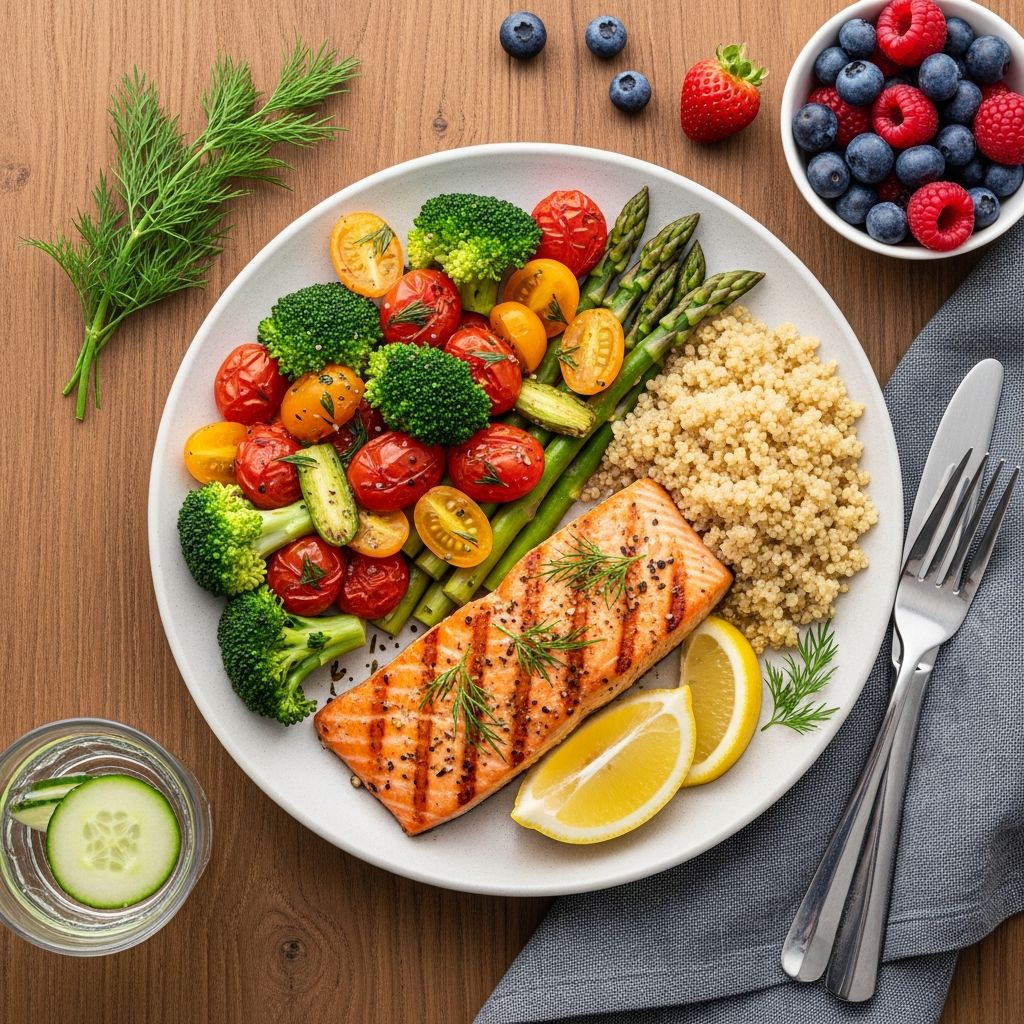
Managing type 2 diabetes effectively starts with dietary changes. A balanced diet focusing on high-fibre, low-glycaemic-index (GI) carbohydrates from fruits, vegetables, whole grains, and pulses helps stabilise blood sugar levels, supports weight management, and reduces complication risks.
The National Institute for Health and Care Excellence (NICE) recommends encouraging these nutrient-dense foods to improve glycaemic control without increasing hypoglycaemia risks. This approach aligns with Mediterranean-style eating patterns, which emphasise whole foods, lean proteins, and healthy fats for heart health and glucose management.
Fruit and vegetables
Fruits and vegetables are cornerstones of a type 2 diabetes diet. They are rich in fibre, vitamins, minerals, and antioxidants while being low in calories and fat, making them ideal for blood sugar control and weight loss.
Aim for at least five portions daily—ideally three vegetable and two fruit portions—to lower risks of heart disease and certain cancers. A ‘rainbow’ approach, incorporating various colours like red peppers, green broccoli, orange carrots, and berries, maximises nutrient intake.
Potatoes, despite being vegetables, are high in carbohydrates and do not count towards your five-a-day; treat them as starchy foods instead. Fresh, frozen, or tinned (in natural juices) options work well. Pair fruits with proteins or healthy fats, like Greek yoghurt, to slow sugar absorption. Plant-based diets rich in these foods have been linked to reduced type 2 diabetes risk.
- Examples: Apples, berries, leafy greens, tomatoes, courgettes.
- Tip: Add spinach to smoothies or roast mixed vegetables for meals.
Sugar and junk food
Limit added sugars and junk foods, as they cause rapid blood sugar spikes. Carbohydrates, especially sugary ones, raise glucose more than other nutrients. Opt for natural sweetness from fruits over processed sweets, biscuits, or sugary drinks.
Refined sugars in cakes, chocolates, and fizzy drinks offer empty calories with no nutritional value, contributing to weight gain and poor glycaemic control. Replace with fresh fruits or sugar-free alternatives.
Starchy carbohydrates
Starchy foods like bread, rice, pasta, and potatoes provide energy but vary in impact on blood sugar. Choose wholegrain or wholemeal versions—brown rice, wholewheat pasta, granary bread—for slower absorption, higher fibre, and better gut health.
Refined carbs (white bread, pasta) break down quickly, causing spikes; low-carb diets (50-130g daily) may help control glucose and aid remission in some cases. Include at every meal but prioritise low-GI options like basmati rice, sweet potatoes, porridge oats, or barley.
| High-GI Starchy Foods (Avoid/Limit) | Low-GI Alternatives (Prefer) |
|---|---|
| White bread, instant rice | Wholegrain bread, basmati rice |
| Processed cereals | Oats, All-Bran |
| Mashed potatoes | New potatoes, sweet potato |
Dairy and dairy alternatives
Dairy provides calcium, protein, and vitamins. Semi-skimmed or skimmed milk is preferable over full-fat to cut calories, though full-fat may promote satiety. Low-fat Greek yoghurt, cottage cheese, and reduced-fat cheeses fit well.
Related Stories



Practical tips:
- Top fruit with natural yoghurt for breakfast.
- Use cottage cheese on baked potatoes or crackers.
- Grate cheese to use less.
- Alternatives: Fortified plant milks (almond, oat) if lactose-intolerant.
Aim for 2-3 servings daily.
Meats, fish, eggs, beans, pulses, nuts and other proteins
Proteins support body repair, provide iron, and stabilise blood sugar. Include daily; one portion equals palm-sized meat or fish.
Prioritise lean cuts, eggs, beans, lentils, nuts, and tofu. Eat two oily fish portions weekly (salmon, mackerel) for omega-3s and heart health. Limit processed meats (bacon, sausages) to reduce fat and salt.
- Vegetarian swaps: Lentil curries, chickpea salads, nut butters.
- Tip: Grill or bake instead of frying.
Protein needs remain standard, but heart disease risk warrants lean choices.
Fluid
Hydration is crucial; aim for 6-8 glasses (1.5-2 litres) daily. Water is ideal—calorie-free and essential for health. Include tea, coffee (unsweetened), and no-added-sugar squash. Limit fizzy drinks.
Salt
Excess salt raises blood pressure, a diabetes concern. Limit to under 6g daily by avoiding processed foods, using herbs/spices, and checking labels.
Foods high in fat and sugar
Reduce saturated fats (butter, fatty meats) and trans fats; opt for unsaturated from avocados, nuts, olive oil. Avoid high-fat, high-sugar combos like pastries.
What is the glycaemic index?
Glycaemic index (GI) ranks carbs on how quickly they raise blood sugar: low (<55), medium (56-69), high (>70). Low-GI foods (pulses, apples, oats) release glucose slowly, aiding control.
However, GI isn’t sole focus—portion size matters, and unhealthy low-GI foods (e.g., chocolate) exist. Combine with balanced eating.
Why is food portion size important?
Large portions lead to excess calories, weight gain, and glucose spikes. Use hand measures: palm for protein, fist for veg, cupped hand for carbs, thumb for fats. Mindful eating prevents overconsumption.
What are the benefits of weight loss if you’re overweight?
Even 5-10% weight loss improves insulin sensitivity, lowers blood sugar, reduces medication needs, and cuts heart disease risk. Combine diet with activity[10]. Low-calorie or low-carb plans can induce remission.
Do ‘diabetic foods’ need to be included in your diet?
No—’diabetic’ labelled foods (sweets, chocolates) are often costly, high-fat, and unnecessary. Regular healthy foods suffice.
Five take home messages
- Carbs impact glucose most: Choose high-fibre, low-GI sources.
- High fibre, low fat/sugar/salt: Emphasise fruits, veg, whole grains.
- Portion control: Prevents weight gain and spikes.
- Balanced meals: Include protein, dairy, fluids daily.
- Regular eating: Three meals/day, no skipping.
Frequently Asked Questions (FAQs)
Q: Can I eat fruit with type 2 diabetes?
A: Yes, in moderation—whole fruits over juices for fibre. Pair with protein to blunt sugar rise.
Q: Is a low-carb diet safe?
A: For some, yes, under professional guidance; it aids remission.
Q: How much oily fish should I eat?
A: Two portions weekly for heart benefits.
Q: What about alcohol?
A: Limit; it affects blood sugar. Choose low-sugar options sparingly.
Q: Do I need special diabetic meals?
A: No—focus on healthy, balanced eating for all.
References
- Type 2 Diabetes Diet: What to Eat and Avoid — Patient.info. 2023. https://patient.info/diabetes/type-2-diabetes/type-2-diabetes-diet
- Diabetes – Type 2 — British Dietetic Association (BDA). 2024. https://www.bda.uk.com/resource/diabetes-type-2.html
- Diabetes diet and exercise — Patient.info (NICE guidelines). 2023. https://patient.info/doctor/endocrine-disorders/diabetes-diet-and-exercise
- Diabetes diet: managing type 2 diabetes — Patient.info. 2023. https://patient.info/features/diabetes/diet-and-diabetes-how-to-manage-type-2-diabetes-through-your-diet
- Treatment for type 2 diabetes — NHS.uk. 2025. https://www.nhs.uk/conditions/type-2-diabetes/treatment/
- Diabetes – basic diet advice for newly diagnosed — West Sussex Hospitals NHS. 2023. https://www.wsh.nhs.uk/CMS-Documents/Patient-leaflets/DiabetesUnit/6392-2-Diabetes-basic-diet-advice-for-newly-diagnosed.pdf
Similar Articles








Read full bio of medha deb