Managing Type 2 Diabetes: Medication Options Explained
Explore medication classes and treatment strategies for effective Type 2 diabetes management
Understanding Medication-Based Treatment for Type 2 Diabetes
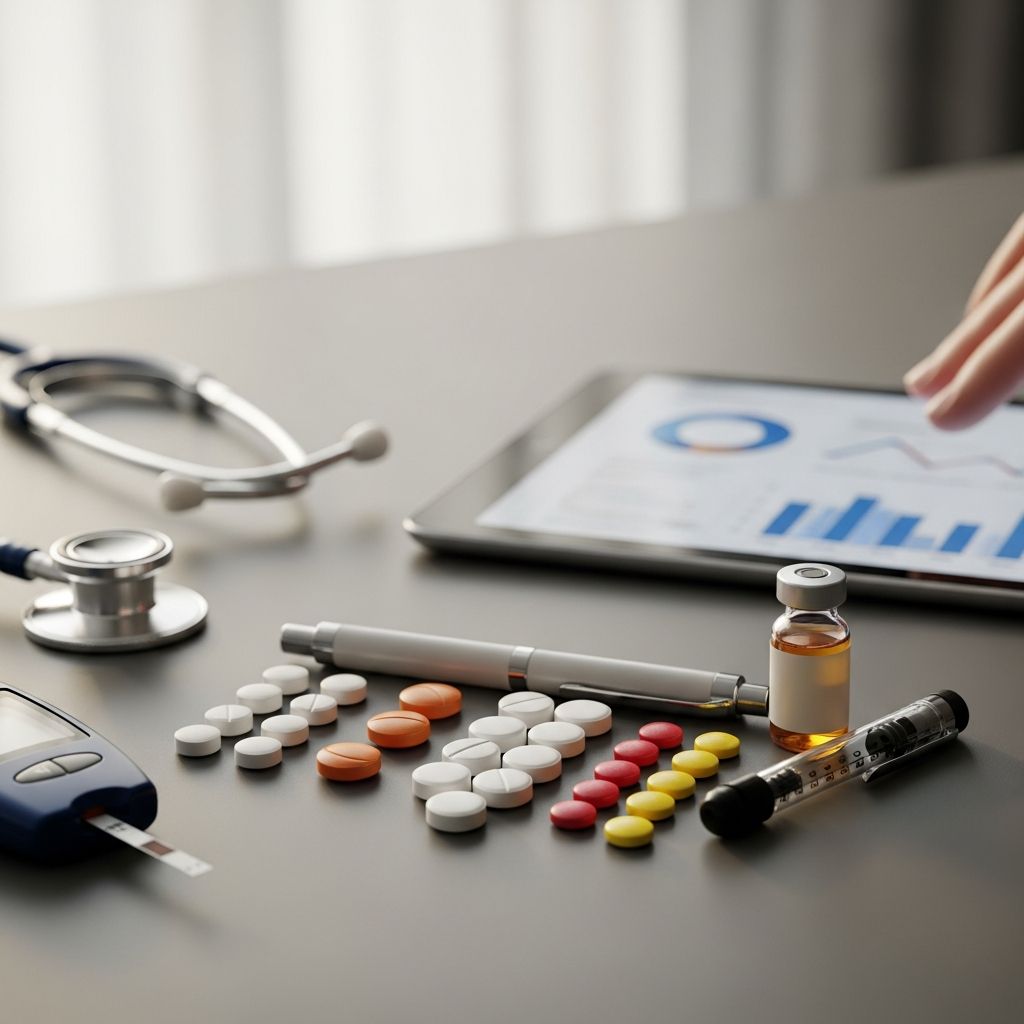
Type 2 diabetes affects how your body produces and uses insulin, leading to elevated blood glucose levels. While lifestyle modifications such as diet and exercise remain foundational to diabetes management, medications play a crucial role for many individuals in achieving and maintaining healthy blood sugar levels. The landscape of Type 2 diabetes treatment has expanded significantly in recent years, offering diverse options that work through different mechanisms to help regulate glucose metabolism.
Unlike Type 1 diabetes, where the pancreas fails to produce adequate insulin, Type 2 diabetes involves insulin resistance—the body’s cells become less responsive to the insulin your pancreas produces. This distinction is important because it explains why different medication classes target various points in the glucose regulation pathway. Understanding how these medications work empowers patients to engage meaningfully in their treatment decisions alongside their healthcare providers.
First-Line Treatment: Biguanides and Metformin
Metformin remains the foundational medication for Type 2 diabetes management globally. As a biguanide—the only medication in its class—metformin has been in clinical use for decades and benefits from extensive research demonstrating its safety and effectiveness. Healthcare providers typically recommend metformin as the initial oral medication when treatment becomes necessary, largely because it addresses the core problem of Type 2 diabetes: excessive glucose production by the liver.
Metformin works through multiple pathways simultaneously. It reduces the amount of glucose your liver manufactures and releases into the bloodstream throughout the day. Additionally, it enhances your muscle tissue’s sensitivity to insulin, allowing cells to absorb glucose more efficiently for energy production. The medication also moderates the amount of glucose your digestive system absorbs from food. These complementary mechanisms make it an effective foundational therapy that addresses multiple aspects of insulin resistance.
The appeal of metformin extends beyond its effectiveness. The medication carries minimal risk of causing hypoglycemia (dangerously low blood sugar), making it a safe option for daily use. It typically does not contribute to weight gain and may even produce modest reductions in body weight. Metformin is also highly affordable and combines well with virtually all other glucose-lowering medications, making it ideal for patients who eventually need combination therapy.
Metformin is usually administered twice daily, with common side effects including diarrhea—though this adverse effect improves significantly when the medication is taken with food. Extended-release formulations are available for patients seeking alternative dosing schedules. The long safety record and extensive clinical experience with metformin make it an evidence-based starting point for Type 2 diabetes medication therapy.
Stimulating Insulin Production: Sulfonylureas and Glinides
Sulfonylureas represent an older class of diabetes medications that work by stimulating your pancreas to produce and release more insulin into the bloodstream. While effective at lowering blood glucose, these medications are prescribed less frequently today because newer options provide superior outcomes and better safety profiles. The primary concern with sulfonylureas is their association with hypoglycemia—dangerously low blood sugar—which can occur when insulin levels become excessive relative to glucose intake.
Glinides function similarly to sulfonylureas by triggering insulin secretion but have a shorter duration of action, making them particularly useful for controlling post-meal blood sugar spikes. Like sulfonylureas, glinides carry hypoglycemia risk and have become less common in modern diabetes management as superior alternatives have emerged.
Related Stories



Improving Insulin Sensitivity: Thiazolidinediones
Thiazolidinediones (TZDs) take a different approach by enhancing insulin sensitivity directly in muscle and fat tissues. These medications make your body’s cells more responsive to the insulin already present in your bloodstream, reducing glucose production in the liver simultaneously. This dual mechanism can be effective for certain patients, but TZDs come with notable considerations that limit their use.
A significant concern with thiazolidinediones is their tendency to cause water retention, which can lead to weight gain and increased risk of heart failure in susceptible individuals. These cardiovascular considerations mean TZDs are typically reserved for patients without existing heart failure or significant fluid retention concerns. Despite their limitations, they remain valuable options for specific patient populations where benefits outweigh risks.
Slowing Glucose Absorption: Alpha-Glucosidase Inhibitors
Alpha-glucosidase inhibitors represent a unique approach to blood glucose management by operating at the digestive level. These medications slow the breakdown and absorption of carbohydrates in your gastrointestinal tract, reducing the rate at which glucose enters your bloodstream after meals. By moderating post-meal glucose spikes, these drugs help prevent sudden elevations in blood sugar that can damage blood vessels and nerves over time.
Common alpha-glucosidase inhibitors include acarbose and miglitol, though these medications are prescribed less frequently than newer alternatives. They do not cause hypoglycemia when used alone and do not promote weight gain, making them relatively safe options. However, their effectiveness is more modest compared to other medication classes, and they often cause gastrointestinal side effects such as bloating and flatulence, which limits patient adherence.
Enhancing Insulin Secretion: DPP-4 Inhibitors
Dipeptidyl peptidase-4 (DPP-4) inhibitors represent a modern approach that capitalizes on your body’s natural glucose regulation mechanisms. These medications work by blocking an enzyme that deactivates incretin hormones—natural substances your body produces that stimulate insulin release when blood glucose rises after eating. By preserving these hormones, DPP-4 inhibitors enhance insulin production in response to elevated glucose while minimizing hypoglycemia risk because their mechanism is glucose-dependent.
DPP-4 inhibitors are commonly prescribed due to their favorable safety profile and oral administration, avoiding the need for injections. They do not typically cause weight gain and carry minimal hypoglycemia risk. Available options include sitagliptin, alogliptin, saxagliptin, and linagliptin, each with slightly different pharmacokinetic profiles. These medications fit well into combination regimens and serve as valuable additions for patients needing additional glucose control beyond metformin monotherapy.
Innovative Kidney-Based Approach: SGLT2 Inhibitors
Sodium-glucose cotransporter-2 (SGLT2) inhibitors represent a genuinely novel mechanism, working through your kidneys rather than through traditional insulin-based pathways. These medications prevent your kidneys from reabsorbing glucose that would normally be filtered into the urine, allowing excess glucose to pass out of your body instead of re-entering the bloodstream. This approach is mechanistically distinct from all other diabetes medications and has proven remarkably effective at improving multiple health parameters.
SGLT2 inhibitors have demonstrated benefits extending far beyond glucose control. They produce modest weight loss, reduce blood pressure, and importantly, have shown cardiovascular protective effects in patients with existing heart disease. Additionally, these medications help preserve kidney function in individuals with chronic kidney disease, making them particularly valuable for patients with these comorbidities. Approved SGLT2 inhibitors include canagliflozin, dapagliflozin, empagliflozin, and several others, each with slightly different dosing schedules.
Despite their effectiveness, SGLT2 inhibitors are relatively newer and still represent a smaller proportion of diabetes medication prescriptions. However, their unique benefits beyond glucose control position them as increasingly important options, particularly for patients with heart or kidney disease alongside diabetes.
Hormone-Based Innovation: GLP-1 Receptor Agonists
Glucagon-like peptide-1 (GLP-1) receptor agonists represent one of the most impactful developments in diabetes treatment. These medications mimic the action of GLP-1, a natural hormone your intestines produce that regulates blood glucose and appetite. When you take a GLP-1 agonist, it activates the same receptors as your natural hormone, triggering multiple beneficial effects.
GLP-1 agonists work by increasing insulin secretion when blood glucose rises while simultaneously slowing gastric emptying—the rate at which your stomach releases food into your small intestine. This slower glucose entry into the bloodstream moderates post-meal blood sugar elevations. Additionally, these medications enhance satiety, reducing appetite and food intake, which commonly results in significant weight loss. This combination of glucose lowering and weight reduction makes GLP-1 agonists particularly attractive for overweight or obese patients with Type 2 diabetes.
Injectable GLP-1 agonists include dulaglutide (administered weekly), exenatide (administered twice daily or weekly), liraglutide (administered daily), lixisenatide, and semaglutide (administered weekly). Oral formulations of semaglutide have also become available, offering a pill option that some patients find more acceptable than injections. The injectable formulations are remarkably effective, producing substantial reductions in hemoglobin A1C and body weight while demonstrating cardiovascular protective effects similar to SGLT2 inhibitors.
Emerging Options: Dopamine-2 Agonists
Dopamine-2 agonists represent a specialized medication class with a unique mechanism. Bromocriptine, the FDA-approved dopamine-2 agonist for Type 2 diabetes, works by resetting your hypothalamic circadian rhythm—the internal biological clock in your brain. Obesity disrupts these circadian rhythms, contributing to insulin resistance. By restoring normal rhythm patterns, bromocriptine can partially reverse insulin resistance and reduce glucose production in the liver.
This medication is taken once daily in the morning and represents an alternative approach for patients who have not responded adequately to other therapies. Nausea is a common side effect. While not commonly prescribed, dopamine-2 agonists provide another option in the diverse medication arsenal available for Type 2 diabetes management.
Combination Therapy and Treatment Intensification
Most patients with Type 2 diabetes eventually require combination therapy to achieve optimal blood glucose control. Metformin frequently serves as the foundation, with additional medications from different classes added as needed. The choice of second, third, or additional agents depends on individual patient characteristics including existing comorbidities, weight status, kidney function, cardiovascular health, and tolerance for injections.
A patient with established cardiovascular disease might benefit from the combination of metformin with an SGLT2 inhibitor for added cardiac protection. Someone with significant obesity might receive metformin combined with a GLP-1 agonist for weight loss benefits. Patients with insufficient response to oral agents might progress to injectable therapies. This individualized, evidence-based approach to medication selection optimizes outcomes while minimizing adverse effects.
Important Considerations for Medication Safety and Efficacy
Several critical factors influence medication selection and management. Kidney function affects the safety and clearance of many diabetes medications, requiring dose adjustments or avoidance of certain drugs in patients with reduced renal function. Cardiovascular status influences whether SGLT2 inhibitors or GLP-1 agonists become priority recommendations. Body weight and obesity status might favor medications with weight loss benefits. Individual tolerability and preferences regarding injection versus oral administration influence long-term adherence and success.
Regular monitoring through hemoglobin A1C testing (reflecting average blood glucose over three months), periodic fasting glucose measurements, and kidney function assessments helps determine whether the current regimen requires adjustment. Healthcare providers continually reassess whether medication combinations remain optimal as patients’ conditions evolve.
References
- Oral Diabetes Medications: Types & How They Work — Cleveland Clinic. 2024. https://my.clevelandclinic.org/health/articles/12070-oral-diabetes-medications
- Oral & Injectable Medications for Type 2 Diabetes — American Diabetes Association. 2025. https://diabetes.org/health-wellness/medication/oral-other-injectable-diabetes-medications
- Drug Therapies for Diabetes — National Center for Biotechnology Information (NIH). 2023. https://pmc.ncbi.nlm.nih.gov/articles/PMC10742594/
- Medication Options for Type 2 Diabetes — Beyond Type 1. 2024. https://beyondtype1.org/medications-type-2-diabetes/
- Diabetes treatment: Medications for type 2 diabetes — Mayo Clinic. 2024. https://www.mayoclinic.org/diseases-conditions/type-2-diabetes/in-depth/diabetes-treatment/art-20051004
- Diabetes Medications — American Heart Association. 2024. https://www.heart.org/en/health-topics/diabetes/prevention–treatment-of-diabetes/diabetes-medications
Similar Articles








Read full bio of medha deb