Type 2 Diabetes: Which Medication Is Best for Me?
Comprehensive guide to choosing the right type 2 diabetes medication for your needs.
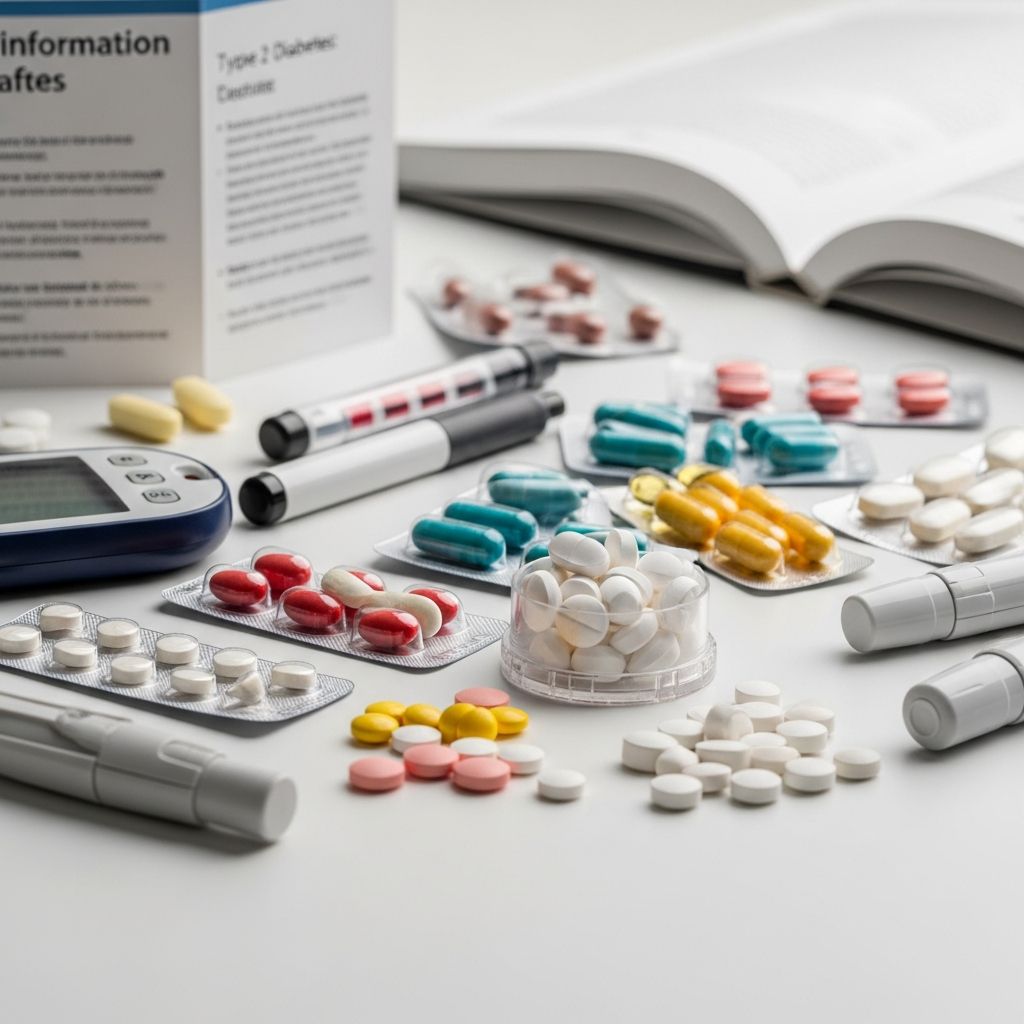
Managing type 2 diabetes effectively often requires more than just lifestyle modifications. While diet, exercise, and weight management form the foundation of diabetes care, most people with type 2 diabetes eventually need medication to achieve and maintain healthy blood sugar levels. With numerous medication options available, understanding which treatment is right for you requires knowledge of how each medication works, their benefits, potential side effects, and how they fit into your individual health profile.
Understanding Type 2 Diabetes Progression
Type 2 diabetes develops when the body becomes resistant to insulin or when the pancreas cannot produce enough insulin to maintain normal blood glucose levels. Over time, this condition tends to progress, meaning that the medications needed today may change in the future. Understanding this progressive nature helps explain why your doctor might recommend adjusting your treatment plan periodically. The goal of diabetes medication is not just to lower blood sugar in the moment, but to prevent long-term complications such as heart disease, kidney damage, and vision problems.
Type 2 diabetes accounts for approximately 90 to 95 percent of all diabetes cases globally, affecting an estimated 589 million to 828 million people worldwide. In the United States alone, approximately 1 in 6 adults has type 2 diabetes. The condition is associated with significant health risks, including cardiovascular disease, kidney failure, and vision loss. Approximately one-third of adults with type 2 diabetes have cardiovascular disease, and 10.1 percent experience severe vision difficulty or blindness.
First-Line Treatment: Metformin
Metformin remains the most commonly prescribed first-line medication for type 2 diabetes management. This medication works by reducing the amount of glucose your liver produces and helps your body use insulin more effectively. Metformin is typically recommended as the initial pharmacological treatment because of its effectiveness, long safety track record, and relatively low cost.
Several advantages make metformin an attractive first choice: it does not typically cause weight gain, it has minimal risk of causing dangerously low blood sugar when used alone, and it may help with modest weight loss in some patients. Most people tolerate metformin well, though gastrointestinal side effects such as diarrhea, nausea, or stomach upset can occur, particularly when first starting the medication or at higher doses. These side effects often improve over time or can be managed by taking the medication with food or by using extended-release formulations.
For patients with kidney problems, metformin may not be appropriate, as it can increase the risk of a rare but serious condition called lactic acidosis. Your doctor will assess your kidney function before prescribing metformin and may require periodic monitoring to ensure it remains safe for you.
GLP-1 Receptor Agonists: Beyond Blood Sugar Control
Glucagon-like peptide-1 receptor agonists (GLP-1RAs) have emerged as increasingly important medications in type 2 diabetes treatment, particularly for patients with cardiovascular or kidney disease or those at high cardiovascular risk. These medications work by stimulating the pancreas to produce more insulin when blood sugar is high and by slowing gastric emptying, which helps people feel fuller longer.
The benefits of GLP-1RAs extend far beyond blood sugar control. High-potency GLP-1RA medications result in weight loss exceeding 5 percent in most individuals with type 2 diabetes, with weight loss potentially exceeding 10 percent in many patients. More importantly, randomized clinical trials have demonstrated significant reductions in atherosclerotic cardiovascular disease (12 to 26 percent risk reduction), heart failure (18 to 25 percent risk reduction), and kidney disease (24 to 39 percent risk reduction) over 2 to 5 years.
Related Stories



GLP-1RAs are typically administered as self-injections either once weekly or once daily, depending on the specific medication. Common side effects include nausea, vomiting, and diarrhea, though these often improve with time. A rare but serious risk is pancreatitis, so patients with a personal or family history of pancreatitis should discuss this with their healthcare provider before starting GLP-1RA therapy. Additionally, these medications may not be appropriate for individuals with certain types of thyroid cancer or a family history of medullary thyroid carcinoma.
SGLT2 Inhibitors: Protecting Your Heart and Kidneys
Sodium-glucose cotransporter 2 inhibitors (SGLT2is) work through a unique mechanism: they help your kidneys eliminate excess glucose through urine. This class of medication has proven particularly valuable for patients with cardiovascular disease, heart failure, or chronic kidney disease. Like GLP-1RAs, SGLT2 inhibitors offer cardioprotective and renal-protective benefits beyond simple blood sugar reduction.
Clinical trials have shown that SGLT2 inhibitors provide similar cardiovascular and kidney protection as GLP-1RAs, making them an excellent choice for patients with these conditions. These oral medications are generally well tolerated, though they carry a small increased risk of urinary tract infections and, rarely, genital infections. Another consideration is the risk of diabetic ketoacidosis, a serious but uncommon condition that can develop with SGLT2 inhibitor use.
SGLT2 inhibitors also offer modest weight loss benefits and may help lower blood pressure. For patients with heart failure, certain SGLT2 inhibitors have become standard therapy regardless of diabetes status, highlighting their importance in modern cardiovascular medicine.
Combination Therapies and Advanced Options
When a single medication does not adequately control blood sugar, your doctor may recommend combination therapy. Dual glucose-dependent insulinotropic polypeptide (GIP) and GLP-1 receptor agonists represent a newer class of medications that combine two mechanisms of action. These dual agonists have shown remarkable effectiveness for weight loss and blood sugar control, with some patients achieving weight loss exceeding 15 percent.
Other add-on medications include dipeptidyl peptidase-4 inhibitors, sulfonylureas, and thiazolidinediones. Sulfonylureas stimulate the pancreas to release more insulin and carry a higher risk of low blood sugar compared to other medications. Thiazolidinediones improve insulin sensitivity but may cause weight gain and fluid retention. Dipeptidyl peptidase-4 inhibitors are oral medications that work by increasing GLP-1 levels in the body, offering a less potent alternative to GLP-1 injections.
Insulin Therapy: When Other Medications Are Insufficient
Approximately one-third of patients with type 2 diabetes require treatment with insulin during their lifetime. Insulin therapy becomes necessary when oral medications and other injectable therapies cannot adequately control blood sugar or when the pancreas can no longer produce sufficient insulin.
Modern insulin therapy offers multiple options, from long-acting basal insulins that provide background glucose control throughout the day to rapid-acting insulins taken with meals. Many patients use a combination of different insulin types. While insulin is highly effective at lowering blood sugar, it does carry a risk of hypoglycemia (dangerously low blood sugar) and may contribute to weight gain. Proper training on insulin injection technique and blood sugar monitoring is essential for safe and effective insulin therapy.
Factors to Consider When Choosing Your Medication
Your Blood Sugar Control Status: If you are newly diagnosed or your current regimen is not achieving your A1C target, your doctor may recommend intensifying therapy or switching medications.
Cardiovascular Health: If you have a history of heart disease, stroke, or are at high risk for cardiovascular events, GLP-1RAs or SGLT2 inhibitors should be considered early in treatment.
Kidney Function: Your kidney health significantly influences medication choices. SGLT2 inhibitors and GLP-1RAs offer kidney protection, while metformin requires dose adjustments or discontinuation if kidney function declines significantly.
Weight and Weight Management Goals: If weight loss is a priority, GLP-1RAs and dual GIP/GLP-1RAs offer superior weight loss benefits compared to other options.
Existing Medical Conditions: Heart failure, liver disease, and history of pancreatitis are examples of conditions that may influence medication selection.
Cost and Insurance Coverage: Medication costs can vary substantially. Metformin and sulfonylureas are generally inexpensive, while newer medications like GLP-1RAs and dual agonists may be more costly. Your insurance coverage may influence which medications are available to you.
Lifestyle and Preferences: Whether you prefer daily oral medications versus weekly injections, and your ability to manage potential side effects, should factor into your decision-making process.
The Role of Lifestyle Modifications
While medications are important, lifestyle modifications remain fundamental to diabetes management. Physical activity can reduce hemoglobin A1C by 0.4 to 1.0 percent and improve cardiovascular risk factors including hypertension and dyslipidemia. Although no specific diet has been proven to be most effective for improving health outcomes in all patients, maintaining a balanced diet rich in vegetables, whole grains, and lean proteins, while limiting refined carbohydrates and sugary beverages, supports better blood sugar control.
Weight management is an important component of treatment for type 2 diabetes. Even modest weight loss of 5 to 10 percent of body weight can significantly improve insulin sensitivity and blood sugar control. Combined with appropriate medication, lifestyle modifications create a comprehensive approach to diabetes management that maximizes benefits and reduces long-term complications.
Monitoring and Adjusting Your Treatment Plan
Effective diabetes management requires regular monitoring and adjustment of your treatment plan. Hemoglobin A1C testing, performed every three months, provides a measure of your average blood sugar control over the preceding three months. Your target A1C should be individualized based on your age, overall health, and ability to tolerate low blood sugar episodes, but generally ranges from 6.5 to 7 percent.
Regular office visits allow your doctor to assess how well your current medications are working, evaluate for side effects, monitor kidney function and other laboratory values, and adjust your treatment plan as needed. As type 2 diabetes is progressive, your medication regimen may need to be intensified over time.
Frequently Asked Questions
Q: Can I ever stop taking diabetes medications if my blood sugar improves?
A: While some patients experience improved blood sugar control through intensive lifestyle modifications, diabetes is a chronic progressive condition that typically requires long-term medication management. Your doctor can discuss whether any medication adjustments might be appropriate based on your individual response to treatment.
Q: What if I experience side effects from my diabetes medication?
A: Inform your healthcare provider about any side effects you experience. Many side effects improve with time, can be managed by dose adjustment, or may be resolved by switching to a different medication within the same class or to an entirely different class of medication.
Q: Is it safe to combine different classes of diabetes medications?
A: Yes, combining different classes of medications is often appropriate and recommended for optimal blood sugar control. Your doctor may recommend metformin combined with a GLP-1RA, SGLT2 inhibitor, or other medications to achieve your A1C target.
Q: How often should I check my blood sugar at home?
A: The frequency of home blood sugar monitoring depends on your specific medication regimen and whether you are at risk for low blood sugar episodes. Patients taking insulin or medications that stimulate insulin release should monitor more frequently than those taking medications that do not cause hypoglycemia.
Q: Are newer diabetes medications always better than older ones?
A: Newer is not always better. While newer medications may offer additional benefits such as weight loss or cardiovascular protection, older medications like metformin remain highly effective first-line therapy for many patients and are significantly less expensive.
Q: What should I do if I forget to take my diabetes medication?
A: For daily oral medications, take the missed dose as soon as you remember, unless it is almost time for your next dose. Do not double up on doses. For weekly injections, take your injection as soon as you remember, then resume your regular schedule the following week. Discuss specific guidance with your healthcare provider.
Conclusion: Personalizing Your Diabetes Treatment
Choosing the right medication for type 2 diabetes is not a one-size-fits-all decision. Your optimal treatment plan depends on your individual circumstances, including your current blood sugar control, cardiovascular and kidney health, weight management goals, other medical conditions, and personal preferences. Type 2 diabetes affects up to 14 percent of the global population and is associated with preventable long-term complications such as cardiovascular disease, kidney failure, vision loss, and increased mortality. In addition to lifestyle modifications including diet, exercise, and weight management, metformin is generally first-line therapy for attainment of hemoglobin A1C targets. For individuals with type 2 diabetes and cardiovascular or kidney disease or at high cardiovascular risk, guidelines recommend early treatment with SGLT2 inhibitors and/or GLP-1RA medications.
Working closely with your healthcare provider to establish a personalized treatment plan that combines appropriate medications with lifestyle modifications offers the best opportunity for achieving your health goals and preventing diabetes-related complications. As new medications continue to be developed and our understanding of diabetes treatment evolves, your doctor can help you stay informed about options that might benefit you.
References
- Diagnosis and Treatment of Type 2 Diabetes in Adults: A Review — Kalyani RR, Neumiller JJ, Maruthur NM, Wexler DJ, et al. JAMA. 2025-09-16. https://pubmed.ncbi.nlm.nih.gov/40549398/
- Healthy Eating for Type 2 Diabetes — Harvard Health Publishing. https://www.harvardhealthonlinelearning.com/courses/healthy-eating-for-type-2-diabetes
Similar Articles








Read full bio of Sneha Tete