Type 2 Diabetes Medicine: Essential Guide To Treatments
Comprehensive guide to medications, treatments, and lifestyle strategies for managing type 2 diabetes effectively.
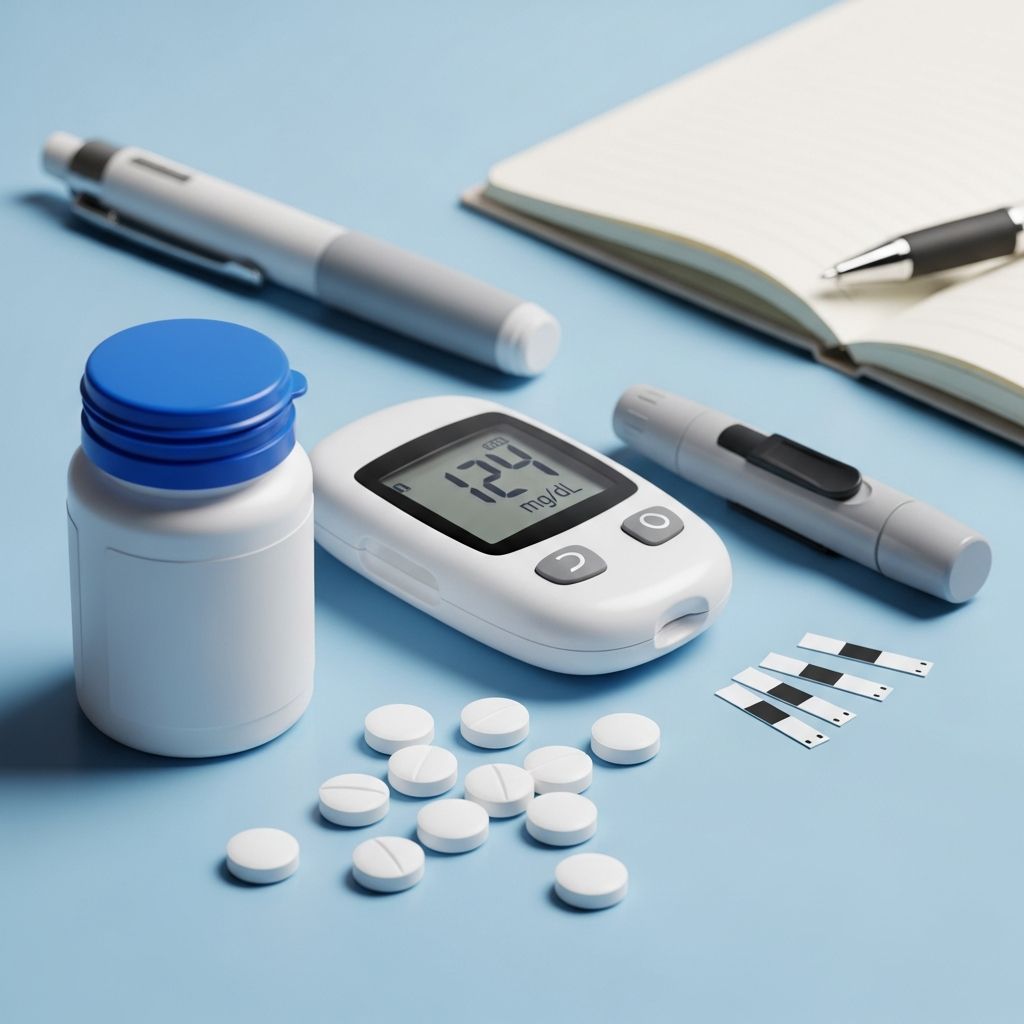
The cornerstone of type 2 diabetes management combines lifestyle adjustments with medications like
metformin
, insulin, and other therapies to control blood sugar levels and prevent complications.What is the best medicine for type 2 diabetes?
The optimal approach to managing type 2 diabetes prioritizes
eating well, increasing physical activity, and achieving weight loss
, which can control blood sugar, blood pressure, and cholesterol while lowering complication risks. Early weight loss post-diagnosis may even lead to remission in some cases.Upon diagnosis, medication might not be immediately necessary; lifestyle changes alone can suffice initially. Over time, most individuals require pharmacological support—such as
metformin tablets
,insulin injections
, or other injectables—to maintain healthy blood sugar ranges and mitigate long-term risks like heart disease or neuropathy.This progression does not indicate failure but reflects the body’s evolving needs. Healthcare teams tailor treatments, discussing benefits like cardiovascular or renal protection alongside potential side effects.
What are the different types of medication for type 2 diabetes?
Type 2 diabetes treatments encompass lifestyle interventions and pharmaceuticals:
- Eating well: Focus on balanced nutrition to stabilize blood sugar.
- Being more active: Regular exercise enhances insulin sensitivity.
- Weight management: Reaching a healthy weight improves glycemic control.
- Metformin: A tablet enhancing insulin efficacy and aiding modest weight loss.
- Insulin: Injections for when endogenous insulin is insufficient.
- Other medications: Tablets or injectables to lower blood sugar or promote weight loss.
Can type 2 diabetes be treated with pills?
Yes, many with type 2 diabetes manage it via oral medications, with
metformin
as the first-line pill therapy. Additional tablets target various mechanisms.Metformin
**Metformin**, a biguanide, is the most prescribed for type 2 and gestational diabetes. It reduces hepatic glucose production and improves insulin sensitivity, usable alone or combined with others like insulin.
Benefits include blood sugar reduction without hypoglycemia risk and potential weight loss. Side effects may involve gastrointestinal upset, mitigated by gradual dosing.
Alpha-glucosidase inhibitors (acarbose)
These slow starch absorption in the intestines, blunting post-meal blood sugar spikes.
DPP-4 inhibitors (gliptins)
**DPP-4 inhibitors** boost incretin hormones, increasing insulin release and curbing excess liver glucose when blood sugar is high.
SGLT2 inhibitors (gliflozins)
**SGLT2 inhibitors** promote renal glucose excretion via urine, lowering blood sugar. They offer cardiovascular and renal benefits, especially for heart failure or CKD patients.
| Medication Class | How it Works | Key Benefits |
|---|---|---|
| SGLT2 inhibitors | Blocks kidney glucose reabsorption | Weight loss, heart/kidney protection |
| DPP-4 inhibitors | Enhances incretin effects | Low hypoglycemia risk |
| Metformin | Reduces liver glucose, improves insulin action | First-line, weight-neutral/loss |
Can you treat type 2 diabetes with medication?
Medication is vital for most, complementing lifestyle efforts. Your team selects based on individual factors, noting extras like statins for cholesterol or antihypertensives.
Medicine you inject for type 2 diabetes
Beyond insulin,
GLP-1 agonists
(incretin mimetics) are common injectables.[10]Related Stories



Insulin
Essential when beta-cell function declines, insulin replaces or supplements natural production. Types include rapid-acting, long-acting; delivery via pens, pumps, or syringes.
- Fastest treatment for highs: Intravenous insulin for DKA/HHS emergencies.
GLP-1 agonists (incretin mimetics)
These mimic incretins, boosting meal-time insulin, suppressing glucagon, slowing gastric emptying, and curbing appetite—often aiding significant weight loss.[10]
Administered weekly or daily via injection, they reduce cardiovascular risks.
Other important treatments
Comprehensive management includes:
- Weight loss surgery (bariatric): Effective for remission in obese individuals.
- Type 2 remission: Sustained normal blood sugars (>3 months) sans meds via diet, exercise, or surgery.
- Emotional support: Mental health resources to cope with diagnosis.
Frequently Asked Questions (FAQs)
What is the main treatment for type 2 diabetes?
Eating well, moving more, weight loss, metformin, insulin, and other meds.
What is the fastest way to treat type 2 diabetes?
Insulin, especially IV for hyperglycaemic emergencies like DKA/HHS.
Is metformin always first-line?
Yes, unless contraindicated; pairs well with others.
Do all type 2 patients need insulin?
No, but many progress to it.
Can medications cause weight gain?
Some like sulfonylureas yes; others like GLP-1s/SGLT2s promote loss.
References
- Type 2 diabetes treatments — Diabetes UK. 2023. https://www.diabetes.org.uk/about-diabetes/type-2-diabetes/treatments
- Diabetes treatments — Diabetes UK. 2023. https://www.diabetes.org.uk/about-diabetes/looking-after-diabetes/treatments
- Diabetes tablets and medication — Diabetes UK. 2023. https://www.diabetes.org.uk/about-diabetes/looking-after-diabetes/treatments/tablets-and-medication
- Type 2 diabetes medicine — Diabetes UK. 2023. https://www.diabetes.org.uk/about-diabetes/type-2-diabetes/medicine
- Metformin – Uses, How it Works and Side Effects — Diabetes UK. 2023. https://www.diabetes.org.uk/about-diabetes/looking-after-diabetes/treatments/tablets-and-medication/metformin
- Treatment for type 2 diabetes — NHS. 2023-10-25. https://www.nhs.uk/conditions/type-2-diabetes/treatment/
- Oral & Injectable Medications for Type 2 Diabetes — American Diabetes Association. 2024. https://diabetes.org/health-wellness/medication/oral-other-injectable-diabetes-medications
Similar Articles








Read full bio of Sneha Tete