Type 2 Diabetes: Overview, Symptoms, and Management
Comprehensive guide to understanding type 2 diabetes, its symptoms, causes, and effective treatment options.
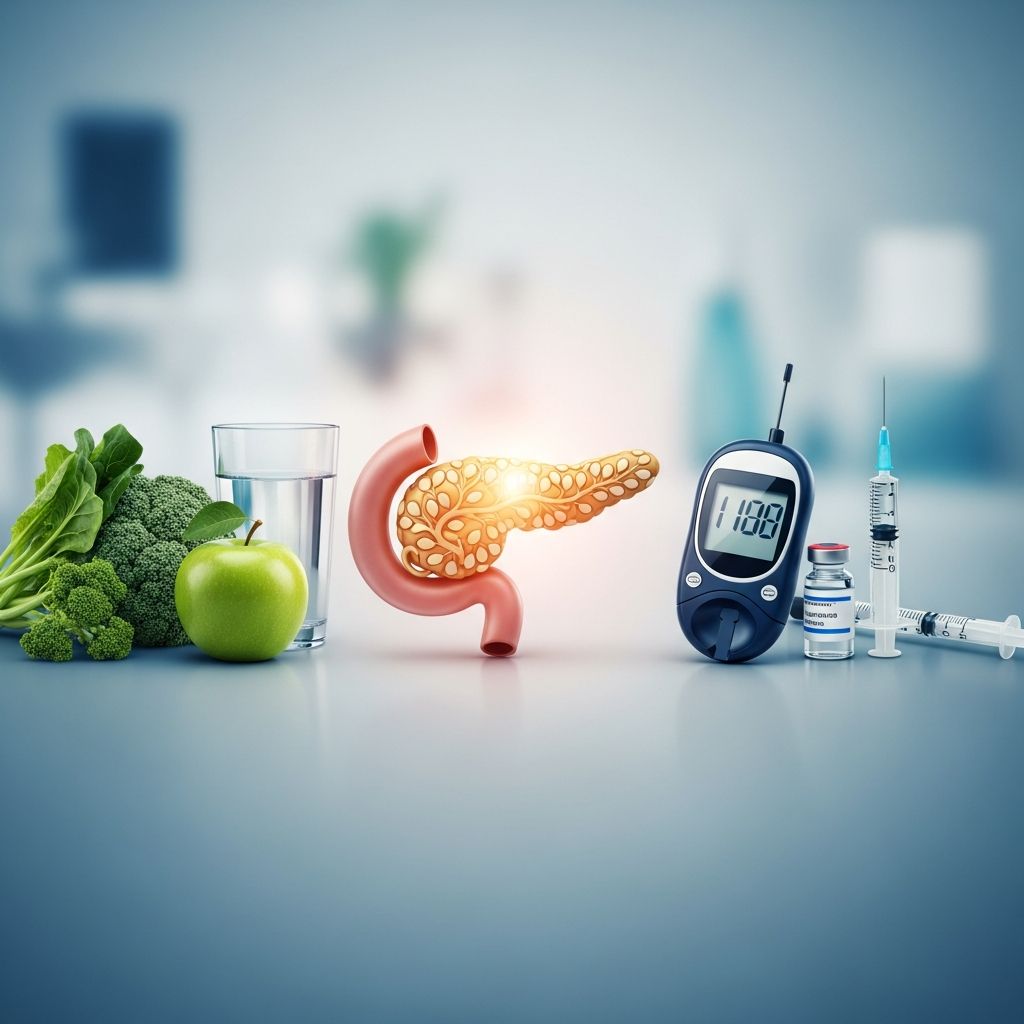
Type 2 diabetes is a chronic condition affecting millions of people worldwide. Understanding this metabolic disorder is essential for effective management and prevention of serious health complications. This comprehensive guide covers everything you need to know about type 2 diabetes, including what it is, how it develops, its symptoms, risk factors, and treatment options.
What is Type 2 Diabetes?
Type 2 diabetes is a chronic condition characterized by high blood sugar levels that persist over time. Unlike type 1 diabetes, which results from an autoimmune destruction of insulin-producing cells, type 2 diabetes develops when your body cannot use insulin properly—a condition known as insulin resistance. In type 2 diabetes, your body does not use insulin effectively, and your pancreas initially responds by producing more insulin to compensate. However, over time, your pancreas cannot make enough insulin to maintain normal blood glucose levels, leading to hyperglycemia (elevated blood sugar).
This condition was once called adult-onset diabetes because it typically developed in middle-aged and older adults. However, type 2 diabetes is increasingly affecting younger people, including children and teenagers, particularly as obesity rates rise in younger populations. Type 2 diabetes accounts for approximately 90% to 95% of all diabetes cases globally, affecting millions of people across all age groups.
Unlike type 1 diabetes, which requires insulin from diagnosis, type 2 diabetes can often be managed through lifestyle modifications and, when necessary, oral medications or insulin therapy. However, it is important to understand that type 2 diabetes is a lifelong condition. While it can be managed effectively to keep blood sugar levels within a healthy range, there is currently no cure. If you stop managing the condition or undermanage it, blood sugar levels will rise again.
Understanding Insulin and Insulin Resistance
To understand type 2 diabetes, it is helpful to know how insulin normally works in your body. Insulin is a hormone produced by your pancreas that acts like a key, allowing glucose (blood sugar) from food to enter cells throughout your body for use as energy. Healthy blood sugar levels range from 70 to 99 milligrams per deciliter (mg/dL) when fasting. In people with undiagnosed type 2 diabetes, blood sugar levels are typically 126 mg/dL or higher.
In type 2 diabetes, insulin resistance occurs when cells in your muscles, fat, and liver do not respond normally to insulin. These cells don’t take in enough sugar, causing glucose to build up in the bloodstream. When this happens, your pancreas initially compensates by producing more insulin. However, this increased demand eventually exhausts the pancreas’s ability to produce sufficient insulin, leading to persistently elevated blood sugar levels characteristic of type 2 diabetes.
Symptoms of Type 2 Diabetes
One of the challenging aspects of type 2 diabetes is that symptoms often develop slowly. Many people can live with type 2 diabetes for years without realizing they have the condition. When symptoms do appear, they may be mild or easily attributed to other causes. Common symptoms of type 2 diabetes include:
- Urinating often (increased frequency, especially at night)
- Feeling very thirsty
- Feeling very hungry—even though you are eating
- Extreme fatigue or tiredness
- Blurry vision
- Cuts or bruises that are slow to heal
- Tingling, pain, or numbness in the hands or feet
- Frequent infections
- Weight loss
- Areas of darkened skin, most often in the armpits and neck
Related Stories



Some people with type 2 diabetes experience additional symptoms. For example, females may experience frequent vaginal yeast infections and/or urinary tract infections (UTIs). If you experience any of these symptoms, it is important to consult with your healthcare provider for proper evaluation and testing.
Causes and Risk Factors
Type 2 diabetes results from a combination of genetic, environmental, and lifestyle factors. The development of type 2 diabetes involves two primary issues: cells not responding properly to insulin and the pancreas not producing enough insulin to compensate.
Main Causes
The fundamental cause of type 2 diabetes is insulin resistance. Several factors contribute to the development of this condition:
- Excess weight: Being overweight is a key risk factor, particularly excess fat in the abdominal area
- Physical inactivity: Sedentary lifestyle increases the risk of developing type 2 diabetes
- Poor diet: Consuming excessive amounts of processed foods, sugary beverages, and refined carbohydrates contributes to insulin resistance
- Genetic factors: Family history of diabetes significantly increases your risk
- Age: Risk increases with age, particularly after age 35 to 45
Additional Risk Factors
Beyond the primary causes, several other conditions and characteristics increase your risk of developing type 2 diabetes:
- Prediabetes: This condition occurs when blood sugar is higher than normal but not high enough to be diagnosed as type 2 diabetes. If left untreated, prediabetes often progresses to type 2 diabetes
- Blood lipid levels: Higher risk is associated with low levels of HDL cholesterol (the “good” cholesterol) and high levels of triglycerides
- Pregnancy-related risks: Women who experienced gestational diabetes during pregnancy or gave birth to a baby weighing more than 9 pounds have an increased risk
- Heart and blood vessel disease: Existing cardiovascular conditions increase diabetes risk
- Ethnicity: Certain ethnic groups, including African American, Hispanic, Asian American, and Native American populations, have higher risks
Prevalence of Type 2 Diabetes
Type 2 diabetes is remarkably common. In the United States, more than 38 million Americans have diabetes, representing about 1 in 10 people. Approximately 90% to 95% of all diabetes cases are type 2 diabetes. Globally, type 2 diabetes affects up to 14% of the population, with estimates ranging from 589 million to 828 million people worldwide. In the United States alone, approximately 1 in 6 adults have type 2 diabetes. While type 2 diabetes most often develops in people 45 or older, more children, teens, and young adults are being diagnosed with the condition than in the past.
Complications of Type 2 Diabetes
Undiagnosed or poorly managed type 2 diabetes can cause serious long-term complications affecting multiple organ systems. Over time, high blood sugar levels can damage the eyes, kidneys, nerves, and heart. Understanding these potential complications emphasizes the importance of early detection and proper management.
Long-Term Complications
- Cardiovascular disease: Diabetes significantly increases the risk of heart disease, stroke, and high blood pressure
- Kidney disease: High blood sugar can damage the kidneys’ filtering units, potentially leading to kidney failure
- Neuropathy: This nerve damage, called diabetic neuropathy, can cause tingling, numbness, burning, or pain, most often beginning at the tips of toes or fingers and slowly spreading upward
- Vision loss: Diabetes can damage blood vessels in the eye, leading to diabetic retinopathy and potentially blindness
- Atherosclerosis: Narrowing of blood vessels due to plaque buildup
- Increased mortality: Type 2 diabetes is associated with increased risk of death from various causes
Acute Complications
In addition to long-term complications, type 2 diabetes can cause acute (sudden and severe) complications. One example is hyperosmolar hyperglycemic state (HHS), a life-threatening condition that occurs when blood glucose levels become very high for days to weeks, leading to severe dehydration and confusion.
Diagnosis of Type 2 Diabetes
Type 2 diabetes is diagnosed through blood tests that measure glucose levels. Your healthcare provider may order:
- Fasting blood glucose test: Measures blood sugar after an 8-hour fast
- Hemoglobin A1C test: Shows your average blood sugar levels over the past 2-3 months
- Random blood glucose test: Measures blood sugar at any time of day
- Oral glucose tolerance test: Measures blood sugar before and after consuming a sugary drink
If you experience symptoms of type 2 diabetes or have risk factors, it is important to see your healthcare provider for evaluation and testing.
Management and Treatment Options
While there is no cure for type 2 diabetes, it can be effectively managed through a combination of lifestyle modifications and medications. The goal of treatment is to keep blood sugar levels in a healthy range to prevent complications and maintain overall health.
Lifestyle Modifications
Lifestyle changes are often the first line of treatment and can be highly effective in managing type 2 diabetes:
- Healthy eating: Focus on whole grains, vegetables, lean proteins, and healthy fats while limiting processed foods and sugary beverages
- Regular physical activity: Aim for at least 150 minutes of moderate-intensity aerobic activity per week, combined with resistance training
- Weight management: Losing weight, even 5-10% of body weight, can significantly improve insulin sensitivity
- Stress management: Chronic stress can affect blood sugar levels, so stress-reduction techniques are beneficial
- Adequate sleep: Poor sleep can increase insulin resistance, so prioritize 7-9 hours of quality sleep
Medications
If lifestyle modifications alone are insufficient to achieve target blood glucose levels, medications may be necessary. The most commonly prescribed first-line medication is metformin, which helps your body use insulin more effectively. For individuals with type 2 diabetes who also have cardiovascular disease, kidney disease, or are at high cardiovascular risk, guidelines recommend early treatment with SGLT2 inhibitors (SGLT2i) or GLP-1 receptor agonists (GLP-1RA).
These newer medications have demonstrated significant benefits, including 12%-26% risk reduction for atherosclerotic cardiovascular disease, 18%-25% risk reduction for heart failure, and 24%-39% risk reduction for kidney disease over 2 to 5 years. Approximately one-third of patients with type 2 diabetes eventually require insulin therapy during their lifetime. Other medications may include sulfonylureas, DPP-4 inhibitors, or other agents, depending on individual circumstances.
Blood Sugar Monitoring
Regular monitoring of blood glucose levels is essential for effective diabetes management. Two main methods are available:
- Glucose meter: Allows you to test blood sugar at specific times throughout the day
- Continuous glucose monitor (CGM): A wearable device that monitors blood sugar continuously and alerts you to highs and lows
Prevention of Type 2 Diabetes
Type 2 diabetes can often be prevented or delayed with lifestyle changes, particularly in people with prediabetes. Even modest weight loss combined with increased physical activity and dietary improvements can significantly reduce the risk of developing type 2 diabetes. Regular check-ups with your healthcare team are important for monitoring your health and catching any early warning signs.
Frequently Asked Questions
Q: Can type 2 diabetes be cured?
A: There is currently no cure for type 2 diabetes. However, it can be effectively managed through lifestyle modifications, medications, and regular monitoring to keep blood sugar levels within a healthy range.
Q: Is type 2 diabetes hereditary?
A: Yes, genetics play a significant role in type 2 diabetes risk. If family members have type 2 diabetes, your risk is higher. However, lifestyle factors also play an important role, and developing healthy habits can help prevent or delay the condition.
Q: Can children develop type 2 diabetes?
A: Yes, while type 2 diabetes traditionally affected older adults, it is increasingly diagnosed in children, teens, and young adults, particularly those who are overweight or obese.
Q: How often should I monitor my blood sugar?
A: The frequency of blood sugar monitoring depends on your treatment plan. Your healthcare provider will recommend an appropriate monitoring schedule based on your individual circumstances and medication regimen.
Q: Can lifestyle changes alone manage type 2 diabetes?
A: For some people, particularly those newly diagnosed with prediabetes or early-stage type 2 diabetes, lifestyle changes may be sufficient. However, many people eventually require medication to achieve target blood glucose levels.
Q: What should I eat if I have type 2 diabetes?
A: Focus on whole grains, non-starchy vegetables, lean proteins, healthy fats, and portion control. Limit processed foods, sugary beverages, and refined carbohydrates. Consult with a registered dietitian for personalized dietary recommendations.
References
- Understanding Type 2 Diabetes — American Diabetes Association. 2025. https://diabetes.org/about-diabetes/type-2
- Type 2 Diabetes: What It Is, Causes, Symptoms & Treatment — Cleveland Clinic. 2024. https://my.clevelandclinic.org/health/diseases/21501-type-2-diabetes
- Type 2 Diabetes — Centers for Disease Control and Prevention. 2025. https://www.cdc.gov/diabetes/about/about-type-2-diabetes.html
- Type 2 Diabetes – Symptoms and Causes — Mayo Clinic. 2024. https://www.mayoclinic.org/diseases-conditions/type-2-diabetes/symptoms-causes/syc-20351193
- Diagnosis and Treatment of Type 2 Diabetes in Adults: A Review — JAMA. 2024. https://pubmed.ncbi.nlm.nih.gov/40549398/
Similar Articles








Read full bio of Sneha Tete