Reverse Type 2 Diabetes: 4 Proven Strategies For Remission
Discover if type 2 diabetes can be put into remission through weight loss and lifestyle changes, backed by landmark research.
We don’t call it type 2 diabetes reversal, because this might sound like it’s permanent, and there’s no guarantee that your diabetes has gone forever. But yes, it may be possible to put your type 2 diabetes into remission. Type 2 diabetes remission is when your blood sugar levels are below the diabetes range and you don’t need to take diabetes medication anymore.
There are many benefits of being in remission, from everyday advantages like feeling better, having more energy, and improved mood, to long-term gains such as reducing your risk of developing diabetes-related health problems like heart disease, kidney issues, and nerve damage. Even short-term remission brings health improvements by lowering blood sugars and body weight.
What is type 2 diabetes remission?
Type 2 diabetes remission occurs when your long-term blood sugar levels, measured by HbA1c, fall below the diabetes threshold (typically under 48 mmol/mol or 6.5%) and remain there for at least three months, without needing glucose-lowering medications. This is not a cure, as diabetes can return if weight is regained or other factors change. You still require annual diabetes checks, including eye screenings and foot exams, because the underlying predisposition remains.
Remission differs from ‘reversing’ diabetes, a term some use informally. Organizations like Diabetes UK and the NHS prefer ‘remission’ to emphasize it’s not permanent. Two key reasons for ongoing monitoring: blood sugars can rise again, and diabetes complications may still develop even in remission.
How do you put type 2 diabetes into remission?
The strongest evidence indicates that weight loss is the primary way to achieve type 2 diabetes remission. It’s most effective if pursued soon after diagnosis, though possible even decades later. Losing around 10-15kg (22-33lbs), particularly intra-abdominal fat, often suffices for many.
Key strategies include:
- Low-calorie diets: Programmes like soups and shakes totaling 800-850 calories daily for 3-5 months, followed by structured food reintroduction.
- Sustained weight management: Maintaining loss through diet, exercise, and support to prevent regain.
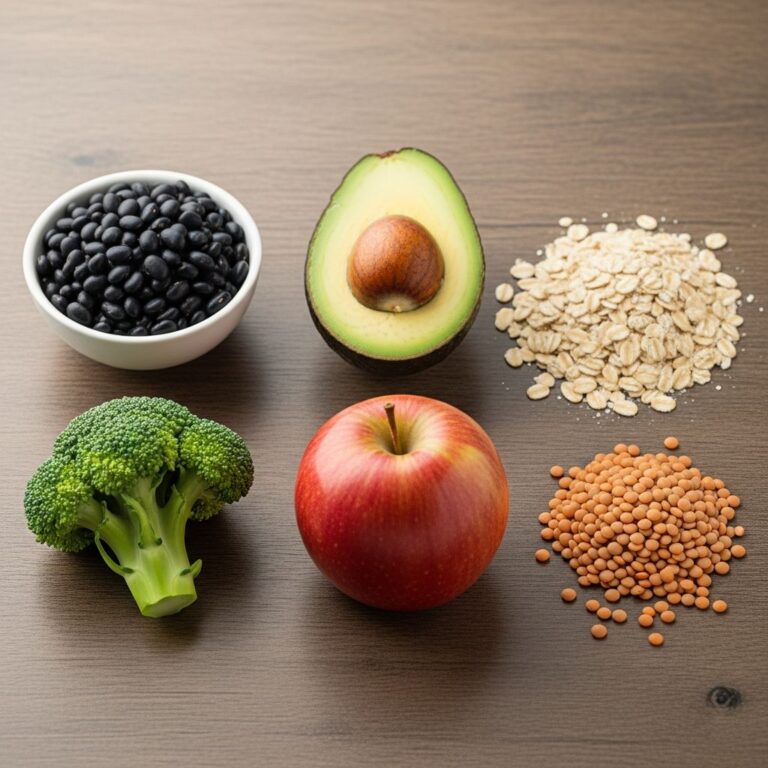
- Lifestyle changes: Increasing physical activity, such as 150 minutes of moderate exercise weekly, alongside dietary shifts to whole foods, reduced sugars, and portion control.
- Medical support: Working with GPs, dietitians, or NHS Path to Remission programmes for monitoring and medication adjustments.
Remission rates improve with earlier intervention: within 6 years of diagnosis, success is higher due to less irreversible beta-cell damage.
How does type 2 diabetes remission work?
Type 2 diabetes often stems from fat accumulation in the liver and pancreas, impairing insulin production and action. This ectopic fat disrupts normal glucose regulation. Weight loss reduces this fat, allowing the pancreas to resume insulin production and the liver to stop excess glucose output, normalizing blood sugars.
Professors Roy Taylor and Michael Lean’s research shows that clearing pancreatic fat is key. For every 1kg lost, liver fat drops rapidly, followed by pancreas fat over weeks. This ‘personal fat threshold’ theory explains why some need more loss than others based on genetics and fat distribution.
Related Stories



Diabetes UK’s research: The DiRECT study
Diabetes UK funded the landmark Diabetes Remission Clinical Trial (DiRECT), testing a low-calorie weight management programme on 306 people with type 2 diabetes (diagnosed under 6 years, BMI 27-45 kg/m²).
Key results:
- Year 1: 46% in remission (HbA1c <48 mmol/mol off meds).
- Year 2: 36% remission.
- Year 5 (2024 update): 13% of supported intervention group (11/85) in remission vs. 5% control; average 27% time in remission over 5 years.
The programme: 3-5 months total diet replacement (800 kcal/day), then stepped food reintroduction with GP support. Even non-remitters benefited from better weight control and glycemic improvements. DiRECT inspired the NHS Type 2 Diabetes Path to Remission Programme, rolling out in England for real-world data.
Follow-up ReTUNE study showed similar benefits for lower-BMI individuals, confirming fat clearance mechanism.
| Time Point | Intervention Group Remission | Control Group Remission |
|---|---|---|
| 1 Year | 46% | ~2% |
| 2 Years | 36% | ~3% |
| 5 Years | 10-13% | 5% |
Challenges: Weight regain common years 3-5, exiting remission. Support is crucial against biological and environmental pressures.
Benefits of remission
Beyond normal blood sugars, remission offers:
- Cardiovascular protection: Look AHEAD study links any remission period to lower heart/kidney risks over 12 years.
- Quality of life: More energy, better sleep, reduced medication burden.
- Cost savings: NHS estimates £1,200/year per person in remission vs. managed diabetes.
Even partial progress improves health; no ‘failure’ in trying.
Can you reverse other types of diabetes?
Prediabetes
Prediabetes (HbA1c 42-47 mmol/mol) can be reversed to normal (<42 mmol/mol) via diet, exercise, and weight loss (5-7% body weight). This prevents progression to type 2 in many cases.
Type 1 diabetes
Not reversible; autoimmune destruction of beta cells is permanent. Honeymoon phase is temporary.
Other types
GESTATIONAL: Often resolves post-pregnancy but raises type 2 risk.
MONOGENIC: Rare, some treatable but not via weight loss.
Frequently Asked Questions (FAQs)
Is type 2 diabetes remission permanent?
No, blood sugars can rise with weight regain. Ongoing monitoring needed.
How much weight loss for remission?
Typically 10-15kg, targeting liver/pancreas fat clearance. Varies individually.
Who qualifies for NHS remission programme?
Newly diagnosed (<6 years), BMI 27-45 kg/m², motivated for intensive weight loss.
What if I regain weight?
Not failure; retrying can re-achieve remission. Health benefits persist.
Can I achieve remission without meds?
Yes, defining feature: normal HbA1c off glucose-lowering drugs.
Is bariatric surgery an option?
Yes, evidence shows high remission rates (up to 70% long-term) via major weight loss.
For support, visit Diabetes UK’s remission guide or consult your GP.
References
- Can you reverse type 2 diabetes? — Diabetes UK. 2024. https://www.diabetes.org.uk/about-diabetes/type-2-reverse
- What is type 2 diabetes remission? — Diabetes UK. 2024. https://www.diabetes.org.uk/about-diabetes/type-2-diabetes/remission/what-is-type-2-diabetes-remission
- Weight loss can put type 2 diabetes into remission for at least five years — Diabetes UK. 2024-02-26. https://www.diabetes.org.uk/about-us/news-and-views/weight-loss-can-put-type-2-diabetes-remission-least-five-years-reveal-latest-findings
- Research on putting type 2 diabetes into remission — Diabetes UK. 2024. https://www.diabetes.org.uk/our-research/about-our-research/our-impact/putting-type-2-diabetes-into-remission
- Reversing other types of diabetes — Diabetes UK. 2024. https://www.diabetes.org.uk/about-diabetes/type-2-diabetes/type-2-reverse
- How to reverse prediabetes — Diabetes UK. 2024. https://www.diabetes.org.uk/about-diabetes/type-2-diabetes/prediabetes/reversing
Similar Articles








Read full bio of medha deb