Type 2 Diabetes Sick Day Management Guide
Essential strategies for managing type 2 diabetes during illness to prevent complications like high blood sugar and dehydration.
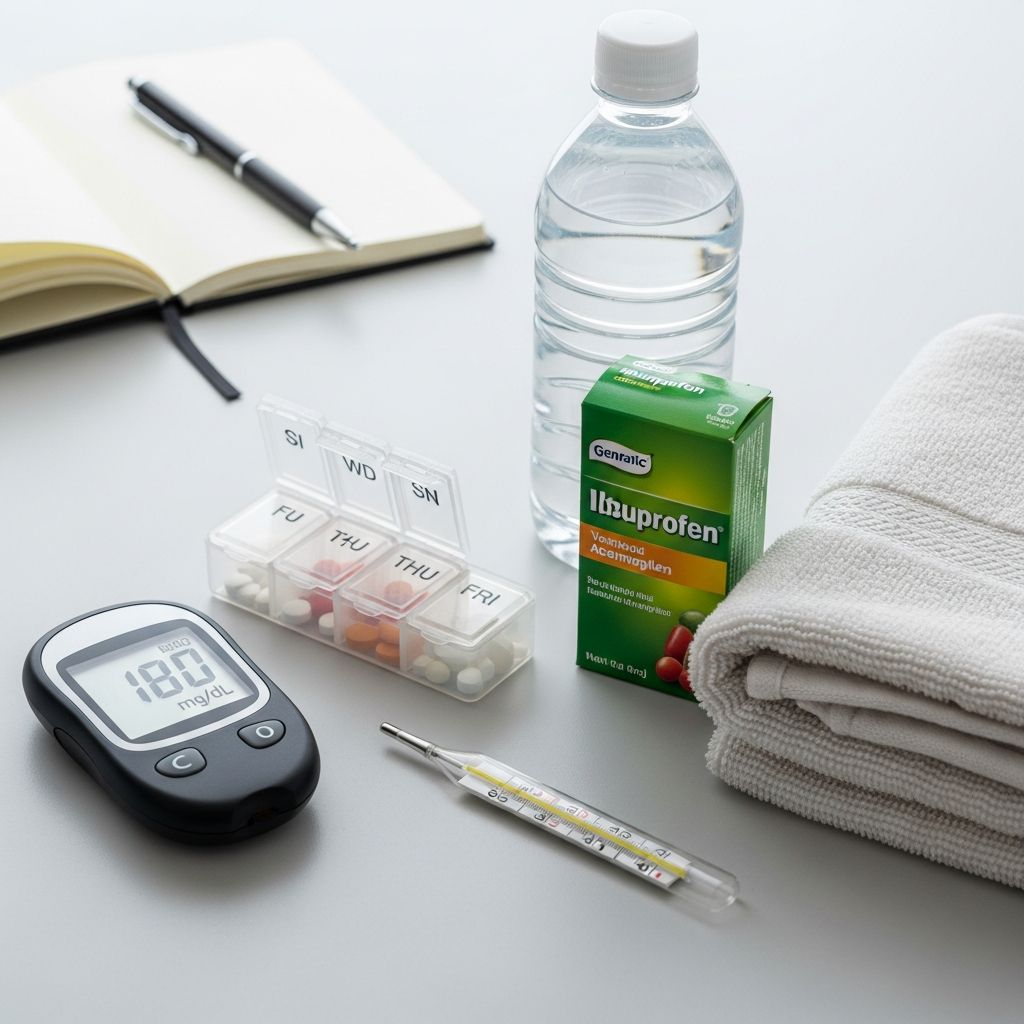
When living with type 2 diabetes, everyday illnesses like colds, flu, or stomach bugs can disrupt your normal routine and affect blood glucose control. Hormones released during illness, such as stress hormones, often cause blood sugar levels to rise, even if you’re not eating much. This guide provides practical steps to navigate these challenges, ensuring you maintain stability and prevent emergencies like diabetic ketoacidosis or severe dehydration.
Why Illness Impacts Blood Glucose in Type 2 Diabetes
Illness triggers the body to release counter-regulatory hormones like cortisol and adrenaline, which increase insulin resistance and prompt the liver to release more glucose into the bloodstream. For people with type 2 diabetes, this can lead to hyperglycemia, where blood sugar exceeds target ranges, sometimes rapidly. Dehydration from fever, vomiting, or diarrhea worsens this by concentrating blood sugar further. Even minor infections demand vigilance because uncontrolled highs can prolong recovery and lead to hospital visits.
Studies and clinical guidelines emphasize that proactive management during these periods reduces complication risks. For instance, frequent monitoring helps catch elevations early, allowing timely interventions.
Preparing Your Personalized Sick Day Strategy
Collaboration with your healthcare team is crucial before any illness strikes. Discuss your typical medications, target blood glucose ranges (often 6-10 mmol/L or 110-180 mg/dL during sickness), and specific triggers for contact. Document this plan in writing and share it with family members.
- Outline blood glucose and ketone testing frequency.
- Note medication continuation or adjustment rules.
- List safe over-the-counter remedies that won’t spike glucose, like acetaminophen for fever.
- Include emergency contacts and preferred hospital details.
Assembling a Sick Day Emergency Kit
Keep a dedicated kit stocked and accessible. This preparation minimizes stress when symptoms hit.
| Item | Purpose |
|---|---|
| Glucose meter, strips, lancets, extra batteries | Frequent monitoring |
| Ketone test strips (urine or blood) | Detect early ketoacidosis risk |
| One week’s supply of medications | Ensure continuity (refresh every 30 days) |
| Glucose gels or tabs | Treat lows quickly |
| Calorie-free fluids (diet soda, broth) | Hydration without sugar spikes |
| Safe OTC meds: acetaminophen, saline nasal spray | Symptom relief |
| Phone charger, ID with medical info | Communication and records |
Core Rules for Daily Management During Illness
Follow these foundational principles to stabilize your condition.
Monitor Blood Glucose Relentlessly
Check levels every 2-4 hours, or more often if high or low. For minor illnesses, every 6 hours may suffice, but severe cases like vomiting warrant checks every 2-3 hours. Log results to spot trends. If readings exceed 15 mmol/L (270 mg/dL), test for ketones and contact your provider.
Prioritize Hydration to Combat Dehydration
Aim for 200-250 mL (about one glass) of fluids hourly. Choose water, clear broths, or unsweetened teas. Every few hours, include sodium-rich options like bouillon to replace electrolytes lost through sweating or diarrhea. Dehydration accelerates blood sugar rises, so urine should remain pale.
- Target: 2-3 liters daily, adjusted for symptoms.
- Avoid: Sugary drinks, caffeine in excess, alcohol.
Related Stories



Adapt Eating Without Abandoning Routine
Strive for normal carbohydrate intake spread across the day. If appetite wanes, opt for small, frequent servings of easy foods.
- Soup or broth with crackers.
- Dry toast, plain rice, or bananas.
- Yogurt, pudding (regular if needed for energy), or popsicles.
Weigh yourself daily; unexplained loss signals high glucose.
Medication Management: What to Continue, Adjust, or Pause
Never stop insulin if prescribed. For oral meds, rules vary by type and illness severity.
| Medication Type | Action During Illness |
|---|---|
| Sulfonylureas (e.g., glipizide, gliclazide, glibenclamide) | Stop if not eating well; risk of hypoglycemia. Resume after 24-48 hours of normal intake. |
| Metformin, DPP-4 inhibitors (e.g., vildagliptin), acarbose | Continue unless severe vomiting/diarrhea risking dehydration; pause then, restart post-recovery. |
| SGLT2 inhibitors | Hold during acute illness due to dehydration/ketoacidosis risk; consult provider. |
| Insulin | Take as usual; may need extra correction doses. |
Always verify changes with your doctor, especially if symptoms persist.
Recognizing and Handling Highs and Lows
Managing Hyperglycemia
If blood sugar >13.9 mmol/L (250 mg/dL), increase testing to hourly if needed. Use correction insulin if on it, or call for advice. Ketones above trace? Seek urgent care. Drink extra fluids and try carbohydrate sources if not eating solids.
Addressing Hypoglycemia
Treat lows (<4 mmol/L or 70 mg/dL) with 15g fast carbs (glucose tabs, juice), recheck in 15 minutes. Illness meds like sulfonylureas heighten this risk if intake drops.
Critical Warning Signs: When to Get Professional Help
Act immediately if:
- Persistent vomiting/diarrhea >4-6 hours.
- Blood glucose >16.7 mmol/L (300 mg/dL) despite corrections.
- Moderate/large ketones.
- Abdominal pain, fruity breath, confusion.
- Fever >38.5°C (101.3°F) lasting >24 hours.
- Unable to keep fluids down for 4+ hours.
Have emergency numbers handy and consider glucagon kits for severe lows.
FAQs: Common Sick Day Questions for Type 2 Diabetes
Can I exercise while sick?
Light walking may help if mild illness, but rest if feverish or dehydrated. Monitor glucose closely.
What about over-the-counter cold remedies?
Choose sugar-free; avoid decongestants that raise blood pressure. Confirm with your pharmacist.
How long should I follow sick day rules?
Until symptoms resolve and glucose stabilizes for 24-48 hours.
Do I need ketone tests if not on insulin?
Yes, for type 2 on certain meds during prolonged highs.
Is it safe to travel while following this plan?
Carry kit, plan ahead, inform companions.
Long-Term Benefits of Sick Day Preparedness
Mastering these strategies not only averts acute issues but builds confidence in diabetes self-management. Regular reviews with your team refine the plan as needs evolve. Track patterns from past illnesses to anticipate future ones, ultimately supporting better A1C control and fewer disruptions.
References
- Diabetes – type 2 sick day plan — Healthify. 2023. https://healthify.nz/health-a-z/d/diabetes-type-2-sick-day-plan
- Managing Diabetes Safely During Sick Days — Novo Nordisk. 2025. https://www.novomedlink.com/content/dam/novonordisk/novomedlink/new/diabetes/patient/disease/library/documents/managing-diabetes-safely-during-sick-days-US25PAT00009.pdf
- Diabetes and Planning for Sick Days — American Diabetes Association. 2025. https://diabetes.org/getting-sick-with-diabetes/sick-days
- How to manage diabetes during an illness? “SICK DAY RULES” — International Diabetes Federation Europe. 2023-05-01. https://idf.org/europe/media/uploads/sites/2/2023/05/IDFE-Sick-day-management.pdf
- Sick Days and Diabetes Self-care Guidelines — Oregon Health & Science University. 2025. https://www.ohsu.edu/schnitzer-diabetes-center/sick-days-diabetes
- Sick Day Guidelines for Type 2 Diabetes — Nebraska Medicine. 2025. https://www.nebraskamed.com/sites/default/files/documents/Diabetes/9212_Sick_Day_Type%202.pdf
- Diabetes Sick Day Guidelines — UMass Chan Medical School. 2025. https://www.umassmed.edu/dcoe/diabetes-education/patient-resources/sick-days/
Similar Articles








Read full bio of medha deb