Type 2 Diabetes Symptoms: 7 Early Signs You Shouldn’t Ignore
Recognize the early warning signs of type 2 diabetes: thirst, frequent urination, fatigue, and unexplained weight loss to seek timely help.
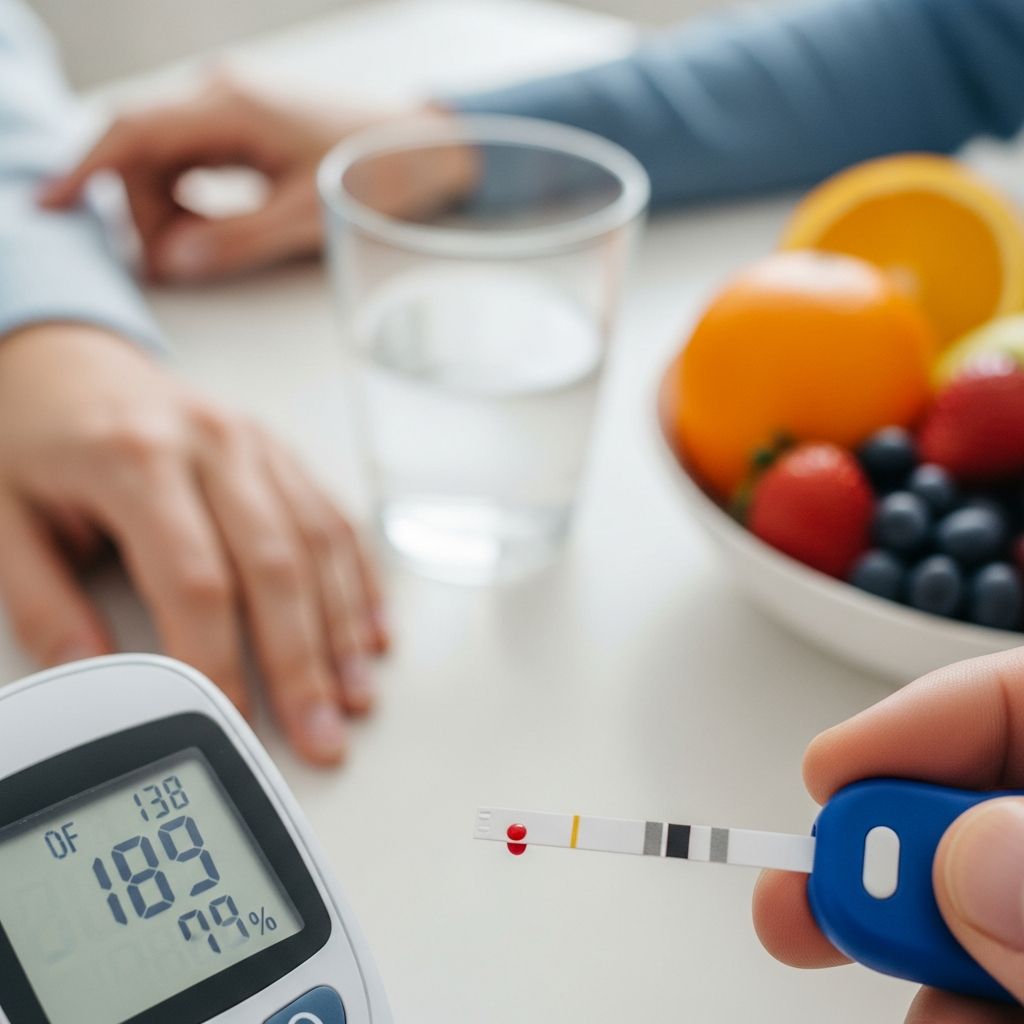
The most common symptoms of
type 2 diabetes
include increased thirst, frequent urination (especially at night), persistent fatigue, and unintended weight loss. These signs arise when high blood sugar levels disrupt normal body functions, often developing gradually and going unnoticed.What are the first warning signs and symptoms of type 2 diabetes?
Many individuals with
type 2 diabetes
experience no obvious symptoms initially, or they dismiss them as minor issues. This silent progression means diagnosis often occurs during routine check-ups rather than due to alarming signs. However, when symptoms appear, they stem from elevated blood glucose that the body cannot effectively use for energy.Recognizing these early indicators is crucial because timely intervention can prevent severe complications. The classic symptoms, often remembered by healthcare professionals, include:
- Weeing a lot, especially at night: High glucose levels force the kidneys to work overtime, producing more urine to expel excess sugar, leading to frequent trips to the toilet, particularly nocturia (nighttime urination).
- Being really thirsty: Fluid loss from frequent urination triggers intense thirst as the body signals for rehydration.
- Feeling more tired than usual: Without glucose entering cells for fuel, energy levels drop, causing chronic fatigue that impacts daily activities.
- Losing weight without trying: The body breaks down fat and muscle for energy, resulting in unexplained weight loss despite normal or increased eating.
- Genital itching or thrush: Excess sugar in urine creates an ideal environment for yeast infections like thrush, causing persistent itching.
- Cuts and wounds taking longer to heal: High blood sugar impairs immune response and circulation, slowing tissue repair.
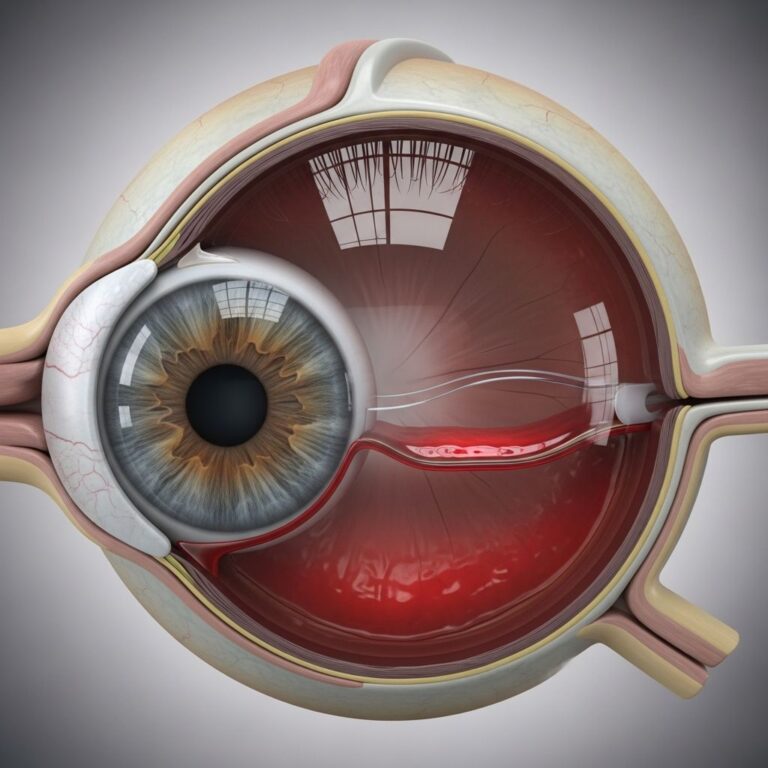
- Blurred eyesight: Glucose fluctuations cause lens swelling in the eyes, temporarily distorting vision.
These symptoms can vary in intensity and combination. For instance, some people report increased hunger due to cells starving for glucose despite high blood levels.
Type 2 diabetes symptoms in adults
In adults,
type 2 diabetes symptoms
are often subtler than in type 1, developing over years and mimicking other conditions like stress or aging. Common presentations include the core quartet: thirst, urination, tiredness, and weight loss.Adults may overlook gradual onset, but ignoring them risks serious issues. Undiagnosed cases can escalate to
Hyperosmolar Hyperglycaemic State (HHS)
, characterized by extreme dehydration, confusion, and high blood sugar (>600 mg/dL), potentially leading to coma. Rarer in type 2 but possible isdiabetic ketoacidosis (DKA)
, where the body produces harmful acids.| Symptom | Description | Why It Happens |
|---|---|---|
| Increased thirst and urination | Drinking more, peeing frequently | Kidneys flush excess glucose |
| Fatigue | Persistent tiredness | Cells lack energy from glucose |
| Weight loss | Unintentional thinning | Body uses fat/muscle for fuel |
| Blurred vision | Temporary sight issues | Eye lens swelling |
| Slow healing | Prolonged wound recovery | Impaired immunity |
Symptoms differ individually; older adults (65+) may experience additional signs like flu-like lethargy, urinary tract infections, numbness/tingling from nerve damage, or dental issues.
What does undiagnosed type 2 diabetes feel like?
Personal stories highlight how undiagnosed
type 2 diabetes
mimics other ailments. Jordan, for example, mistook his symptoms—fatigue, muscle cramps, frequent urination, and appetite loss—for long Covid. He endured them, hoping for improvement, until proper diagnosis.Such experiences underscore the deceptive nature of type 2 diabetes. Fatigue feels like unrelenting exhaustion; thirst is insatiable; urination disrupts sleep. Without awareness, people delay seeking help, allowing damage to organs like the heart, kidneys, eyes, and nerves.
Why do these symptoms happen?
**Type 2 diabetes** occurs when cells resist insulin (insulin resistance), and the pancreas cannot produce enough to compensate, causing hyperglycemia. Glucose accumulates in blood instead of fueling cells.
The body responds by flushing glucose via urine, dehydrating you and intensifying thirst. High urine sugar fosters infections. Starved cells trigger hunger and fatigue, while poor circulation delays healing.
About 60% of type 2 diagnoses occur without prior symptoms, emphasizing routine screening’s importance, especially for at-risk groups: overweight, family history, age 40+, or certain ethnicities.
Related Stories



Symptoms in different groups
Older adults
Elderly individuals (29.2% prevalence in US over 65) may show classic signs plus neuropathy (numbness), infections, and weakness.
Young adults and children
Though rarer, type 2 affects youth. Symptoms mirror adults: frequent toilet visits, thirst, tiredness, weight loss. In kids, watch for bedwetting or heavier diapers.
Hyperglycaemia and hypoglycaemia awareness
Untreated high blood sugar (hyperglycaemia) worsens symptoms. Low blood sugar (hypoglycaemia), from treatments, includes dizziness, sweating, confusion—treat promptly with glucose.
Frequently Asked Questions (FAQs)
Are type 2 diabetes symptoms always obvious?
No, many have no symptoms; 6 in 10 are diagnosed asymptomatically.
Can type 2 diabetes symptoms appear suddenly?
Rarely; they develop slowly over years, unlike type 1’s rapid onset.
How is type 2 diabetes diagnosed?
Via blood tests showing fasting glucose ≥126 mg/dL or other markers, often routinely.
Do children get type 2 diabetes symptoms?
Yes, including the 4 Ts: Toilet, Thirsty, Tired, Thinner.
What if I ignore the symptoms?
Risks HHS, DKA, organ damage; early management prevents this.
Next steps: Get tested
If you notice these signs, consult a GP immediately. Early diagnosis via HbA1c or fasting tests allows lifestyle changes, medication, or remission pursuits to avert complications like cardiovascular disease.
Lifestyle tweaks—balanced diet, exercise, weight management—can control symptoms and improve outcomes.
References
- Type 2 diabetes symptoms — Diabetes UK. 2023. https://www.diabetes.org.uk/about-diabetes/type-2-diabetes/symptoms
- Type 2 diabetes: Symptoms, early signs, and complications — Medical News Today. 2023-11-20. https://www.medicalnewstoday.com/articles/317462
- Diabetes signs & symptoms — Diabetes UK. 2023. https://www.diabetes.org.uk/about-diabetes/symptoms
- Differences between type 1 and type 2 diabetes — Diabetes UK. 2023. https://www.diabetes.org.uk/diabetes-the-basics/differences-between-type-1-and-type-2-diabetes
- Symptoms of type 1 and type 2 diabetes in children — Diabetes UK. 2023. https://www.diabetes.org.uk/living-with-diabetes/life-with-diabetes/children-and-diabetes/symptoms
Similar Articles








Read full bio of medha deb