Type 2 Diabetes Symptoms: 11 Warning Signs You Can’t Ignore
Recognize the early warning signs of type 2 diabetes, from increased thirst to slow-healing wounds, and learn when to seek medical help.

Type 2 diabetes is a chronic condition where the body struggles to use insulin effectively, leading to elevated blood sugar levels. Often called adult-onset diabetes, it affects millions worldwide and can develop gradually without obvious signs. Early recognition of
type 2 diabetes symptoms
is crucial, as uncontrolled high blood sugar can damage organs like the heart, kidneys, eyes, and nerves over time.According to the Mayo Clinic, symptoms may include increased thirst, frequent urination, unexplained weight loss, and fatigue, among others. Cleveland Clinic notes that about 90-95% of diabetes cases in the U.S. are type 2, impacting roughly 1 in 10 adults. This article covers the 11 most common symptoms, causes, risk factors, complications, and prevention strategies to help you stay informed.
What Is Type 2 Diabetes?
Type 2 diabetes occurs when cells in the muscles, fat, and liver do not respond well to insulin—a hormone produced by the pancreas that regulates blood sugar (glucose). This insulin resistance causes sugar to accumulate in the bloodstream instead of entering cells for energy. Over time, the pancreas may produce less insulin, exacerbating the problem.
Unlike type 1 diabetes, which is autoimmune, type 2 is largely linked to lifestyle factors like obesity and inactivity. It was once rare in children but is now rising in younger populations due to rising obesity rates. Healthy blood sugar levels range from 70-99 mg/dL fasting; levels of 126 mg/dL or higher indicate diabetes. Prediabetes, with levels 100-125 mg/dL, often precedes it and is reversible with lifestyle changes.
11 Common Type 2 Diabetes Symptoms
Symptoms of type 2 diabetes develop slowly, and many people remain undiagnosed for years. Here’s a breakdown of the 11 key signs:
- Increased thirst (polydipsia): High blood sugar pulls fluid from tissues, causing dehydration and persistent thirst, even after drinking.
- Frequent urination (polyuria): Kidneys work overtime to filter excess sugar, leading to more trips to the bathroom, especially at night.
- Increased hunger (polyphagia): Cells starved of glucose signal the brain for more food, despite normal eating.
- Unexplained weight loss: The body burns fat and muscle for energy when glucose can’t enter cells.
- Fatigue and weakness: Without proper glucose fuel, muscles tire easily, causing constant exhaustion.
- Blurred vision: High sugar levels cause the eye’s lens to swell, distorting focus temporarily.
- Slow-healing sores or frequent infections: Elevated glucose impairs white blood cells, slowing wound healing and increasing risks for yeast, urinary tract, or skin infections.
- Numbness or tingling in hands/feet (neuropathy): Nerve damage from prolonged high sugar causes pins-and-needles sensations, starting in extremities.
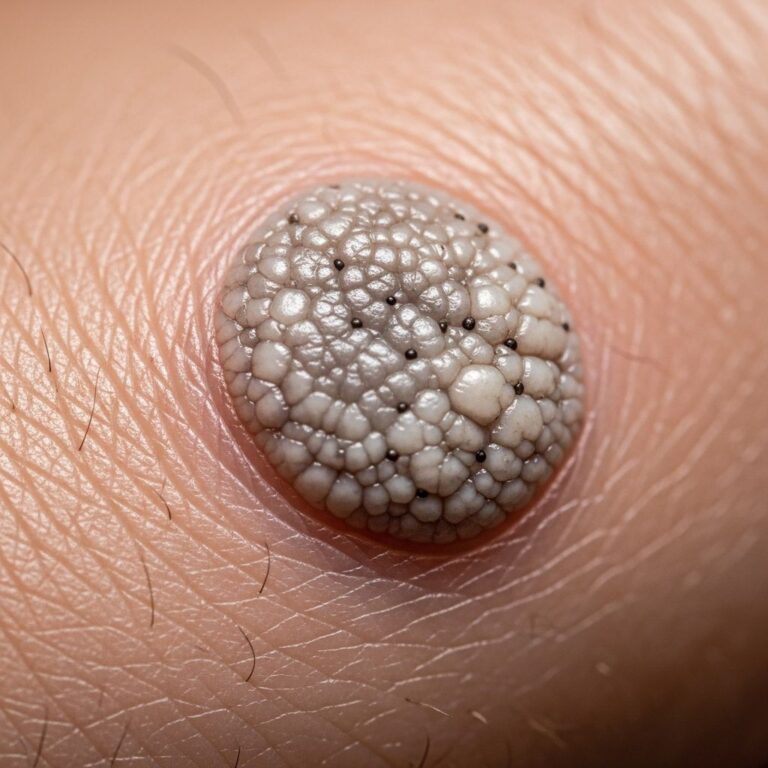
- Darkened skin patches (acanthosis nigricans): Velvety, dark areas in armpits, neck, or groin signal insulin resistance.
- Itchy or dry skin: Dehydration and poor circulation lead to persistent itching.
- Recurrent yeast infections (in women): Excess sugar in urine feeds yeast growth, causing frequent vaginal infections.
If you notice three or more of these
type 2 diabetes symptoms
, consult a doctor promptly. Blood tests like A1C, fasting glucose, or oral glucose tolerance can confirm diagnosis.Causes of Type 2 Diabetes
The primary cause is
insulin resistance
, where cells ignore insulin’s signal to absorb glucose. Contributing factors include:- Excess body fat, especially abdominal fat, interfering with insulin signaling.
- Inactivity reducing muscle cells’ glucose uptake.
- Pancreatic beta-cell dysfunction, failing to produce enough insulin over time.
Genetics play a role; if a parent or sibling has it, your risk doubles.
Risk Factors for Type 2 Diabetes
Not everyone with risk factors develops diabetes, but they increase likelihood significantly. Key risks include:
Related Stories



| Risk Factor | Description |
|---|---|
| Overweight/Obesity | BMI over 25; visceral fat is particularly harmful. |
| Age 35+ | Risk rises with age due to declining cell function. |
| Family History | Genetic predisposition strong. |
| Sedentary Lifestyle | Less than 3x weekly activity. |
| High Blood Pressure | 130/80 mmHg or higher. |
| Abnormal Cholesterol | Low HDL, high triglycerides. |
| History of Gestational Diabetes | Pregnancy-related diabetes raises future risk. |
| Polycystic Ovary Syndrome (PCOS) | Hormonal imbalance linked to insulin resistance. |
Other factors: certain ethnicities (African American, Hispanic, Native American, Asian American) have higher risks.
Complications of Untreated Type 2 Diabetes
Chronic high blood sugar damages blood vessels and nerves, leading to:
- Cardiovascular disease: Doubles heart attack/stroke risk via atherosclerosis.
- Neuropathy: Pain, numbness, digestive issues, erectile dysfunction.
- Kidney disease (nephropathy): May progress to dialysis or transplant.
- Retinopathy/eye damage: Leading cause of blindness in adults.
- Foot problems/amputations: Poor healing leads to ulcers and infections.
- Skin conditions and hearing loss: Frequent bacterial/fungal infections; higher impairment rates.
- Dementia and sleep apnea: Cognitive decline and breathing issues.
Acute risks include hyperosmolar hyperglycemic state (HHS), causing severe dehydration.
When to See a Doctor
See a healthcare provider if you experience persistent symptoms or have risk factors. Routine screenings are recommended every 3 years starting at age 35, or earlier if high-risk. Early intervention via lifestyle, meds like metformin, or insulin can prevent complications.
Prevention and Management
Reduce risk by 58% through:
- Maintaining healthy weight (5-7% loss helps).
- 150 minutes weekly moderate exercise.
- Balanced diet rich in fiber, low in processed sugars.
- Quitting smoking and limiting alcohol.
Management involves monitoring glucose with meters or CGMs, medications, and regular check-ups.
Frequently Asked Questions (FAQs)
What are the first signs of type 2 diabetes?
The earliest signs are often increased thirst, frequent urination, and fatigue due to high blood sugar pulling fluid from tissues.
Can type 2 diabetes be reversed?
Prediabetes can often be reversed with weight loss and exercise; type 2 can achieve remission but requires lifelong management.
How is type 2 diabetes diagnosed?
Via A1C test (6.5%+), fasting plasma glucose (126 mg/dL+), or oral glucose tolerance test.
Is type 2 diabetes curable?
No cure, but effective management keeps blood sugar in check, preventing complications.
Who is at risk for type 2 diabetes?
Those overweight, over 45, with family history, sedentary, or certain ethnic backgrounds.
References
- Type 2 diabetes – Symptoms and causes — Mayo Clinic. 2023-10-05. https://www.mayoclinic.org/diseases-conditions/type-2-diabetes/symptoms-causes/syc-20351193
- Type 2 Diabetes: What It Is, Causes, Symptoms & Treatment — Cleveland Clinic. 2025-11-21. https://my.clevelandclinic.org/health/diseases/21501-type-2-diabetes
Similar Articles








Read full bio of Sneha Tete