Type 2 Diabetes Treatment: Updated 2025 Comprehensive Guide
Comprehensive guide to managing type 2 diabetes with lifestyle changes, medications, and innovative therapies for better health outcomes.
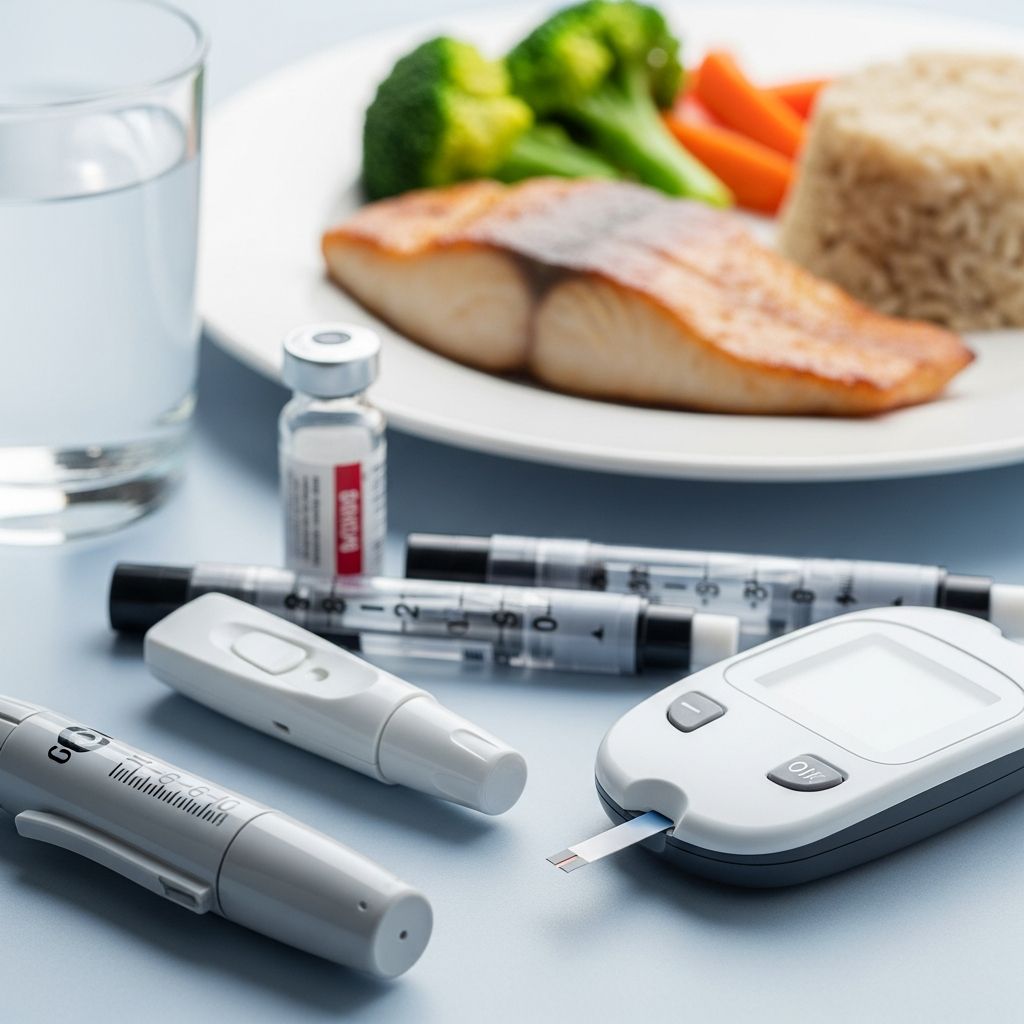
Type 2 diabetes (T2D) is a chronic condition affecting millions worldwide, characterized by insulin resistance and relative insulin deficiency, leading to elevated blood glucose levels. Effective treatment combines lifestyle modifications, pharmacotherapy, and advanced technologies to achieve glycemic control, prevent complications, and improve quality of life.
What Is Type 2 Diabetes?
Type 2 diabetes occurs when the body becomes resistant to insulin or does not produce enough insulin to maintain normal glucose levels. It accounts for about 90-95% of all diabetes cases and is often linked to obesity, sedentary lifestyle, and genetic factors. Unlike type 1 diabetes, which is autoimmune, T2D develops gradually and can often be managed without insulin initially.
Symptoms include increased thirst, frequent urination, fatigue, blurred vision, and slow-healing wounds. Early diagnosis through HbA1c testing or fasting glucose levels is crucial, as uncontrolled T2D raises risks for cardiovascular disease, kidney failure, neuropathy, and retinopathy.
Lifestyle Changes for Type 2 Diabetes Management
Lifestyle interventions form the foundation of T2D treatment, promoting weight loss, improved insulin sensitivity, and better glycemic control. Evidence from the Diabetes Prevention Program shows structured lifestyle changes reduce T2D risk by 58% in high-risk individuals.
Dietary Interventions
Nutrition therapy emphasizes balanced, nutrient-dense eating patterns. Key strategies include:
- Reducing refined carbohydrates and sugars to stabilize blood glucose.
- Incorporating high-fiber foods like vegetables, whole grains, and legumes.
- Following Mediterranean or low-glycemic index diets for sustained weight loss and HbA1c reduction.
The DiRECT trial demonstrated that a low-calorie diet (800-850 kcal/day) led to T2D remission in 46% of participants at one year, highlighting structured programs’ potential. Medical nutrition therapy (MNT) by registered dietitians can lower HbA1c by 0.5-2%.
Physical Activity
Regular exercise improves insulin sensitivity and aids weight management. Guidelines recommend at least 150 minutes of moderate aerobic activity weekly, plus resistance training twice a week. Programs like Reverse Diabetes2 Now combine exercise with diet, achieving significant HbA1c reductions and medication de-escalation.
Weight Management
Obesity exacerbates T2D; 5-10% weight loss can normalize glucose in early stages. Intensive programs with behavioral support yield better outcomes than standard care.
Medications for Type 2 Diabetes
Pharmacotherapy targets multiple pathways for glycemic control and comorbidity management. First-line therapy is metformin, with add-ons based on patient needs.
Metformin
Metformin, a biguanide, reduces hepatic glucose production and improves insulin sensitivity. It lowers HbA1c by 1-2% with low hypoglycemia risk and cardiovascular benefits. Start at 500 mg daily, titrating to 2000 mg.
GLP-1 Receptor Agonists (GLP-1RAs)
GLP-1RAs mimic incretin hormones, enhancing insulin secretion, slowing gastric emptying, and promoting satiety. Agents like semaglutide (Ozempic, Wegovy) and tirzepatide (Mounjaro, dual GIP/GLP-1) achieve 1.5-2.4% HbA1c reductions and 10-15% weight loss. They reduce atherosclerotic cardiovascular events by 12-26%, heart failure by 18-25%, and kidney disease progression.
SGLT2 Inhibitors
SGLT2is like empagliflozin (Jardiance) and dapagliflozin (Farxiga) promote glucose excretion via urine, lowering HbA1c by 0.5-1% and offering cardiorenal protection. Benefits include 24-39% kidney risk reduction.
Other Oral Agents
| Medication Class | Examples | HbA1c Reduction | Key Benefits | Risks |
|---|---|---|---|---|
| DPP-4 Inhibitors | Sitagliptin (Januvia) | 0.5-0.8% | Low hypoglycemia | Pancreatitis (rare) |
| Sulfonylureas | Glipizide | 1-1.5% | Inexpensive | Hypoglycemia, weight gain |
| Thiazolidinediones | Pioglitazone | 0.5-1.4% | Insulin sensitizers | Fluid retention, HF risk |
Related Stories



Insulin Therapy in Type 2 Diabetes
About one-third of T2D patients eventually require insulin. Basal insulin (e.g., glargine) is added when oral agents fail, titrated to fasting glucose targets. Multiple daily injections or pumps provide flexible control. New ultra-long-acting analogues reduce hypoglycemia.
Advanced and Emerging Treatments
Innovations enhance precision management:
- Continuous Glucose Monitoring (CGM): Real-time glucose tracking improves control and reduces hypoglycemia.
- Insulin Pumps and Artificial Pancreas: Closed-loop systems automate insulin delivery.
- Duodenal Mucosal Resurfacing (DMR): Endoscopic procedure improves insulin sensitivity.
- Regenerative Therapies: Stem cell and gene therapies aim for beta-cell regeneration.
Diabetes Self-Management Education and Support (DSMES)
DSMES empowers patients with skills for healthy eating, medication adherence, and problem-solving. It reduces HbA1c, hospitalizations, and mortality while being cost-effective.
Treatment Goals and Monitoring
Aim for HbA1c <7% for most, individualized per age/comorbidities. Monitor A1c every 3-6 months, self-monitoring as needed. Comanage cardiovascular risks with statins, BP control.
Complications Prevention
T2D increases risks for heart disease, CKD, neuropathy. GLP-1RAs/SGLT2is provide organ protection beyond glucose control.
Frequently Asked Questions (FAQs)
What is the first-line treatment for type 2 diabetes?
Metformin is first-line, with GLP-1RAs or SGLT2is added early for high CV/kidney risk.
Can type 2 diabetes be reversed?
Remission is possible via substantial weight loss in early T2D, as in DiRECT trial.
Which medications help with weight loss in T2D?
GLP-1RAs like semaglutide and tirzepatide promote significant weight reduction.
When is insulin needed for type 2 diabetes?
When oral therapies fail to meet goals or during acute hyperglycemia.
How does CGM benefit T2D management?
Provides real-time data for personalized adjustments, reducing variability.
References
- Treatment of Type 2 Diabetes: A Comprehensive Review of Recent Improvements — EMJ Reviews. 2025. https://www.emjreviews.com/diabetes/article/editors-pick-treatment-of-type-2-diabetes-a-comprehensive-review-of-recent-improvements-therapeutic-strategies-challenges-and-future-perspectives-j040125/
- Management of Hyperglycemia in Type 2 Diabetes: 2022 Consensus Report — Diabetes Care (ADA). 2022-11-01. https://diabetesjournals.org/care/article/45/11/2753/147671/Management-of-Hyperglycemia-in-Type-2-Diabetes
- Diagnosis and Treatment of Type 2 Diabetes in Adults: A Review — PubMed (JAMA). 2024. https://pubmed.ncbi.nlm.nih.gov/40549398/
- Type 2 Diabetes: What It Is, Causes, Symptoms & Treatment — Cleveland Clinic. 2024. https://my.clevelandclinic.org/health/diseases/21501-type-2-diabetes
- Diabetes Fact Sheet — World Health Organization. 2024-11-14. https://www.who.int/news-room/fact-sheets/detail/diabetes
- Type 2 Diabetes – Symptoms and Causes — Mayo Clinic. 2024. https://www.mayoclinic.org/diseases-conditions/type-2-diabetes/symptoms-causes/syc-20351193
Similar Articles








Read full bio of Sneha Tete