Type 2 Diabetes Treatment: Meds, Diet, And Weight Loss
Comprehensive guide to managing type 2 diabetes through lifestyle changes, medications, and advanced therapies for optimal blood glucose control.
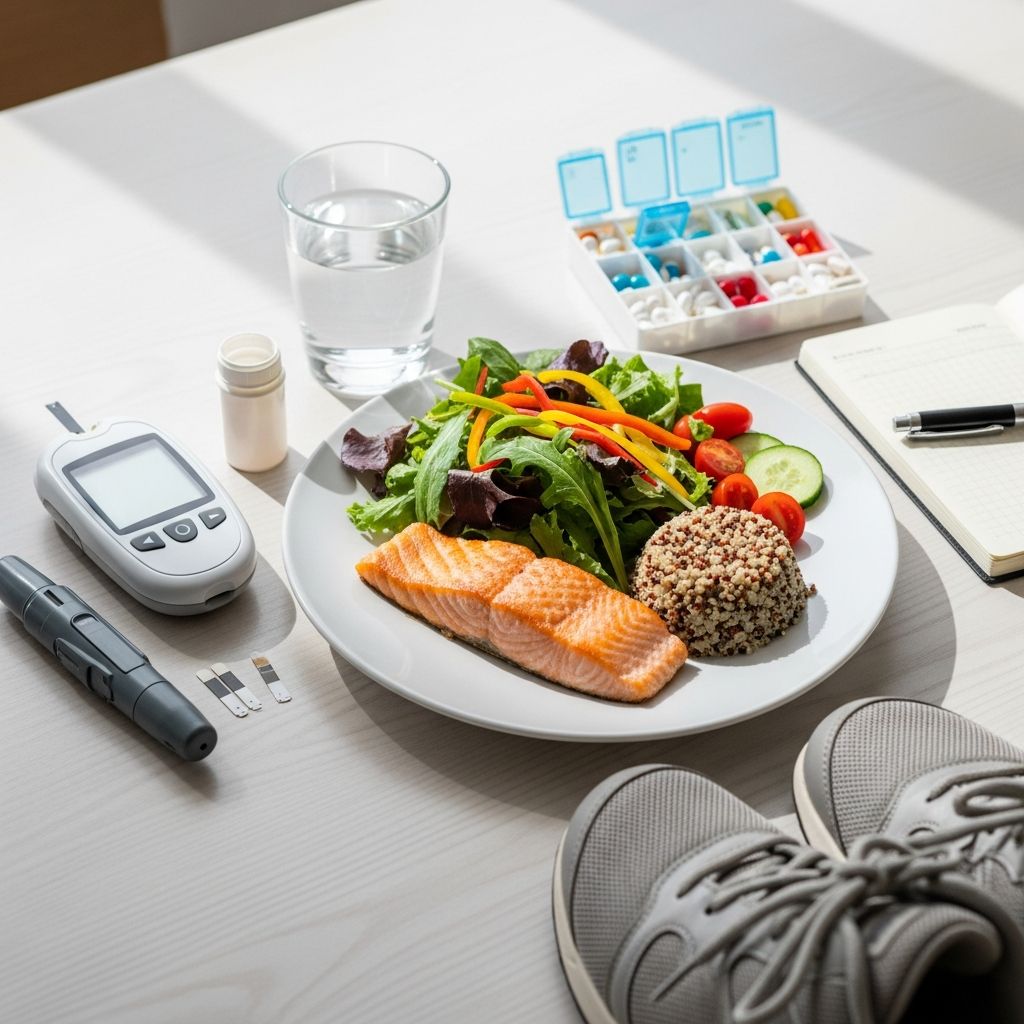
Type 2 diabetes treatment begins with lifestyle changes such as a healthy diet, weight loss if overweight, and regular physical activity to control blood glucose levels. If these measures are insufficient, medications like metformin are introduced, often combined with others such as SGLT2 inhibitors or GLP-1 mimetics based on individual risks like cardiovascular disease.
What is the treatment for type 2 diabetes?
Type 2 diabetes primarily affects people over 40 but can occur at any age. The cornerstone of treatment is achieving good blood glucose control to prevent complications like heart disease, stroke, and kidney damage. Initial management focuses on lifestyle interventions, with pharmacological options added progressively if needed.
The goals include maintaining HbA1c below 48 mmol/mol (6.5%) for most, adjusting targets for those at risk of hypoglycemia. Treatment is individualized, considering comorbidities, weight, and cardiovascular risk.
Lifestyle measures – the first step in treatment
Lifestyle modifications are the foundation of type 2 diabetes management and can normalize blood glucose in many cases, potentially delaying or avoiding medication.
- Diet: Adopt a balanced diet rich in fruits, vegetables, whole grains, and lean proteins. Reduce refined sugars and saturated fats. Portion control and carbohydrate counting help stabilize glucose levels.
- Weight loss: Losing 5-10% of body weight improves insulin sensitivity significantly. Structured programs like low-calorie diets (800-1200 kcal/day) under supervision can lead to remission in some.
- Physical activity: Aim for 150 minutes of moderate aerobic exercise weekly (e.g., brisk walking) plus resistance training twice weekly. Exercise enhances glucose uptake by muscles independently of insulin.
- Other habits: Quit smoking, limit alcohol, and manage stress through mindfulness or yoga to support overall metabolic health.
Regular monitoring with self-blood glucose tests or continuous glucose monitors tracks progress. Multidisciplinary support from dietitians and educators optimizes adherence.
Medication to reduce the blood glucose level
Medicines complement lifestyle changes and are not substitutes. Most are oral tablets, but insulin injections may be required. Selection follows NICE guidelines, prioritizing cardiovascular and renal protection alongside glucose control.
Key principles:
- Start with metformin unless contraindicated.
- For cardiovascular disease (CVD) or high risk: Add SGLT2 inhibitor early.
- For weight management: Prefer SGLT2 inhibitors or GLP-1 mimetics.
- Monitor for side effects and titrate doses gradually.
Metformin
Metformin, a biguanide, is the first-line therapy. It reduces hepatic glucose production and improves insulin sensitivity, lowering HbA1c by 1-2%. Cardiovascular benefits include reduced risk of heart attack and stroke.
Dosage starts at 500mg daily, increasing to 2g/day. Common side effects are gastrointestinal (nausea, diarrhea), minimized by slow titration or extended-release forms. Contraindicated in severe renal impairment (eGFR <30 ml/min).
SGLT-2 inhibitors
SGLT-2 inhibitors (e.g., dapagliflozin, empagliflozin) promote glucose excretion in urine, reducing HbA1c by 0.5-1%, promoting weight loss (2-4kg), and offering cardiorenal protection. Recommended first-line with metformin for CVD/heart failure/CKD.
Benefits: Lower heart failure hospitalization by 30-35%, slow kidney disease progression. Side effects: Genital infections, dehydration; monitor volume status.
GLP-1 mimetics (incretin mimetics)
GLP-1 receptor agonists (e.g., semaglutide, liraglutide, tirzepatide) mimic gut hormones, stimulating insulin secretion, suppressing glucagon, slowing gastric emptying, and reducing appetite. HbA1c reduction: 1-1.5%; weight loss: 5-15%.
Related Stories



NICE restricts to BMI >35 or >27.5 in high-risk ethnicities unless not suitable. Cardiovascular benefits in those with prior events. Administered weekly subcutaneously. Side effects: Nausea, rare pancreatitis.
DPP-4 inhibitors
DPP-4 inhibitors (e.g., sitagliptin) prolong incretin action, modestly lowering HbA1c (0.5-0.8%). Weight-neutral, low hypoglycemia risk. Used if SGLT2/GLP-1 unsuitable.
Sulphonylureas
Sulphonylureas (e.g., gliclazide) stimulate insulin release, effective (HbA1c drop 1-1.5%) but risk hypoglycemia and weight gain. Second/third-line options.
Pioglitazone
Thiazolidinedione improves insulin sensitivity. HbA1c reduction 0.8-1%. Risk of heart failure, fractures; use cautiously.
Triple therapy and beyond
If dual therapy fails (HbA1c >53 mmol/mol), add third agent per NICE: DPP-4i, pioglitazone, SU, or SGLT2i. Regular review every 3-6 months.
Insulin
Insulin is used if oral agents fail or in symptomatic hyperglycemia. Once- or twice-daily basal (NPH) or biphasic regimens common. Continue metformin if tolerated. Structured programs include dose titration, injection technique, hypoglycemia education.
Benefits: Rapid control. Challenges: Weight gain, hypoglycemia. Human insulin preferred initially; analogs if needed.
Treatment of other problems associated with type 2 diabetes
Holistic management addresses CVD risk factors.
| Condition | Target | Treatments |
|---|---|---|
| Hypertension | <130/80 mmHg | ACEi/ARB first-line (renal protection) |
| High cholesterol | LDL <2 mmol/L (CVD) | Statins (atorvastatin 20-40mg) |
| Aspirin | For secondary prevention | 75mg daily |
Checking your blood glucose level
Self-monitoring advised initially or if on insulin/SU. HbA1c checked 6-monthly. Flash/continuous glucose monitoring for complex cases.
What is the outlook?
With good control, normal lifespan possible. Remission achievable via substantial weight loss. Complications reduced by 30-50% with multifactorial intervention.
Frequently Asked Questions (FAQs)
Q: When is metformin not suitable?
A: In renal impairment (eGFR <30), heart failure, or alcohol excess. Alternatives: SGLT2i or SU.
Q: Do GLP-1 mimetics cause weight loss?
A: Yes, typically 5-15kg via appetite suppression and delayed gastric emptying.
Q: How soon is insulin started?
A: In symptomatic hyperglycemia (e.g., glucose >11 mmol/L) or ketosis.
Q: Can type 2 diabetes be reversed?
A: Remission possible with >15kg weight loss, but ongoing monitoring required.
Q: What if treatments fail?
A: Escalate to triple therapy, insulin, or bariatric surgery for eligible patients.
References
- Type 2 diabetes treatment – Patient.info — Patient.info. 2023-10-15. https://patient.info/diabetes/type-2-diabetes/type-2-diabetes-treatment
- Type 2 Diabetes Treatment and Management | Doctor – Patient.info — Patient.info. 2024-05-20. https://patient.info/doctor/endocrine-disorders/management-of-type-2-diabetes
- Type 2 Diabetes Therapies: A STEPS Approach – AAFP — American Academy of Family Physicians. 2019-02-15. https://www.aafp.org/pubs/afp/issues/2019/0215/p237.html
- Treatment for type 2 diabetes – NHS — National Health Service. 2024-01-10. https://www.nhs.uk/conditions/type-2-diabetes/treatment/
- Understanding Type 2 Diabetes | ADA — American Diabetes Association. 2024-06-01. https://diabetes.org/about-diabetes/type-2
Similar Articles








Read full bio of medha deb