Type 2 Diabetes Treatments: 7 Ways To Control Blood Sugar
Comprehensive guide to managing type 2 diabetes through lifestyle, medications, insulin, surgery, and remission strategies.
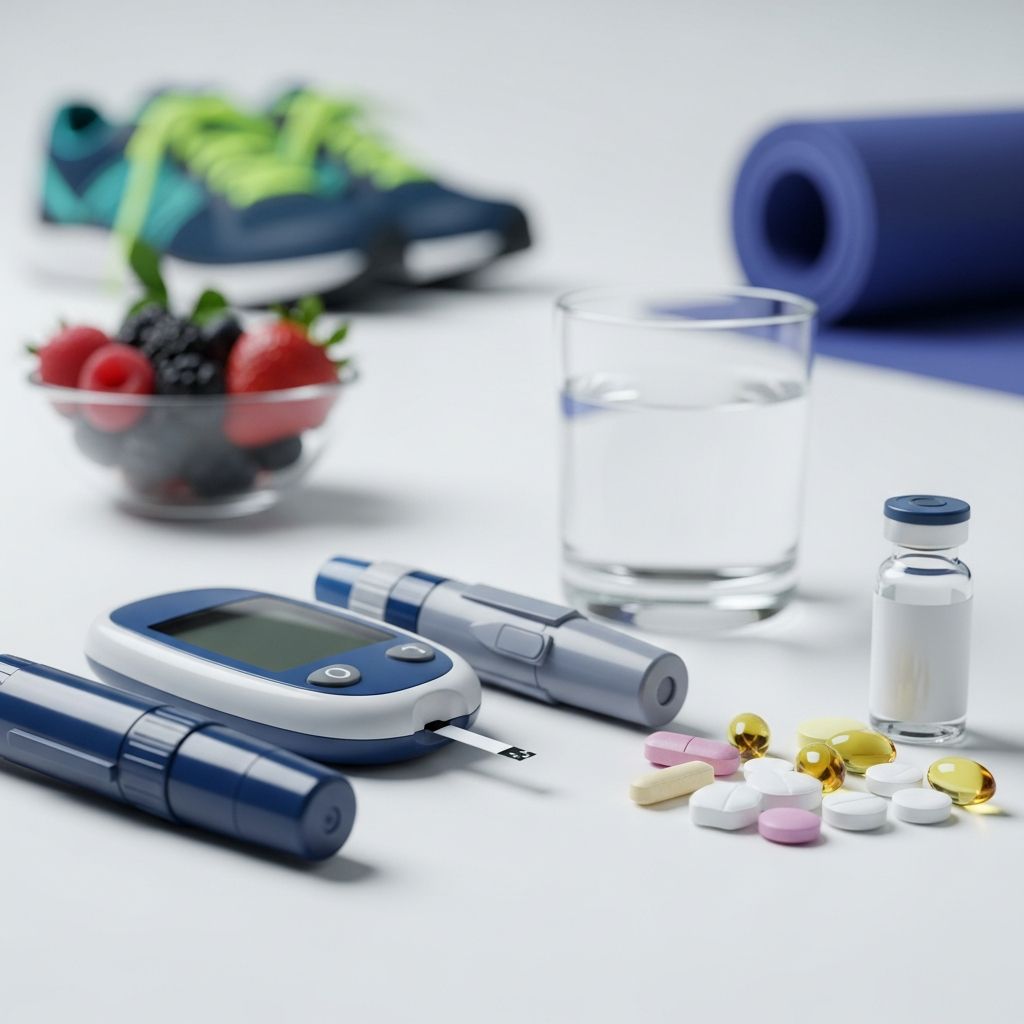
Managing
type 2 diabetes
effectively involves a combination of lifestyle changes, medications, and sometimes surgical interventions to keep blood sugar levels in a healthy range and reduce complication risks.What is the main treatment for type 2 diabetes?
The cornerstone treatments for controlling blood sugar in
type 2 diabetes
focus on lifestyle modifications alongside pharmacological options. Key approaches include:- Eating well and moving more: A balanced diet rich in vegetables, whole grains, lean proteins, and healthy fats, combined with regular physical activity, helps improve insulin sensitivity and glucose control.
- Weight loss: Achieving and maintaining a healthy weight is crucial, especially for those with overweight or obesity, as even modest weight reduction can significantly lower blood sugar levels.
- Metformin: Typically the first-line medication, taken as a tablet, it reduces liver glucose production and enhances insulin effectiveness.
- Insulin and other blood sugar-lowering medications: These may be added if lifestyle and metformin are insufficient.
- Other diabetes medicines: Injected or tablet forms target various aspects of glucose metabolism.
- Weight loss surgery: Considered for eligible individuals with obesity.
- Emotional health support: Addressing mental well-being is integral to long-term adherence.
These treatments are often combined, tailored to individual needs, health status, and response to therapy. Regular monitoring by healthcare professionals ensures optimal management.
When do I need medication for type 2 diabetes?
Not everyone with
type 2 diabetes
requires medication immediately. Many can control their condition through:- Healthy eating and increased physical activity.
- Weight loss, which in some cases leads to remission—defined as maintaining blood sugars below diabetes thresholds for at least three months without glucose-lowering drugs.
Medication becomes necessary when blood sugar levels remain elevated despite lifestyle efforts. Healthcare providers may prescribe drugs that not only target glucose but also protect heart health, such as those reducing cardiovascular risks. Combinations are common, and treatment plans evolve based on ongoing assessments.
What is the fastest way to treat type 2 diabetes?
For acutely high blood sugar, such as in diabetic ketoacidosis (DKA) or hyperosmolar hyperglycemic state (HHS),
insulin
via intravenous drip in a hospital setting provides the quickest control, alongside fluids and electrolytes.For non-emergency rapid management, particularly in those with overweight or obesity, very low-calorie diets (under medical supervision) can swiftly improve blood sugars and sometimes induce remission. NHS programs support such structured weight loss initiatives.
Eating well and being more active
Lifestyle forms the foundation of
type 2 diabetes
treatment. Recommendations include:- Aiming for at least 2.5 hours of moderate activity weekly, like brisk walking, to enhance insulin sensitivity.
- Diet emphasizing portion control, low glycemic index foods, and reduced sugars to stabilize blood glucose.
- Weight management through sustainable calorie reduction and behavioral support.
These changes lower HbA1c levels, improve cardiovascular health, and may delay or prevent medication needs.
Medicines for type 2 diabetes
Beyond metformin, several classes of medications address different facets of glucose dysregulation. Here’s an overview:
| Medication Class | Examples | How it Works | Common Use |
|---|---|---|---|
| Biguanides | Metformin | Reduces liver glucose output; improves insulin action | First-line; tablet form |
| SGLT2 inhibitors (gliflozins) | Canagliflozin, Dapagliflozin | Promotes glucose excretion in urine; heart/kidney benefits | Especially with heart failure |
| GLP-1 agonists (incretin mimetics) | Semaglutide, Liraglutide, Tirzepatide | Boosts insulin, slows digestion, reduces appetite | Weight loss aid; injectable |
| DPP-4 inhibitors (gliptins) | Sitagliptin | Increases incretin levels for better insulin response | Tablet; add-on therapy |
| Thiazolidinediones (glitazones) | Pioglitazone | Reduces insulin resistance; protects beta cells | UK licensed option |
| Alpha-glucosidase inhibitors | Acarbose | Slows carb absorption in intestines | Post-meal glucose control |
Related Stories



Selection depends on comorbidities like heart disease, kidney function, and weight goals. Side effects vary; for instance, SGLT2s may increase UTI risk, while GLP-1s promote satiety.
Insulin for type 2 diabetes
**Insulin** is indicated when oral agents fail to achieve targets or during acute hyperglycemia. In type 2, it addresses insulin resistance and relative deficiency.
- Types: Basal (long-acting) for background control; bolus (rapid-acting) for meals.
- Delivery: Injections or pumps; multiple daily doses possible.
- Risks: Hypoglycemia (hypos), managed by monitoring and education.
Many transition to insulin gradually, combining it with oral meds.
Weight loss surgery
Bariatric surgery (e.g., gastric bypass, sleeve gastrectomy) is highly effective for
type 2 diabetes
in obese individuals, often leading to long-term remission by altering gut hormones and promoting weight loss. Strong evidence supports its use as a targeted intervention.Type 2 diabetes remission
Remission occurs when HbA1c stays below 48mmol/mol (6.5%) for 3+ months off medications. Pathways include:
- Low-calorie diets: 800-1200 kcal/day under supervision.
- Sustained weight loss: 10-15kg often sufficient.
- Early intervention: Best shortly post-diagnosis.[10]
Not a cure; relapse possible without maintenance. Ongoing research refines criteria.[10]
Other considerations
Treatments extend to emotional support, smoking cessation, alcohol moderation, and dental care to prevent complications like gum disease. Technology like continuous glucose monitors aids management.
Frequently Asked Questions (FAQs)
Can type 2 diabetes be reversed?
Yes, through remission via significant weight loss, but it requires lifelong healthy habits.[10]
What if metformin isn’t suitable?
Alternatives like SGLT2 inhibitors or GLP-1 agonists are considered based on your health profile.
Does exercise replace medication?
It can for some, but many need combined approaches.
Is insulin only for type 1?
No, it’s used in type 2 when other treatments fail.
How soon can remission happen?
Weeks to months with intensive weight loss programs.
References
- Type 2 diabetes treatments — Diabetes UK. 2023. https://www.diabetes.org.uk/about-diabetes/type-2-diabetes/treatments
- Diabetes treatments — Diabetes UK. 2023. https://www.diabetes.org.uk/about-diabetes/looking-after-diabetes/treatments
- Type 2 diabetes medicine — Diabetes UK. 2023. https://www.diabetes.org.uk/about-diabetes/type-2-diabetes/medicine
- Treatment for type 2 diabetes — NHS. 2024-10-25. https://www.nhs.uk/conditions/type-2-diabetes/treatment/
- Diabetes tablets and medication — Diabetes UK. 2023. https://www.diabetes.org.uk/about-diabetes/looking-after-diabetes/treatments/tablets-and-medication
Similar Articles








Read full bio of medha deb