Type 2 Diabetes: Symptoms, Causes, Treatment & Prevention
Understand type 2 diabetes: causes, symptoms, risks, treatments and living well with this common condition affecting millions worldwide.
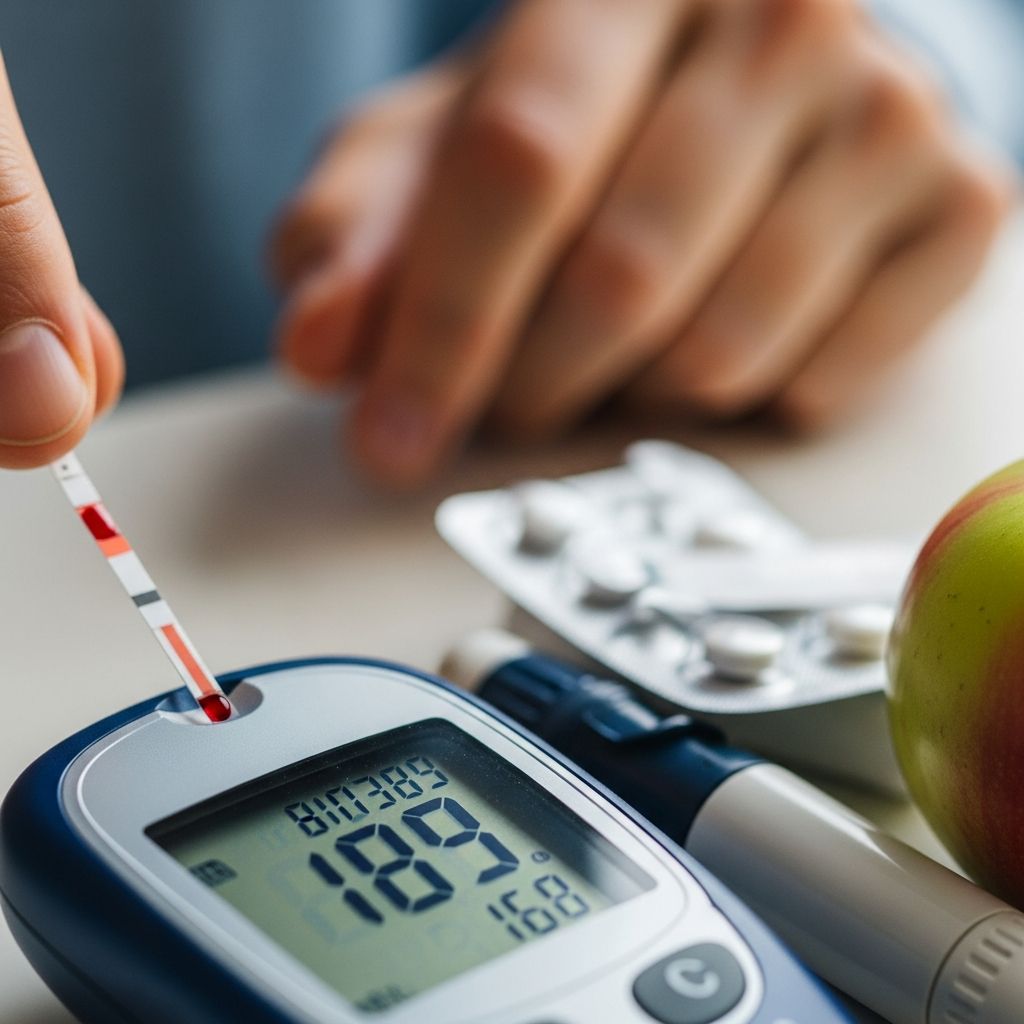
Type 2 diabetes is a serious, lifelong condition where the body struggles to control blood sugar levels because it either doesn’t produce enough insulin or the insulin it makes doesn’t work effectively, a state known as
insulin resistance
. This leads to high blood glucose levels that, if unmanaged, can cause severe complications including heart disease, stroke, vision loss, kidney damage and foot problems. Around 90% of people with diabetes in the UK have type 2, affecting millions, and many cases go undiagnosed for years due to mild or absent symptoms.With proper management through lifestyle changes, medications and regular monitoring, individuals with type 2 diabetes can lead healthy lives and significantly reduce complication risks. Treatment often starts with diet, physical activity and weight management, progressing to oral medications or insulin as needed. Early detection is crucial, as sustained high blood sugar damages organs over time.
What is type 2 diabetes?
In a healthy body, food is broken down into glucose, which enters the bloodstream. The pancreas releases
insulin
, a hormone that acts like a key to unlock cells, allowing glucose to enter for energy. Intype 2 diabetes
, this process fails: cells become resistant to insulin, and over time, the pancreas can’t produce enough to compensate, causing glucose to build up in the blood.This differs from type 1 diabetes, an autoimmune condition where the pancreas produces no insulin at all. Type 2 typically develops gradually in adults but is rising in children due to lifestyle factors. It accounts for the majority of diabetes cases globally and is linked to modern diets high in processed foods and sedentary habits.
Untreated, high blood sugar (hyperglycemia) starves cells of energy while damaging blood vessels and nerves. Complications develop silently over years, emphasizing the need for proactive care.
Type 2 diabetes symptoms
Many people with type 2 diabetes experience no obvious symptoms initially, allowing the condition to progress undiagnosed for up to 10 years. When symptoms appear, they often develop slowly and include:
- Weeing a lot, especially at night (polyuria), as kidneys work to remove excess glucose.
- Being extremely thirsty (polydipsia) due to dehydration from frequent urination.
- Feeling very tired or fatigued, as cells can’t access glucose for energy.
- Feeling very hungry (polyphagia) despite eating, because glucose isn’t fueling cells.
- Unexplained weight loss, particularly in early stages.
- Genital itching or recurrent thrush infections.
- Cuts, bruises or wounds healing slowly.
- Blurred vision from glucose affecting eye lenses.
- Tingling, pain or numbness in hands and feet (neuropathy).
In severe undiagnosed cases, extremely high blood sugar can lead to
Hyperosmolar Hyperglycaemic State (HHS)
, causing confusion, seizures or coma, or rarelydiabetic ketoacidosis (DKA)
. Symptoms may vary; some notice increased infections or slow-healing skin issues first. If you experience several of these, consult a doctor promptly for testing.Causes of type 2 diabetes
The primary cause is
insulin resistance
, where cells in muscles, fat and liver don’t respond well to insulin, preventing glucose uptake. The pancreas initially overproduces insulin but eventually fatigues. Excess fat, especially around the liver and pancreas, exacerbates this by interfering with insulin function—even in those of healthy weight.Glucose accumulates in blood instead of entering cells, prompting more insulin release until the pancreas can’t keep up. Genetic factors play a role, but lifestyle triggers like poor diet and inactivity are key drivers.
Related Stories



Type 2 diabetes risk factors
Several modifiable and non-modifiable factors increase risk. In the UK, 12.3 million people are at high risk[10]. Key risk factors include[10]:
- Living with obesity or overweight, particularly abdominal fat (measured by waist circumference: >94cm men, >80cm women of European origin; lower thresholds for South Asian, Chinese, Black African or Middle Eastern ethnicities).
- Age over 40 (or 25 for high-risk ethnic groups).
- Family history of type 2 diabetes in parents or siblings.
- Ethnicity: higher risk in South Asian, Chinese, Black African or Black Caribbean backgrounds.
- High blood pressure or history of gestational diabetes/previous large babies (>4kg).
- Sedentary lifestyle, poor diet high in sugars and fats, and conditions like polycystic ovary syndrome (PCOS).
These factors interact; for example, genetics plus obesity greatly amplify risk. Tools like the Diabetes UK Know Your Risk tool can assess personal risk[10].
Type 2 diabetes diagnosis
Diagnosis involves blood tests confirming high glucose levels. Common tests include:
- HbA1c test: Measures average blood glucose over 2-3 months (≥48mmol/mol or 6.5% indicates diabetes).
- Fasting plasma glucose: ≥7.0mmol/L after no food for 8 hours.
- Oral glucose tolerance test (OGTT): ≥11.1mmol/L two hours after glucose drink.
Random glucose ≥11.1mmol/L with symptoms also diagnoses. GP or clinic tests are routine; early diagnosis prevents complications.
Treating and managing type 2 diabetes
Management aims to maintain blood glucose, blood pressure and cholesterol within targets to avert complications. Core pillars:
- Healthy eating: Focus on balanced plates—half veggies/fruits, quarter carbs, quarter protein; limit sugars, choose wholegrains, watch portions.
- Physical activity: 150 minutes moderate exercise weekly (walking, swimming) plus strength training.
- Weight management: Losing 5-10% body weight if overweight improves insulin sensitivity.
- Medications: Metformin first-line; others like SGLT2 inhibitors, GLP-1 agonists or insulin if needed.
- Blood sugar monitoring: Using meters or continuous glucose monitors (CGM).
- Regular check-ups: Annual reviews for eyes, feet, kidneys, heart.
Tailored plans from healthcare teams are essential; apps and support groups aid adherence.
Type 2 diabetes complications
Prolonged high blood sugar damages small (microvascular) and large (macrovascular) vessels, leading to:
- Cardiovascular disease: Heart attacks, strokes (2-4x higher risk).
- Retinopathy/nephropathy/neuropathy: Vision loss, kidney failure, nerve pain/numbness.
- Foot problems: Ulcers, infections, amputations from poor circulation/healing.
Good control halves these risks; smoking cessation and statins help further.
Preventing type 2 diabetes
Up to 50% of cases are preventable via lifestyle. Strategies mirror management: healthy weight, diet rich in fibre/low in processed foods, 30+ minutes daily activity, risk screening. Programs like NHS Diabetes Prevention offer structured support for high-risk individuals[10].
Differences between type 1 and type 2 diabetes
Type 1 is autoimmune (sudden onset, any age, insulin-only treatment); type 2 lifestyle/genetic (gradual, adults mostly, lifestyle/meds first).
| Type 1 | Type 2 | |
|---|---|---|
| Insulin Production | Body attacks pancreas; no insulin. | Insufficient insulin or resistance. |
| Onset | Rapid, often childhood. | Slow, adulthood. |
| Causes | Autoimmune (unknown trigger). | Obesity, age, genetics, ethnicity. |
| Treatment | Insulin mandatory. | Lifestyle, oral meds, sometimes insulin. |
Frequently asked questions
Can type 2 diabetes be cured?
No, but remission is possible through significant weight loss (15kg+) via diet/exercise/surgery in some cases, where blood sugars normalize without meds.
Is type 2 diabetes genetic?
Family history increases risk, but lifestyle factors are primary triggers.
How is type 2 different from prediabetes?
Prediabetes (HbA1c 42-47mmol/mol) is reversible; type 2 (≥48mmol/mol) is established but manageable[10].
Does everyone with type 2 need insulin?
No, many control it with lifestyle/metformin; insulin for advanced cases.
Can children get type 2 diabetes?
Yes, increasingly due to obesity, though rarer than type 1.
References
- Understanding Type 2 Diabetes — American Diabetes Association. 2023. https://diabetes.org/about-diabetes/type-2
- Type 2 diabetes — Diabetes UK. 2023-11. https://www.diabetes.org.uk/about-diabetes/type-2-diabetes
- What Is Type 2 Diabetes? | 2 Minute Guide — Diabetes UK (YouTube). 2023. https://www.youtube.com/watch?v=4SZGM_E5cLI
- What causes type 2 diabetes? — Diabetes UK. 2023. https://www.diabetes.org.uk/about-diabetes/type-2-diabetes/causes
- Types of diabetes — Diabetes UK. 2023. https://www.diabetes.org.uk/about-diabetes/types-of-diabetes
- Type 2 diabetes symptoms — Diabetes UK. 2023. https://www.diabetes.org.uk/about-diabetes/type-2-diabetes/symptoms
Similar Articles








Read full bio of medha deb