Type 2 Inflammation And Eczema: Expert Management Guide
Discover how type 2 inflammation drives eczema symptoms and explore targeted treatments for better skin health.
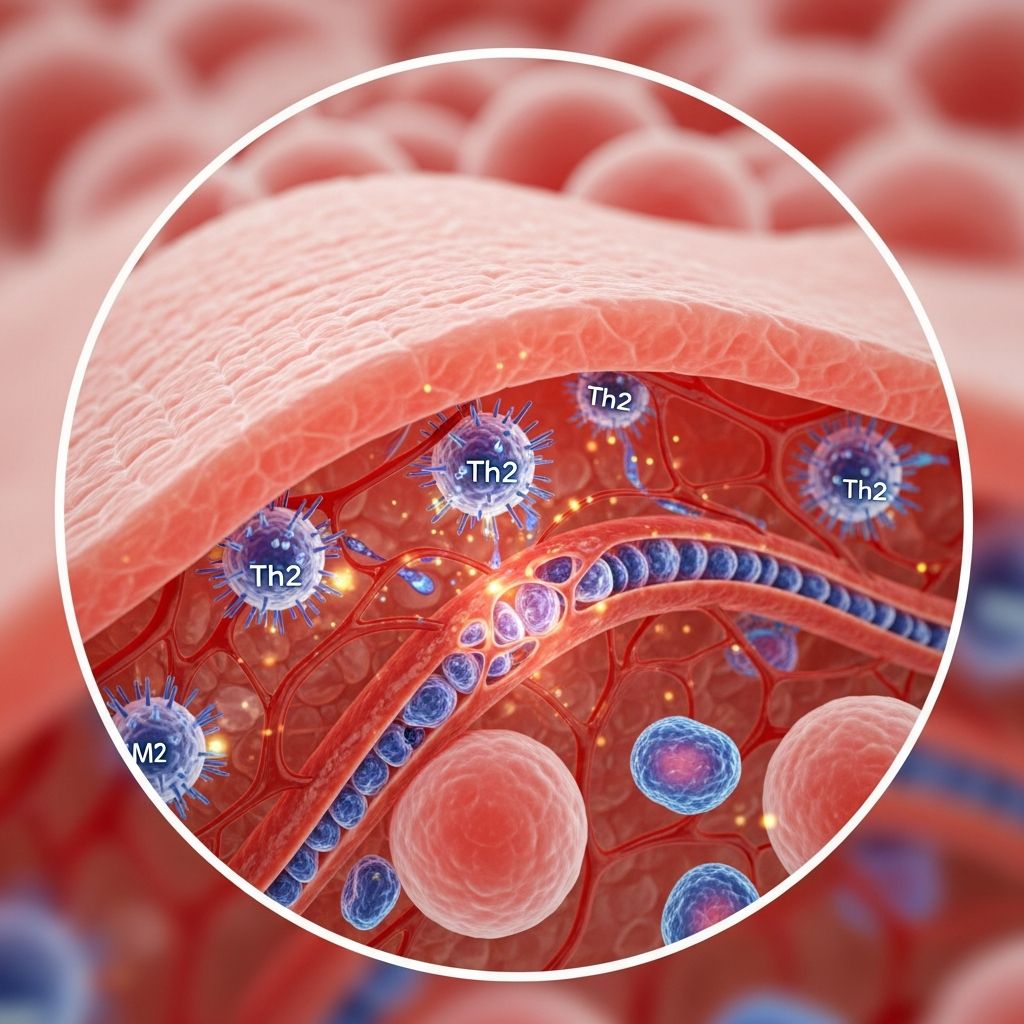
Type 2 inflammation represents a core driver of eczema, also known as atopic dermatitis, by disrupting the skin’s protective barrier, intensifying itch sensations, and heightening infection risks.
The Fundamentals of Type 2 Inflammation
Type 2 inflammation is an immune response characterized by the activation of T helper 2 (Th2) cells, group 2 innate lymphoid cells (ILC2s), eosinophils, basophils, and mast cells. These cells release signature cytokines such as interleukin-4 (IL-4), IL-5, IL-13, and IL-31, which orchestrate allergic and inflammatory processes.
In healthy contexts, this pathway helps combat parasitic infections. However, in modern environments with fewer parasites, it often misfires against harmless allergens, environmental triggers, or skin microbes, leading to chronic conditions like eczema.
- Key Cytokines: IL-4 and IL-13 suppress antimicrobial peptides and structural proteins; IL-5 promotes eosinophil survival; IL-31 drives itch signaling.
- Prevalence: Up to 70% of asthma cases and a significant portion of eczema involve this pathway, often co-occurring in atopic individuals.
How Type 2 Inflammation Targets the Skin Barrier in Eczema
The skin barrier acts as a fortress, retaining moisture and blocking invaders via components like filaggrin (FLG), tight junctions (TJs), and lipids. Type 2 cytokines dismantle this defense.
IL-4 and IL-13 downregulate FLG and other proteins such as involucrin, loricrin, and occludin, increasing transepidermal water loss (TEWL) and allergen penetration. FLG mutations exacerbate this, linking to severe eczema, early onset, and complications like eczema herpeticum.
| Barrier Component | Effect of Type 2 Inflammation | Consequence |
|---|---|---|
| Filaggrin (FLG) | Downregulated by IL-4/IL-13 | Dry, cracked skin; allergen entry |
| Tight Junctions (e.g., CLDN-1) | Reduced expression | Increased antigen access; infections |
| Antimicrobial Peptides (e.g., hBD-2) | Suppressed | Staphylococcus aureus colonization |
Proteases activate PAR2 receptors, worsening inflammation and itch cycles. Dysbiosis, like S. aureus overgrowth, further fuels IL-4/IL-13 production.
Intense Itch: The Vicious Cycle in Eczema
IL-31 from Th2 cells and mast cells sensitizes sensory neurons, causing chronic pruritus far beyond typical irritation. This itch-scratch cycle damages the epidermis, perpetuating barrier breakdown and inflammation.
- Skin barrier dysfunction allows irritants in, amplifying itch signals.
- Eosinophils and mast cells release histamine and basic proteins, disrupting TJs and proteins.
- Langerhans cells in lesional skin penetrate TJs, promoting Th2 activation and polysensitization.
Patients describe it as unrelenting, leading to sleep loss and quality-of-life declines.
Infection Risks Amplified by Type 2 Inflammation
Weakened barriers and reduced antimicrobials make eczema skin prone to bacterial (S. aureus), viral (herpes simplex), and fungal infections. Type 2 cytokines favor S. aureus colonization and impair innate defenses.
In FLG-deficient skin, IL-4/IL-13 heightens proliferation and TSLP (thymic stromal lymphopoietin), a barrier alarm signal that recruits more Th2 cells.
Broader Connections: Eczema in the Atopic March
Type 2 inflammation links eczema to asthma, allergic rhinitis, and eosinophilic esophagitis. Shared cytokines drive multi-organ atopy; eczema often precedes respiratory issues.
Genetic predispositions and early allergen exposure sensitize the immune system systemically.
Diagnostic Approaches for Type 2-Driven Eczema
Clinicians assess via:
- Symptom persistence despite topicals.
- Elevated blood eosinophils or IgE.
- Skin biopsies showing Th2 markers.
- Response to type 2-targeted therapies.
Related Stories



Biomarkers like periostin or TARC aid identification.
Treatment Innovations Targeting Type 2 Inflammation
Traditional topicals (steroids, calcineurin inhibitors) suppress symptoms but not root causes. Biologics offer precision:
| Treatment | Target | Benefits |
|---|---|---|
| Dupilumab | IL-4/IL-13 receptor | Reduces flares, itch, infections |
| Lebrikizumab | IL-13 | Improves barrier, clears lesions |
| Nemolizumab | IL-31 receptor | Targets itch specifically |
These injectables suit moderate-severe cases, restoring barrier function and halting cycles. Combine with emollients for optimal results.
Lifestyle Strategies to Support Skin Health
Beyond meds:
- Moisturize frequently: Ceramide-based products rebuild lipids.
- Avoid triggers: Harsh soaps, allergens, stress.
- Gentle cleansing: Prevents dysbiosis.
- Diet: Anti-inflammatory foods may modulate immunity.
Future Directions in Research
Ongoing trials explore upstream inhibitors (e.g., TSLP blockers) and oral JAK inhibitors. Personalized medicine via biomarker profiling promises better outcomes.
Frequently Asked Questions (FAQs)
What exactly is type 2 inflammation?
An immune overreaction involving IL-4, IL-13, and other cytokines, central to allergic diseases like eczema.
Does everyone with eczema have type 2 inflammation?
No, but most moderate-severe cases do; non-type 2 forms exist.
Can biologics cure eczema?
They control symptoms long-term but don’t cure; maintenance is key.
How does type 2 inflammation cause dry skin?
By impairing moisture-retaining proteins and junctions.
Is type 2 inflammation linked to food allergies?
Yes, via heightened sensitization from barrier defects.
References
- Type 2 Inflammation: The Connection To Asthma, Eczema, … — Bernstein Allergy Research. 2021-06-03. https://www.bernsteinallergyresearch.com/research-center/blog/2021/06/03/type-2-inflammation-the-connection-to-asthma-eczema-and-other-diseases/
- Understand the connection between type 2 inflammation … – YouTube — YouTube (Dr. Gupta). N/A. https://www.youtube.com/watch?v=Tou3StEMukg
- Type 2 Inflammation Contributes to Skin Barrier Dysfunction in … — PMC (NCBI). 2022. https://pmc.ncbi.nlm.nih.gov/articles/PMC9428921/
- Recognize Type 2 Inflammation in Atopic Dermatitis — Type2Inflammation.com. N/A. https://www.type2inflammation.com/dermatology/atopic-dermatitis/recognize
- Unraveling Type 2 Inflammation in Skin Diseases — Dermatology Times. N/A. https://www.dermatologytimes.com/view/unraveling-type-2-inflammation-in-skin-diseases
Similar Articles








Read full bio of medha deb