Type 3c Diabetes: Ultimate Guide To Symptoms, Causes, Treatment
Understanding type 3c diabetes: causes, symptoms, diagnosis, treatment and living with pancreatogenic diabetes.
Type 3c diabetes
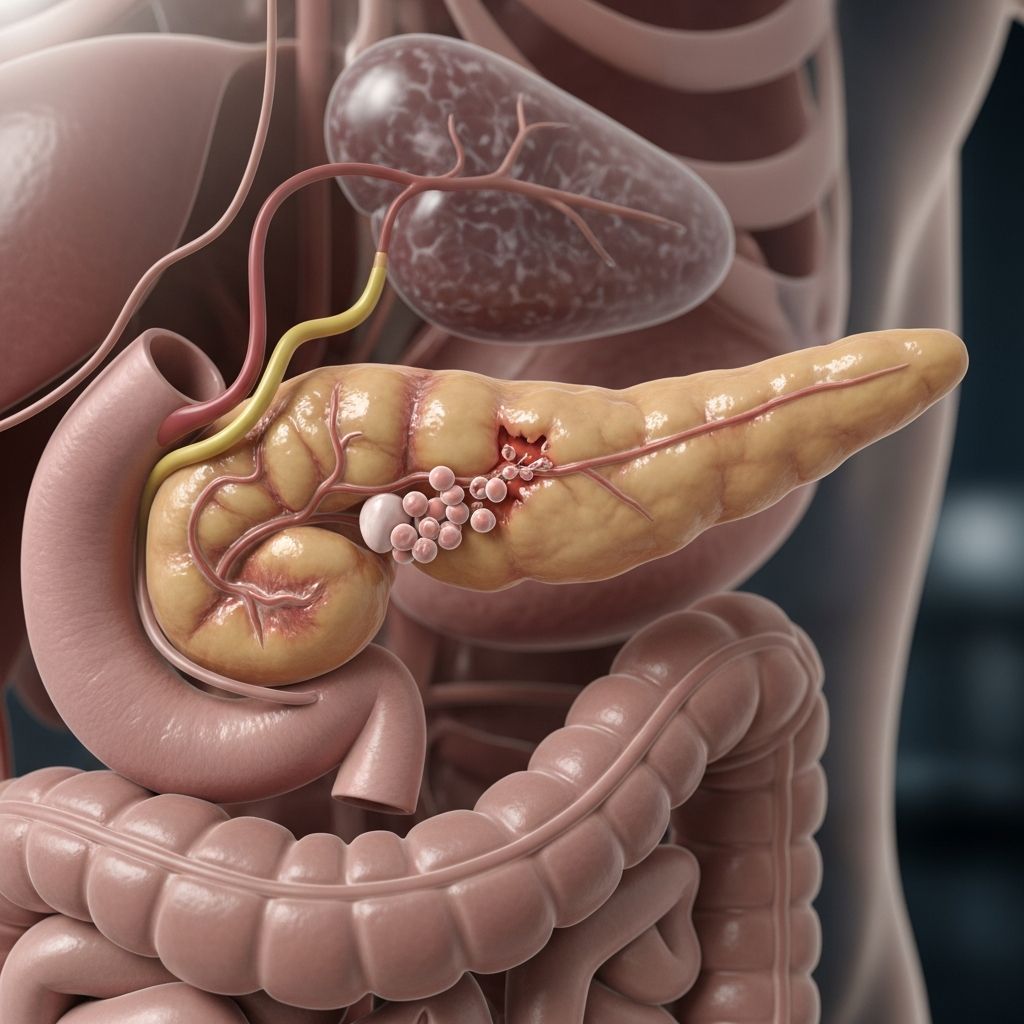
Type 3c diabetes, also known as pancreatogenic diabetes or diabetes of the exocrine pancreas, develops due to damage or disease affecting the pancreas. Unlike more common types like type 1 or type 2, it results from structural or functional impairment of the pancreas, leading to insufficient insulin production and often exocrine insufficiency.
What is type 3c diabetes?
Type 3c diabetes occurs when the pancreas is damaged by conditions such as chronic pancreatitis, pancreatic cancer, cystic fibrosis, or surgical removal (pancreatectomy). This damage disrupts both endocrine functions (hormone production like insulin and glucagon) and exocrine functions (digestive enzymes). The pancreas normally produces insulin to regulate blood glucose and enzymes for digestion; in type 3c, both are compromised, causing hyperglycemia and maldigestion.
Prevalence estimates vary, with type 3c accounting for 1-9% of all diabetes cases, often around 4-5%. It is frequently misdiagnosed as type 2 diabetes due to lack of awareness and standardized diagnostic criteria. Over the past decade, recognition has increased, with prevalence tripling in some studies.
Characteristics include destruction of all islet cells (not just beta cells as in type 1), loss of multiple hormones (insulin, glucagon, somatostatin, pancreatic polypeptide), brittle glycemic control with swings between hypo- and hyperglycemia, and pancreatic exocrine insufficiency (PEI).
What causes type 3c diabetes?
Type 3c diabetes is always secondary to pancreatic disease or injury. Common causes include:
- Chronic pancreatitis: Long-term inflammation scarring the pancreas, prevalent in 25-80% of cases.
- Pancreatic cancer: Tumors disrupt hormone production; may involve beta-cell suppression by tumor products.
- Cystic fibrosis: Genetic condition causing mucus buildup and pancreatic damage.
- Pancreatectomy: Surgical removal for cancer or trauma.
- Other: Acute pancreatitis, hemochromatosis, or trauma.
These conditions lead to variable insulin deficiency, glucagon lack (increasing hypoglycemia risk), and PEI, reducing incretin secretion and worsening glucose control.
Symptoms of type 3c diabetes
Symptoms mirror other diabetes types but include digestive issues from PEI:
- High blood sugar: Thirst, frequent urination, fatigue, blurred vision.
- Weight loss and malnutrition from poor digestion.
- Abdominal pain, diarrhea, steatorrhea (fatty stools).
- Brittle control: Frequent hypo/hyperglycemia swings.
Hypoglycemia is common due to glucagon deficiency, enhanced insulin sensitivity, and poor nutrition.
How is type 3c diabetes different from other types of diabetes?
| Feature | Type 1 | Type 2 | Type 3c |
|---|---|---|---|
| Cause | Autoimmune beta-cell destruction | Insulin resistance + beta-cell dysfunction | Pancreatic damage/disease |
| Hormones affected | Mainly insulin | Insulin (later stages) | All pancreatic hormones + enzymes |
| Exocrine function | Normal | Normal | Often impaired (PEI) |
| Management | Insulin only | Oral meds, lifestyle, insulin later | Insulin early + enzymes, diet |
| Hypo risk | High | Lower | Very high (glucagon deficiency) |
Type 3c involves multi-hormonal deficiency and PEI, distinguishing it from autoimmune type 1 or lifestyle-related type 2.
Diagnosis of type 3c diabetes
No universal criteria exist, but proposed major criteria include: exocrine insufficiency (low fecal elastase-1), pancreatic imaging abnormalities (CT/MRI/endoscopic ultrasound), and absence of type 1 autoantibodies.
Standard diabetes diagnosis (fasting glucose >7mmol/L or HbA1c >48mmol/mol) applies, but pancreatic disease must be confirmed as cause. PEI treatment may unmask diabetes by improving starch digestion. NICE recommends urgent imaging for new-onset diabetes with weight loss in those over 60.
Differentiation aids early pancreatic cancer detection and guides therapy.
Treatment for type 3c diabetes
Management adapts type 1/2 guidelines, focusing on glycemic control, PEI, and complications:
Blood sugar management
Start with metformin if tolerated; transition to insulin early due to insulin deficiency. Targets: fasting glucose 3.9-7.2mmol/L, HbA1c <53mmol>
Pancreatic enzyme replacement therapy (PERT)
Essential for PEI: take with first bite of meals/snacks to aid digestion, reduce steatorrhea, and improve nutrition.
Diet and lifestyle
- Regular small meals, don’t skip.
- Starchy carbs, limit high-GI/sugary foods.
- Avoid alcohol, which worsens pancreatitis.
- Vitamin supplements if needed.
Consult dietitian for personalization.
Hypoglycemia management
Glucagon deficiency impairs natural recovery; prevent via diet, correct dosing, monitoring. Treat hypos promptly; glucagon kits may fail.
Complications include poorer glycemic control, insulin needs, microvascular/macro vascular risks, and reduced survival in pancreatic cancer.
Living with type 3c diabetes
Personal stories highlight challenges: Milesh adopted lifestyle changes post-diagnosis; Ali manages post-pancreas issues. Key is multidisciplinary care: endocrinologist, gastroenterologist, dietitian.
Research into tailored treatments, like scar therapy for pancreas, is ongoing. Advocacy raises awareness to reduce misdiagnosis.
Frequently asked questions
Is type 3c diabetes curable?
No, it’s permanent due to irreversible pancreatic damage, but manageable with treatment.
Does everyone with pancreatitis get type 3c?
No, prevalence 25-80% in chronic cases; depends on damage extent.
Can type 3c be prevented?
Avoid risk factors like alcohol excess, manage cystic fibrosis; not always preventable.
How is hypoglycemia treated in type 3c?
Fast-acting carbs; glucagon may not work due to deficiency—rely on prevention.
Why is type 3c misdiagnosed?
Lack of awareness, no standard criteria; resembles type 2.
References
- Type 3c Diabetes: What It Is, Symptoms & Treatment — Cleveland Clinic. 2023. https://my.clevelandclinic.org/health/diseases/24953-type-3c-diabetes
- Overview of Type 3c Diabetes — Pancreatic Cancer UK. 2020-10. https://www.pancreaticcancer.org.uk/wp-content/uploads/2020/10/Type-3c-Diabetes-Tom-Lander.pdf
- What is type 3c diabetes? — Diabetes UK. Accessed 2026. https://www.diabetes.org.uk/about-diabetes/other-types-of-diabetes/type3c-diabetes
- What is type 3c diabetes? — Tameside NHS (Diabetes My Way). Accessed 2026. https://diabetesmyway.nhs.uk/resources/internal/what-is-type-3c-diabetes/
- Type 3c (pancreatogenic) diabetes mellitus secondary to chronic pancreatitis — PMC (NCBI). 2017-07-11. https://pmc.ncbi.nlm.nih.gov/articles/PMC5495015/
Similar Articles





Read full bio of medha deb