Types of Complementary and Alternative Medicine
Explore various complementary and alternative medicine approaches to enhance your wellness journey.
Understanding Complementary and Alternative Medicine
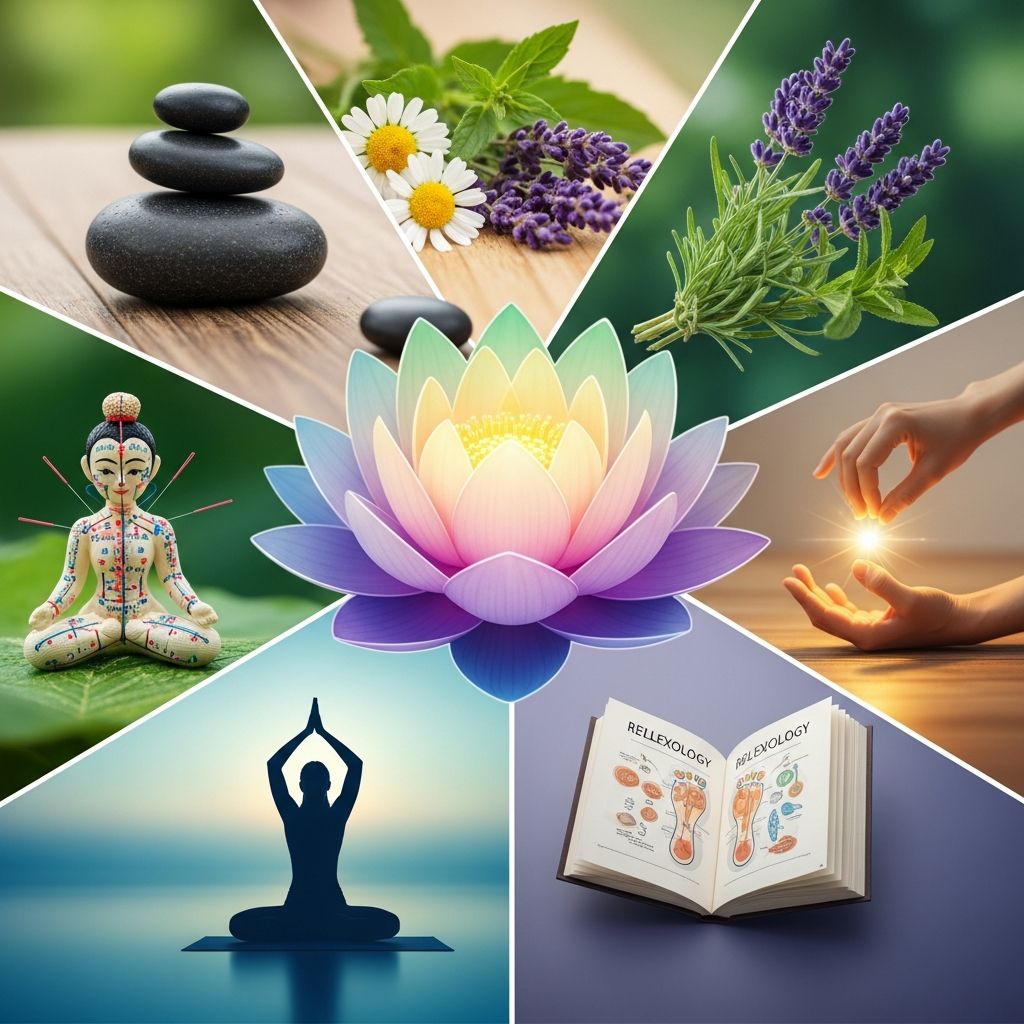
Complementary and alternative medicine (CAM) encompasses a diverse range of healing practices and therapies that exist outside the conventional medical system. While complementary medicine is used in addition to standard treatments, alternative medicine is used instead of standard treatments. These approaches have been developed and refined over centuries, often drawing from traditional practices rooted in various cultures worldwide. Many people turn to these therapies to support their overall wellness, manage specific health conditions, or enhance their quality of life.
Before starting any complementary or alternative medicine practice, it is essential to consult with your healthcare provider to ensure the approach aligns with your individual health needs and does not interfere with existing treatments. Understanding the different categories of CAM can help you make informed decisions about which therapies might be right for you.
Mind-Body Therapies
Mind-body therapies represent some of the most widely practiced complementary approaches today. These therapies work by harnessing the connection between mental processes and physical health, recognizing that our thoughts, emotions, and beliefs can significantly influence our well-being.
Meditation and Mindfulness
Meditation trains the mind to be quiet, calm, and focused through various techniques involving concentrated breathing or repetition of words or phrases to quiet the mind and lessen stressful thoughts and feelings. Mindfulness, a closely related practice, encourages present-moment awareness without judgment. These practices have been shown to reduce stress, anxiety, and depression in many individuals.
Yoga and Tai Chi
Yoga uses a series of stretching poses combined with rhythmic breathing to balance the mind and body. This ancient system of practices has become increasingly popular in Western wellness circles. Similarly, tai chi employs slow, dance-like sets of movements combined with controlled breathing and meditation, making it an excellent practice for both relaxation and gentle physical activity. Both practices are often administered by trained instructors and can be adapted for different fitness levels.
Hypnotherapy and Biofeedback
Hypnotherapy puts someone into a trance-like state where they become more aware and focused on certain feelings, thoughts, images, sensations, or behaviors, potentially making them more open to suggestion for healing purposes. Biofeedback teaches people to change how their body responds to situations by using special machines to learn how to control certain body functions that are normally out of conscious awareness, such as heart rate and blood pressure. These techniques can be particularly helpful for stress management and behavioral change.
Imagery and Creative Outlets
Imagery involves focusing on positive images in the mind, such as imagining calming scenes or healing experiences to help the body heal naturally. Creative outlets including art, music, and dance provide additional avenues for emotional expression and therapeutic benefit.
Nutritional and Biologically Based Therapies
These complementary approaches utilize naturally occurring substances found in nature to support health and wellness. They emphasize nutrition and plant-based remedies as fundamental components of health maintenance and disease prevention.
Herbal Remedies and Botanicals
Herbal remedies use plants or parts of plants as therapeutic agents. Common herbs include chamomile for relaxation, turmeric and cinnamon for their anti-inflammatory properties, and many others used in traditional medicine systems. St. John’s wort is often used to support mood, while other botanicals are chosen for their specific therapeutic properties. It is important to research herbs thoroughly and discuss them with your healthcare provider, as some can interact with medications.
Related Stories



Dietary Supplements and Vitamins
Vitamins and minerals are nutrients the body needs in small amounts to function and stay healthy. Dietary supplements are products added to the diet that may contain vitamins, minerals, herbs, and other ingredients designed to support specific health goals. Common supplements include vitamin C, calcium, and probiotics, each serving different nutritional purposes. Special diets, such as ketogenic or other therapeutic eating patterns, also fall within this category of nutritional therapies.
5-HTP and SAMe Supplements
5-HTP (5-hydroxytryptophan) and SAMe (S-Adenosyl-Methionine) are biochemical compounds that some individuals use to support mood and emotional well-being. These supplements represent a bridge between nutritional and pharmaceutical approaches to health support.
Manipulative and Body-Based Practices
These therapies focus primarily on the body’s structures and systems, including bones, joints, and soft tissues. They are based on the belief that the body can regulate and heal itself and that its various parts are interdependent.
Massage Therapy
Massage therapy uses different pressures and techniques of touch to work with the soft tissues of the body, including kneading, rubbing, tapping, and stroking. This ancient practice promotes relaxation, improves circulation, reduces muscle tension, and can alleviate various types of physical discomfort. Therapeutic touch is a gentler variation that uses light, gentle touch for healing purposes.
Reflexology
Reflexology puts pressure on certain areas of the feet and hands, which are believed to correspond with and affect certain parts of the body. By stimulating these reflex points, practitioners aim to promote healing and balance throughout the entire system.
Acupuncture
Acupuncture is the use of tiny needles to stimulate specific points on the body. This traditional Chinese practice is based on the theory that qi (the body’s vital energy) flows along meridians or channels in the body. By stimulating these points, acupuncture aims to restore balance and promote healing.
Chiropractic and Spinal Manipulation
Chiropractic therapy uses spinal manipulation and works with the spine, joints, and skeletal system to promote healing. Practitioners believe that proper alignment of the body’s structures enables the body to heal itself naturally.
Reiki and Energy Work
Reiki uses the hands near or lightly touching the body to channel healing energy. This Japanese technique is based on the concept of universal life force energy flowing through all living things. Gua sha, another body-based practice, involves scraping, coining, or spooning techniques on the skin to promote healing.
Whole Medical Systems and Alternative Medical Systems
Whole systems of complementary and alternative medicine are complete systems of theory and practice that have evolved independently from or parallel to conventional medicine. Many are traditional systems of medicine practiced by individual cultures throughout the world. These comprehensive approaches offer distinct philosophies about health, disease, and treatment.
Traditional Chinese Medicine (TCM)
Traditional Chinese Medicine is based on the belief that qi (the body’s vital energy) flows along meridians or channels in the body and keeps a person’s spiritual, emotional, mental, and physical health in balance. TCM uses multiple methods including herbs, acupuncture, tui na massage, tai chi, and qi gong to restore the body’s balance between two forces called yin and yang. This ancient system remains one of the most widely practiced alternative medical systems globally.
Ayurvedic Medicine
Ayurvedic medicine is a system from India in which the goal is to cleanse the body and restore balance to the body, mind, and spirit. It uses diet, herbal medicines, exercise, meditation, breathing techniques, physical therapy, and other methods to achieve wellness. Ayurvedic medicine emphasizes plant-based treatments and encourages changes to diet, exercise, and lifestyle for optimal health.
Homeopathic Medicine
Homeopathic medicine uses very diluted forms of herbs, minerals, and other substances based on the principle that substances causing symptoms in large doses can heal them in minute doses. This system has been practiced for centuries and remains popular in many parts of the world.
Naturopathic Medicine and Indigenous Healing Systems
Naturopathic medicine uses a combination of conventional medical practices along with herbs, dietary supplements, homeopathy, massage, and other treatments. Other traditional systems, including Siddha medicine, Unani medicine, and American Indian and Alaska Native traditional healing practices, also represent complete medical systems with their own theories and treatment approaches.
Energy Medicine and Subtle Energy Therapies
Energy medicine intends to manipulate subtle energy fields, also called biofields, thought to exist in and around the body and thus affect health. All energy therapies are based on the belief that a universal life force (qi) or subtle energy resides in and around the body. While historically a vital force was posited to explain biological processes not yet understood, some investigators continue to explore the existence of biofields and subtle energies as science advances.
Emerging and Specialized Complementary Approaches
Beyond the primary categories, several other complementary therapies have gained recognition and research attention in recent years.
Aromatherapy
Aromatherapy uses essential oils and aromatic compounds derived from plants to support physical and emotional well-being. Different scents are believed to have varying effects on mood, energy, and overall health.
Light Therapy
Light therapy involves exposure to specific wavelengths of light to treat various conditions, particularly seasonal mood changes and sleep disorders. This approach recognizes the powerful connection between light exposure and biological rhythms.
Additional Supportive Tools
Weighted blankets have emerged as a complementary tool that some people find helpful for anxiety, sleep, and relaxation. Cannabis-based medicines represent another area of growing interest, though their use and legality vary by location and should be discussed with healthcare providers.
Mind-Body Combinations
Other psychological and physical approaches include relaxation techniques, qigong, the Feldenkrais method, Alexander technique, Pilates, Rolfing Structural Integration, and Trager psychophysical integration. Research findings suggest that several psychological and physical approaches, alone or in combination, are helpful for a variety of conditions.
Comparing Complementary and Alternative Approaches
| Category | Examples | Primary Focus | How It Works |
|---|---|---|---|
| Mind-Body | Meditation, yoga, tai chi, hypnotherapy | Mental and emotional wellness | Harnesses mind-body connection through breathing, movement, and mental focus |
| Nutritional | Herbs, supplements, special diets | Nutritional support | Uses natural substances to nourish and support bodily functions |
| Body-Based | Massage, reflexology, chiropractic | Physical manipulation and alignment | Works with body structures to promote self-healing |
| Whole Systems | TCM, Ayurveda, homeopathy | Complete health philosophy | Integrated approach combining multiple modalities |
| Energy-Based | Reiki, qi gong, acupuncture | Energy flow and balance | Aims to balance vital life force |
Frequently Asked Questions About Complementary and Alternative Medicine
Q: What is the difference between complementary and alternative medicine?
A: Complementary medicine is used in addition to standard medical treatments, while alternative medicine is used instead of standard treatments. Complementary approaches are generally safer when integrated with conventional care, while alternative medicine may delay necessary conventional treatment if used exclusively.
Q: Should I tell my doctor about complementary medicine I’m considering?
A: Yes, absolutely. It is essential to consult with your healthcare provider before starting any kind of complementary or alternative medicine to ensure the approach aligns with your individual health needs and does not interfere with existing treatments or medications.
Q: Which complementary therapies have the most scientific evidence?
A: Research findings suggest that several psychological and physical approaches, alone or in combination, are helpful for a variety of conditions. Mind-body therapies like yoga and meditation, as well as acupuncture for certain conditions, have substantial research support. However, the level of evidence varies by specific therapy and condition.
Q: Can I use complementary medicine while receiving cancer treatment?
A: Some complementary approaches like acupuncture, tai chi, yoga, and nutritional therapies may be used alongside standard cancer treatments to help manage side effects and support overall wellness. Always discuss any complementary approach with your oncology team before beginning.
Q: Are herbal remedies and supplements safe?
A: While many herbal remedies and supplements come from natural sources, “natural” does not always mean safe. Some herbs can interact with medications or cause adverse effects. Always research supplements thoroughly and discuss them with your healthcare provider before use.
Q: How do I find a qualified practitioner?
A: Look for practitioners with appropriate credentials, training, and certification in their specific field. Ask for recommendations from your healthcare provider, check professional organizations, and verify credentials through relevant licensing boards in your area.
References
- Types of complementary and alternative therapies — Mind. Accessed 2025. https://www.mind.org.uk/information-support/drugs-and-treatments/complementary-and-alternative-therapies/types-of-complementary-and-alternative-therapies/
- Complementary and Alternative Medicine — Nemours KidsHealth. Accessed 2025. https://kidshealth.org/en/parents/comp-alt-medicine.html
- Complementary and Alternative Medicine (CAM) — National Cancer Institute. Accessed 2025. https://www.cancer.gov/about-cancer/treatment/cam
- Complementary, Alternative, or Integrative Health: What’s In a Name? — National Center for Complementary and Integrative Health (NCCIH). Accessed 2025. https://www.nccih.nih.gov/health/complementary-alternative-or-integrative-health-whats-in-a-name
- Complementary and Alternative Medicine — Centers for Disease Control and Prevention (CDC). Accessed 2025. https://www.cdc.gov/cancer-survivors/patients/complementary-alternative-medicine.html
- Types of Complementary and Alternative Medicine — MSD Manuals Professional Edition. Accessed 2025. https://www.msdmanuals.com/professional/special-subjects/integrative-complementary-and-alternative-medicine/types-of-complementary-and-alternative-medicine
- Introducing Complementary and Alternative Therapies — PubMed Central, National Institutes of Health. Accessed 2025. https://pmc.ncbi.nlm.nih.gov/articles/PMC2754854/
Similar Articles








Read full bio of Sneha Tete