Types of Body Fat: Understanding Subcutaneous, Visceral, and Brown Fat
Learn about the three types of body fat, their locations, functions, and impact on your health.
Understanding the Different Types of Body Fat
When it comes to body composition, not all fat is created equal. Many people assume that fat is simply stored energy distributed uniformly throughout the body, but the reality is far more complex. Your body contains several distinct types of fat tissue, each with unique characteristics, locations, and health implications. Understanding these differences is crucial for making informed decisions about your health and fitness goals.
Rather than viewing fat as a monolithic enemy to be eliminated entirely, a more nuanced approach recognizes that certain types of fat are essential for optimal bodily function, while others pose genuine health risks when present in excess. By learning about the three primary types of body fat—subcutaneous, visceral, and brown fat—you’ll gain valuable insight into how your body composition affects your overall wellbeing.
The Three Main Types of Body Fat
Fat tissue in the human body comes in several forms, each serving different purposes and located in different areas. While white fat and brown fat are the primary categories, scientists have also identified beige fat and essential fat as important components of body composition. Here’s a comprehensive overview of each type:
Subcutaneous Fat: The Pinchable Layer
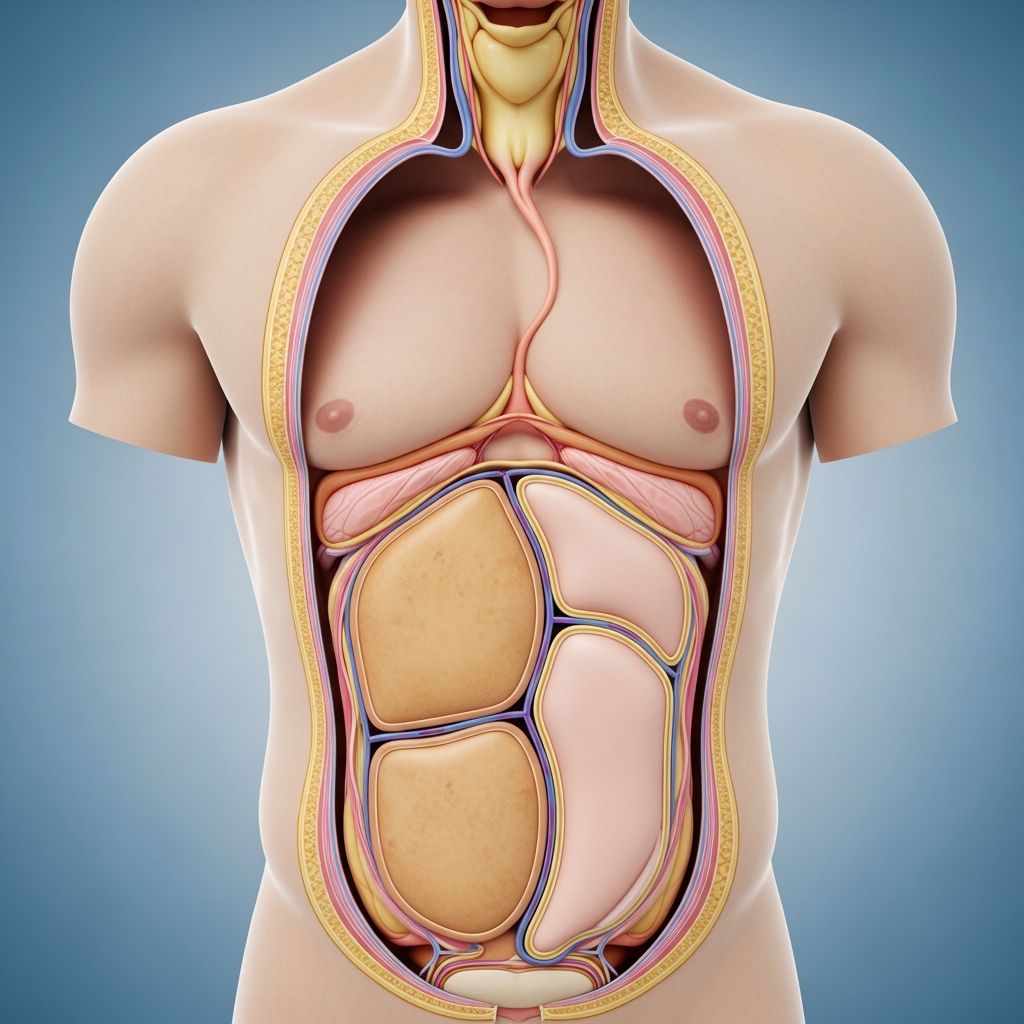
Subcutaneous fat is the fat you can see and feel—the layer that sits directly underneath your skin, on top of your muscles. This is the fat you can pinch on your arms, belly, thighs, and buttocks. It accounts for approximately 90 percent of all fat stored in the human body, making it the most abundant type by far. Subcutaneous fat typically accumulates around the waist, hips, upper back, buttocks, and thighs.
While many people view subcutaneous fat negatively, small to moderate amounts serve important protective functions. This fat cushions your bones and joints, provides insulation to keep you warm, and serves as a reserve energy source during periods of limited calorie intake. Additionally, subcutaneous fat produces hormones and proteins that regulate various bodily functions.
One particularly important hormone produced by subcutaneous fat is leptin, which signals to your brain that you’re full and helps regulate appetite. Subcutaneous fat also produces adiponectin, an anti-inflammatory hormone that plays a critical role in maintaining healthy blood sugar levels and reducing the risk of metabolic diseases. These beneficial functions mean that having some subcutaneous fat is actually protective for your health.
However, very high amounts of subcutaneous fat can increase disease risk, though not as significantly as excess visceral fat. The key is finding a healthy balance rather than trying to eliminate all fat from your body.
Visceral Fat: The Hidden Threat
Visceral fat is fundamentally different from subcutaneous fat. This type sits deep inside your abdominal cavity, surrounding vital organs including the liver, intestines, pancreas, and heart. Unlike subcutaneous fat, you cannot touch, see, or pinch visceral fat—it’s completely hidden beneath your abdominal muscles. This invisibility makes it particularly dangerous, as people can have significant amounts without realizing it.
Visceral fat is sometimes referred to as “belly fat” or “central obesity,” and it poses serious health risks when accumulated in excess. Research consistently demonstrates that high levels of visceral fat are associated with numerous health problems, including cardiovascular disease, type 2 diabetes, and certain cancers. This fat tissue is metabolically active and produces inflammatory compounds that can damage your health.
Related Stories



One of the most troubling aspects of visceral fat is that it doesn’t always correlate with BMI or overall body weight. Research shows that approximately 22 percent of men and 8 percent of women who are considered normal weight actually have excessive visceral fat and are at risk for associated health problems. Conversely, around 22 percent of men and 10 percent of women classified as obese have visceral fat levels within the normal range. This disconnect between BMI and visceral fat underscores the importance of measuring body composition through multiple methods rather than relying on weight alone.
Brown Fat: The Calorie-Burning Helper
Brown fat represents a fundamentally different category of fat tissue. Rather than storing energy like white fat does, brown fat actually burns calories to generate heat, a process called thermogenesis. This metabolically active tissue helps your body stay warm, particularly in response to cold exposure.
Infants are born with relatively high amounts of brown fat to help them maintain body temperature. As people age into adulthood, the amount of brown fat typically decreases, though adults do retain small amounts, mostly concentrated around the shoulder and chest areas. Interestingly, the amount of brown fat an individual carries does not change in response to increased calorie intake the way white fat does.
Recent research has generated considerable interest in brown fat because individuals with more brown fat tend to be leaner and more resistant to diet-induced obesity. Scientists have discovered that brown fat contains a special protein called PRDM16 that distinguishes it from white fat and even enables certain cellular transformations. Some research suggests that brown fat could play a role in maintaining a healthy weight and metabolic function, though much more research is needed to fully understand its potential therapeutic applications.
Other Fat Types: Beige, Pink, and Essential Fat
Beyond the three primary types, scientists have identified additional fat tissue varieties worth understanding:
Beige fat is a type of white fat that can be converted to perform similar functions as brown fat, such as generating heat during cold exposure or exercise. This conversion ability makes beige fat particularly interesting to researchers studying obesity and metabolic health.
Pink fat is a specialized fat that develops during pregnancy and lactation. This tissue is vital for producing and secreting breast milk and supports the physiological demands of nursing.
Essential fat is the baseline amount of fat your body requires to function properly. This fat is found throughout most organs, muscles, and the central nervous system, including the brain. Essential fat plays crucial roles in regulating hormones like estrogen, insulin, cortisol, and leptin; controlling body temperature; and facilitating the absorption of fat-soluble vitamins and minerals. For men, essential fat comprises approximately 2-5 percent of body weight, while for women it’s approximately 10-13 percent. When body fat drops below these thresholds—below 5 percent for men and below 10 percent for women—there may not be sufficient essential fat to support these critical functions, potentially compromising health.
Body Fat Distribution and Health
Where your body stores fat matters significantly for your health outcomes. Research demonstrates that central obesity—excess fat concentrated around the midsection—poses greater health risks than fat distributed in other areas. This is why waist circumference and waist-to-hip ratio have emerged as important health metrics, sometimes providing better predictions of disease risk than BMI alone.
Interestingly, research has also revealed that subcutaneous fat in certain locations, particularly around the thighs, may actually offer protective health benefits. Studies have found that people with larger thighs tend to have lower rates of heart disease and premature mortality compared to those with thin thighs, suggesting that not all subcutaneous fat is equally problematic.
What’s Your Healthy Body Fat Percentage?
Rather than focusing solely on weight, health professionals increasingly recommend assessing body fat percentage and distribution as more meaningful indicators of health status. Healthy body fat percentages vary by age and sex, but general guidelines suggest:
For adult men, healthy body fat ranges from approximately 10-20 percent, while for women, the range is typically 18-25 percent. Athletes may have lower percentages, while older adults naturally have somewhat higher percentages. The key is understanding that some fat is essential and healthy, and the goal should be achieving a healthy composition rather than minimizing fat to dangerously low levels.
Measuring Your Body Composition
Several methods exist for assessing body composition and body fat percentage, each with varying levels of accuracy and accessibility:
Skinfold Thickness (Calipers): This method uses specialized calipers to measure the thickness of skin and fat at specific body locations including the torso, thighs, and upper arms. Equations then estimate total body fat percentage based on these measurements. This method is inexpensive and convenient but depends heavily on the skill and training of the person taking measurements. At least three measurements from different body areas are typically needed. The method has limitations for people with obesity or very thick skinfolds, as many calipers have a limited measurement range.
Bioelectrical Impedance Analysis (BIA): This method sends a mild electrical current through your body and measures resistance to estimate body fat percentage. While convenient and non-invasive, accuracy can be affected by hydration status and other factors.
Dual-Energy X-ray Absorptiometry (DEXA): Considered one of the most accurate methods, DEXA scans use low-dose X-rays to measure bone density and body composition. However, this method is more expensive and requires specialized equipment.
Magnetic Resonance Imaging (MRI): This highly accurate method can distinguish between different fat types and their locations but is expensive and not practical for routine assessment.
Factors That Influence Body Fat Accumulation
Multiple factors influence how your body stores and distributes fat. Understanding these can help you make more effective lifestyle choices:
Diet Quality: Consuming excessive amounts of processed junk food promotes visceral fat accumulation. These foods are rapidly absorbed into the bloodstream, triggering insulin spikes. Since insulin acts as a fat deposit hormone, repeated spikes encourage the body to store additional belly fat. Excess saturated fat consumption also appears to promote visceral fat buildup specifically.
Physical Activity: Regular exercise helps prevent excessive fat accumulation and can help reduce visceral fat deposits. Different types of activity may have varying effects on fat distribution.
Genetics: Your genetic background influences where your body tends to store fat and how efficiently you burn different fuel sources. Some people are genetically predisposed to store more visceral fat, while others naturally accumulate more subcutaneous fat.
Age and Hormones: Hormonal changes throughout life affect body composition. Menopause in women and declining testosterone in men can shift fat distribution patterns.
Sleep and Stress: Insufficient sleep and chronic stress can increase cortisol levels, promoting visceral fat accumulation and overall weight gain.
Strategies to Manage Body Fat Composition
If you’re concerned about your body fat distribution, particularly excess visceral fat, several evidence-based strategies can help:
Choose Complex Carbohydrates and Protein: These nutrients digest more slowly than refined carbohydrates, helping maintain steady insulin levels rather than causing spikes. This prevents your body from storing excess belly fat. Prioritize whole grains, legumes, vegetables, and lean proteins.
Select Healthier Dietary Fats: Not all fats affect your body equally. Polyunsaturated fats found in foods like walnuts, salmon, and flax seeds appear to promote the growth of calorie-burning muscle tissue. Replacing saturated fats with these healthier options can influence both fat storage patterns and body composition.
Increase Physical Activity: Regular exercise, particularly aerobic activity combined with resistance training, helps reduce visceral fat more effectively than diet alone. Exercise also helps preserve muscle mass, which increases metabolic rate.
Manage Stress: Chronic stress elevates cortisol, which promotes visceral fat accumulation. Implementing stress-reduction techniques like meditation, yoga, or regular relaxation practices can help.
Prioritize Sleep: Adequate, quality sleep supports healthy metabolism and helps regulate appetite hormones. Most adults need 7-9 hours of sleep per night for optimal health.
Frequently Asked Questions
Q: Is all body fat bad for you?
A: No. Essential fat is necessary for proper organ function, hormone production, and nutrient absorption. The key is maintaining healthy levels and being mindful of fat distribution. Subcutaneous fat in moderate amounts also serves protective functions. The concern is primarily with excess visceral fat.
Q: Can you convert white fat to brown fat?
A: Recent research suggests that beige fat, a type of white fat, can be converted to function similarly to brown fat through cold exposure or exercise. However, the extent to which this conversion occurs in humans and its practical significance remains an active area of research.
Q: Why is BMI not a perfect measure of health?
A: BMI doesn’t distinguish between muscle and fat, nor does it reveal fat distribution. Research shows that roughly 22% of normal-weight men and 8% of normal-weight women have excess visceral fat despite healthy BMI, while some people with higher BMI have normal visceral fat levels. This is why body composition assessment is increasingly important.
Q: Where should I measure to assess visceral fat?
A: Since visceral fat accumulates around organs in the abdominal cavity, waist circumference is a useful indicator. A waist circumference greater than 40 inches in men or 35 inches in women may indicate excessive visceral fat and increased health risk.
Q: Can adults increase their brown fat?
A: While adults have limited brown fat compared to infants, some research suggests that regular cold exposure and exercise may activate existing brown fat or promote the conversion of white fat to metabolically active brown or beige fat. More research is needed to determine the practical significance of these effects.
References
- Body Fat Distribution: Types and How to Change It — Healthline. 2024. https://www.healthline.com/health/fat-distribution
- Body Fat: Types and Health Implications — Harvard T.H. Chan School of Public Health Nutrition Source. 2024. https://nutritionsource.hsph.harvard.edu/healthy-weight/measuring-fat/
- The Fit Fat: Brown Adipose Tissue and Metabolic Health — Harvard Magazine, 2009. https://www.harvardmagazine.com/2009/01/the-fit-fat
- Long-term Status of Predicted Body Fat Percentage and Body Composition Assessment — National Center for Biotechnology Information (NCBI), 2020. https://pmc.ncbi.nlm.nih.gov/articles/PMC7282530/
- Thick Thighs May Protect Health — Harvard Men’s Health Watch. https://www.biospace.com/thick-thighs-may-protect-health-from-the-b-i-harvard-men-s-health-watch-i-b
Similar Articles








Read full bio of medha deb