Herbal Medicine: Types, Uses, And Safety Guide
Discover the diverse world of herbal medicine, from ancient roots to modern applications for everyday health concerns.
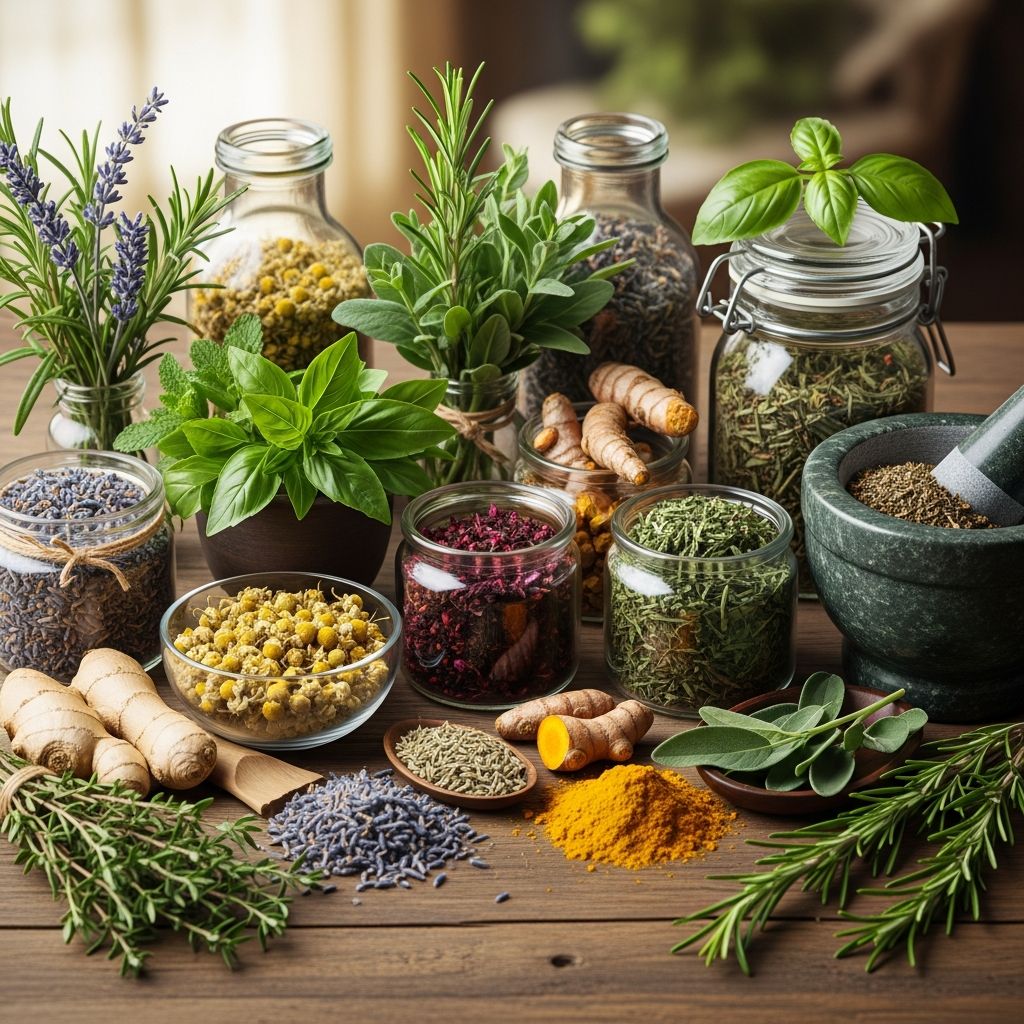
Herbal medicine harnesses the power of plants to support health and treat ailments, drawing from centuries-old traditions while gaining modern scientific scrutiny. These remedies, derived from leaves, roots, flowers, and seeds, offer alternatives or complements to conventional drugs.
The Foundations of Plant-Based Healing
At its core, herbal medicine involves using whole plants or their extracts to promote wellness and address illnesses. Unlike isolated synthetic pharmaceuticals, herbs often contain a complex mix of compounds that work synergistically. For example, the meadowsweet plant provides salicylic acid, the basis for aspirin, but includes natural buffers to reduce stomach irritation.
Globally, traditional systems like Ayurveda, Traditional Chinese Medicine, and Western herbalism have relied on these plants. The World Health Organization notes that about 40% of modern pharmaceuticals originate from natural products, with breakthroughs like aspirin from willow bark and artemisinin for malaria from ancient Chinese texts.
Forms and Delivery Methods of Herbal Remedies
Herbal medicines come in versatile forms to suit different needs and absorption methods:
- Teas and infusions: Steeped dried leaves or flowers in hot water for easy digestion, ideal for digestive or respiratory issues.
- Capsules and tablets: Powdered herbs encapsulated for precise dosing and convenience.
- Tinctures and extracts: Alcohol or glycerin-based liquids for quick absorption under the tongue.
- Topicals: Ointments, creams, or oils applied to skin for localized relief, such as salves from herb-infused oils.
- Powders: Ground herbs mixed into foods or drinks for culinary integration.
These formats allow flexibility, but dosage precision varies, posing challenges for standardization.
Popular Categories of Herbal Medicines
Herbs are often grouped by their primary therapeutic roles, though many serve multiple purposes. Below are key categories with examples supported by health authorities.
Immune-Supporting Herbs
These bolster the body’s defenses against infections. Echinacea, for instance, is widely used short-term to combat colds, upper respiratory infections, and wounds, though long-term use may suppress immunity in some. Elderberry and astragalus also appear in lists for immune enhancement.
Digestive Aids
Ginger excels at easing nausea from motion sickness, pregnancy, or chemotherapy. Peppermint oil relaxes digestive muscles, helping with irritable bowel symptoms. Chamomile tea soothes inflammation and aids relaxation.
Circulatory and Cardiovascular Herbs
Garlic lowers cholesterol and blood fats, reducing heart disease risk while offering antiviral benefits. Ginkgo improves circulation, aiding tinnitus and cognitive function, and hawthorn supports heart health.
Calming and Mood Herbs
Chamomile addresses anxiety, depression, and sleep issues via tea or capsules. Lavender promotes relaxation through aromatherapy or oils, and passionflower eases nervousness. St. John’s Wort helps mild depression but interacts with many drugs.
Anti-Inflammatory and Skin Herbs
Aloe vera gels soothe burns and wounds. Turmeric (via curcumin) and boswellia reduce inflammation, while evening primrose oil supports skin conditions.
Key Herbal Medicine Examples: Benefits and Evidence
Related Stories



| Herb | Primary Uses | Forms | Evidence Notes |
|---|---|---|---|
| Chamomile | Anxiety, digestion, skin inflammation | Tea, capsules, topical | Supports wound healing and nausea control |
| Echinacea | Colds, infections, immune boost | Tea, capsules, tincture | Effective short-term; allergy risk for daisy family |
| Ginger | Nausea, inflammation, digestion | Tea, powder, capsules | Strong evidence for motion/morning sickness |
| Ginkgo Biloba | Circulation, memory, tinnitus | Extracts, tablets | Improves blood flow; neurological benefits |
| Garlic | Heart health, infections | Fresh, capsules, oil | Lowers cholesterol; antimicrobial |
| Milk Thistle | Liver support, cholesterol | Capsules, tea | Potential anti-cancer cell growth |
This table highlights herbs with research backing from sources like NCCIH and MedlinePlus.
Safety Considerations and Interactions
While natural, herbs aren’t risk-free. They can interact with medications—St. John’s Wort with antidepressants, garlic with blood thinners. Allergic reactions occur, especially in those sensitive to related plants. The NHS emphasizes that ‘natural’ doesn’t mean safe; consult professionals, particularly if pregnant or on drugs.
Quality varies; choose products tested for contaminants. NCCIH lists herbs like kava (liver risk) and ephedra (banned in some places) with cautions.
Integrating Herbs into Daily Wellness
Start low and slow: Begin with teas for mild issues. Track responses in a journal. Combine with lifestyle—diet, exercise—for holistic benefits. Practitioners argue whole-plant synergy outperforms isolates.
Regulation differs globally; in the US, herbs are supplements, not FDA-approved drugs. Seek evidence-based guidance from reliable sources.
FAQs on Herbal Medicine Types
What is the difference between herbal medicine and pharmaceuticals?
Herbals use whole-plant complexes for synergistic effects, while pharmaceuticals isolate active compounds for precise dosing.
Are herbal medicines regulated?
They fall under dietary supplements in many countries, requiring manufacturer safety but not pre-market efficacy proof.
Can children use herbal remedies?
With caution and pediatrician approval; dosages differ, and some like goldenseal are unsuitable.
How do I choose quality herbs?
Look for third-party testing (USP, NSF) and reputable brands; avoid unverified imports.
Do herbs cure diseases?
They support health but aren’t cures; evidence varies, best as complements.
Herbal medicine offers accessible, nature-derived options, backed by tradition and emerging research. Always prioritize informed, professional-guided use for safety and efficacy.
References
- Herbal Medicine – MedlinePlus — U.S. National Library of Medicine. 2023-10-15. https://medlineplus.gov/herbalmedicine.html
- Herbal medicine | Better Health Channel — State of Victoria, Australia. 2024-05-20. https://www.betterhealth.vic.gov.au/health/conditionsandtreatments/herbal-medicine
- Herbs at a Glance | NCCIH — National Center for Complementary and Integrative Health. 2024-02-10. https://www.nccih.nih.gov/health/herbsataglance
- Herbal Medicines and its Types — International Organization of Medical Care. 2022-11-01. https://www.iomcworld.com/open-access/herbal-medicines-and-its-types-81271.html
- Traditional medicine – World Health Organization (WHO) — World Health Organization. 2023-08-25. https://www.who.int/news-room/questions-and-answers/item/traditional-medicine
- A Guide to Common Medicinal Herbs — University of Rochester Medical Center. 2023-12-05. https://www.urmc.rochester.edu/encyclopedia/content?contenttypeid=1&contentid=1169
- Herbal medicines – NHS — National Health Service UK. 2024-01-12. https://www.nhs.uk/tests-and-treatments/herbal-medicines/
Similar Articles








Read full bio of Sneha Tete