Types of Home Health Care Services Explained
Discover the full range of home health care services available for seniors and individuals with medical needs.
Types of Home Health Care Services
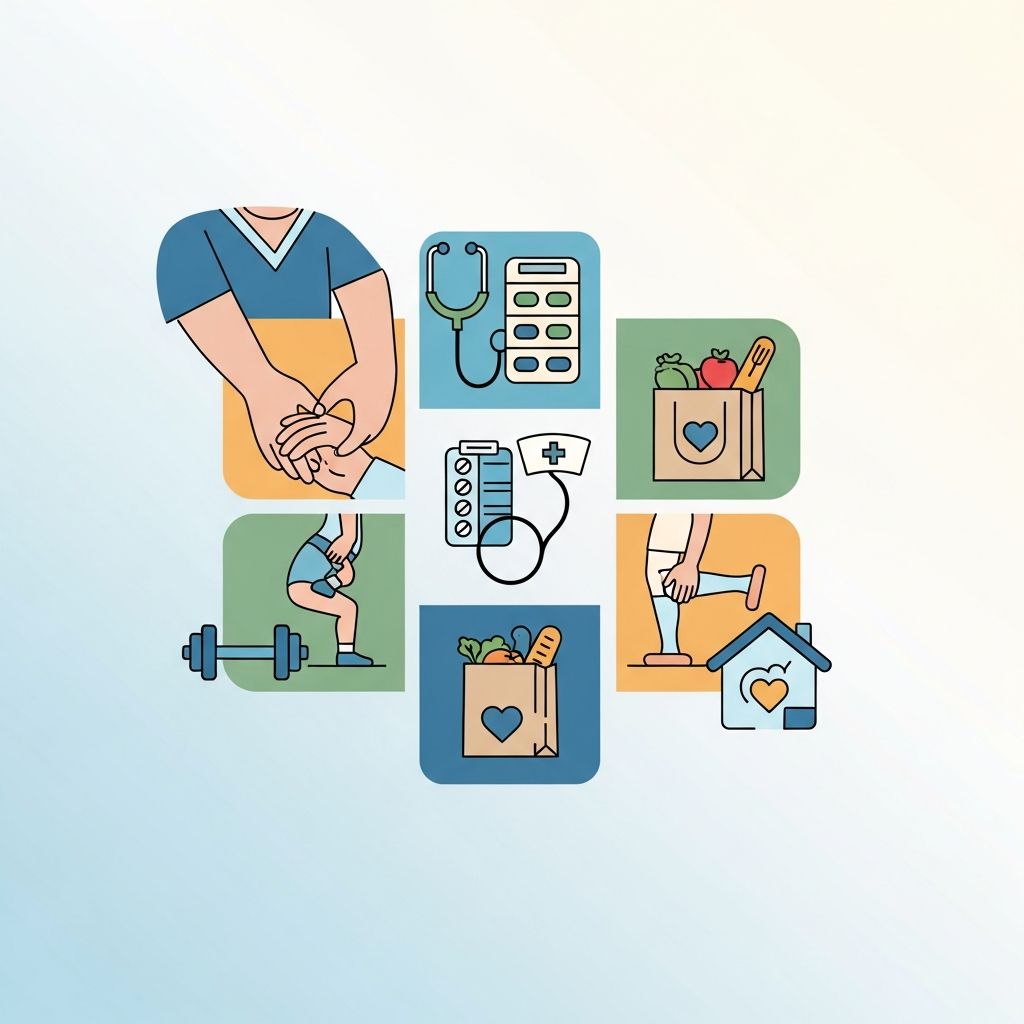
Home health care services are designed to help individuals receive the medical and non-medical support they need in the comfort of their own homes. These services range from basic assistance with daily activities to complex medical care, allowing people to maintain their independence and quality of life. Whether recovering from an illness, managing a chronic condition, or needing end-of-life care, home health care offers a wide range of options tailored to individual needs.
Personal Care and Companionship
Personal care and companionship are among the most common types of home health care services. These services focus on helping individuals with everyday activities and providing emotional support, rather than clinical treatments. Personal care is ideal for seniors or adults who need extra help but do not require ongoing medical services.
- Assistance with bathing, dressing, and grooming
- Help with toileting and incontinence care
- Meal preparation and feeding
- Light housekeeping and laundry
- Companionship and social engagement
- Medication reminders
- Transportation to appointments
This approach allows individuals to maintain independence while receiving the help they need to stay safe and comfortable. Companionship services also help reduce feelings of loneliness and isolation, which can be common among older adults.
Skilled Nursing Care
Skilled nursing care involves medically necessary treatments provided by licensed professionals. This type of care is often needed for individuals recovering from surgery, illness, or injury, or those managing chronic health conditions. Skilled nursing care is typically ordered by a physician and may be covered by insurance.
- Monitoring vital signs and health status
- Administering medications
- Wound care and dressing changes
- Diabetes management and education
- Pain management
- Respiratory care
- Dementia care
- Education for patients and caregivers
Skilled nursing care ensures that individuals receive the appropriate medical attention and support to manage their health conditions effectively at home.
Therapy Services
Therapy services are an essential component of home health care, helping individuals recover from injuries, manage chronic conditions, and maintain their independence. These services are provided by licensed therapists and may be part of a broader care plan.
- Physical therapy to improve mobility and strength
- Occupational therapy to enhance daily living skills
- Speech-language pathology to address communication and swallowing difficulties
- Respiratory therapy for individuals with breathing issues
Therapy services are tailored to the individual’s needs and goals, helping them regain or maintain their abilities and quality of life.
Medical Social Services
Medical social services provide emotional and practical support to individuals and their families. Social workers help patients navigate the healthcare system, access community resources, and cope with the emotional challenges of illness or disability.
- Counseling and emotional support
- Assistance with accessing community resources
- Help with advance care planning
- Coordination of care with healthcare providers
- Support for caregivers
Medical social services play a crucial role in ensuring that individuals receive comprehensive care that addresses both their medical and emotional needs.
Related Stories



Home Health Aide Services
Home health aides provide non-medical assistance with daily activities, such as bathing, dressing, and meal preparation. These services are often provided in conjunction with skilled nursing care and are typically covered by insurance when part of a broader care plan.
- Assistance with personal care tasks
- Light housekeeping
- Meal preparation
- Medication reminders
- Companionship
Home health aides help individuals maintain their independence and quality of life while receiving the support they need.
Hospice and Palliative Care
Hospice and palliative care provide compassionate support for individuals with life-limiting illnesses. These services focus on comfort, dignity, and symptom management, allowing patients to remain at home with their families.
- Pain and symptom management
- Emotional and spiritual support
- Assistance with advance care planning
- Support for caregivers
- Coordination of care with healthcare providers
Hospice care is designed for individuals with a prognosis of six months or less, while palliative care can be provided at any stage of a serious illness, alongside curative treatment.
Supportive Services
Supportive services include a range of non-medical assistance that helps individuals live independently at home. These services are not covered by insurance but can make a significant difference in quality of life.
- Homemaker services (shopping, cleaning, laundry)
- Meal delivery
- Transportation to appointments
- Respite care for caregivers
- Companionship
Supportive services help individuals and their families manage the challenges of daily life, allowing them to focus on health and well-being.
How Home Health Care Works
The process of receiving home health care begins with an assessment of the individual’s needs, preferences, and goals. A nurse or care coordinator will visit the home to evaluate the situation and recommend a customized care plan. Services can be scheduled as needed, from a few hours a week to 24-hour live-in care.
- Assessment of needs and preferences
- Development of a customized care plan
- Scheduling of services
- Supervision and coordination of care
- Regular review and adjustment of the care plan
Home health care agencies handle scheduling, supervision, and caregiver matching, ensuring that individuals receive the appropriate level of support.
What Do Home Care Providers Do?
Home care providers play a vital role in supporting individuals and their families. Their responsibilities include:
- Assisting with activities of daily living (ADLs) and instrumental activities (IADLs)
- Delivering skilled nursing and therapeutic services
- Offering companionship and emotional support
- Helping manage medications and monitor health conditions
- Coordinating care with physicians and specialists
Home care providers ensure that individuals receive comprehensive, personalized support that meets their unique needs.
Frequently Asked Questions (FAQs)
What is the difference between personal care and skilled nursing care?
Personal care focuses on helping with daily activities and providing companionship, while skilled nursing care involves medically necessary treatments provided by licensed professionals.
Are home health care services covered by insurance?
Many home health care services are covered by insurance, including Medicare, when ordered by a physician and meeting eligibility criteria. Non-medical services may not be covered.
How do I choose the right type of home health care?
Choosing the right type of care starts with an assessment of medical needs, personal preferences, and daily challenges. A care coordinator can help develop a customized plan.
Can home health care services be provided 24/7?
Yes, some home health care services, such as private duty nursing, can be provided 24/7 for individuals with complex medical needs.
What is the role of a home health aide?
A home health aide provides non-medical assistance with daily activities, such as bathing, dressing, and meal preparation, often in conjunction with skilled nursing care.
References
- Types of Home Care – Medical, Non-Medical & Specialty — CARE Homecare. 2023. https://carehomecare.com/types-of-home-care/
- Home Healthcare Overview — University of Rochester Medical Center. 2023. https://www.urmc.rochester.edu/encyclopedia/content?contenttypeid=85&contentid=P00611
- Understanding Home Health Care: A Complete Guide — Brooks Rehabilitation. 2023. https://brooksrehab.org/resources/how-home-health-care-works/
Similar Articles








Read full bio of medha deb