Types Of Insomnia: Expert Guide To Causes, Symptoms, Treatments
Explore the different types of insomnia, from acute to chronic, and understand causes, symptoms, and treatments for better sleep.
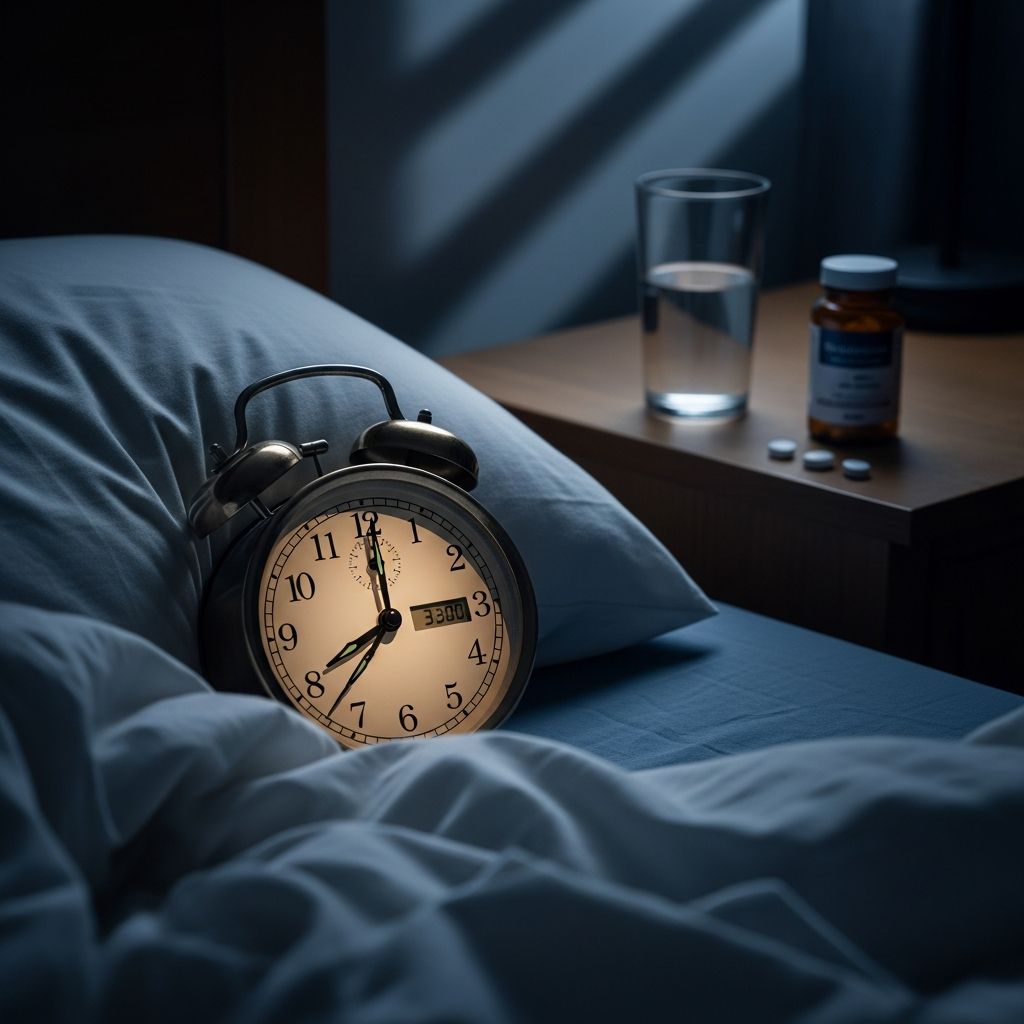
Insomnia is a common sleep disorder characterized by difficulty falling asleep, staying asleep, or experiencing restorative sleep, leading to daytime impairments. Affecting millions worldwide, it manifests in various forms, each with distinct causes, durations, and treatments. Understanding these
types of insomnia
is crucial for effective management and improving overall health.What Is Insomnia?
Insomnia occurs when individuals struggle with sleep despite adequate opportunities, resulting in fatigue, mood disturbances, and reduced cognitive function. It can be transient or persistent, often linked to stress, medical conditions, or lifestyle factors. According to health authorities, insomnia impacts up to 30% of adults annually in its acute form.
Primary vs. Secondary Insomnia
Insomnia is broadly classified into
primary
andsecondary
types. Primary insomnia is a standalone sleep disorder not linked to other medical issues, often idiopathic or psychophysiologic in nature. It involves heightened arousal preventing sleep onset or maintenance. In contrast, secondary insomnia arises as a symptom of underlying conditions like neurological disorders (e.g., Alzheimer’s, Parkinson’s), chronic pain (e.g., arthritis), respiratory issues (e.g., asthma, sleep apnea), hormonal imbalances (e.g., thyroid problems), or gastrointestinal disorders (e.g., heartburn).Secondary insomnia can be acute or chronic and is prevalent in women due to menstrual cycles, pregnancy, perimenopause, or menopause, where hormonal shifts cause disruptions like hot flashes.
Acute Insomnia
**Acute insomnia**, also known as adjustment insomnia, is short-term, lasting from one night to about three weeks, typically 3 to 14 days. It affects up to 30% of the population yearly and is triggered by stressful life events such as job loss, bereavement, or major changes. Symptoms include difficulty initiating sleep amid racing thoughts. While usually self-resolving, persistent cases may evolve into chronic forms if stressors linger.
- Common triggers: Death of a loved one, divorce, new job, or financial stress.
- Prevalence: Most common type, resolving without intervention in many cases.
Chronic Insomnia
**Chronic insomnia** is defined as sleep difficulties occurring at least three nights per week for three months or longer, impacting about 10% of adults. It can be primary (idiopathic, no clear cause) or secondary (comorbid with other conditions). Primary chronic insomnia develops independently, possibly due to genetic factors, while secondary links to chronic illnesses like diabetes, Parkinson’s, hyperthyroidism, sleep apnea, depression, anxiety, PTSD, or medications such as antidepressants and beta-blockers.
Lifestyle contributors include caffeine, alcohol, nicotine, shift work, jet lag, and napping. Chronic insomnia heightens risks for mental health issues and requires professional evaluation.
| Type | Duration | Prevalence | Common Causes |
|---|---|---|---|
| Acute | Days to weeks | Up to 30% | Stressful events |
| Chronic (Primary) | ≥3 months | ~10% | Idiopathic |
| Chronic (Secondary) | ≥3 months | Common | Medical/mental conditions |
Onset Insomnia (Sleep Onset or Initial Insomnia)
**Onset insomnia** involves prolonged difficulty falling asleep, often exceeding 30 minutes, without issues in maintenance. Linked to psychological factors like anxiety, stress, or depression, it may co-occur with restless legs syndrome or periodic limb movements. Stimulants like caffeine exacerbate it. Population prevalence is around 1-2% for psychophysiologic subtypes.
Related Stories



- Symptoms: Lying awake ruminating, delayed sleep phase.
- Treatment: Cognitive behavioral therapy for insomnia (CBT-I), sleep hygiene.
Maintenance Insomnia (Sleep Maintenance or Middle Insomnia)
**Maintenance insomnia** features frequent awakenings or trouble resuming sleep after waking, creating worry cycles. Causes include depression, GERD, sleep apnea, asthma, restless legs syndrome, or pain conditions. Early morning awakenings without return to sleep define terminal insomnia subtypes.
This type perpetuates via physiological and behavioral factors, with clinic prevalence of 12-15% for psychophysiologic cases.
Behavioral Insomnia of Childhood (BIC)
**Behavioral insomnia of childhood** affects up to 30% of children under five, divided into three subtypes:
- Sleep-onset BIC: Dependency on rocking, parental presence, or routines to fall asleep.
- Limit-setting BIC: Bedtime resistance, stalling tactics like requests for water or stories, common in toddlers.
- Sleep-onset association BIC: Reliance on specific conditions (e.g., feeding) for sleep initiation, leading to night wakings.
These behaviors stem from inconsistent routines and resolve with structured interventions.
Other Types of Insomnia
Beyond core classifications, specialized types include:
- Paradoxical insomnia: Perceived severe sleeplessness despite objective normal sleep via polysomnography (5% clinic prevalence).
- Inadequate sleep hygiene insomnia: Perpetuated by poor habits like irregular schedules (1-2% prevalence).
- Physiological insomnia: Driven by organic factors like circadian dysregulation.
- Insomnia NOS: Unspecified perpetuating factors.
- Idiopathic insomnia: Rare lifelong form (<10% clinics).
Historical terms like initial, middle, and terminal insomnia align with modern subtypes.
Risk Factors for Insomnia
Certain groups face higher risks:
- Women: Hormonal fluctuations in menstrual cycles, pregnancy (third trimester), perimenopause/menopause.
- Older adults: Age-related sleep fragmentation (agrypnia senilis analog).
- Shift workers/travelers: Circadian disruptions.
- Mental health patients: 3% prevalence due to illness.
Diagnosis and When to See a Doctor
Diagnosis involves sleep history, diaries, actigraphy, or polysomnography to rule out disorders. Seek help if insomnia persists over weeks, impairs daily function, or accompanies symptoms like snoring (apnea risk). Early intervention prevents chronicity.
Treatment Options
Treatments target underlying causes:
- CBT-I: Gold standard for chronic insomnia, addressing thoughts/behaviors.
- Sleep hygiene: Consistent schedules, limit screens/caffeine.
- Medications: Short-term hypnotics, managed carefully.
- Addressing comorbidities: Treat apnea, pain, or anxiety.
For children, behavioral strategies like bedtime fading work effectively.
Frequently Asked Questions (FAQs)
What is the most common type of insomnia?
Acute insomnia is the most prevalent, affecting up to 30% annually due to stress.
How long does acute insomnia last?
Typically 3 to 14 days, resolving with stressor removal.
Can insomnia be cured in children?
Yes, behavioral insomnia of childhood responds well to consistent routines and limit-setting.
Is primary insomnia genetic?
Idiopathic primary insomnia may involve genetic predispositions.
Does caffeine cause all onset insomnia?
No, but it worsens it; psychological factors are primary.
Mastering the
types of insomnia
empowers better sleep strategies. Persistent issues warrant medical consultation for tailored care.References
- Insomnia — Office on Women’s Health. 2023. https://womenshealth.gov/a-z-topics/insomnia
- Types of Insomnia — University of Pennsylvania, Center for Sleep. 2020. https://www.med.upenn.edu/cbti/assets/user-content/documents/TypesofInsomniaPGandMP.pdf
- Different Types of Insomnia Explained — Healthline. 2023-10-12. https://www.healthline.com/health/types-of-insomnia
- Insomnia: What It Is, Causes, Symptoms & Treatment — Cleveland Clinic. 2023-11-09. https://my.clevelandclinic.org/health/diseases/12119-insomnia
Similar Articles








Read full bio of medha deb