Types Of Massage Therapy: 12 Techniques, Benefits, Uses
Discover 12 essential types of massage therapy, their unique techniques, benefits, and best uses for pain relief, relaxation, and recovery.
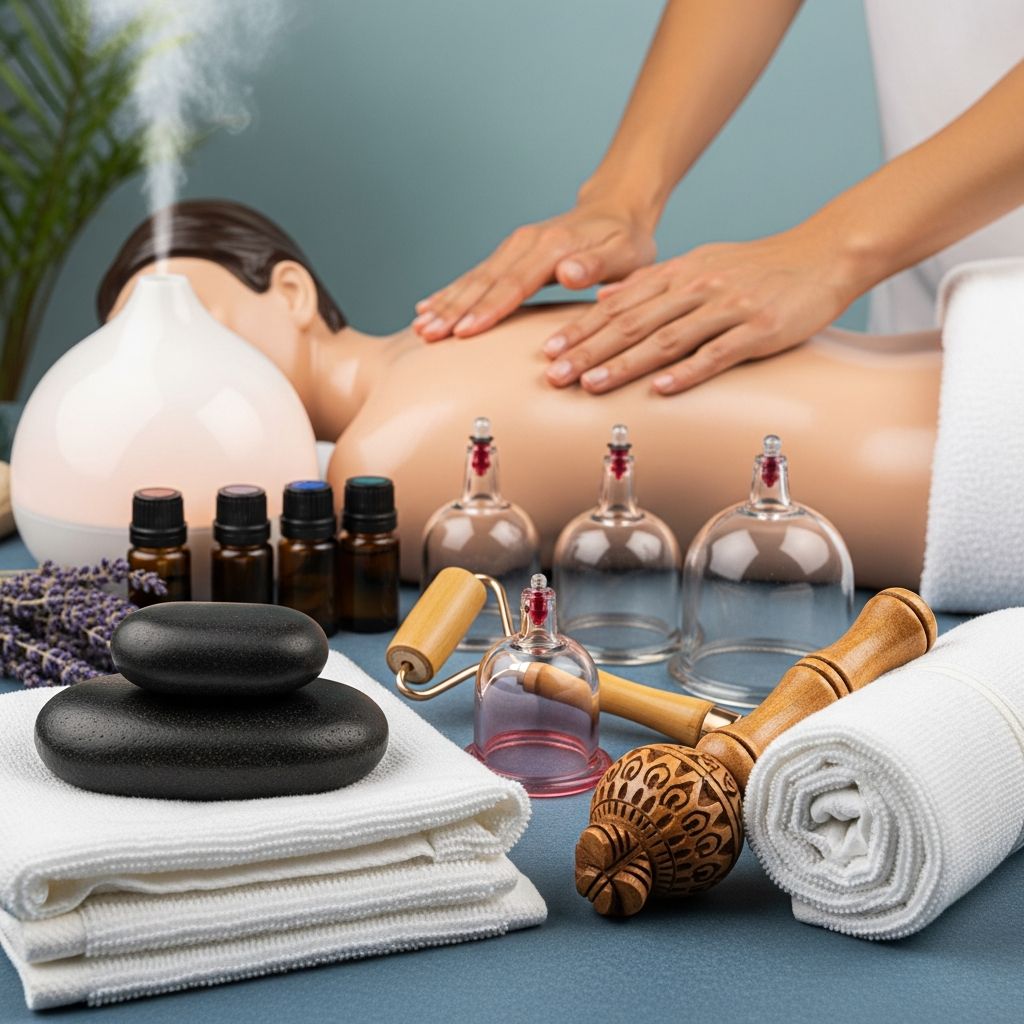
Massage therapy encompasses a wide array of techniques designed to alleviate pain, reduce stress, improve circulation, and enhance overall well-being. With roots in ancient healing practices, modern massage has evolved into specialized forms tailored to specific health needs. Whether you’re seeking relief from chronic pain, recovery from injury, or simple relaxation, understanding the different types of massage can help you choose the right one. This comprehensive guide covers 12 popular types, their methods, benefits, and ideal applications, drawing from expert recommendations and clinical insights.
What Is Massage Therapy?
Massage therapy involves the manipulation of soft tissues in the body, including muscles, tendons, ligaments, and fascia, to promote healing and relaxation. Therapists use their hands, elbows, forearms, or specialized tools to apply varying degrees of pressure and movement. According to physical therapy experts, massage can address issues like muscle tension, poor posture, and inflammation by improving blood flow, reducing adhesions, and releasing endorphins—the body’s natural painkillers.
Common goals of massage include pain management, stress reduction, enhanced mobility, and injury prevention. Sessions typically last 30 to 90 minutes, and the choice of technique depends on your condition, tolerance for pressure, and objectives. Always consult a healthcare provider before starting massage for medical conditions.
12 Types of Massage Therapy to Try
Here are 12 effective types of massage therapy, each with distinct techniques and benefits. Select based on your symptoms for optimal results.
1. Swedish Massage
The most popular and gentle form of massage,
Swedish massage
uses long, gliding strokes (effleurage), kneading (petrissage), friction, and tapping to relax muscles and improve circulation. It’s ideal for beginners or those seeking overall relaxation. Research indicates it can alleviate pain in people with rheumatoid arthritis and lower back issues by increasing blood flow and reducing tension. Benefits include stress relief, better sleep, and mild pain reduction. Best for: General wellness, anxiety, and introductory sessions. Sessions often use light to medium pressure.2. Deep Tissue Massage
**Deep tissue massage** targets the deeper layers of muscle and connective tissue using slow, firm strokes and sustained pressure. It breaks up scar tissue and chronic muscle knots, making it effective for chronic pain like backaches or sports injuries. While it may cause some discomfort during the session, it provides lasting relief by improving mobility and reducing stiffness. Experts recommend it for those with high pain tolerance. Benefits: Relieves chronic tension, enhances range of motion. Best for: Persistent muscle pain, postural issues.
3. Trigger Point Massage
This technique focuses on
trigger points
—tight knots in muscles that cause referred pain elsewhere in the body. Therapists apply direct, sustained pressure to these points until they release, often combining with stretching. It’s particularly helpful for headaches, overuse injuries, and tension from stress. By deactivating these points, it restores muscle function and reduces pain cycles. Benefits: Pain relief in distant areas, improved posture. Best for: Tension headaches, repetitive strain.4. Myofascial Release
**Myofascial release** addresses restrictions in the fascia, the web-like connective tissue surrounding muscles. Using gentle, sustained pressure and stretching, therapists help elongate and mobilize fascia, reducing pain from tightness. It’s non-invasive and suitable for chronic pain syndromes like fibromyalgia. Benefits: Increases flexibility, eases widespread discomfort. Best for: Fibromyalgia, postural pain.
5. Sports Massage
Designed for athletes,
sports massage
combines deep tissue techniques with stretches to target muscles used in specific activities, like runners’ legs or swimmers’ shoulders. It prevents injuries by enhancing flexibility and blood flow while aiding recovery post-exercise. Pre-event sessions energize; post-event ones reduce soreness. Benefits: Injury prevention, faster recovery. Best for: Active individuals, workout recovery.Related Stories



6. Shiatsu Massage
Originating from Japan,
Shiatsu
(meaning ‘finger pressure’) applies rhythmic pressure to acupressure points using fingers, thumbs, and palms. Performed on a mat with clothes on, it balances the body’s energy (qi), improving circulation and reducing stress. It’s gentle yet effective for digestive issues and fatigue. Benefits: Stress reduction, better sleep, energy balance. Best for: Stress, insomnia.7. Lymphatic Drainage Massage
This light, rhythmic technique stimulates the
lymphatic system
to remove toxins, reduce swelling, and boost immunity. Therapists use gentle strokes to direct lymph fluid toward nodes, aiding post-surgery recovery or lymphedema management. Certified therapists are essential for medical applications. Benefits: Reduces edema, supports detoxification. Best for: Post-op swelling, lymphedema.8. Craniosacral Massage
**Craniosacral therapy** gently manipulates the bones of the skull, spine, and sacrum to release tensions in the craniosacral system, which influences cerebrospinal fluid flow. It’s subtle and non-invasive, ideal for headaches, TMJ issues, and concussions. Benefits: Relieves migraines, improves nervous system function. Best for: Head/neck pain, stress-related disorders.
9. Hot Stone Massage
In
hot stone massage
, heated basalt stones are placed on key points or used for strokes to deepen relaxation and muscle penetration. The warmth dilates blood vessels, promoting detoxification and easing tight muscles. Cold stones may follow for inflammation. Benefits: Deep relaxation, arthritis relief. Best for: Chronic tension, poor circulation.10. Thai Massage
**Thai massage**, or ‘Thai yoga massage,’ involves stretching, acupressure, and yoga-like poses guided by the therapist. Performed clothed on a mat, it improves flexibility and energy flow. It’s energizing yet therapeutic for back pain. Benefits: Enhanced mobility, vitality. Best for: Flexibility issues, fatigue.
11. Reflexology
**Reflexology** targets reflex points on feet, hands, and ears corresponding to body organs. Thumb pressure stimulates these zones to promote healing. It’s relaxing and non-invasive. Benefits: Organ function support, stress relief. Best for: Digestive problems, overall balance.
12. Aromatherapy Massage
Combining Swedish techniques with essential oils,
aromatherapy massage
enhances mood and physical benefits via scent inhalation and skin absorption. Lavender calms; peppermint invigorates. Benefits: Emotional well-being, pain modulation. Best for: Anxiety, mild pain.Types of Massage for Different Needs
- For pain relief: Deep tissue, trigger point, myofascial release.
- For relaxation: Swedish, Shiatsu, aromatherapy.
- For recovery: Sports, lymphatic drainage.
- For headaches/neck pain: Craniosacral, trigger point.
How to Choose the Right Massage
Consider your goals, pain tolerance, and health history. Communicate preferences to your therapist. For chronic issues, pair with physical therapy. Frequency: Weekly for acute needs; monthly for maintenance.
| Massage Type | Pressure Level | Best For |
|---|---|---|
| Swedish | Light-Medium | Relaxation |
| Deep Tissue | Deep | Pain/Chronic Tension |
| Lymphatic | Light | Swelling |
| Sports | Medium-Deep | Athletes |
Frequently Asked Questions (FAQs)
What is the best massage for back pain?
Deep tissue or Swedish massage effectively targets back pain by releasing tension and improving mobility.
Is deep tissue massage painful?
It can be uncomfortable but should not be excessively painful; communicate with your therapist.
How often should I get a massage?
Depends on needs: 1-4 times monthly for maintenance or relief.
Can massage help with anxiety?
Yes, Swedish and Shiatsu reduce stress hormones and promote relaxation.
Who should avoid certain massages?
Pregnant individuals, those with blood clots, or recent injuries should consult a doctor.
References
- 8 Types of Massage Therapy to Try for Pain Relief and Recovery — Hinge Health. 2023. https://www.hingehealth.com/resources/articles/types-of-massage-therapy/
- Massage Therapy: What You Need To Know — National Center for Complementary and Integrative Health (NCCIH), NIH. 2022-07-11. https://www.nccih.nih.gov/health/massage-therapy-what-you-need-to-know
- Types of Massage — American Massage Therapy Association (AMTA). 2024. https://www.amtamassage.org/resources/types-of-massage/
- Effectiveness of Massage Therapy — Mayo Clinic. 2023-05-01. https://www.mayoclinic.org/tests-procedures/massage-therapy/about/pac-20384595
- Manual Lymphatic Drainage — Cleveland Clinic. 2024-02-20. https://my.clevelandclinic.org/health/treatments/21768-lymphatic-drainage-massage
Similar Articles








Read full bio of medha deb