Types Of Meningitis: 5 Key Causes, Symptoms, And Treatment
Understand the different types of meningitis, their causes, symptoms, treatments, and prevention strategies to protect yourself and loved ones.
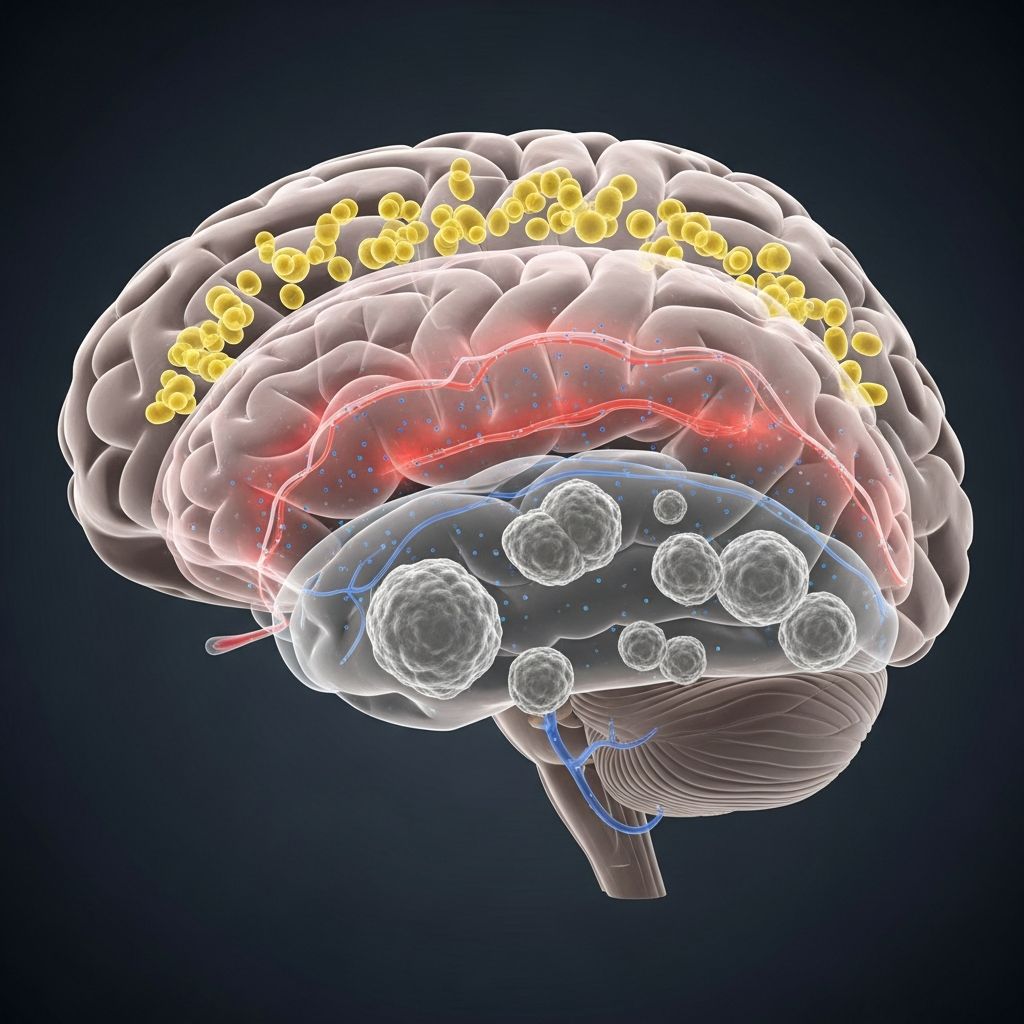
Meningitis is inflammation of the meninges, the protective membranes covering the brain and spinal cord. It can be life-threatening and requires immediate medical attention. There are five primary types: bacterial, viral, fungal, parasitic, and non-infectious, each with distinct causes, symptoms, and outcomes.
What Is Meningitis?
Meningitis occurs when these meninges become inflamed, often due to infection. While bacterial forms are the most severe, all types demand prompt diagnosis. Globally, meningitis kills over 250,000 people annually, with the highest burden in Africa’s ‘meningitis belt’. The condition affects people of all ages, but newborns, children, and immunocompromised individuals are at highest risk.
Bacterial Meningitis
**Bacterial meningitis** is the most dangerous type, potentially fatal within hours without treatment. It spreads via respiratory droplets and can lead to sepsis, brain damage, or death. Common pathogens include Neisseria meningitidis (meningococcus), Streptococcus pneumoniae (pneumococcus), Haemophilus influenzae type b (Hib), Streptococcus agalactiae (group B strep), and Listeria monocytogenes.
- Who’s at risk? Infants, adolescents, and those in crowded settings like dorms or military barracks. Immunocompromised adults face higher pneumococcus risk.
- Symptoms: Sudden high fever, severe headache, stiff neck, confusion, photophobia, nausea, vomiting, seizures. Infants may show irritability, poor feeding, bulging fontanelle. Meningococcal cases often feature a non-blanching rash.
- Treatment: Immediate IV antibiotics like ceftriaxone or penicillin, plus corticosteroids to reduce inflammation. Hospitalization in ICU is common. Case fatality: 10-15% overall; up to 50% for Listeria.
Prognosis varies; survivors may suffer hearing loss, cognitive issues, or limb amputations from sepsis.
Viral Meningitis
**Viral meningitis**, also called aseptic meningitis, is the most common form and generally milder. It’s caused by enteroviruses (e.g., coxsackievirus, echovirus), herpesviruses, mumps, measles, or arboviruses like West Nile. Unlike bacterial, it rarely causes death but can lead to encephalitis.
- Transmission: Fecal-oral route, respiratory secretions, or mosquito bites. Peaks in summer.
- Symptoms: Fever, headache, neck stiffness, fatigue. Symptoms resolve in 7-10 days without antibiotics.
- Treatment: Supportive care: rest, hydration, pain relievers. Antivirals for herpes simplex or specific cases.
Complications are rare but include chronic fatigue or neurological deficits in severe instances.
Fungal Meningitis
**Fungal meningitis** is rare, affecting mainly immunocompromised people (HIV/AIDS, cancer patients, transplant recipients, or those on long-term steroids). Key fungi: Cryptococcus neoformans, Coccidioides, Aspergillus, Candida. It’s often chronic and insidious.
- Risk factors: HIV (especially low CD4 counts), diabetes, contaminated steroid injections (outbreaks reported).
- Symptoms: Gradual headache, fever, altered mental status, vision changes. Progresses to coma if untreated.
- Treatment: Long-term antifungals like IV amphotericin B plus flucytosine for cryptococcal, then oral fluconazole. Therapy lasts months; mortality 20-30%.
Diagnosis via lumbar puncture showing yeast forms in CSF.
Parasitic Meningitis
**Parasitic meningitis** is uncommon, caused by parasites like free-living amoebae (Naegleria fowleri from warm freshwater, Acanthamoeba), or helminths. Naegleria (brain-eating amoeba) enters via nose during swimming, causing primary amoebic meningoencephalitis (PAM)—nearly always fatal.
- Risk: Healthy individuals exposed to contaminated water. Rare globally, ~0-8 U.S. cases yearly.
- Symptoms: Rapid onset: fever, headache, nausea, stiff neck, seizures, coma within days.
- Treatment: Experimental: miltefosine, amphotericin B, rifampin. Survival <5%.
Related Stories



Prevention: Avoid nasal water entry in warm lakes.
Non-Infectious Meningitis
**Non-infectious (aseptic) meningitis** arises from non-microbial causes like cancers, drugs (NSAIDs, antibiotics), autoimmune diseases (lupus), or injuries. It’s diagnosed after ruling out infections.
- Causes: Leukemia/lymphoma spread, chemotherapy, head trauma, surgeries.
- Symptoms: Similar to infectious: headache, fever, neck pain, but often milder.
- Treatment: Address underlying cause; steroids for inflammation. Prognosis tied to root issue.
Symptoms of Meningitis Across Types
Core symptoms: fever, headache, neck stiffness (nuchal rigidity), photophobia, phonophobia, confusion. Kernig’s/Brudzinski’s signs indicate meningeal irritation. Infants: high-pitched cry, lethargy, fontanelle bulge. Sepsis adds mottled skin, hypotension.
| Type | Onset | Key Signs | Severity |
|---|---|---|---|
| Bacterial | Rapid (hours-days) | Rash, shock | High |
| Viral | Gradual | Mild fever | Low |
| Fungal | Weeks | Subtle | Medium-High |
| Parasitic | Rapid | Encephalitis | Extreme |
| Non-Infectious | Variable | Cause-specific | Variable |
Diagnosis
Lumbar puncture (spinal tap) is gold standard: analyzes CSF for cells, glucose, protein, pathogens via Gram stain, culture, PCR. Blood cultures, CT/MRI for complications. In bacterial cases, low glucose/high neutrophils confirm.
Treatment Overview
Bacterial: Empiric antibiotics (ceftriaxone + vancomycin) before ID confirmation. Viral: Supportive. Fungal/Parasitic: Specific antimicrobials. All: IV fluids, fever control, seizure management.
Prevention and Vaccines
Vaccines prevent many bacterial cases: MenACWY (meningococcus), MenB, PCV13/PPSV23 (pneumococcus), Hib. Maternal GBS vaccines in trials. Prophylaxis (rifampin/ciprofloxacin) for meningococcal contacts.
- Routine: Infants get Hib, PCV at 2/4/6 months.
- Adolescents: MenACWY at 11-12 years.
- Travelers: To meningitis belt, get MenACWY/Men5CV.
Hygiene, avoiding crowds, safe water reduce risk.
Complications and Long-Term Effects
Survivors risk hearing loss (20%), vision/hearing impairment, learning disabilities, epilepsy, behavioral issues. 1 in 5 bacterial cases fatal; others have sequelae.
Frequently Asked Questions (FAQs)
What are the first signs of meningitis?
Sudden fever, intense headache, neck stiffness, confusion. Seek ER immediately.
Is meningitis contagious?
Bacterial yes (close contact); viral somewhat; fungal/parasitic no.
Can you survive bacterial meningitis?
Yes, with prompt antibiotics; fatality 10-15%, but early treatment key.
Do adults need meningitis vaccines?
Yes, especially college students, travelers, asplenic/immunocompromised.
How is meningitis diagnosed?
Lumbar puncture for CSF analysis, plus imaging/blood tests.
References
- Meningitis — World Health Organization. 2023-04-25. https://www.who.int/news-room/fact-sheets/detail/meningitis
- Meningitis — StatPearls, NCBI Bookshelf, National Library of Medicine. 2023-07-17. https://www.ncbi.nlm.nih.gov/books/NBK459360/
Similar Articles








Read full bio of Sneha Tete