Types of Mouth Guards & How They Protect Your Teeth
Comprehensive guide to mouth guards: types, benefits, care, and protection for dental health.
Understanding Mouth Guards: Protection and Purpose
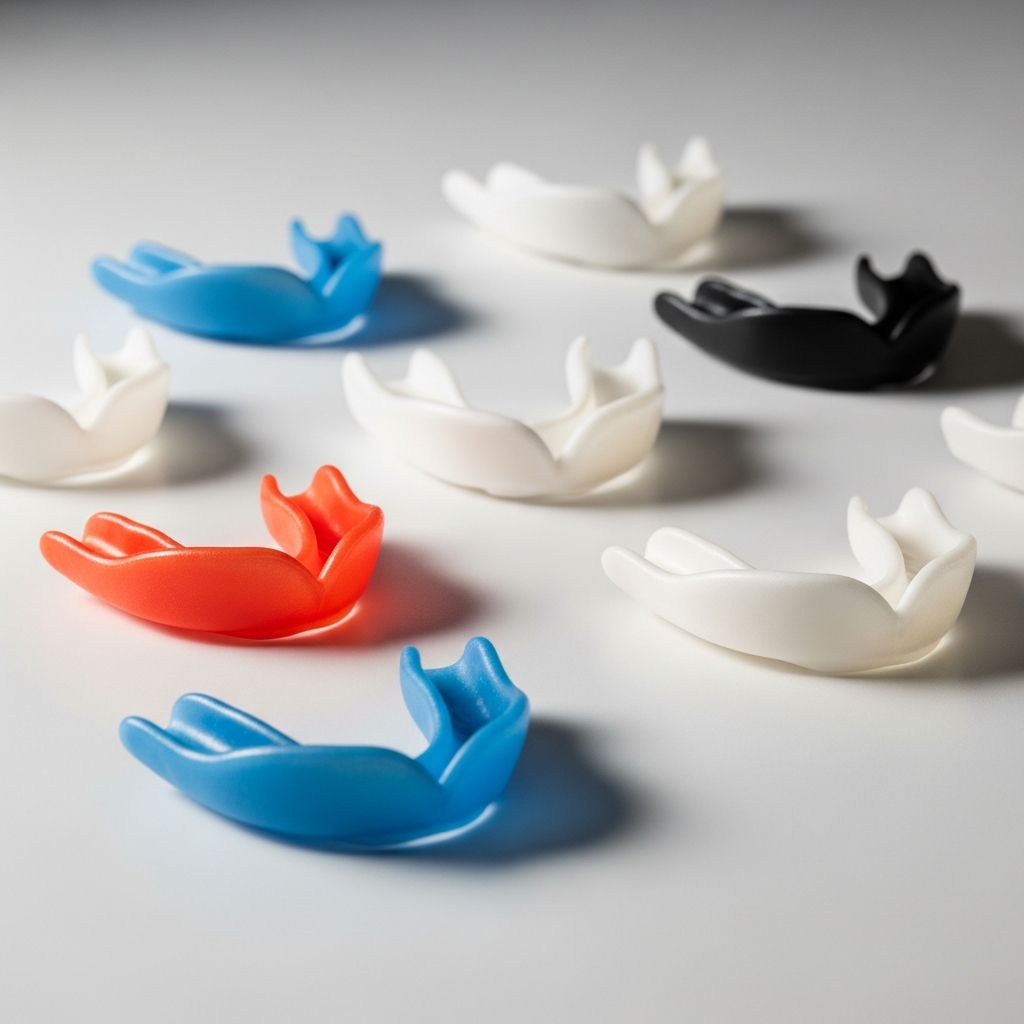
Mouth guards are essential dental appliances designed to cover and protect your teeth from various threats and conditions. These versatile devices serve multiple purposes, ranging from protecting your mouth during sports-related activities to treating conditions like teeth grinding and sleep apnea. Whether you are an athlete, someone dealing with nocturnal teeth grinding, or an individual seeking to improve sleep quality, mouth guards offer practical solutions. Both children and adults can benefit significantly from using mouth guards, making them an important consideration in comprehensive oral health care.
Dentists commonly recommend mouth guards for numerous reasons, and understanding these applications can help you determine whether you need one. The primary focus of a mouth guard is to provide protection and comfort while addressing specific dental health concerns. Most mouth guards are designed to fit over your upper teeth, though in some instances, your dentist may recommend wearing one on your lower teeth as well for optimal protection.
When You Need a Mouth Guard
There are several situations where a dentist may recommend that you wear a mouth guard. Understanding these scenarios can help you make informed decisions about your oral health care:
- Playing contact sports such as football, basketball, hockey, or rugby
- Engaging in activities like skateboarding, biking, or martial arts
- Experiencing teeth grinding (bruxism) during sleep
- Suffering from snoring or sleep apnea symptoms
- Having a history of jaw injuries or temporomandibular joint (TMJ) disorders
- Wearing braces or having dental implants that need protection
Types of Mouth Guards
Mouth guards come in various types, each designed to address specific needs and purposes. Understanding the different categories can help you and your dentist select the most appropriate option for your situation.
Sport Protection Mouth Guards
Sport protection mouth guards are specifically designed to shield your teeth and jaw from impact injuries during athletic activities. These guards are essential for anyone participating in contact sports or high-impact physical activities. They help cushion blows to the mouth and distribute force across a wider area, reducing the risk of broken teeth, jaw fractures, and soft tissue injuries. The fit and comfort of a sports mouth guard are crucial, as an ill-fitting guard can impede breathing and speech during athletic performance.
Sleep-Related Mouth Guards
Sleep-related mouth guards serve a different purpose than sports guards. These devices are worn during sleep to address conditions such as bruxism (teeth grinding), snoring, and sleep apnea. Designed to be comfortable for extended wear throughout the night, these guards work by positioning the jaw in a way that promotes better airflow and reduces grinding forces. They are particularly useful for individuals who experience nighttime teeth grinding, which can lead to significant dental wear, jaw pain, and sleep disruption.
Combination Mouth Guards
Some individuals may benefit from combination mouth guards that serve dual purposes. These specialized guards are designed to provide both sports protection and treatment for sleep-related conditions, though most people use sport-specific or sleep-specific guards depending on their primary need.
Related Stories



Store-Bought vs. Custom-Made Mouth Guards
When selecting a mouth guard, you have two primary options: store-bought guards and custom-made ones. Each option has distinct advantages and considerations.
| Feature | Store-Bought Mouth Guards | Custom-Made Mouth Guards |
|---|---|---|
| Cost | Less expensive, typically $20-50 | More expensive, typically $200-500 |
| Fit | Generic fit, may require boiling to adjust | Precisely fitted to your dental anatomy |
| Comfort | May cause soreness or discomfort initially | Generally more comfortable for extended wear |
| Durability | Less durable, requires frequent replacement | Lasts several years with proper care |
| Protection Level | Adequate for basic protection | Optimal protection due to precise fit |
| Customization | Limited color and style options | Can be customized to preferences |
Getting a Custom-Made Mouth Guard
If you decide to invest in a custom-made mouth guard, the process involves several steps. First, your dentist will take detailed dental impressions of your teeth using either traditional dental putty or a modern digital handheld scanning device. These impressions are then sent to a specialized dental laboratory where skilled technicians fabricate a mouth guard that precisely matches the unique anatomy of your teeth and jaw. The fabrication process typically takes up to two weeks, after which you can pick up your custom guard and have your dentist make any final adjustments as needed.
How Often Should You Wear Your Mouth Guard?
The frequency of mouth guard use depends entirely on your specific needs and the reason you require one. If you need a mouth guard to protect your teeth during contact sports, you should wear it consistently during all practices and competitive games. This ensures maximum protection when impact risk is highest.
Conversely, if you need a mouth guard to treat teeth grinding, snoring, or sleep apnea, you will likely need to wear it every night while you sleep. Consistent nightly use is essential for these therapeutic applications to be effective. If you are uncertain about how frequently you should wear your mouth guard, consult with your healthcare provider for personalized guidance.
Benefits of Wearing a Mouth Guard
Mouth guards offer substantial protective and therapeutic benefits depending on their intended use.
Sports Protection Benefits
Wearing a mouth guard during contact sports and athletic activities can help you avoid:
- Broken or chipped teeth
- Tooth loss or displacement
- Jaw fractures or dislocations
- Cuts to lips, gums, or tongue
- Concussions and head injuries (when used with proper technique)
- Damage to dental work such as crowns or bridges
Sleep and Health Benefits
Wearing a mouth guard while you sleep can help reduce your risk for:
- Excessive tooth wear from grinding (bruxism)
- Jaw pain and temporomandibular joint disorders
- Headaches related to teeth grinding
- Sleep disruption and poor sleep quality
- Snoring and mild to moderate sleep apnea symptoms
- Gum recession and tooth sensitivity
Comfort and Fit Considerations
It can take some time to adjust to wearing a mouth guard. If you purchase one that does not fit quite right, it can cause soreness in your teeth, gums, or jaw. Generally, custom-made mouth guards are more comfortable than store-bought options because they are specifically shaped to fit your dental anatomy perfectly.
No matter what type of mouth guard you have, your dentist can check it during routine visits and make any necessary adjustments to improve fit and comfort. If you experience persistent discomfort or soreness after a reasonable adjustment period, contact your dentist for modifications.
Caring for Your Mouth Guard
Proper care and maintenance of your mouth guard will extend its lifespan and ensure it remains hygienic and effective. Mouth guards pick up bacteria from your mouth, so maintaining proper hygiene is essential.
Cleaning Your Mouth Guard
Here are recommended tips for cleaning your mouth guard:
- Clean your teeth thoroughly before putting your mouth guard in to reduce bacterial transfer
- Rinse your mouth guard with cool water after each use
- Use a soft toothbrush to gently clean the surfaces of your guard
- Soak your mouth guard in a mixture of water and mild dish soap several times per week
- Store your mouth guard in a ventilated case to allow it to dry completely
- Avoid hot water, which can warp the material
- Never use toothpaste containing abrasive whitening agents on your guard
Longevity and Replacement
The lifespan of your mouth guard depends on several factors, including frequency of use and how well you care for it. Depending on how frequently you wear your appliance, a custom-made mouth guard can last several years with proper care. However, some people may find they need a mouth guard replaced more often than that. Be sure to bring your mouth guard with you to dental checkups so your dentist can inspect it for cracks or other signs of wear.
Store-bought mouth guards are not as durable as custom-made ones. You may need to replace them a few times a year. Children and teens may need to replace mouth guards more often as their teeth and mouth grow and develop. Regular dental visits allow your dentist to monitor the condition of your guard and recommend replacement when necessary.
Mouth Guards and Existing Dental Work
Yes, mouth guards can protect existing dental restorations and appliances. In addition to protecting your natural teeth, a mouth guard can protect braces, dental implants, and other dental restorations such as crowns and bridges from damage. Custom-fitted mouth guards work best for this purpose, as they fit the unique shape of braces or implants and provide comprehensive protection. When you have braces or implants, inform your dentist so they can create a guard that accommodates these structures properly.
Insurance Coverage and Cost
Some dental health insurers cover part or all of the cost for custom-fitted mouth guards, particularly when prescribed for medical reasons such as sleep apnea or bruxism. However, health insurance policies vary significantly, so you should check directly with your provider to understand your coverage. Many dental offices also offer payment plans to help make custom mouth guards more affordable. Additionally, you can use health savings account (HSA) funds to pay for both custom-fitted and store-bought mouth guards, making them more financially accessible.
Frequently Asked Questions
Q: Can children use mouth guards?
A: Yes, children can and should use mouth guards when participating in contact sports. They benefit significantly from protection. Children and teens may need to replace their mouth guards more frequently as their teeth and mouth grow.
Q: Do mouth guards affect speech or breathing?
A: While there may be an initial adjustment period, properly fitted mouth guards should not significantly impair speech or breathing once you become accustomed to wearing them. Custom-fitted guards are less likely to cause these issues than poorly fitting store-bought guards.
Q: Can I wear a mouth guard if I have dental implants?
A: Yes, you can wear a mouth guard with dental implants. Custom-fitted mouth guards work best, as they can be specifically designed to accommodate the shape and position of your implants and provide comprehensive protection.
Q: How long does it take to get used to a mouth guard?
A: The adjustment period varies by individual, but most people become comfortable with a well-fitted mouth guard within a few days to a week of consistent use. Custom-made guards typically require less adjustment time than store-bought options.
Q: Can mouth guards prevent concussions?
A: While mouth guards provide excellent protection for teeth and jaw, their role in concussion prevention is limited. However, they are an important part of overall protective equipment during contact sports and should always be worn during athletic activities.
Q: How should I store my mouth guard when not in use?
A: Store your mouth guard in a clean, ventilated case that allows it to dry completely. Avoid storing it in airtight containers or places exposed to high heat, which can warp the material and promote bacterial growth.
When to Contact Your Healthcare Provider
You should reach out to your healthcare provider or dentist if you have:
- Questions about whether you need a mouth guard for your specific situation
- Persistent discomfort or soreness after wearing your guard for a reasonable period
- Concerns about fit or effectiveness of your current mouth guard
- Symptoms of sleep apnea, teeth grinding, or snoring that are not improving with guard use
- Visible damage, cracks, or signs of wear on your mouth guard
- Interest in obtaining a custom-fitted mouth guard for optimal protection
Conclusion
Mouth guards are valuable dental appliances that serve multiple protective and therapeutic purposes for both children and adults. Whether you need protection during sports, treatment for sleep-related conditions, or safeguarding of existing dental work, there is likely a mouth guard option suited to your needs. Working with your dentist to select the appropriate type and ensuring proper care and maintenance will maximize the benefits and longevity of your mouth guard. Taking this preventive step can protect your teeth, improve your overall oral health, and contribute to better quality of life for years to come.
References
- Types of Mouth Guards & How They Protect Your Teeth — Cleveland Clinic. 2023-01-10. https://my.clevelandclinic.org/health/treatments/10910-mouthguards
- High-tech “Intelligent Mouthguard” System Selected for Global Adoption by World Rugby — Cleveland Clinic Newsroom. 2023-10-30. https://newsroom.clevelandclinic.org/2023/10/30/high-tech-intelligent-mouthguard-system-selected-for-global-adoption-by-world-rugby
- Laboratory and On-field Data Collected by a Head Impact Monitoring Mouthguard — National Institutes of Health (NIH). 2020. https://pmc.ncbi.nlm.nih.gov/articles/PMC7592723/
Similar Articles








Read full bio of medha deb