Types of Seizures: Classification and Characteristics
Understanding seizure classification: Focal, generalized, and unknown onset seizures explained.
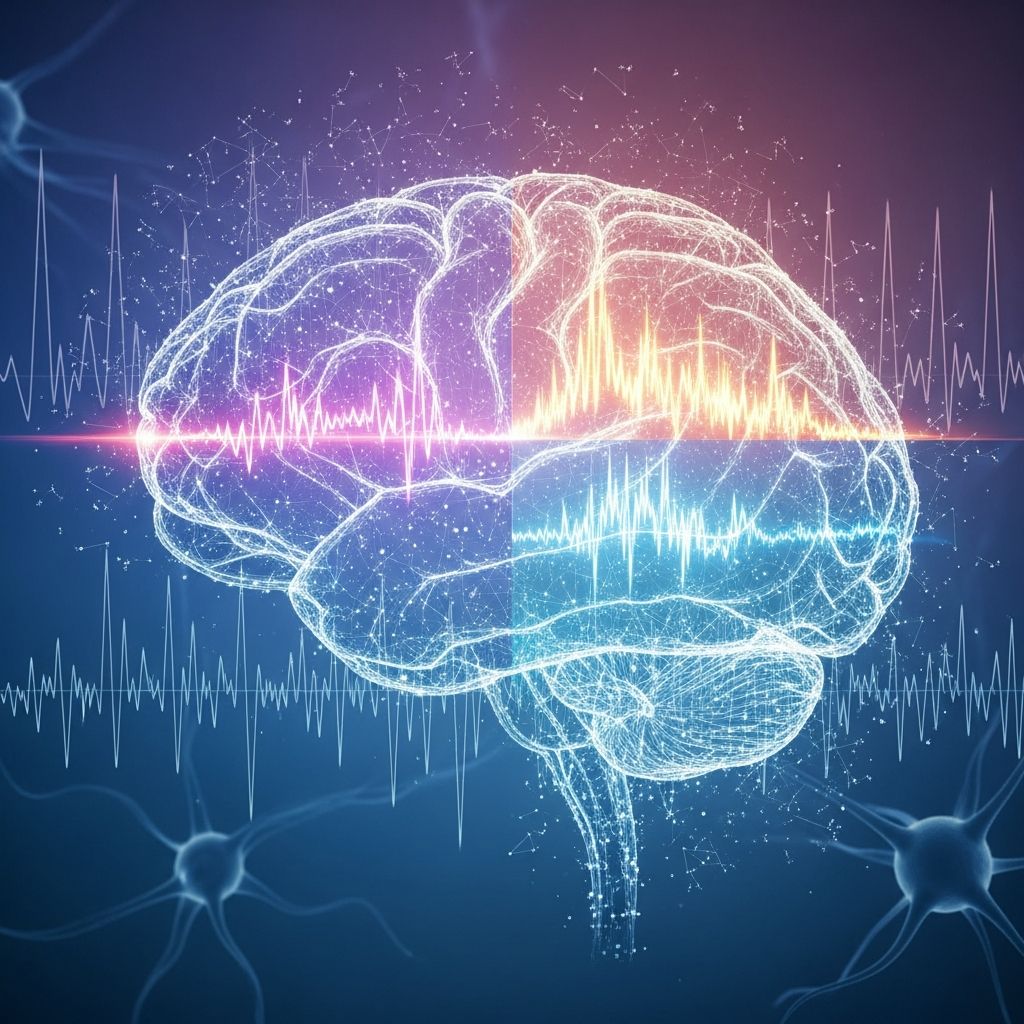
Seizures are a hallmark of epilepsy, a neurological condition affecting millions of people worldwide. To provide effective treatment and ensure patient safety, medical professionals must accurately classify and understand the different types of seizures. The International League Against Epilepsy (ILAE) has developed modern terminology that makes seizure classification more accurate, less confusing, and more descriptive of what occurs during a seizure event.
The Modern Classification System for Seizures
The evolution of seizure classification reflects advances in neurology and a deeper understanding of how seizures affect the brain. Rather than using outdated terminology, the current system focuses on three critical factors that determine seizure characteristics and guide treatment decisions. These factors help healthcare providers select the most appropriate therapy and provide patients with accurate information about their condition.
Key Factors in Seizure Classification
Modern seizure classification is based on understanding several important aspects of seizure activity. First, the onset or beginning of a seizure reveals where the seizure originates in the brain, which is crucial for determining what symptoms may occur, what other conditions might be present, how the seizure will affect the individual, and most importantly, what treatment approach will be most effective. Incorrect identification of seizure onset can lead to inappropriate treatment or the failure to offer therapies with the best chance of success.
Second, a person’s level of awareness during a seizure is critically important. Whether someone remains aware, experiences confusion, or loses consciousness tells medical professionals valuable information about the seizure type and has significant implications for safety. This distinction helps guide treatment planning and helps individuals with epilepsy make informed decisions about activities like driving.
Third, whether motor symptoms occur during a seizure provides additional classification information. Seizures with motor symptoms involve visible movement, while non-motor seizures occur without observable physical movements. This distinction, while not always necessary in general discussion, provides helpful detail when describing specific seizure experiences.
The Three Major Groups of Seizures
Modern seizure classification divides all seizures into three main categories based on their onset point in the brain. This system provides a clearer understanding of seizure origin and helps ensure that each patient receives the most appropriate medical intervention.
Generalized Onset Seizures
Generalized onset seizures affect both sides of the brain or involve groups of cells on both sides of the brain simultaneously. This classification includes seizure types that were recognized in previous classification systems, such as generalized tonic-clonic seizures, absence seizures, and atonic seizures. These seizures typically involve widespread brain activation and can affect consciousness, movement, and bodily functions across the entire brain.
Related Stories



Motor symptoms in generalized seizures may include sustained rhythmical jerking movements (clonic activity), where muscles contract and relax repeatedly; muscle weakness or limpness (atonic episodes), causing the person to suddenly fall; muscle tension or rigidity (tonic activity), where muscles become stiff and tense; brief muscle twitching (myoclonus), involving sudden involuntary jerks; or epileptic spasms, where the body flexes and extends repeatedly.
Non-motor symptoms in generalized seizures are typically called absence seizures, previously known as petit mal seizures. These include typical absence seizures and atypical absence seizures, characterized by staring spells during which the person is unaware of their surroundings. Absence seizures may also include brief muscle twitches that can affect specific body parts or just the eyelids.
Focal Onset Seizures
Focal seizures begin in one specific area or group of cells on one side of the brain. The term “focal” replaced the older term “partial” to more accurately describe the limited brain region involved in seizure initiation. Understanding that seizures start in a specific location helps neurologists precisely target treatment and determine whether surgical intervention might be beneficial.
Focal onset aware seizures occur when a person remains awake and fully aware throughout the seizure event. This terminology replaces the older classification of “simple partial seizures.” During these seizures, individuals can report what they experience, which provides valuable diagnostic information.
Focal onset impaired awareness seizures happen when a person’s awareness is affected, resulting in confusion or altered consciousness during the seizure. This classification replaces the outdated term “complex partial seizure.” People experiencing these seizures may not remember what happened and may engage in automatic behaviors they don’t consciously control.
Motor symptoms in focal seizures may include jerking movements, muscle weakness, muscle rigidity, brief muscle twitches, or epileptic spasms. Additionally, focal seizures may produce automatisms, which are repeated automatic movements performed without conscious awareness, such as hand clapping, hand rubbing, lip smacking, chewing, or running.
Non-motor symptoms in focal seizures can manifest as changes in sensation (tingling, numbness), emotional changes, alterations in thinking or cognition, autonomic nervous system changes (such as gastrointestinal sensations, waves of heat or cold, goosebumps, or heart racing), or behavior arrest where movement stops completely.
An important consideration with focal seizures is that they can spread to both sides of the brain and evolve into tonic-clonic activity, a condition called focal to bilateral tonic-clonic seizure. Individuals experiencing this seizure type typically have an aura before the tonic-clonic component begins, providing a warning sign that a more severe seizure is about to occur.
Unknown Onset Seizures
When the beginning or origin of a seizure cannot be clearly identified, it is classified as an unknown onset seizure. This classification is used in several scenarios, such as when seizures occur during sleep and are not witnessed by anyone, when seizures happen in individuals living alone with no witnesses, or when inadequate information is available to determine the seizure’s origin point.
Unknown onset seizures are subdivided into motor and non-motor types. Motor seizures in this category are described as either tonic-clonic or involving epileptic spasms. Non-motor seizures typically involve behavior arrest, meaning movement stops and the person may simply stare without making other movements.
As more diagnostic information becomes available through continued observation, video monitoring, or advanced testing, an unknown onset seizure may eventually be reclassified as either a focal or generalized onset seizure, allowing for more targeted treatment approaches.
Detailed Symptom Classification During Seizures
Understanding the specific symptoms that occur during seizures helps patients, families, and healthcare providers recognize seizure activity and take appropriate action. The modern classification system clearly delineates motor versus non-motor symptoms for each seizure category.
Motor Versus Non-Motor Seizure Symptoms
Motor seizures involve visible physical movements, while non-motor seizures occur without obvious movement. This distinction helps differentiate between different seizure types and ensures accurate diagnosis. Many seizures involve motor symptoms that are easily recognizable, but some seizures involve only internal neurological activity without external physical manifestations.
| Seizure Onset Type | Motor Symptoms | Non-Motor Symptoms |
|---|---|---|
| Generalized Onset | Clonic jerking, atonic (weak/limp muscles), tonic (rigid muscles), myoclonus (brief twitches), epileptic spasms | Typical or atypical absence seizures, staring spells, brief eyelid twitches |
| Focal Onset | Jerking, muscle weakness, muscle rigidity, brief twitches, epileptic spasms, automatisms (repetitive movements) | Sensory changes, emotional changes, cognitive changes, autonomic functions, behavior arrest |
| Unknown Onset | Tonic-clonic seizures, epileptic spasms | Behavior arrest (staring without movement) |
The Importance of Accurate Seizure Classification
Accurate seizure classification is not merely a matter of terminology; it has profound implications for patient care and outcomes. When healthcare providers misclassify a seizure, patients may receive inappropriate medications that are ineffective or could cause unnecessary side effects. Conversely, accurate classification ensures that individuals are offered the treatments with the best chance of controlling their seizures.
Additionally, understanding seizure onset helps guide decisions about further diagnostic testing, such as electroencephalography (EEG), magnetic resonance imaging (MRI), or other neuroimaging studies. For some patients with focal seizures that are resistant to medication, knowing the precise seizure origin can guide surgical planning and potentially eliminate seizures entirely.
The classification system also helps individuals with epilepsy understand their condition, communicate effectively with healthcare providers, and make informed decisions about safety, employment, and lifestyle modifications. When people understand the specific characteristics of their seizures, they can better recognize warning signs and take appropriate precautions.
Living with Different Seizure Types
The impact of seizures on daily life varies depending on seizure type, frequency, and individual circumstances. Generalized onset seizures often result in complete loss of awareness and may involve significant physical activity, requiring environmental safety modifications. Focal onset aware seizures may be less disruptive but can still interfere with activities, while focal onset impaired awareness seizures present unique challenges because the individual may not remember what happened during or after the event.
Individuals with unknown onset seizures, particularly those occurring during sleep, may face uncertainty about when and where seizures might occur, making safety planning challenging. However, with proper medical management and adherence to treatment plans, many people with epilepsy can achieve seizure control and lead full, productive lives.
Frequently Asked Questions About Seizure Types
Q: Why was the seizure classification system updated?
A: The International League Against Epilepsy updated the classification system to make seizure terminology more accurate, less confusing, and more descriptive of what actually happens during a seizure. The new system better reflects current understanding of seizure origins and characteristics, leading to improved treatment outcomes.
Q: What is the difference between focal and generalized seizures?
A: Focal seizures begin in one specific area on one side of the brain, while generalized seizures involve both sides of the brain or widespread brain regions simultaneously. This fundamental difference affects symptoms, consciousness, and appropriate treatment approaches.
Q: Can focal seizures become generalized?
A: Yes, some focal seizures can spread to both sides of the brain and evolve into tonic-clonic activity. This type of seizure is called a focal to bilateral tonic-clonic seizure, and individuals typically experience an aura before the tonic-clonic component begins.
Q: What does focal onset aware versus impaired awareness mean?
A: Focal onset aware seizures occur while the person remains fully conscious and aware, whereas focal onset impaired awareness seizures involve confusion or altered consciousness. This distinction is important for safety and helps guide treatment decisions.
Q: Why are unknown onset seizures important to identify?
A: Unknown onset seizures occur when the seizure origin cannot be clearly identified, often because they happen during sleep or without witnesses. As more information becomes available, these seizures can eventually be reclassified as focal or generalized, allowing for more targeted treatment.
Q: What are automatisms in seizures?
A: Automatisms are repeated, automatic movements performed without conscious awareness during certain focal seizures. Examples include hand clapping, hand rubbing, lip smacking, chewing, or running. These behaviors occur involuntarily and the person typically doesn’t remember them afterward.
Q: How does seizure classification affect treatment options?
A: Accurate seizure classification is critical for selecting appropriate anti-seizure medications. Different seizure types respond better to specific medications, so misclassification can result in ineffective treatment or unnecessary side effects. Correct classification ensures patients receive medications most likely to control their seizures.
References
- Types of Seizures — Epilepsy Foundation. 2025. https://www.epilepsy.com/what-is-epilepsy/seizure-types
- Classification of Seizures and Epilepsies: Revised and Updated — International League Against Epilepsy. 2022. https://www.ilae.org/
- Johns Hopkins Medicine Epilepsy Resources — Johns Hopkins Medicine. 2025. https://www.hopkinsmedicine.org/neurology-neurosurgery/specialty-areas/epilepsy
- Seizure and Epilepsy: Definitions Proposed by the International League Against Epilepsy — National Institute of Neurological Disorders and Stroke (NINDS). https://www.ninds.nih.gov/
Similar Articles








Read full bio of Sneha Tete